Skip to content

Blades matched to your metal

MoreCut Saws

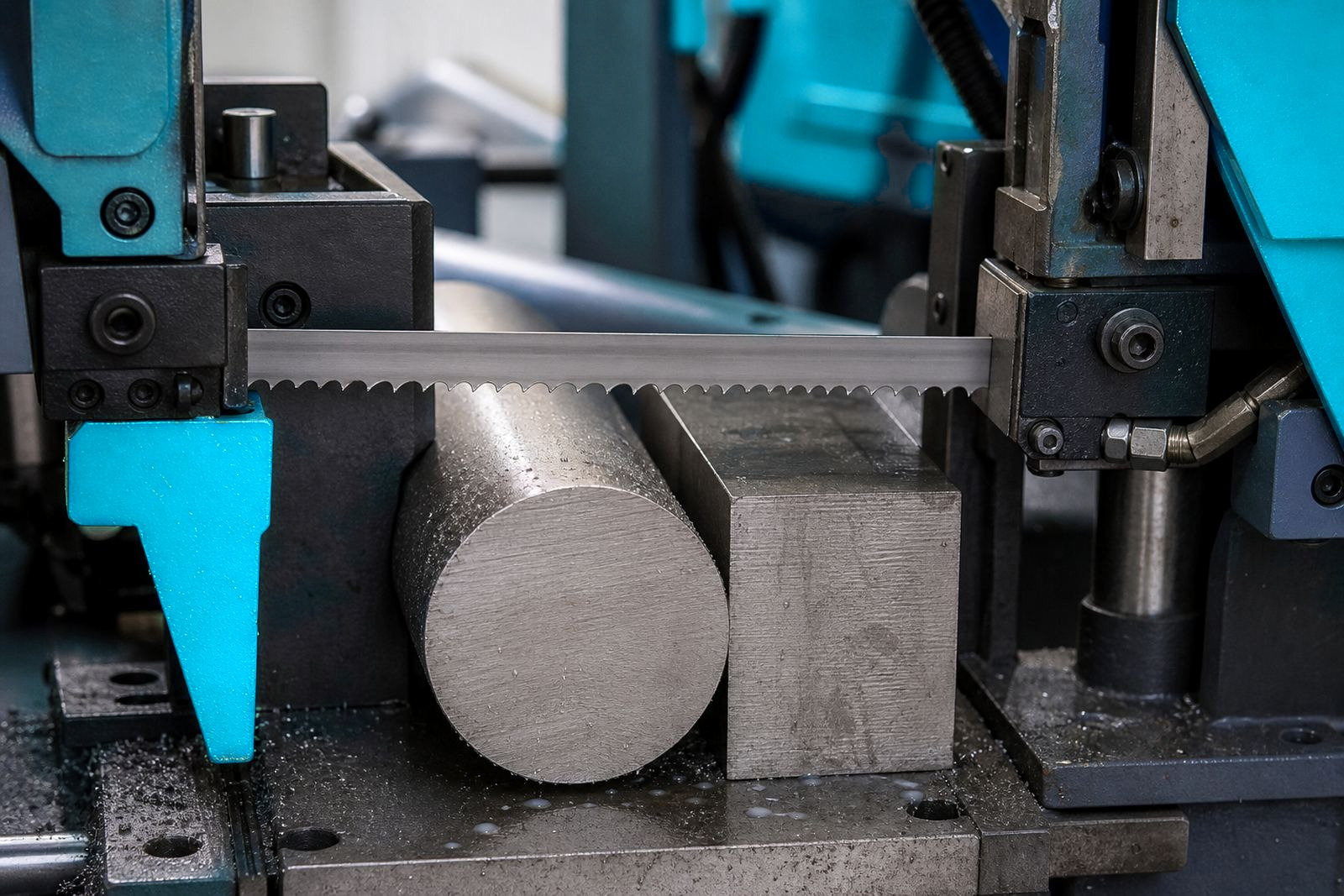
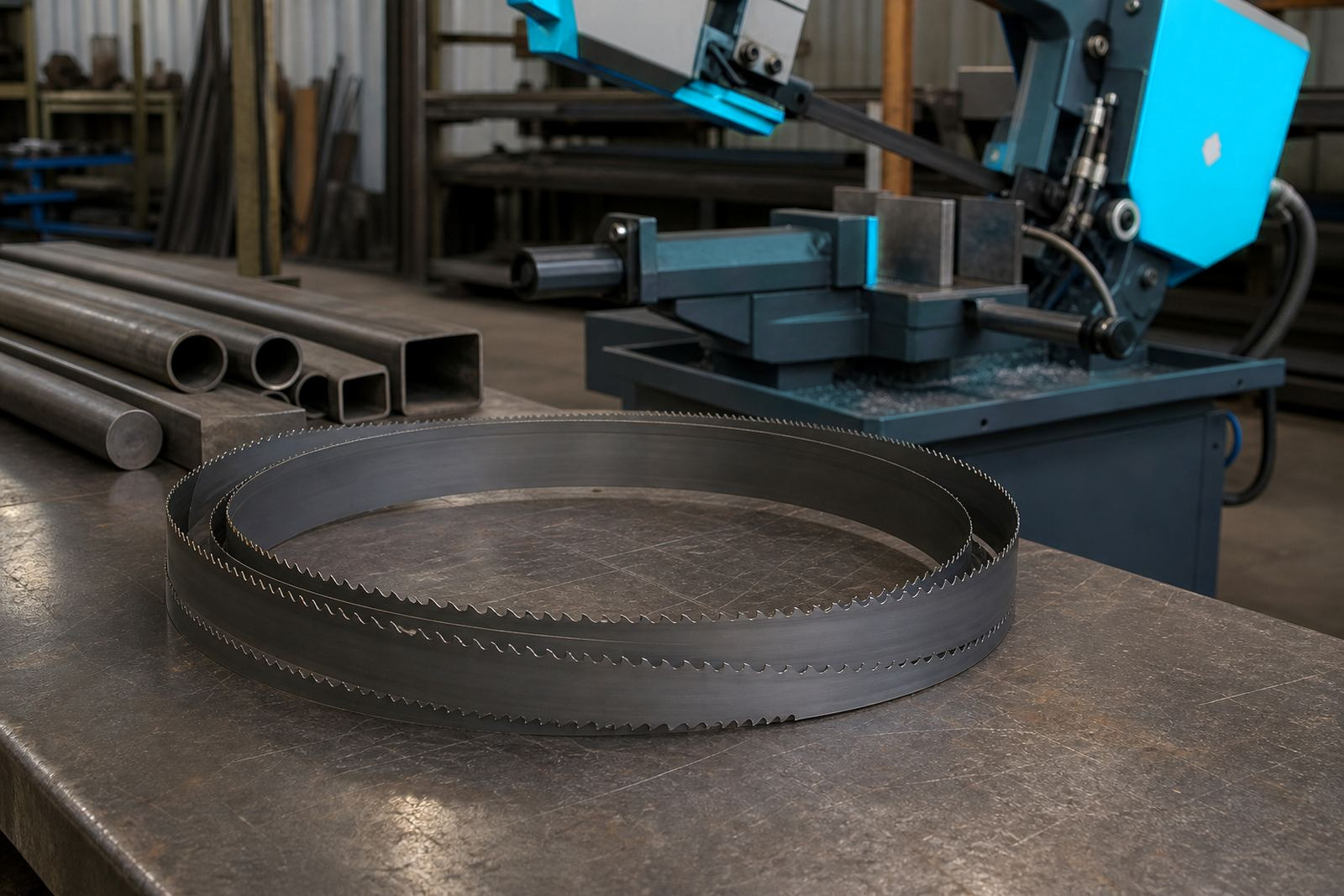
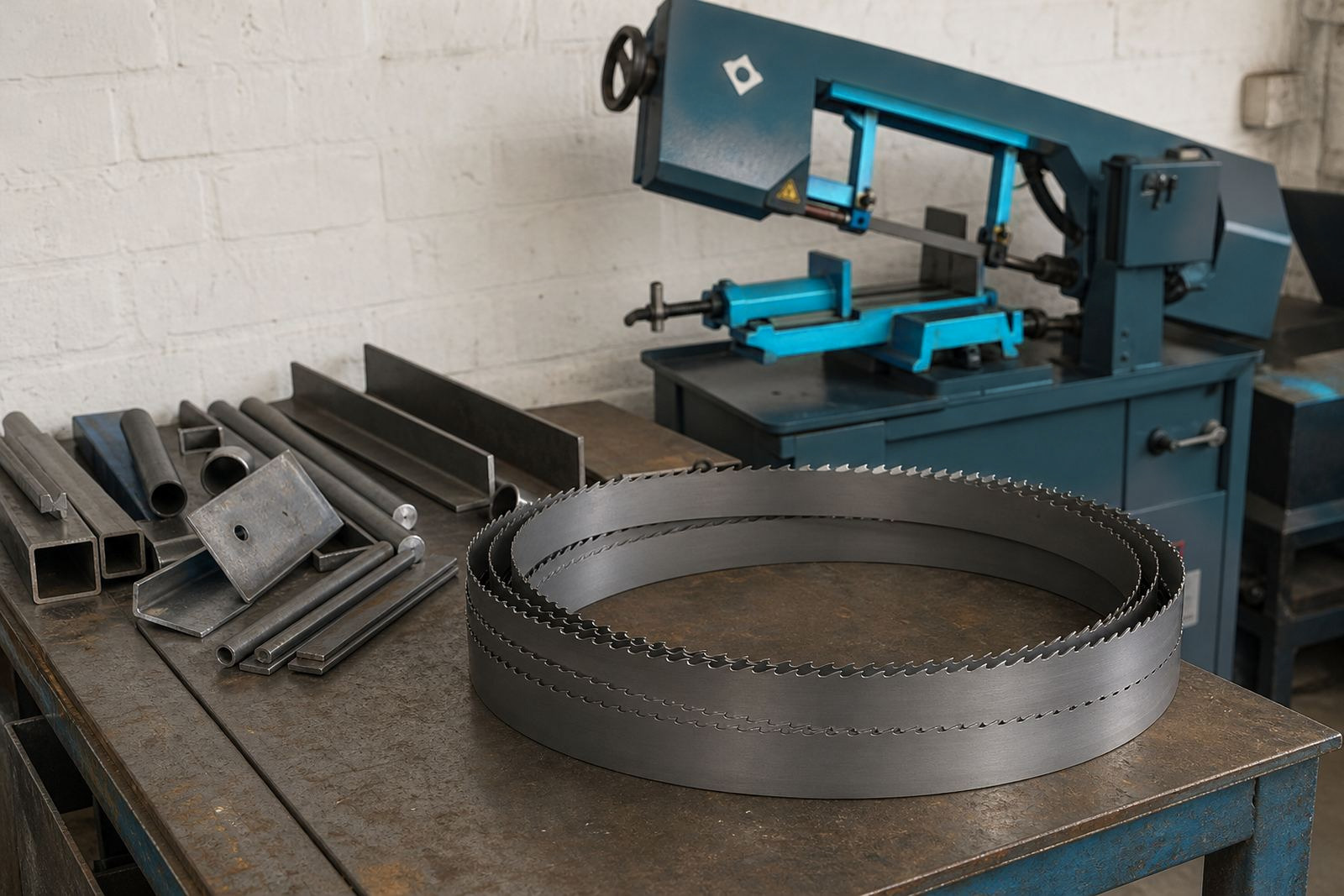
MoreCut Saws supplies bandsaw blades and hacksaw blades for metalwork, with weld-to-length service, starter kits and practical blade selection help from Alrode, Alberton. We work with workshops across South Africa on blade width, tooth pitch, run-in, feed speed and coolant checks so the cut matches the material, the machine and the job.

See the productsContact form
MoreCut Saws
Alrode Fabricator Setup

Projects

Alrode Fabricator Setup

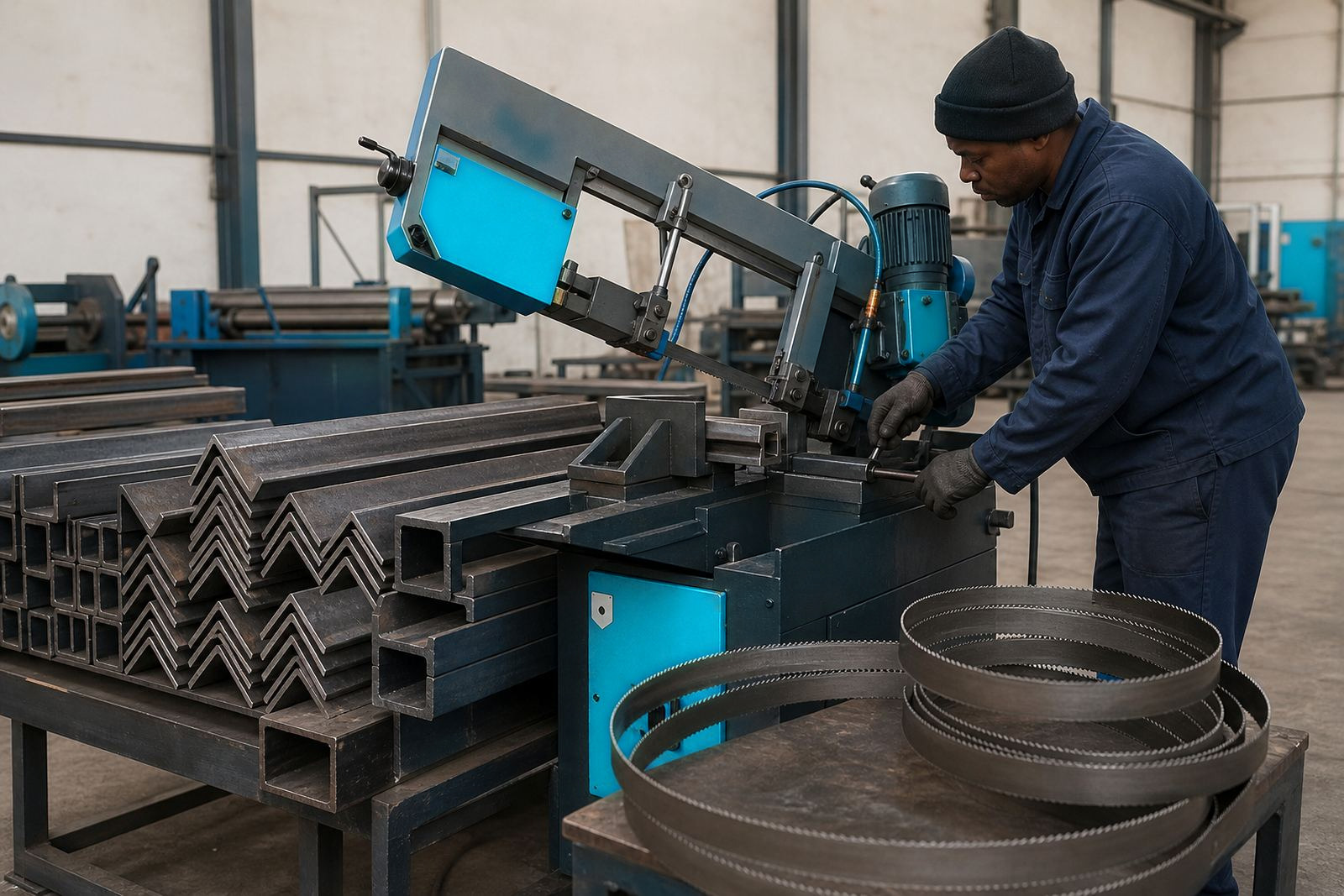
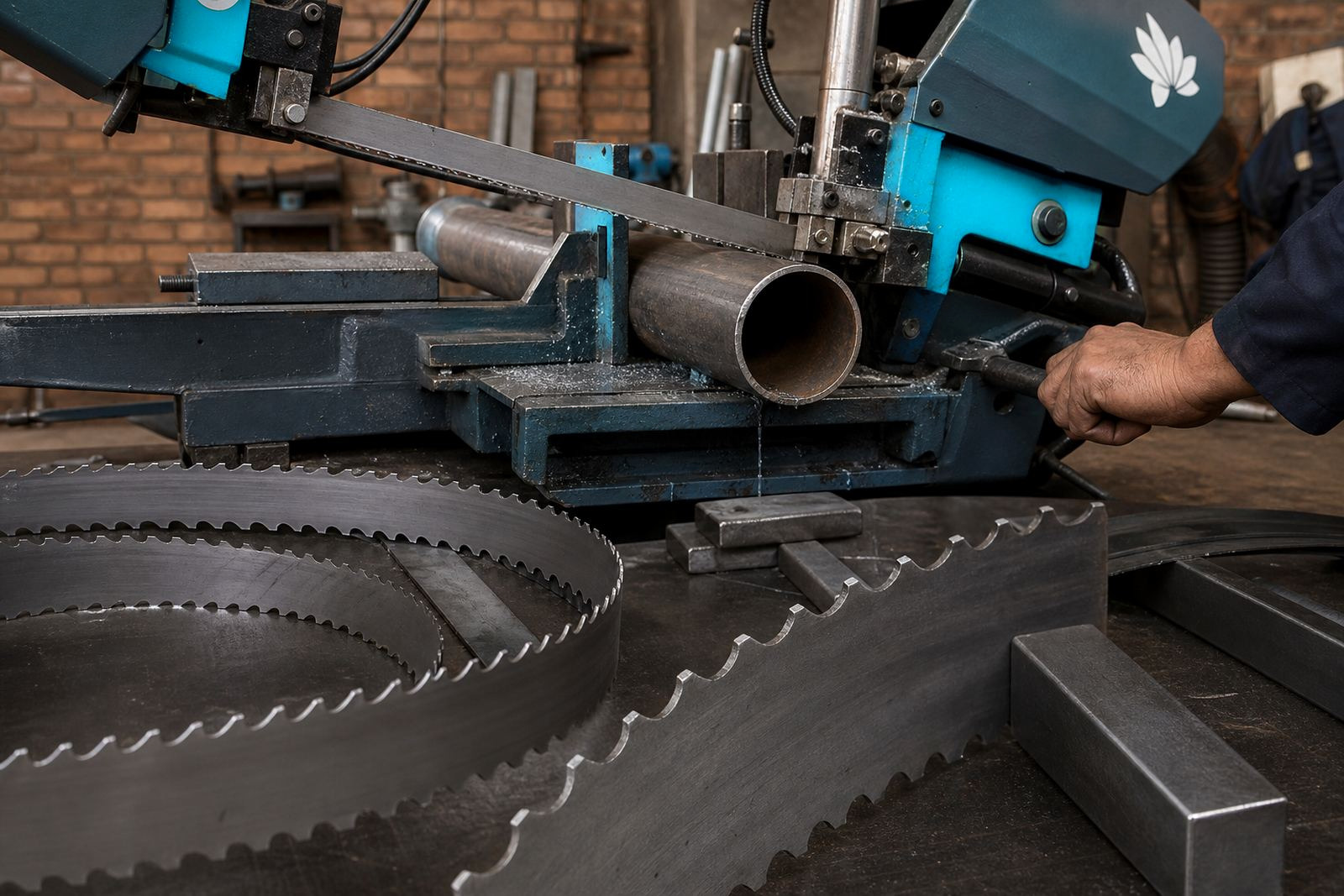
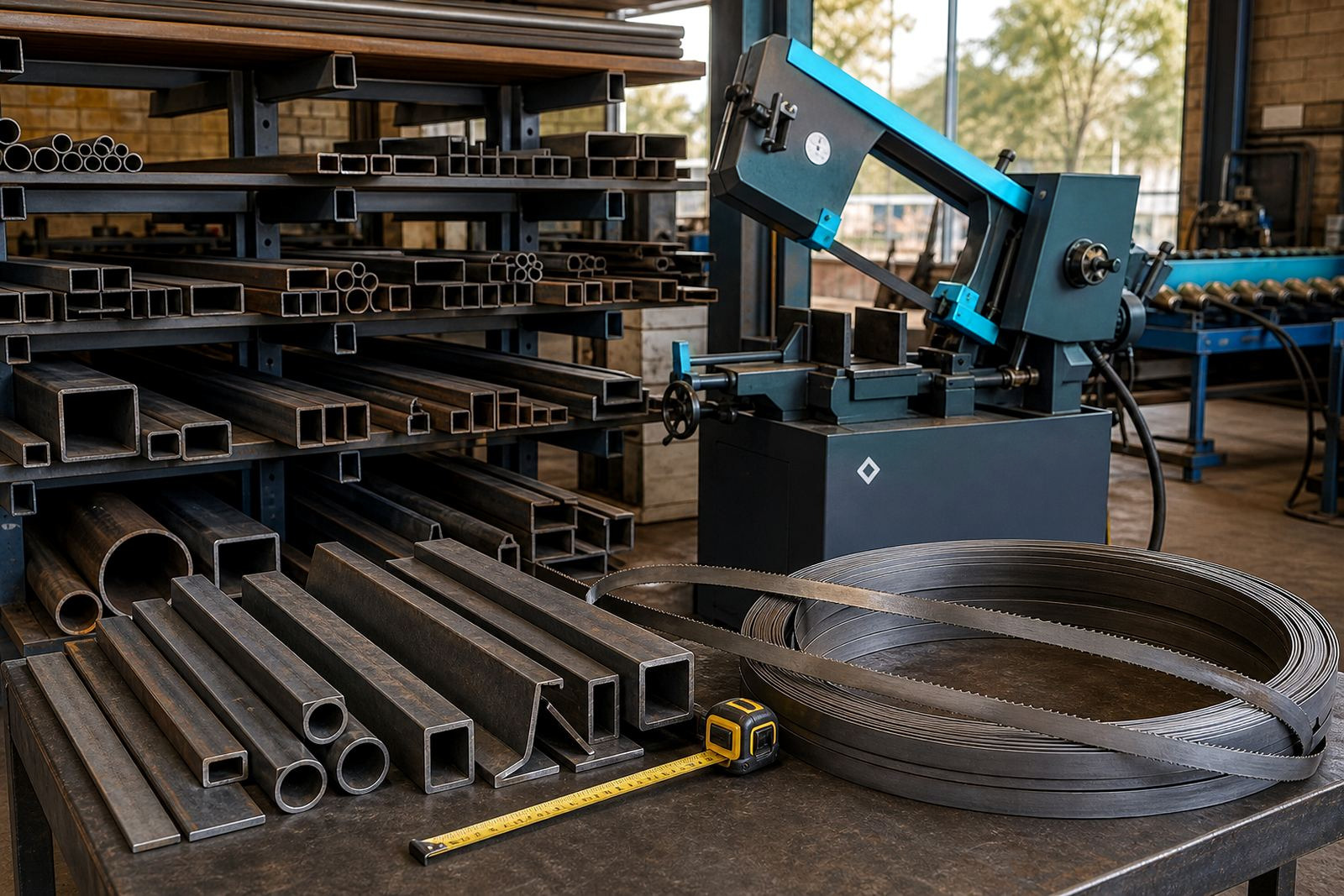
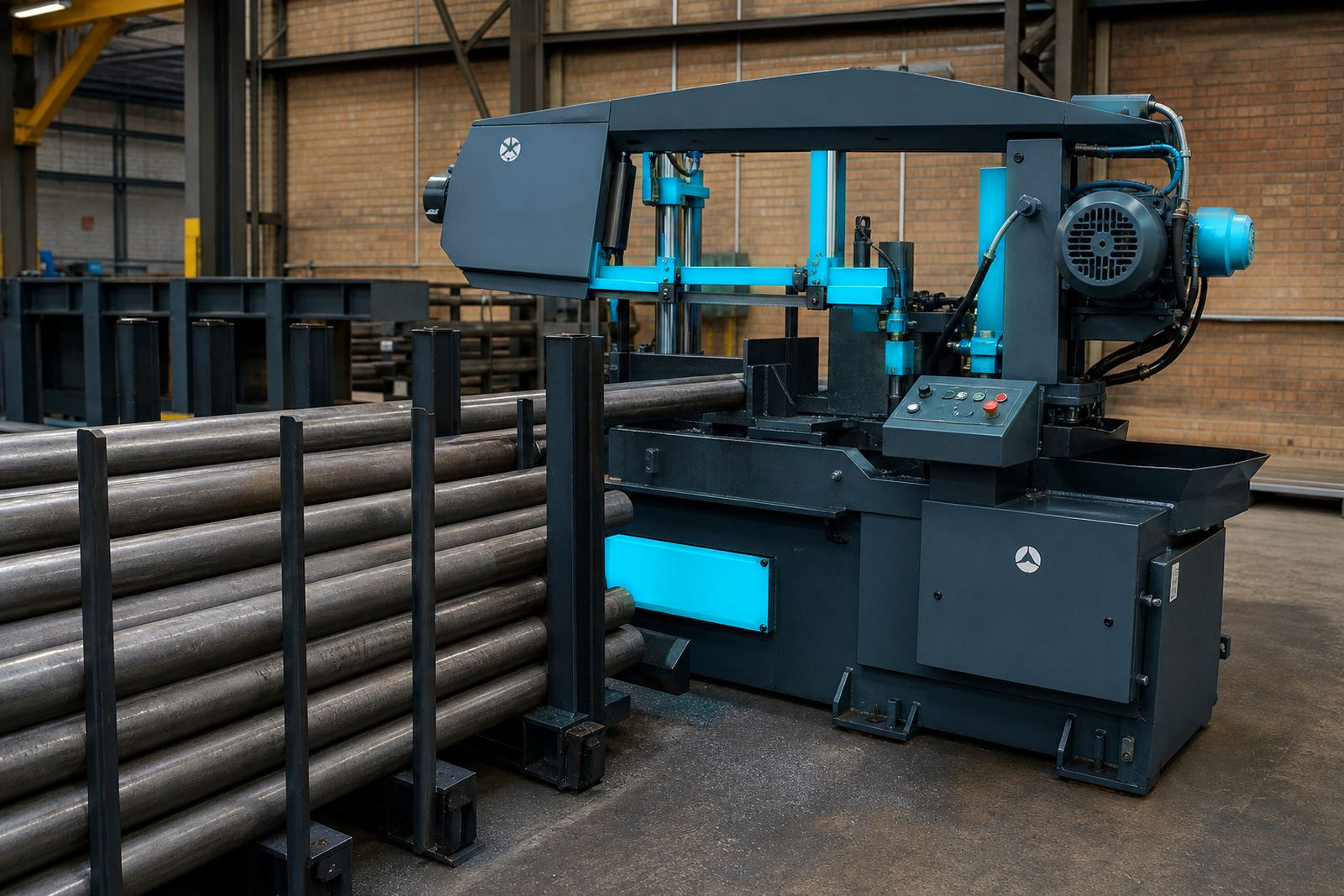
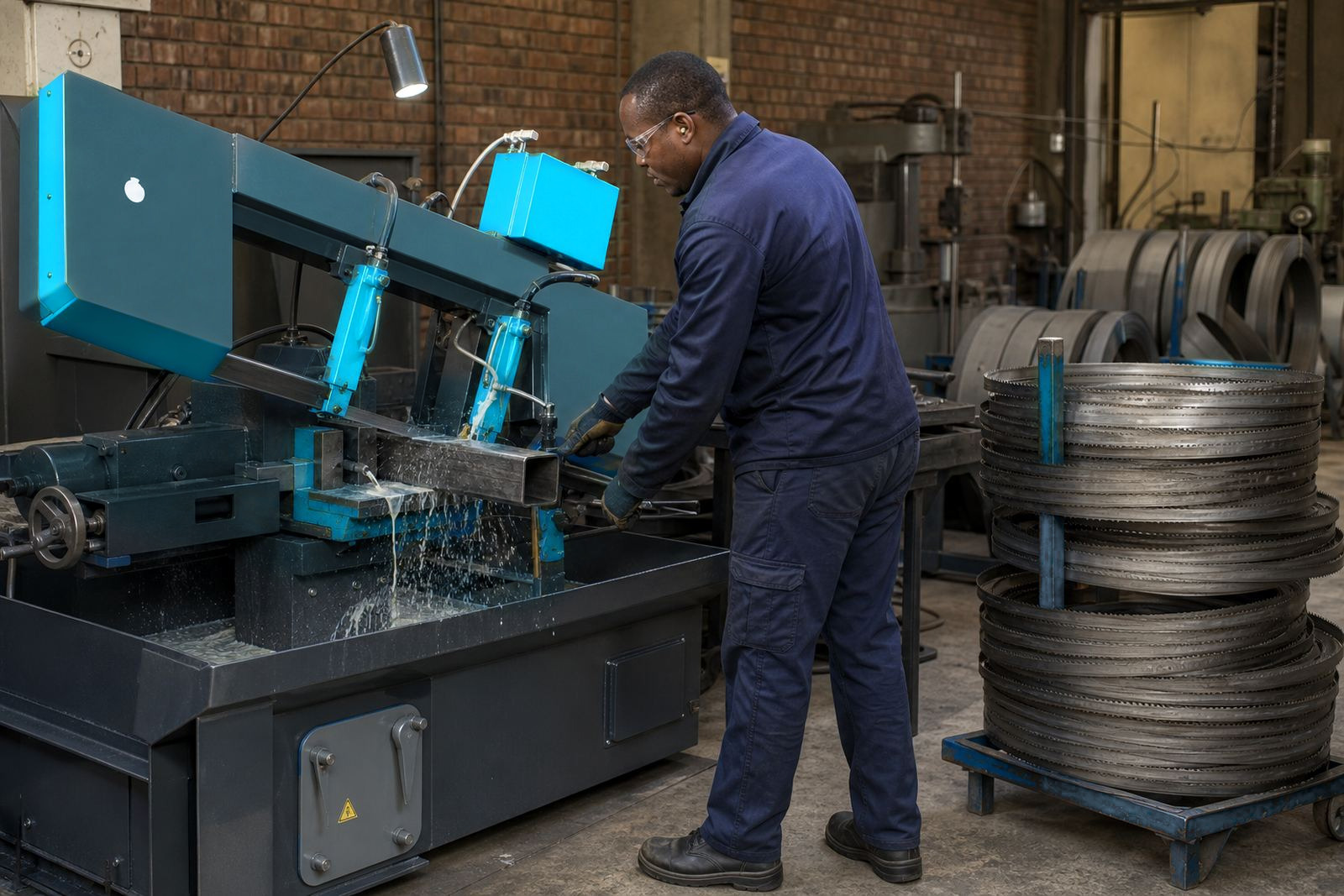
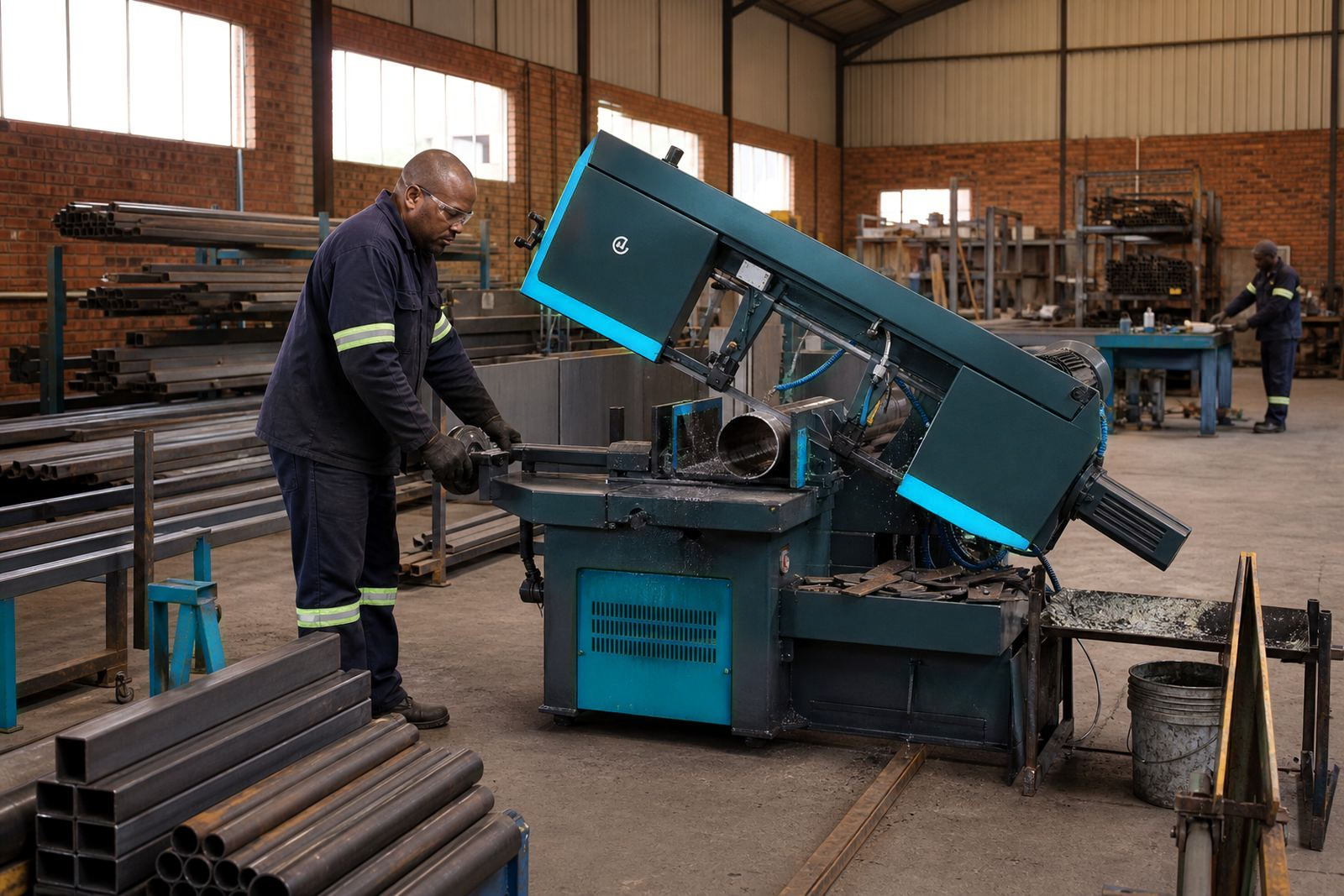
A fabrication workshop setup using bi-metal bandsaw blades for daily structural and tube cutting.

Read the project

Blade Selection

We help match blade material, tooth pitch, width and thickness to the machine, section size and metal being cut.

Ready Supply

Bandsaw blades and hacksaw blades are supplied for workshop use, from single replacements to practical starter kit orders.

Welded To Length

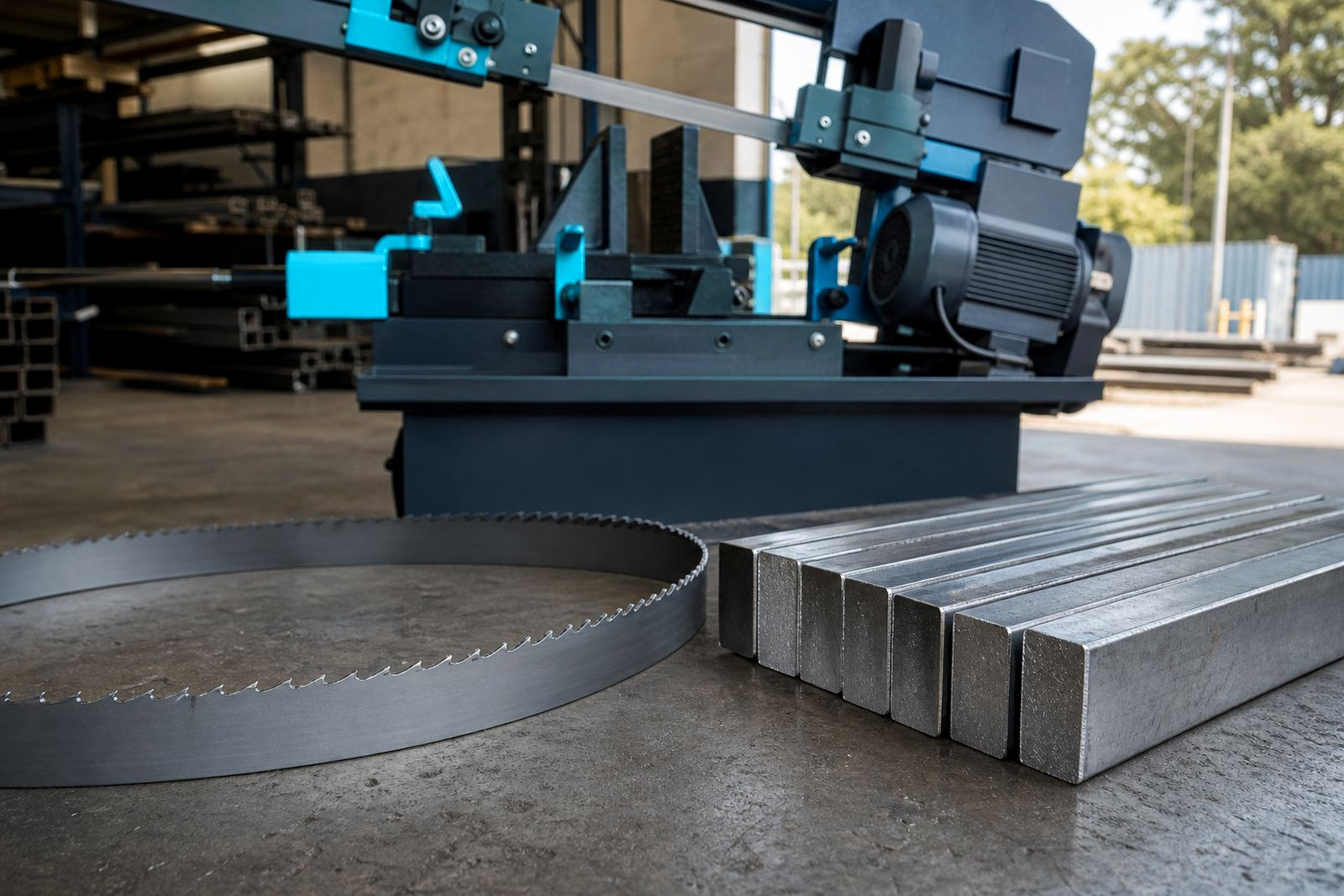
Blade coils can be cut and welded to the required length for many common horizontal, vertical and manual saw sizes.

Workshop Support

Our support covers run-in practice, feed and speed guidance, coolant basics and troubleshooting for straighter, longer-lasting cuts.

Steel cut to suit the job, never the other way round

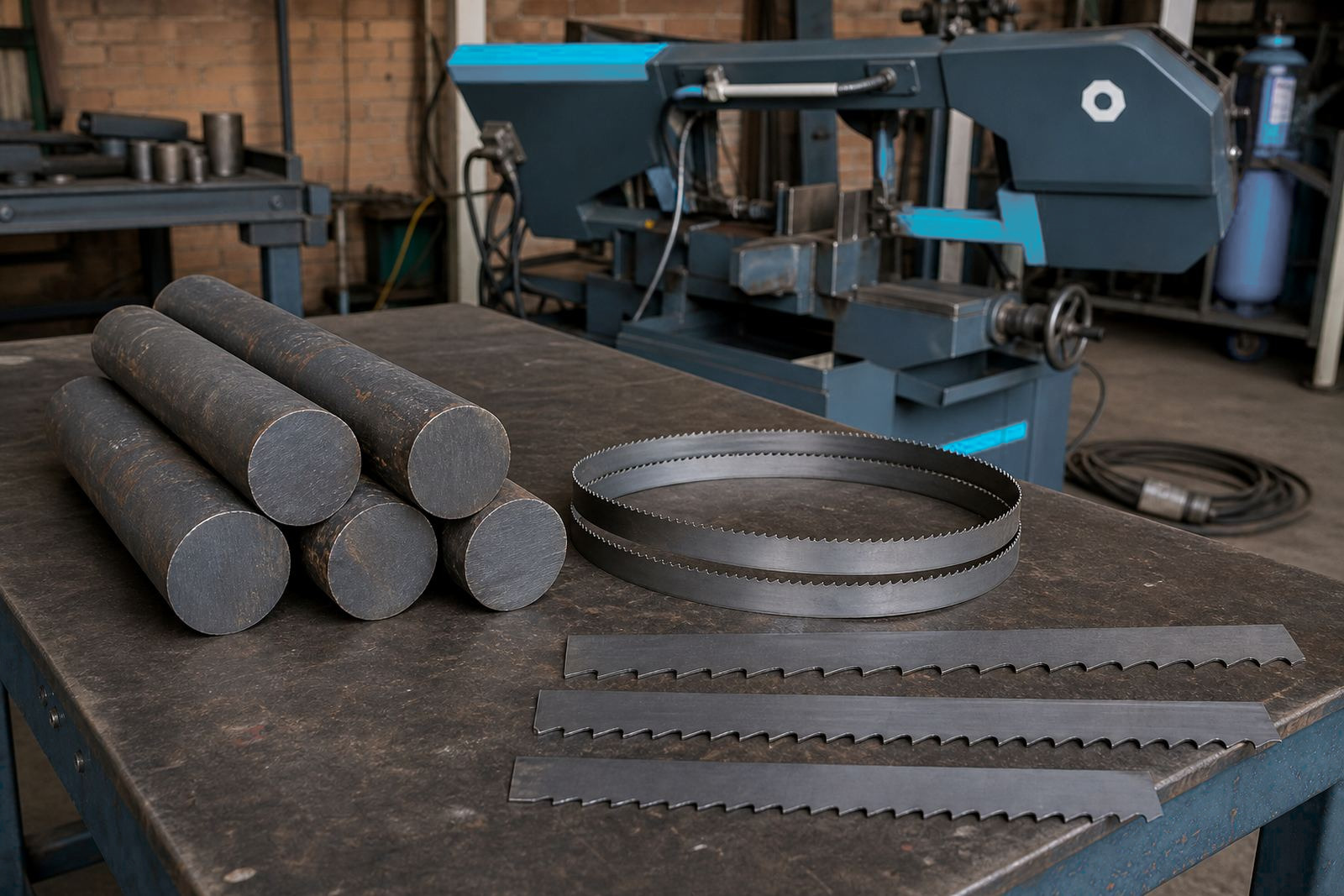
Our range covers bandsaw blades and hacksaw blades for general metalwork, fabrication yards, maintenance shops and machine rooms that need dependable cutting on a daily basis. The line-up includes bi-metal blades for mixed and harder sections, carbon steel blades for lighter duty work, and starter kits for teams that want the common sizes in one place.

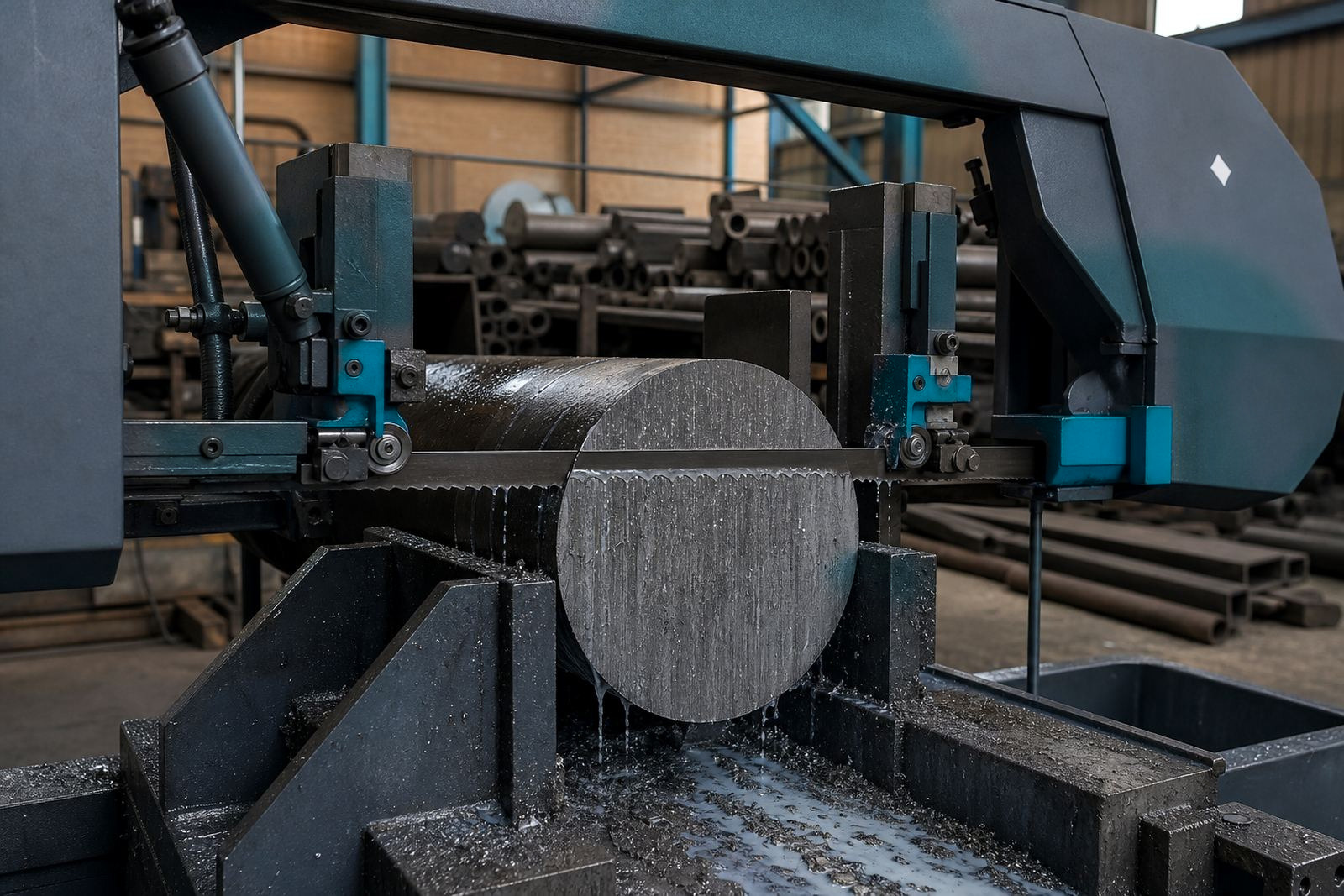
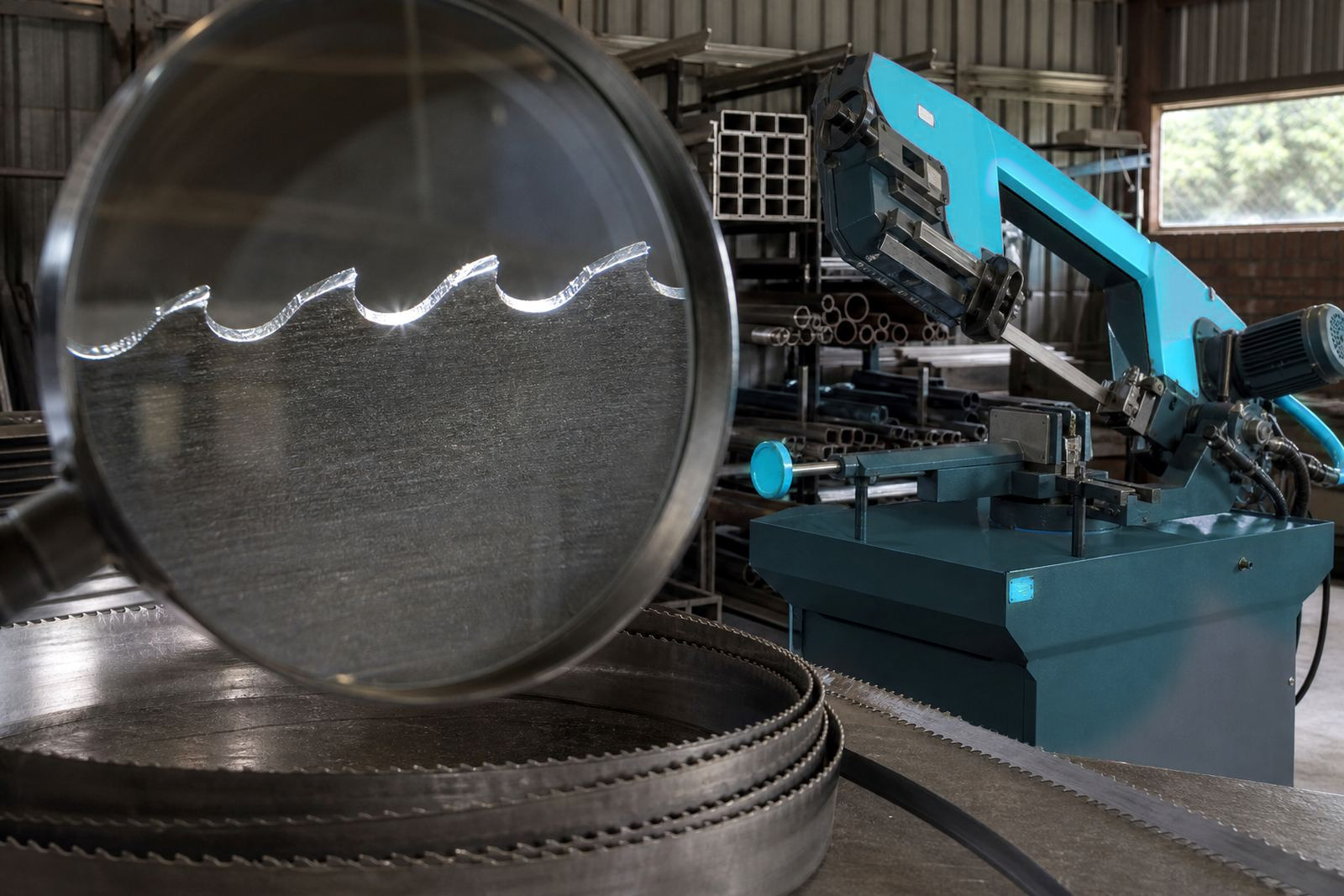
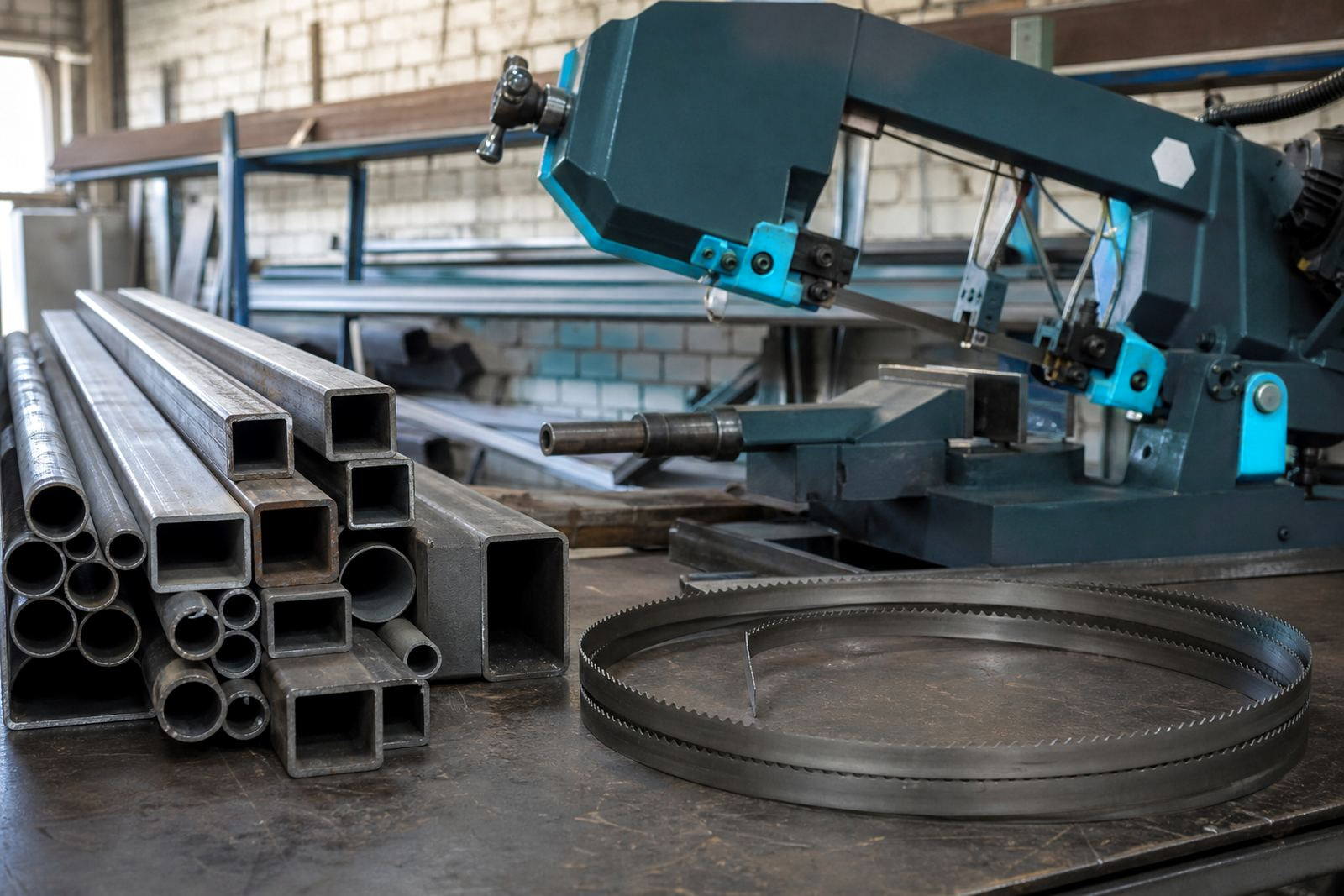
Blade choice is rarely just about length. Tooth pitch, blade width, thickness and the tooth set all change the result, especially when the job moves between solid bar, tube, structural sections and thinner wall material. A coarse pitch clears chips better on larger sections, while a finer pitch gives cleaner control on lighter sections. Variable pitch can help reduce vibration and chatter on some machines, provided the feed and speed are set with care.

  • Bi-metal blades for tougher metal cutting work
  • Carbon steel blades for lighter applications and manual sawing
  • Starter kits for workshop set-up and stock planning
  • Weld-to-length service for the blade size your machine needs

The cut starts with the right fit to the machine

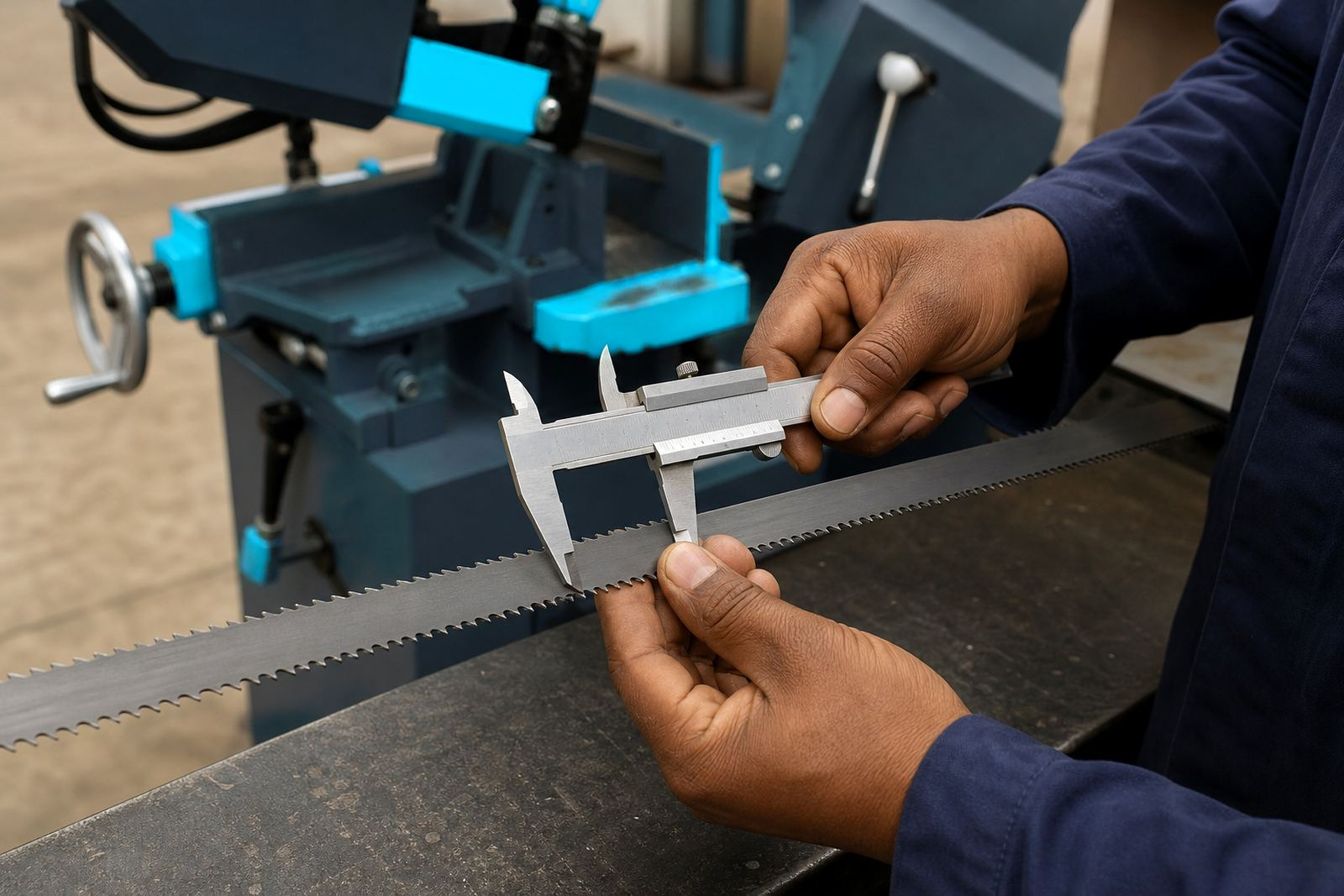
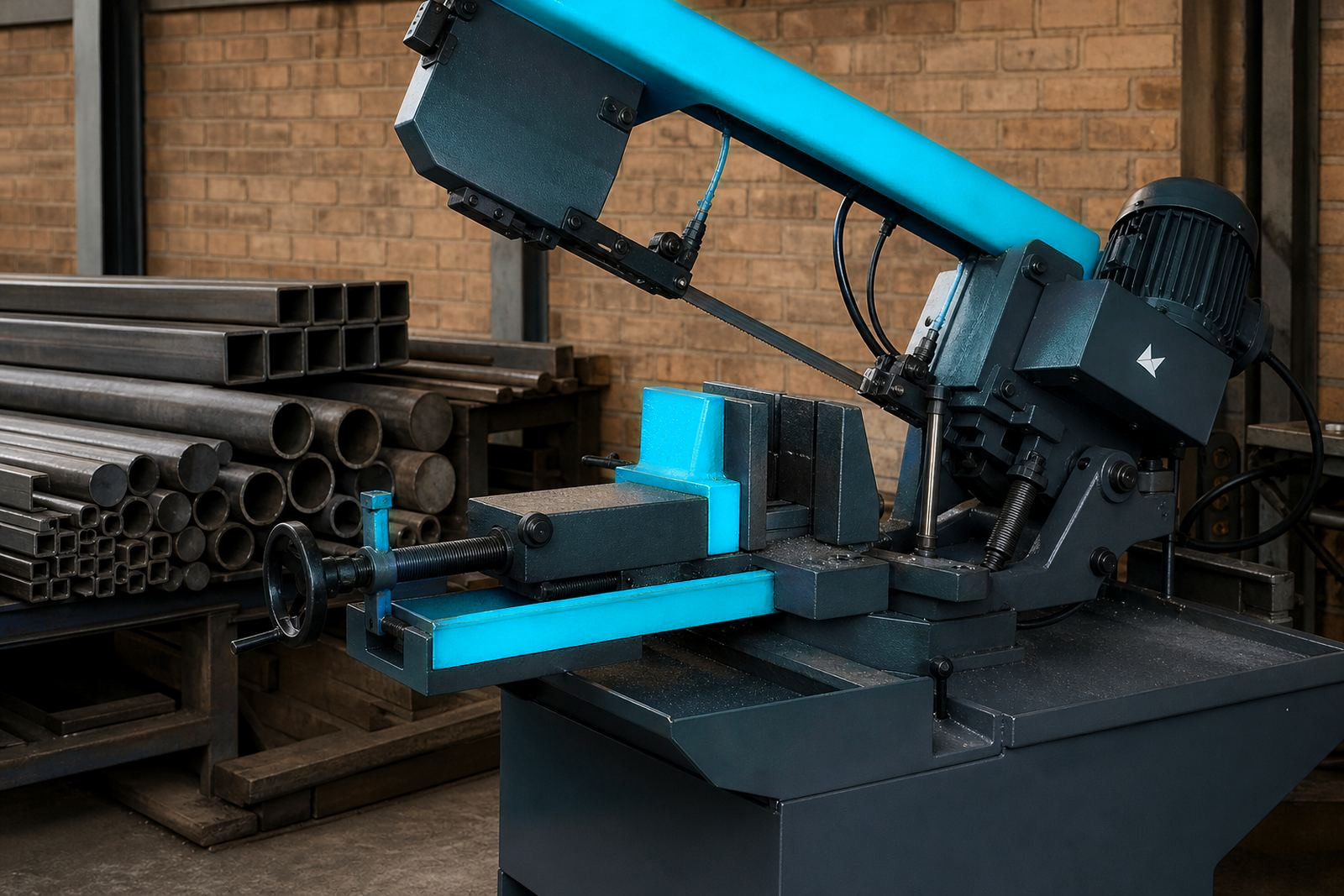
We help with machine fit check work so the blade is matched to the saw frame, guides and wheel size before it goes into service. That includes confirming blade length, width and thickness, then checking whether the machine favours a straighter blade, a narrower blade for tighter radii, or a wider blade for more stable cutting on larger sections. A blade that is too wide or too narrow can shorten life and make the cut harder to control.

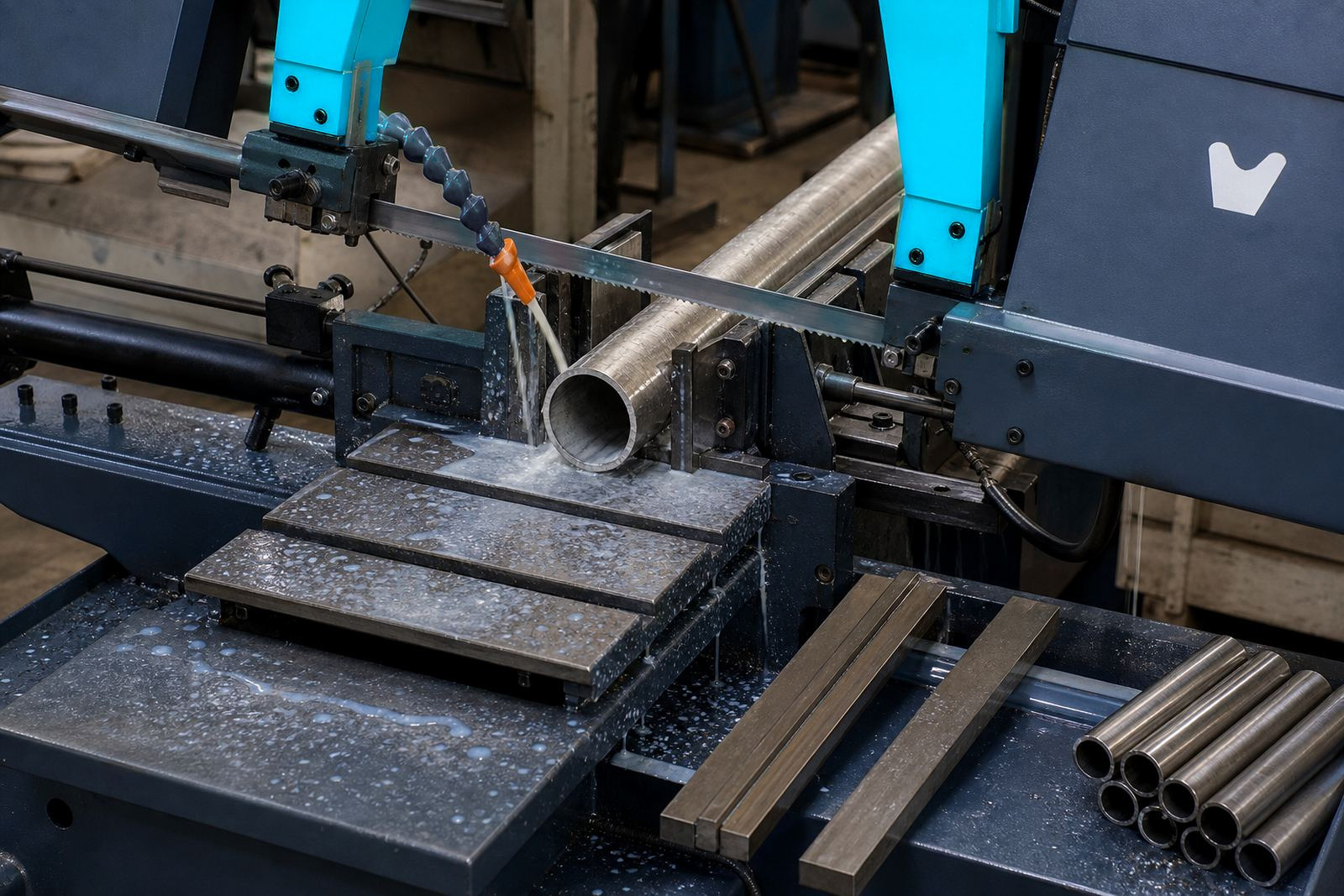
We also give run-in guidance. New blades need a sensible start so the teeth settle in before full production work. Feed speed and cutting speed must suit the metal, and coolant checks help control heat, flush swarf and protect the tooth edge. On some jobs, feed pressure is too heavy or speed is too high for the section being cut.

  • Length verification before welding or fitting
  • Blade width selection for stability and curve control
  • Tooth pitch selection for solid or thin wall material
  • Run-in guidance for new blades in regular service
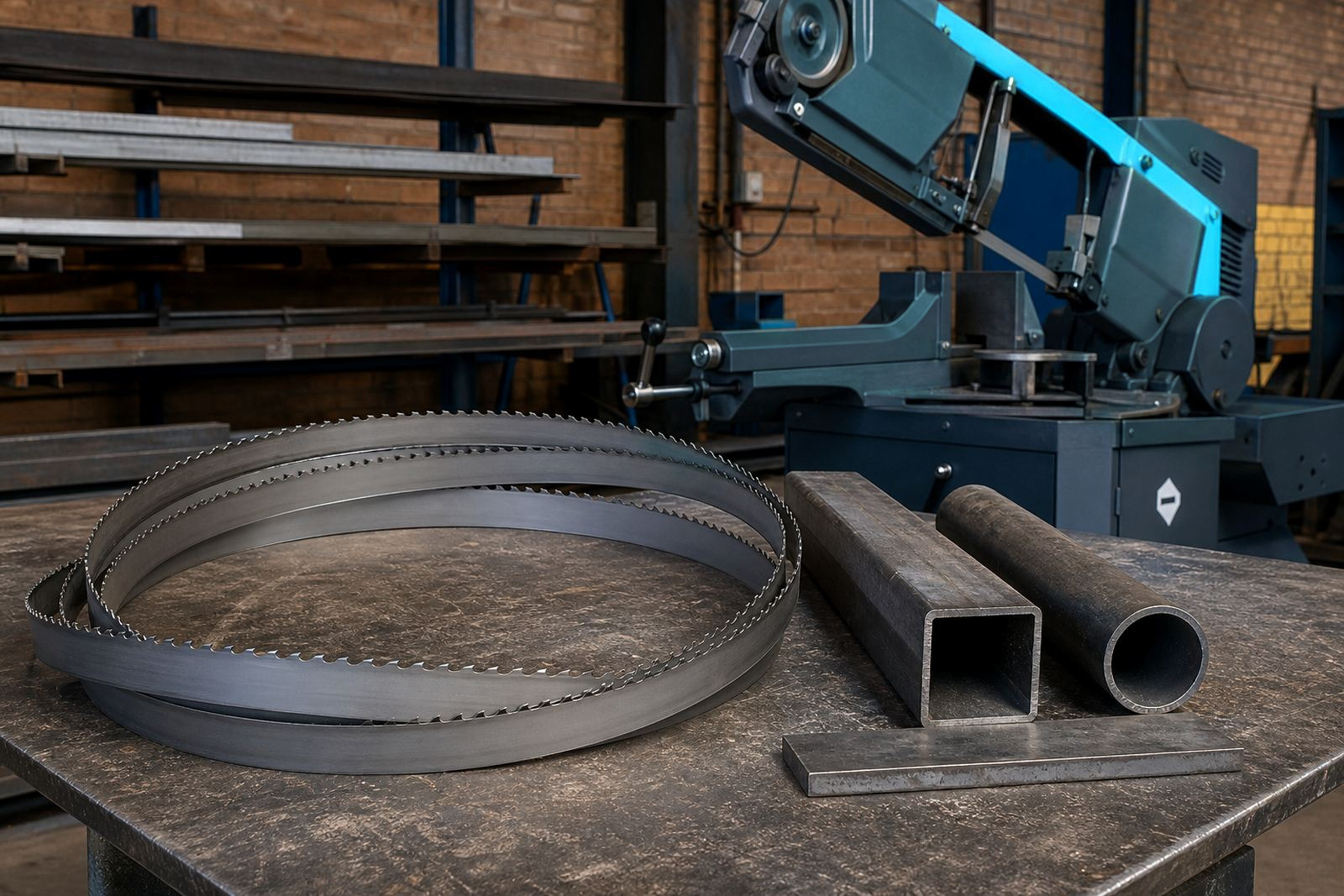
Workshop support that deals with the real causes of blade wear

Blade failure review is part of the work we do because a broken blade often points to something else in the process. Teeth can strip from poor pitch selection, cracks can start where guides are out of line, and premature wear can come from dry cutting, poor coolant flow or feed pressure that is simply too hard for the machine. We look at the cut pattern, the material and the machine setup before recommending the next blade.

Manual saw support is also useful where cutting is done by hand or on smaller equipment. In those settings, the feel of the cut is important. A blade that suits the material and the operator reduces grabbing, wandering and extra effort at the vice. For workshops that carry a standard set of sections, stock standardisation helps keep the blade range manageable and makes ordering easier when the same sizes recur through the month.

  • Blade failure review for worn, cracked or stripped blades
  • Feed speed advice matched to the material on the bench
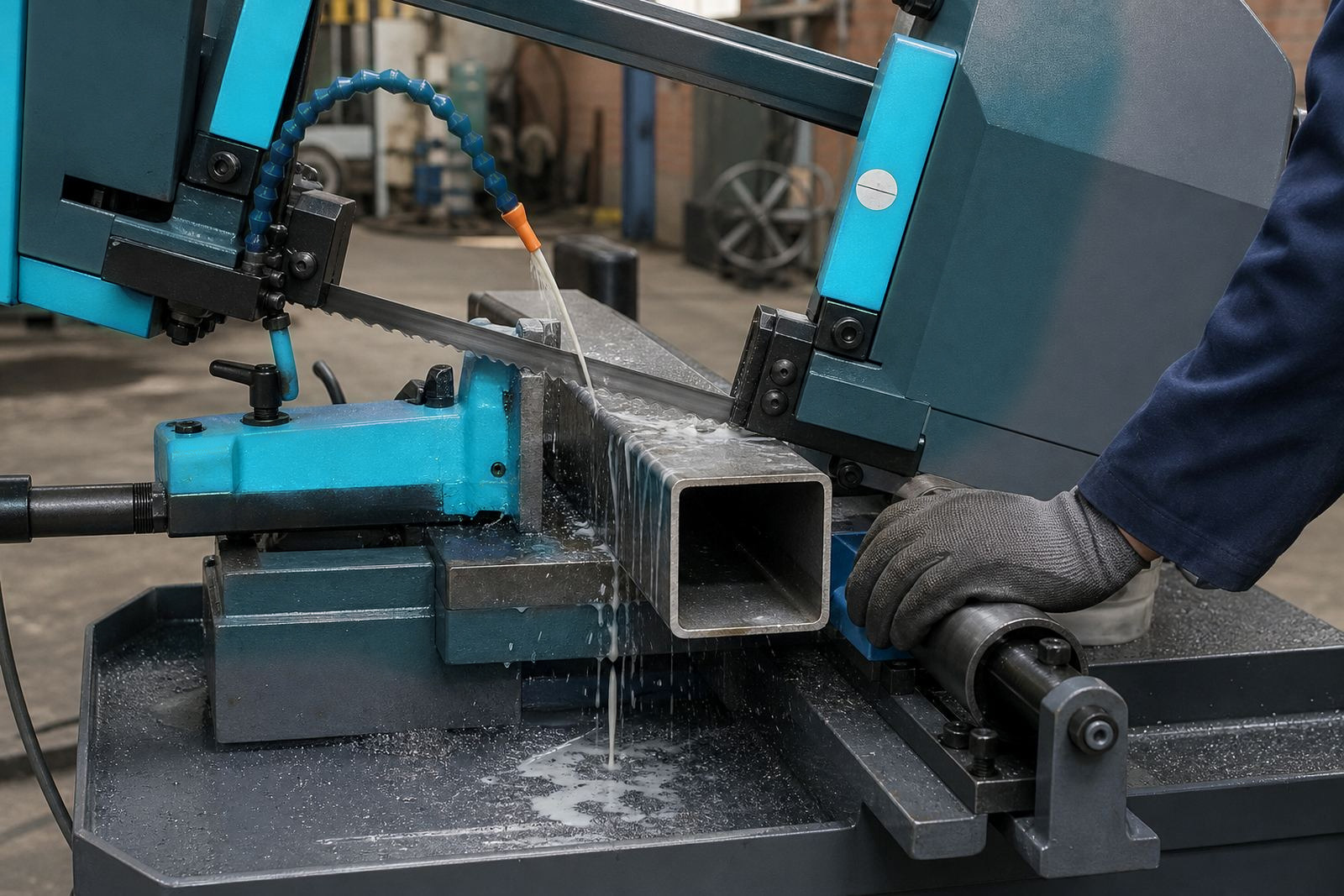
  • Coolant checks where wet cutting is part of the process
  • Stock standardisation for repeat workshop sizes

Alrode and across South Africa

Our base in Alrode, Alberton places us close to Gauteng industry, but the work reaches far beyond one metro. We supply workshops in Johannesburg, Vereeniging, Pretoria, Durban and Cape Town, along with Germiston and Boksburg. The same blade logic applies whether the job is local maintenance, fabrication, site support or a production line with steady cutting demand.

Different regions bring different patterns of work. Coastal humidity can affect storage and handling, so blades need to be kept dry and treated properly before use. Inland workshops may run a different mix of structural steel, pipe and plate, and that changes the pitch and width that make sense for the machine.

  • Alberton Supply
  • Johannesburg Supply
  • Pretoria Supply
  • Vereeniging Supply
  • Durban Supply
  • Cape Town Supply
  • Germiston Supply
  • Boksburg Supply

The team behind blade selection and welding

MoreCut Saws is led by Sibusiso Dawood, with Anika Nortje handling sales, Pieter Moonsamy on blade welding, Lerato Zungu leading technical support, Themba Chetty coordinating operations and Chanel Jacobs handling customer service. Blade work draws on product knowledge and workshop discipline. A blade that is welded properly still needs the right pitch, width and run-in if it is to perform well in service.

The welding side is especially important where the workshop needs a specific length for a particular machine or a replacement to match existing stock. Length verification and weld quality are checked against the job, and the result needs to track straight and hold up under normal cutting load. When a workshop is changing from mixed blade sizes to a more standard range, the planning has to be practical, not theoretical.

Our work stays focused on the cut itself: material, machine, tooth form and the way the blade is used each day. That is the basis for the advice, the starter kits and the weld-to-length service we provide from our Alberton base.

Blade questions

What blade type suits mixed metalwork jobs?

Bi-metal blades are often the better starting point for mixed metalwork because they handle a wider range of materials and cutting conditions. Carbon steel blades are still useful for lighter duty work and manual sawing, especially where the material is softer and the cutting load is lower.

How do tooth pitch and blade width affect the cut?

Tooth pitch controls how many teeth are in contact with the material at once, so it influences chip clearance and cut smoothness. Blade width affects stability and curve control, while thickness and tooth set also shape how the blade tracks through the job.

Do you weld blades to length for specific machines?

Yes, we provide weld-to-length service for workshops that need a blade made to the correct machine length. We also assist with length verification, machine fit check work and starter kit planning so the blade suits the saw and the material being cut.

Blades wearing out too soon? Tell us the saw and the material.

Contact form