Alloy steel cuts start with the tooth count, not the saw
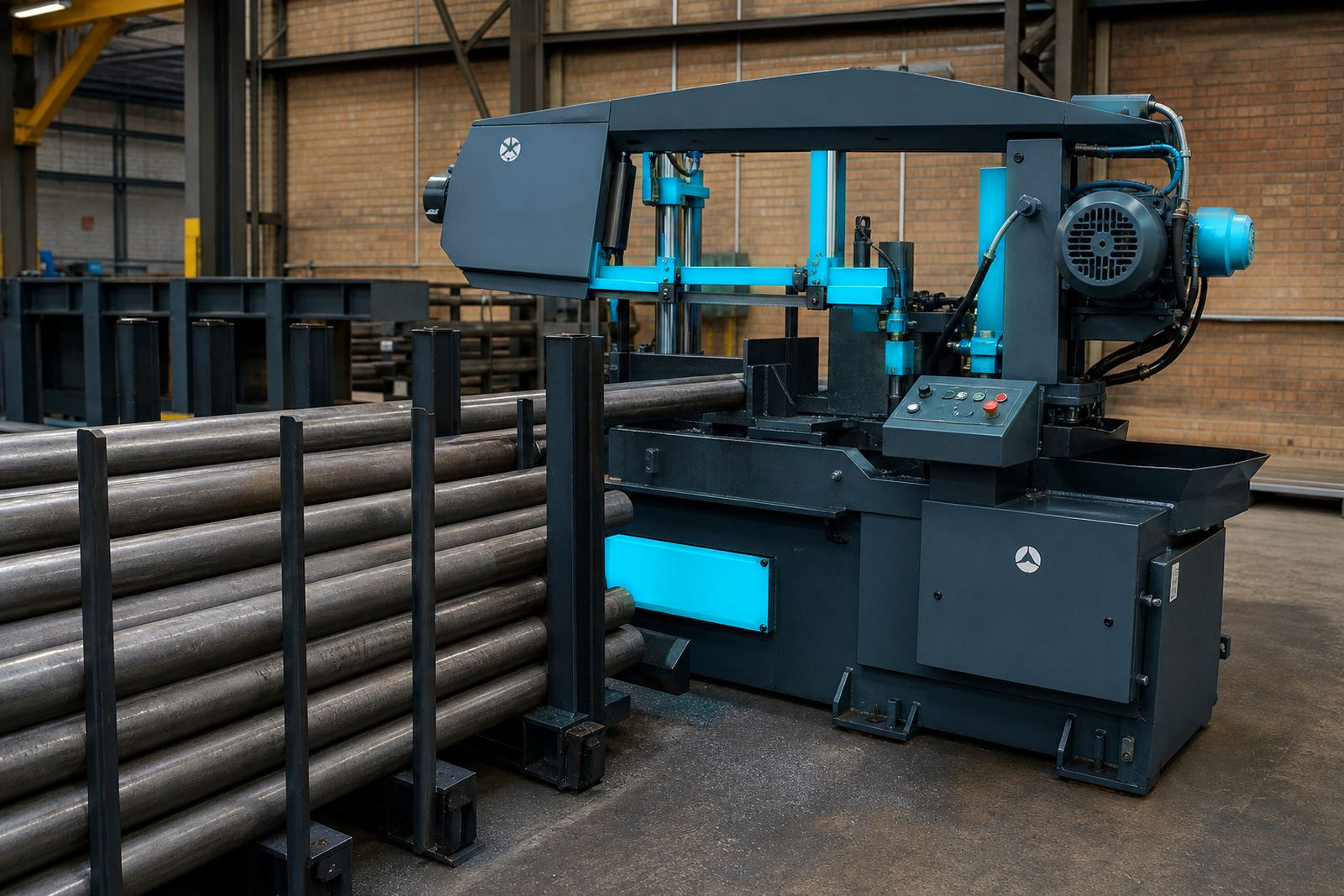
On alloy steel, blade width is part of the cutting plan, not a spare detail. A narrow blade can work on smaller manual saws, but a wider blade gives better tracking on vertical bandsaws and horizontal machines when the cut is long, square and repetitive. A thin blade follows a tighter wheel radius, while a heavier blade resists flutter on firmer machines.
We usually look at the machine frame, the vice travel and the stock profile before settling the width. A 20 mm blade can suit lighter work, while 27 mm, 34 mm or wider is common where the saw has enough wheel diameter and guide support. On hacksaws, blade length and tooth pitch must match the stroke and the steel section, otherwise the teeth skip or jam through the cut.
Weld-to-length service helps when the workshop keeps several lengths in rotation or needs a quick match for a machine that is not common. Length verification prevents waste, and it avoids the loose loop that throws tracking off. For alloy steel, a well-fitted loop with correct tension usually outlasts a blade that was fitted in a hurry.
- Match width to wheel size and guide support
- Verify blade length before welding or fitting
- Keep the blade tracking true before applying full feed
- Use the same length pattern for standard jobs where possible
Feed, speed and coolant shape the finish on alloy steel
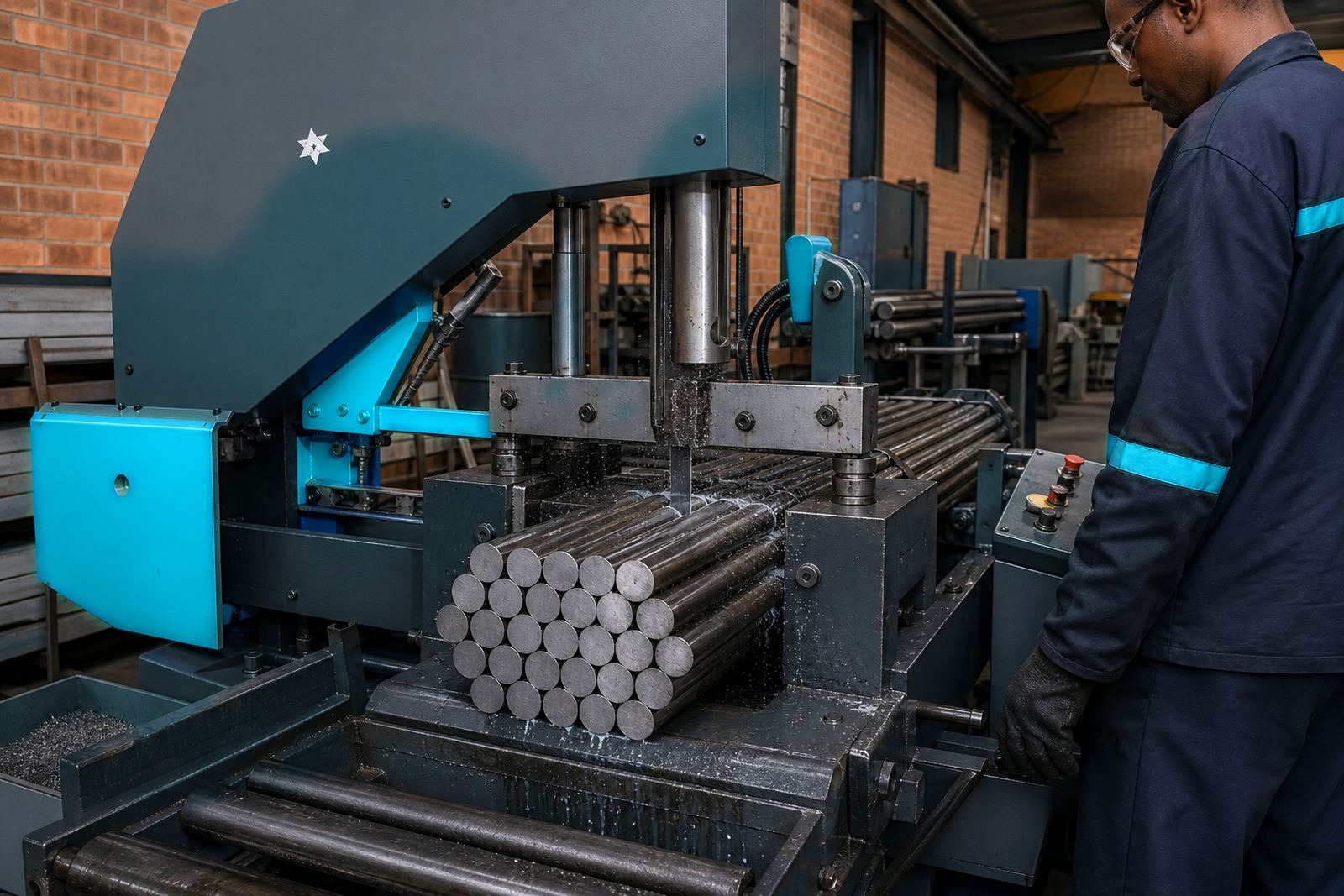
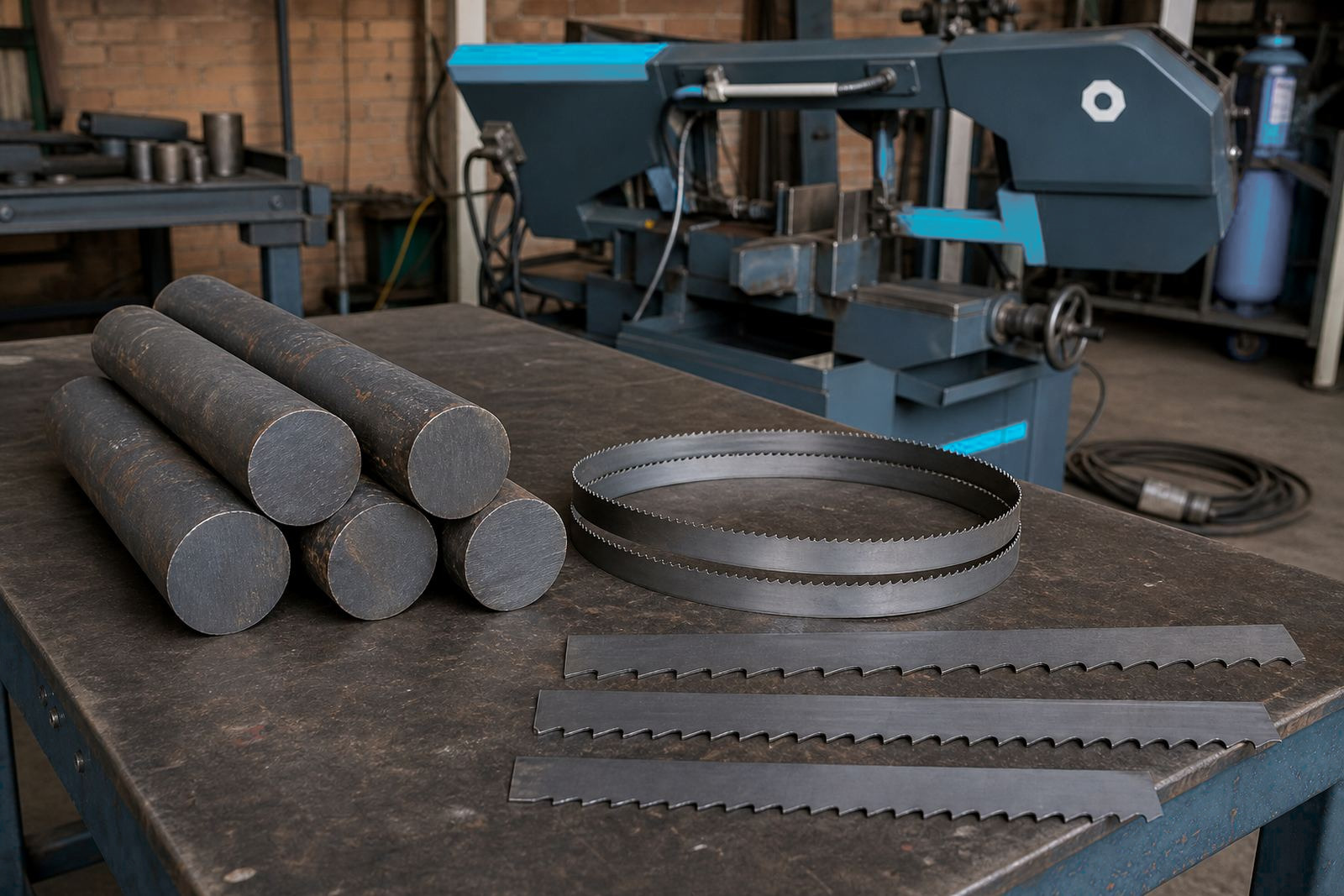
Starter kits are useful where a workshop cuts alloy steel, mild steel and mixed profiles from the same saw. A sensible kit often carries a few pitch options, one or two widths and a blend of bi-metal and carbon blades, so the team does not force one blade to do every job. The machine keeps moving, and we avoid running a coarse blade on thin material or a fine blade through heavy stock.
Stock standardisation is helpful when several branches, benches or shifts are using the same equipment. If the team keeps one blade length, one tooth pitch pattern and a known set of widths, ordering becomes cleaner and blade changes are less messy. We also look at machine fit checks where the saw has had guide wear, wheel wear or tension issues, because the wrong fit makes even a good blade look poor.
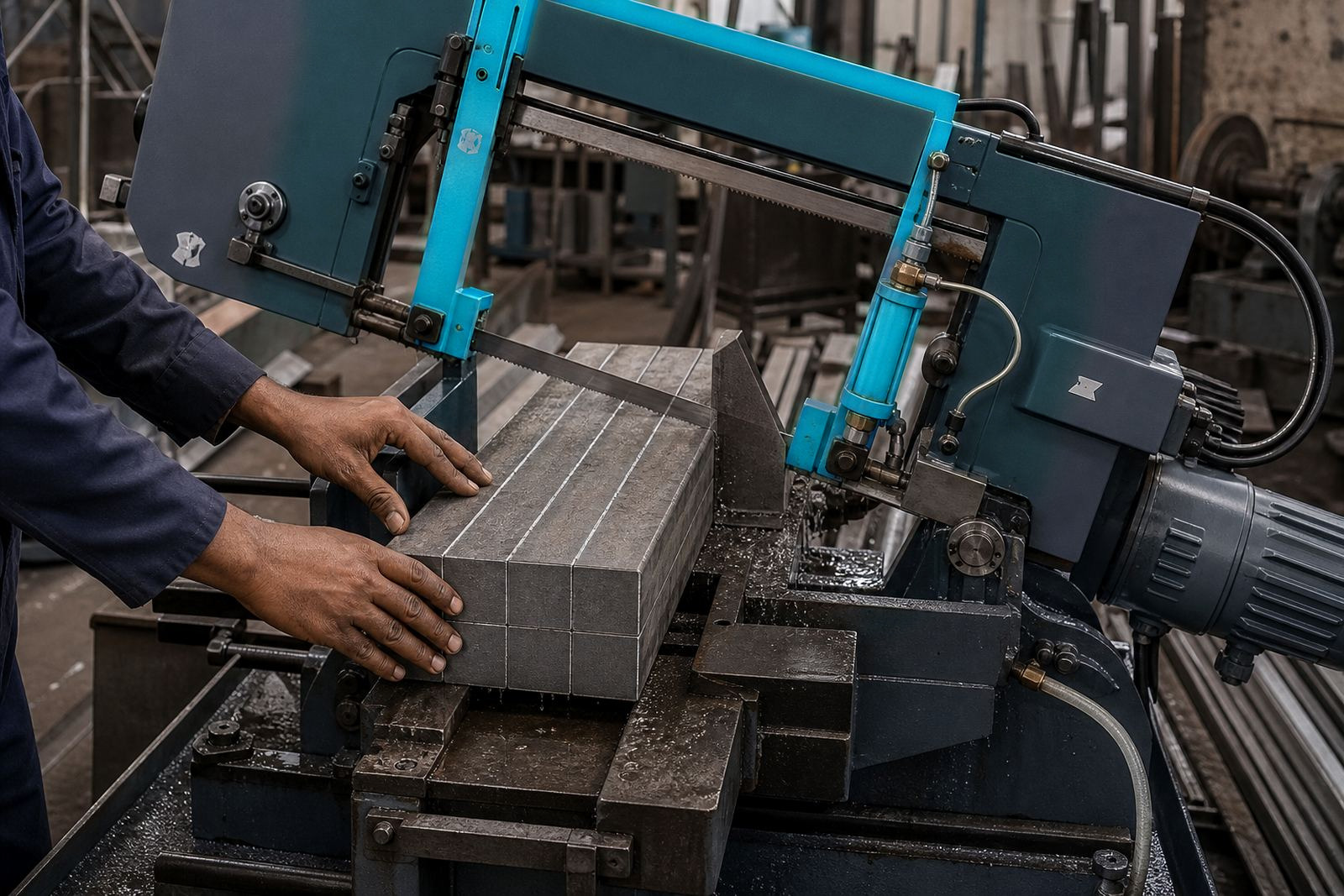
For alloy steel work, a practical layout is to keep the heavier blades close to the main production saw and the finer pitch blades with the manual machines or smaller frames. That way the crew does not borrow from the wrong stock pile when the shift gets busy. We still support manual saws, because hand-fed cuts need a slower pace and a more careful start than powered machines.
- Keep one standard kit for the common alloy steel sizes
- Separate heavy-section blades from fine pitch stock
- Use machine fit checks after guide or wheel wear
- Store manuals and blade notes near the saw station
Common alloy steel mistakes that shorten blade life
The most common problem is using the wrong pitch for the section size. Teeth that are too fine can pack up in heavy alloy stock, while teeth that are too coarse can snag on thin walls and chip at the entry. The next problem is feed that is either too light or too heavy. A blade that rubs hardens the cut face, and a blade that is forced bends off line or breaks teeth at the weld.
Another trap is skipping a blade failure review after a bad cut. If the blade snapped, stripped or ran hot, there is usually a reason in the cut setup, the tension, the coolant or the stock clamping. Sometimes the cause is simple, like a vice that does not grip square. Sometimes it is a wider issue with guide wear or a blade width that does not suit the machine.
Alloy steel can also punish a blade that is installed with poor tracking. Even a sharp blade will wander if the wheel alignment is off. Length verification, guide checks and a sensible run in are part of our job.
- Do not force one pitch across every alloy section
- Do not ignore wheel wear or loose guides
- Do not skip run-in on fresh blades
- Do not treat coolant as an afterthought
What the Rand range usually covers on alloy steel jobs
Budgets on alloy steel cutting depend on blade type, width, tooth pitch and whether the blade is welded to length or supplied as standard stock. Carbon steel blades sit at the lower end for lighter manual work, while bi-metal blades cost more but usually make better sense on repeated alloy steel cutting where wear is a daily issue. Variable pitch and wider blades also change the price because the material and welding requirements are different.
For many workshops, a single replacement blade can sit in the low hundreds of Rand for basic carbon steel work, while bi-metal saw blades for repeated alloy steel cutting often move into the higher hundreds or low thousands depending on size. Starter kits and mixed stock packs usually sit above a single blade but below the cost of buying every size separately. Weld-to-length service adds value when the loop length must be exact, because the saved waste and cleaner fit can outweigh the extra handling.
If the job mix includes routine alloy steel, the budget often works best when the workshop keeps a small standard stock and replaces the heavy movers before they fail in the middle of a cut order. That approach keeps cutting smoother and avoids the false economy of running a tired blade just because it still has a few cuts left in it.
- Basic carbon blades suit lighter manual work
- Bi-metal blades suit repeated alloy steel cutting
- Starter kits help where several section sizes are common
- Weld-to-length service for specific machine lengths
Alrode support for alloy steel blade planning
From our Alrode, Alberton base, we help workshops across Johannesburg, Vereeniging, Pretoria, Durban and Cape Town match blade width, tooth pitch and feed to the alloy steel they cut most often. That includes machine fit checks, run-in guidance, coolant checks and a review of blade failures where the cut is not behaving the way it should. We work to make the saw easier to live with by matching the approach to each machine.
When the job needs a specific blade length or a cleaner stock pattern, we also look at weld-to-length supply and standardisation across the workshop. Some teams only need one or two blade types on hand. Others carry a broader mix because they cut solids, heavy wall sections and small profiles in the same week.
Aluminium, stainless and mild steel all behave differently from alloy steel, so the notes for one job should not be copied across without checking the tooth pitch and feed. A careful match gives cleaner cuts, less rework and fewer surprises at the saw bench.