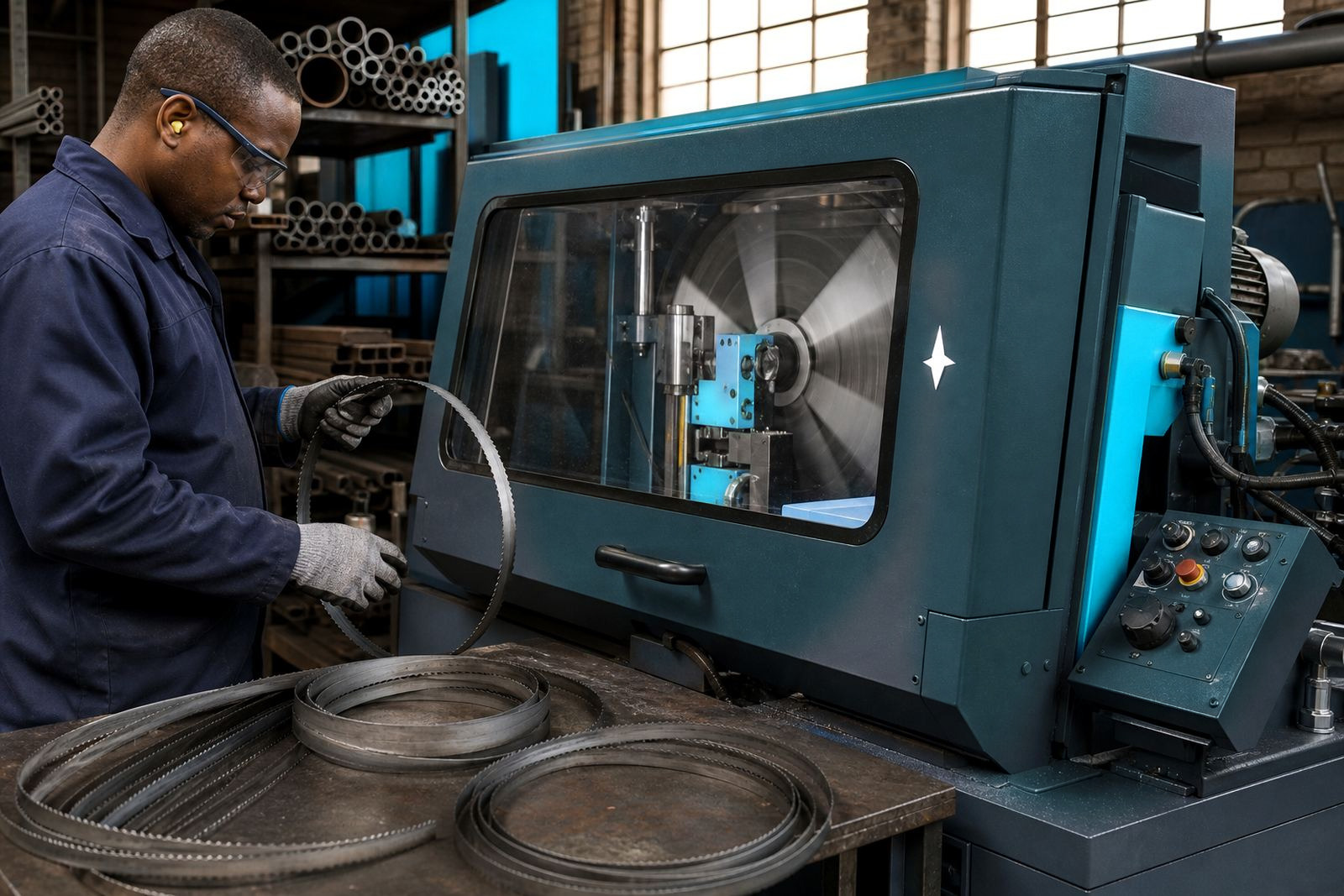
Where carbon steel still makes sense in a workshop
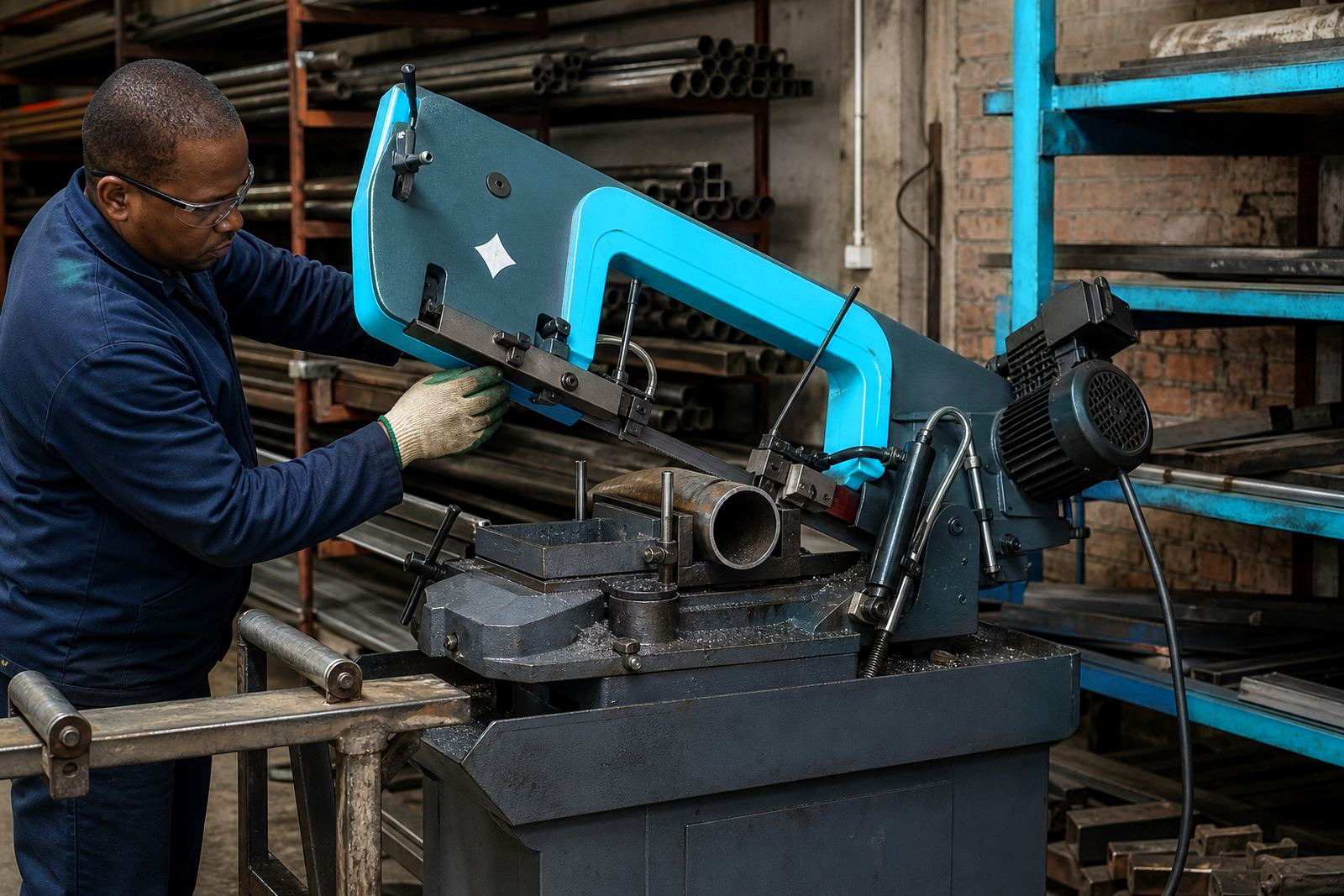
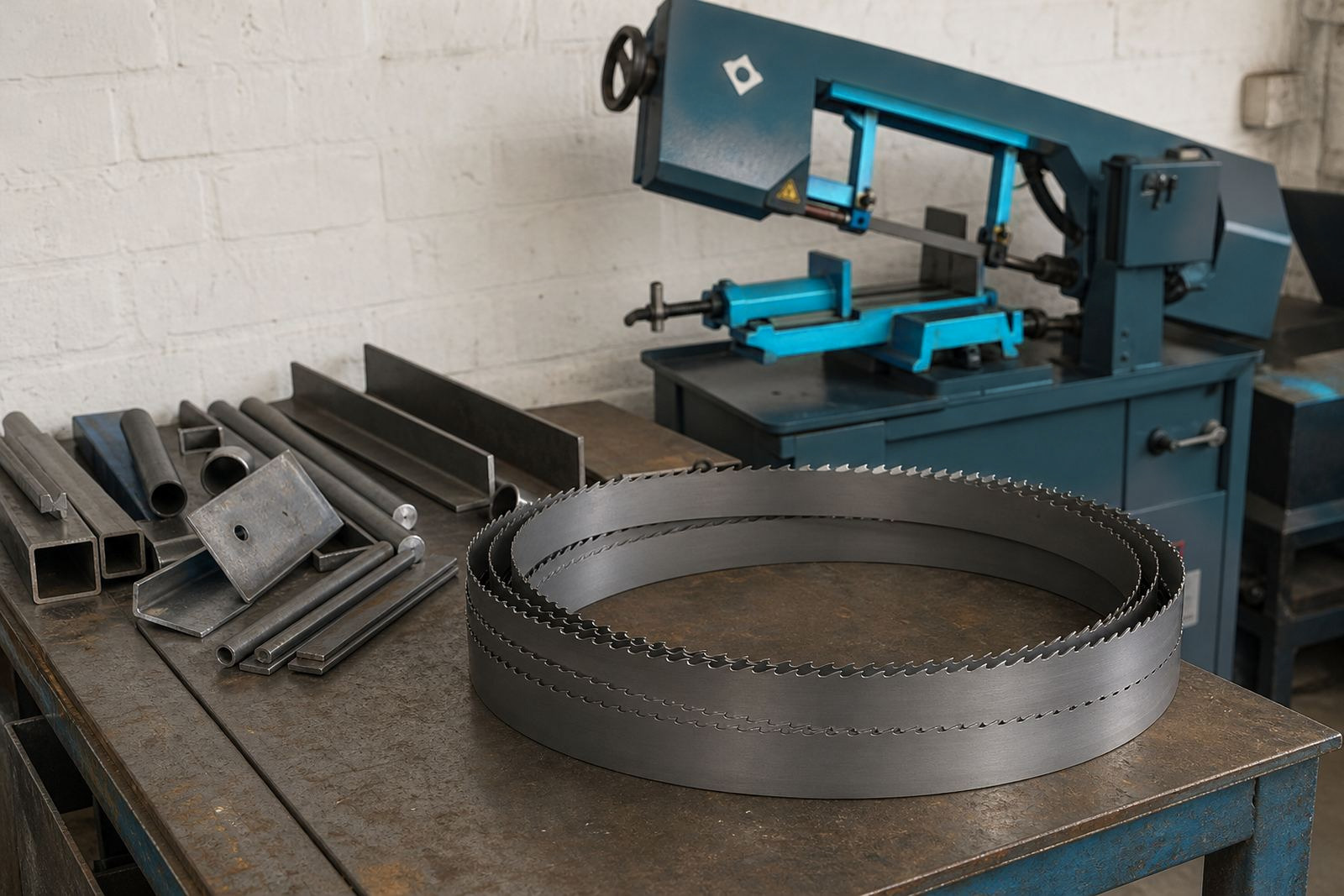
Carbon steel bandsaw and hacksaw blades suit lighter sections, mild steel, aluminium, brass, plastic profiles and general maintenance work. They are often the practical choice where the saw is used for shorter runs, mixed jobs, or manual cutting on a bench machine that does not need the extended edge life of a bi-metal blade.
On cleaner, smaller workpieces, a carbon blade can give a straight cut if the tooth pitch matches the section size and the operator keeps the feed steady. The blade is simpler in construction, so the edge can be economical for shops that cut a range of materials but do not spend every shift on hard stock. In a Durban workshop cutting light angle iron and small tube, that can be enough for the job without paying for more edge life than the work needs.
- Lighter-duty cutting on mild steel and non-ferrous stock
- Manual saws and smaller machines with moderate output
- Shorter cutting runs on a budget rather than long edge life
What changes when you compare carbon and bi-metal
Bi-metal blades carry a harder tooth edge on a more flexible backing strip, so they cope better with tougher materials, interrupted cuts and heat. Carbon steel blades are more uniform through the blade body, which keeps them simple, but they will usually dull sooner when the work gets abrasive or the feed is not controlled.
For a shop in Alberton cutting bundles of thin wall tube, a carbon blade may be perfectly acceptable if the teeth are chosen correctly and the machine is set up well. For stainless, hard section, or production cutting with long duty cycles, bi-metal usually gives more useful life. The real question is what the material, machine and cutting pattern are asking for.
- Carbon blades wear faster on abrasive or hard stock
- Bi-metal handles heat and irregular loading better
- Carbon remains useful where cuts are lighter and fewer
Tooth pitch and section size need to work together
Tooth pitch, often written as TPI, needs to suit the wall thickness and cross section of the material. Too coarse a pitch on thin wall material can cause the blade to grab and chatter. Too fine a pitch on heavy section can pack the gullets with chips and slow the cut down badly.
Variable pitch blades can help when the material size changes often, because they interrupt the regular tooth rhythm and reduce vibration. On a carbon blade, that can make a noticeable difference on mixed workshop work. Tooth selection is one of the first things to check before blaming the machine or the steel.
- Fine pitch for small solid sections and thin wall tube
- Medium pitch for general structural work
- Coarser pitch for larger sections with more chip space
Blade width, thickness and set influence the cut
Blade width affects how well the blade tracks and how tight a curve it can handle. A narrower blade is more forgiving on small machines and hand-fed work, while a wider blade gives better straight cutting on larger saws. Thickness changes blade stiffness and the way the saw loads the teeth.
The tooth set is the slight sideways offset built into the teeth, and it creates the kerf. If the set is wrong for the material or the machine, the blade can rub, bind or wander. For a manual hacksaw blade, that shows up quickly as poor control and a rough finish. On a bandsaw, it can mean drift and extra strain on the drive.
Blade width, thickness and set usually work best when they are matched together. This gets harder on older workshop machines where guides and wheel condition already affect tracking.
Run-in and feed speed affect blade life more than many people admit
A fresh carbon blade should be run in carefully. The first cuts are where the tooth edges settle, and a heavy feed right away can chip the tips before the blade has had a fair chance to seat. A lighter feed at the start helps the cutting edge last longer and keeps the cut more even.
Feed speed should match the material, the tooth pitch and the blade width. If the operator pushes too hard, the teeth overheat and lose edge life. If the feed is too light, the teeth rub instead of cutting, which also shortens service life. On lighter-duty work, a steady hand and a standard blade handle most cuts.
- Start with a gentler feed on new blades
- Keep the cut steady instead of forcing it
- Reduce speed or feed if chips turn fine and hot
Coolant and chip control still protect the edge
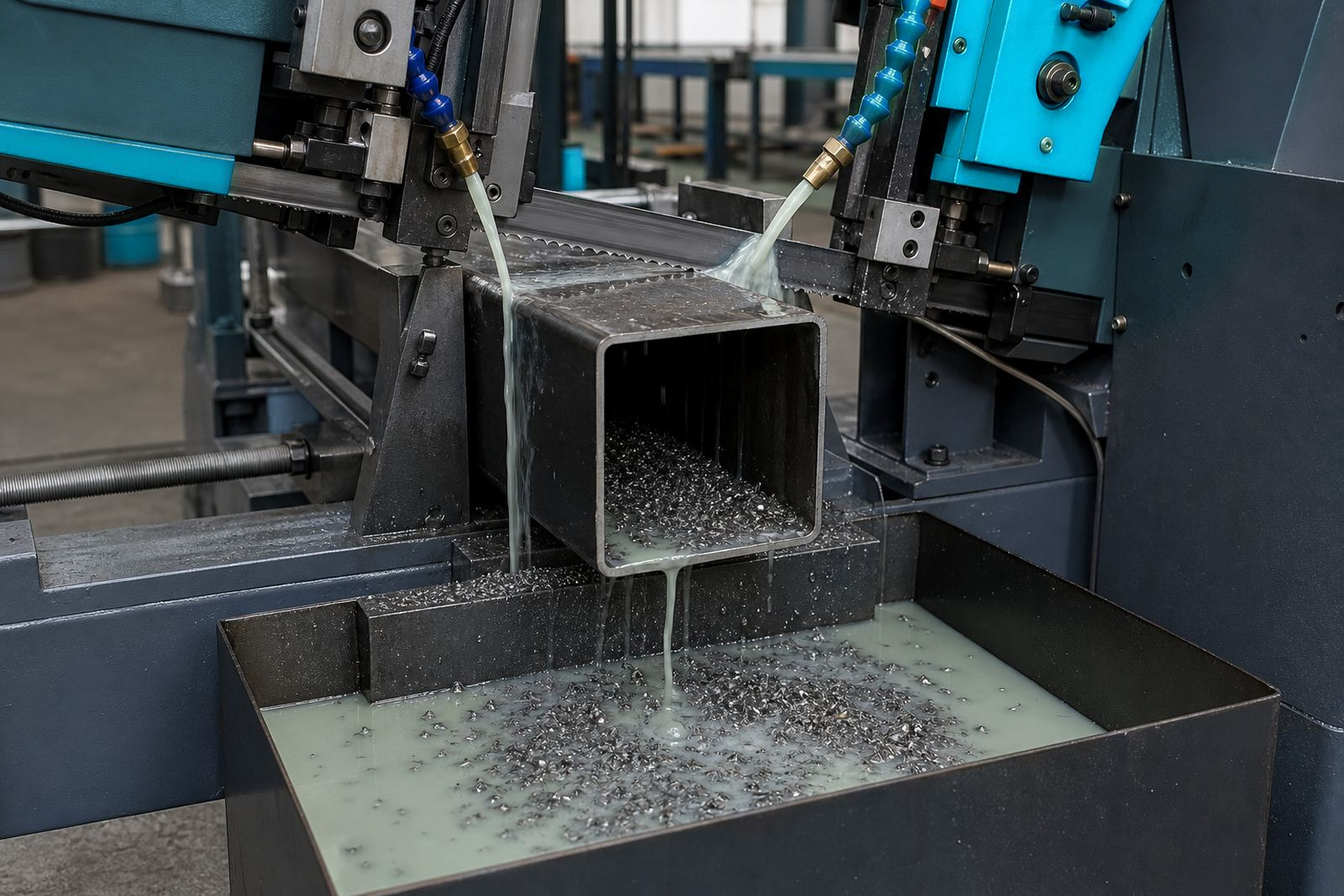
Coolant is for heavy production cutting too. Even on a carbon blade, a proper cutting fluid can reduce heat, improve finish and help move chips away from the teeth. Enclosed sections, bundled stock and jobs where the blade keeps meeting the same hot zone need the same careful approach.
Dry cutting may be acceptable on some lighter manual work, but the blade will usually show more wear if the chips stay in the gullets and the cut runs hot. In coastal towns such as Durban, humidity can also affect storage and surface condition, so keeping blades dry, clean and properly packed helps prevent early rust and poor performance. A small change in coolant use can make the difference between a blade that feels blunt and one that keeps cutting cleanly.