Coastal cutting that needs the right blade first
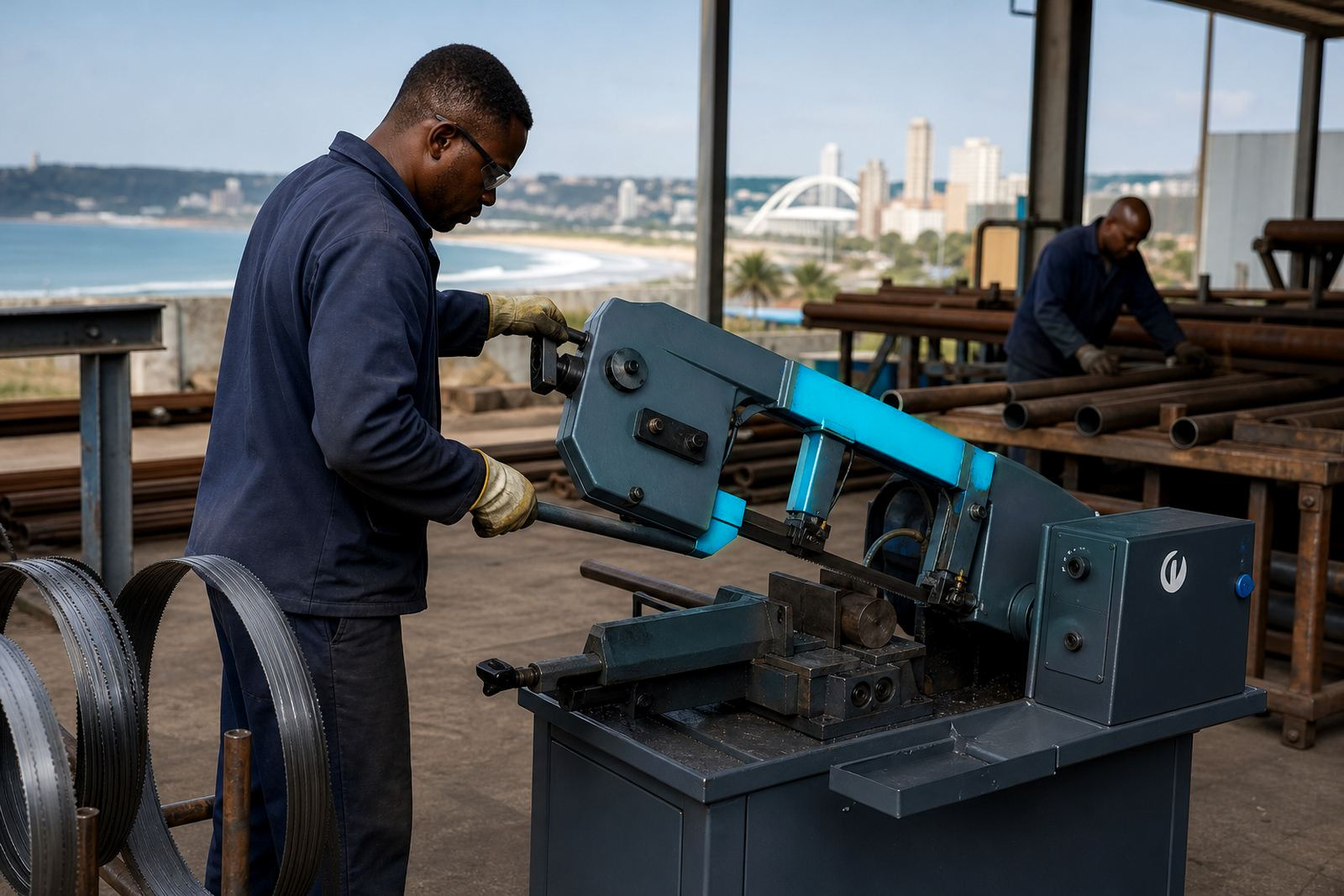
Durban shops often cut light structural steel, pipe, flat bar and maintenance stock in conditions that bring salt air, humidity and dust into the same room. That mix affects blade life, tooth wear and the finish on the cut, so the blade choice has to match the material, the machine and the length of the job.
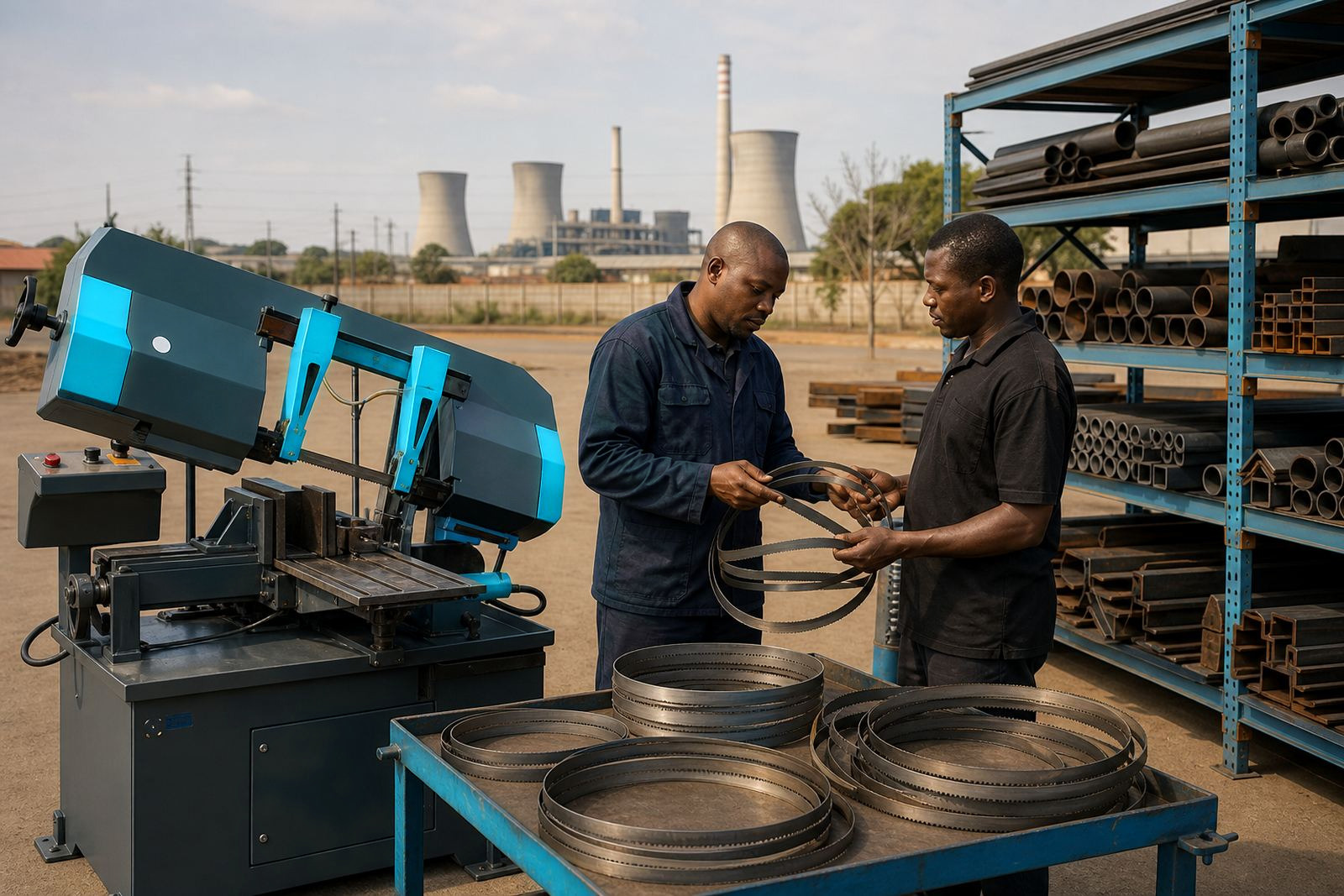
We supply bandsaw blades and hacksaw blades for metalwork, with guidance on bi-metal blades, carbon steel blades, blade width, thickness, set and tooth pitch. For mixed bundles and awkward sections, variable pitch blades can help reduce chatter and keep the cut steadier. When the job moves between mild steel, stainless or heavier wall sections, set the feed rate and blade speed for each one as well as the blade.
Our Durban supply area is set up for workshops that need practical blade support rather than guesswork. If a machine has been running hot, leaving burrs, or drifting off line, the problem may sit in the tooth form, the width, or the run-in process before the blade has even worn out.
What Durban workshops ask for most often
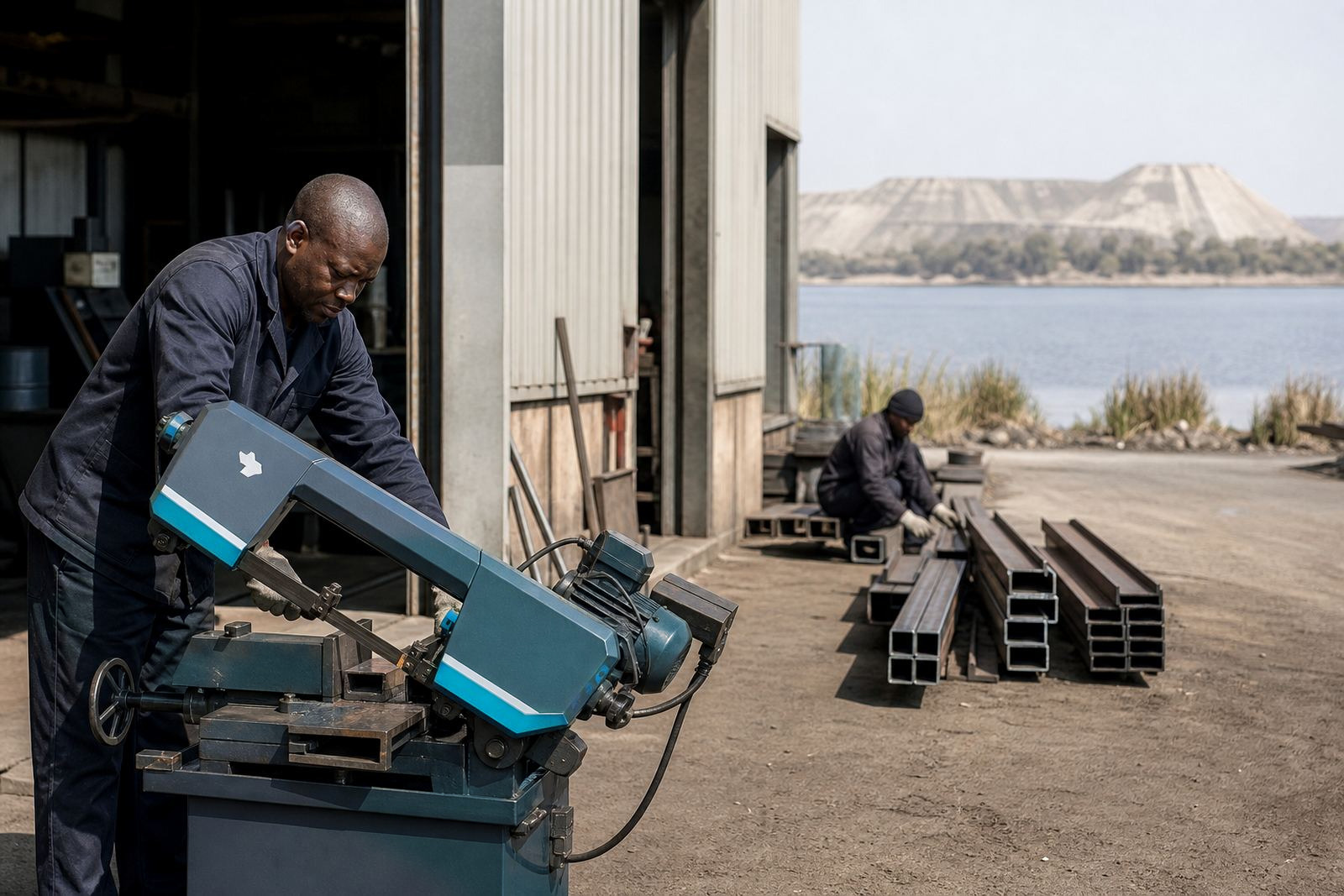
Industrial areas, fabrication shops and maintenance teams around Durban usually want blades that can handle repeat cuts without constant adjustment. That includes short-run jobs, repair work and routine section cutting where a blade must stay accurate through changing sizes and wall thicknesses.
- Bi-metal M42 bandsaw blades for general metal cutting where long tooth life is needed.
- Carbon steel blades for lighter duty work and manual sawing tasks.
- Variable pitch blades for reducing vibration on mixed profiles and bundles.
- Starter kits for small shops setting up a new saw or replacing a tired blade mix.
- Weld-to-length blade service for custom lengths used on specific machines.
- Manual saw support for workshops still using hand-guided cutting frames.
Some Durban clients run one saw all day and others keep a manual saw ready for quick trim work. The blade stock has to cover both habits without forcing a workshop into overbuying sizes it will not use. We help match the pitch, width and thickness to the way the machine actually cuts on the floor.
Blade length, width and pitch that fit the machine
Blade fit is where many cutting problems start. A blade that is too wide for the machine can fight the wheels and strain the cut, while one that is too narrow may wander on heavier sections. Tooth pitch also changes the result, because fine pitch suits smaller solid sections and heavier pitch is better for faster removal on thicker material.
For Durban clients we check the machine type, blade length, wheel size and the stock being cut before recommending a blade format. That includes choosing the right tooth pitch, selecting the blade width, verifying the length and checking machine fit. If a workshop is cutting a mix of tube and solid bar, the tooth pattern may need a variable pattern that copes better with changing cross sections.
We also look at set and run-in guidance, because a new blade needs to settle before it is pushed hard. A rushed start can damage the tooth line early, especially where the feed is heavy or the coolant is weak.
Support for feed, speed and coolant checks
Cut quality is rarely only about the blade. Feed speed advice and blade speed settings can reduce tooth stripping, heat build-up and crooked cuts. In coastal Durban, humidity and daily temperature swings can also affect storage and machine care, so handle the blade cleanly before it even goes on the saw.
Coolant checks are part of the service where the machine uses liquid cooling. If the flow is weak, dirty or poorly aimed at the cut, the blade will work harder than it should. We also review blade failure signs such as tooth rounding, back edge cracking, crooked tracking and repeated break points near the weld.
- Run-in Guidance for new blades on fresh or repaired machines.
- Feed Speed Advice where cuts are slow, hot or heavily burred.
- Coolant Checks for wet-cut machines in regular production.
- Blade Failure Review when the same fault keeps appearing.
- Machine Fit Check where the saw has been changed or moved.
Weld-to-length service for the Durban supply area
Our weld-to-length blade service makes blades to the exact size each saw needs. Length verification is important on these jobs because a small mismatch can affect tracking, tension and blade life. This applies across Durban, from the harbour side and industrial pockets through to inland fabrication yards.
We also help with stock standardisation for workshops that want fewer blade sizes on hand. That can make ordering simpler and reduce the risk of mixing incompatible lengths or pitches in the same store room. For many local teams, that means a cleaner shelf, less confusion at changeover and better use of the machines already in place.
When a site runs several saws, one office may need a standard mix of bi-metal and carbon blades with different pitches and widths.
Typical Durban jobs and the teams behind them
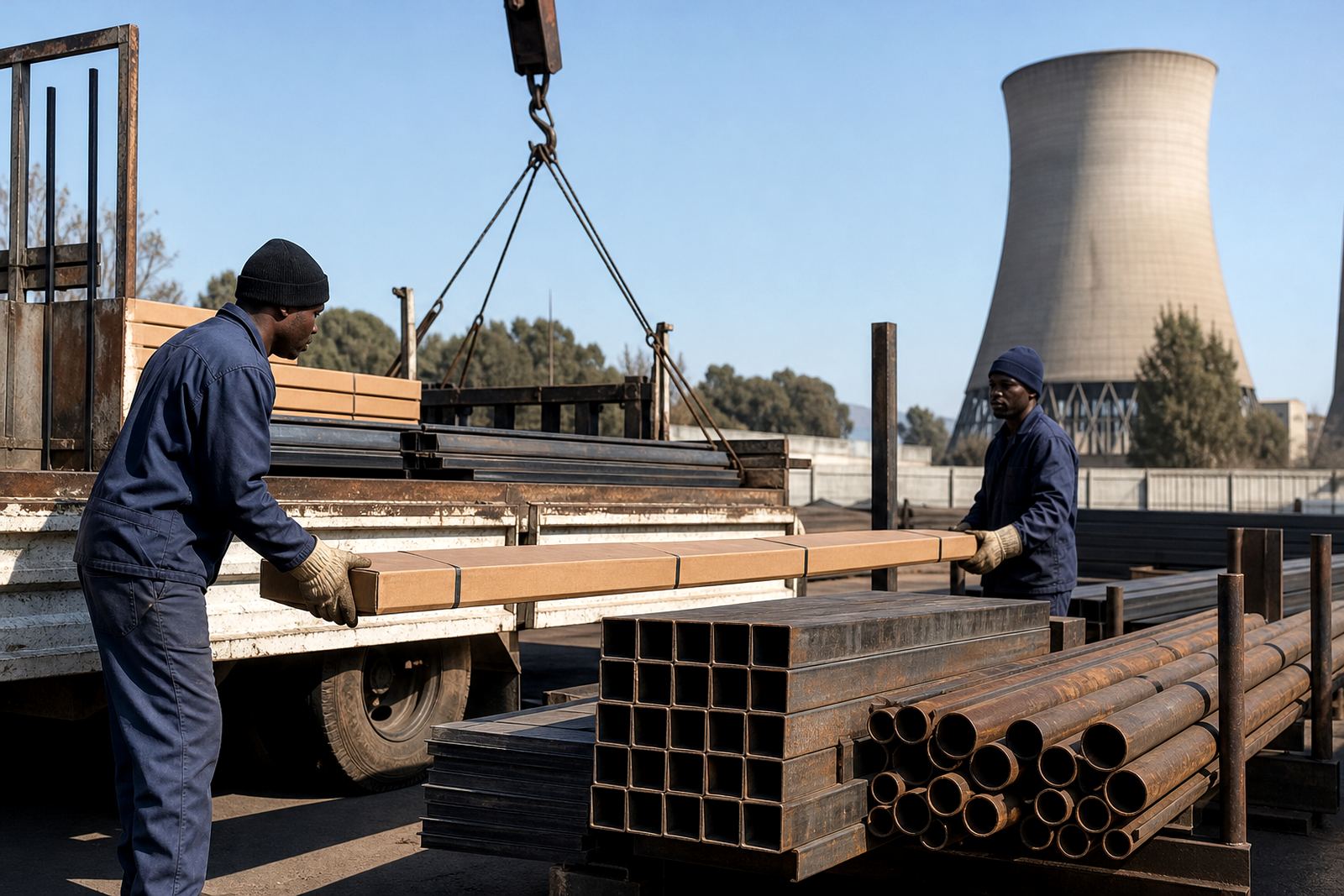
Durban supply work often goes to fabricators, repair workshops, engineering yards, maintenance teams and smaller metal stock rooms. The cut list may include tubing, sections, plate trim, brackets and support pieces, with each material asking for a slightly different tooth pattern and blade feel. A single workshop can move from light gauge work in the morning to heavier section cutting later in the day.
MoreCut Saws is based in Alrode, Alberton and supports the Durban area with blade guidance and weld-to-length supply for metalwork. The team includes Sibusiso Dawood, Anika Nortje, Pieter Moonsamy, Lerato Zungu, Themba Chetty and Chanel Jacobs, each handling a part of the cutting and service process. That mix helps when a workshop needs a practical answer on width, pitch, fit or run-in for metalwork.
We work with the machine type, the material list and the cut pattern so the blade matches the job.