

Blade choices for real metalwork
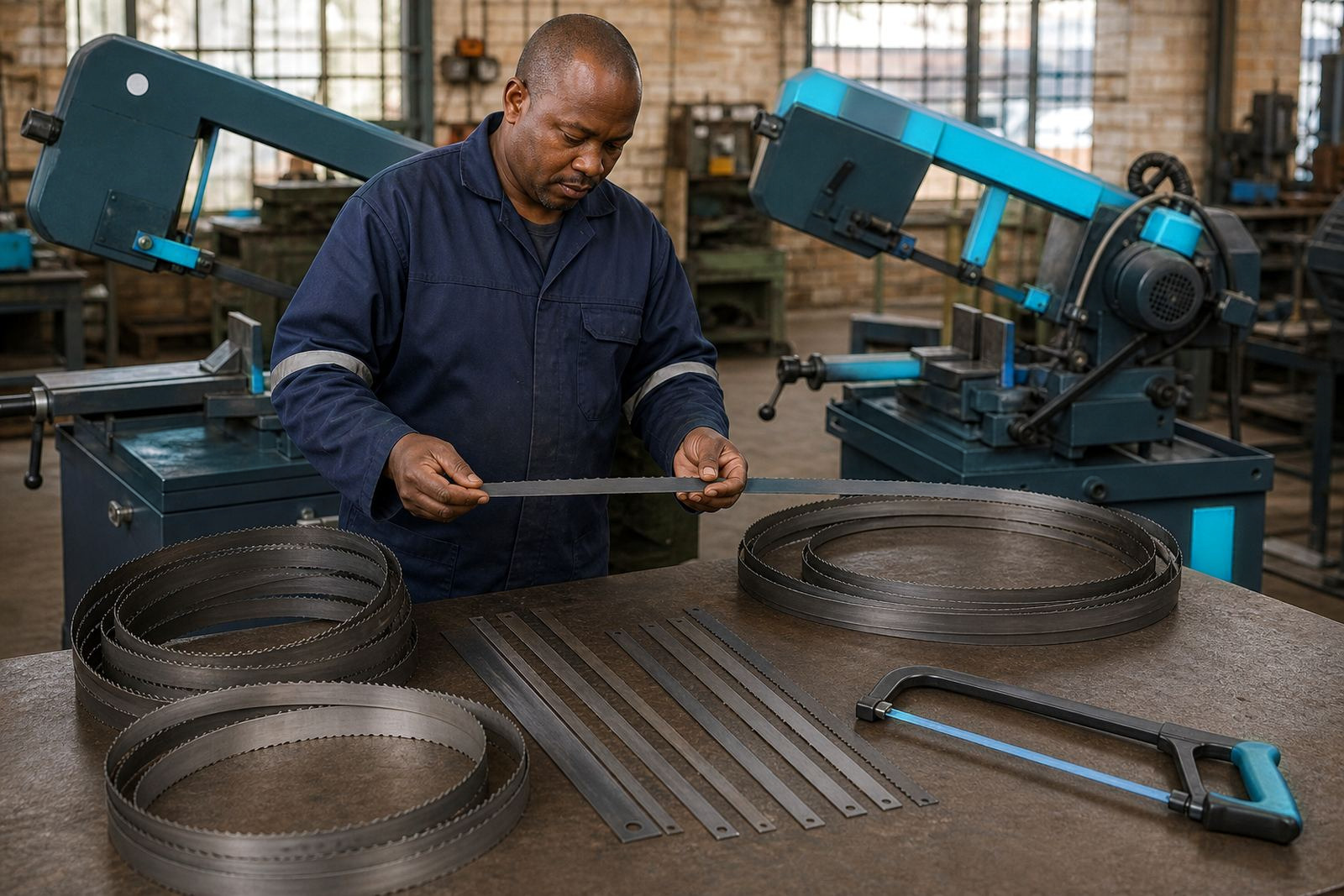
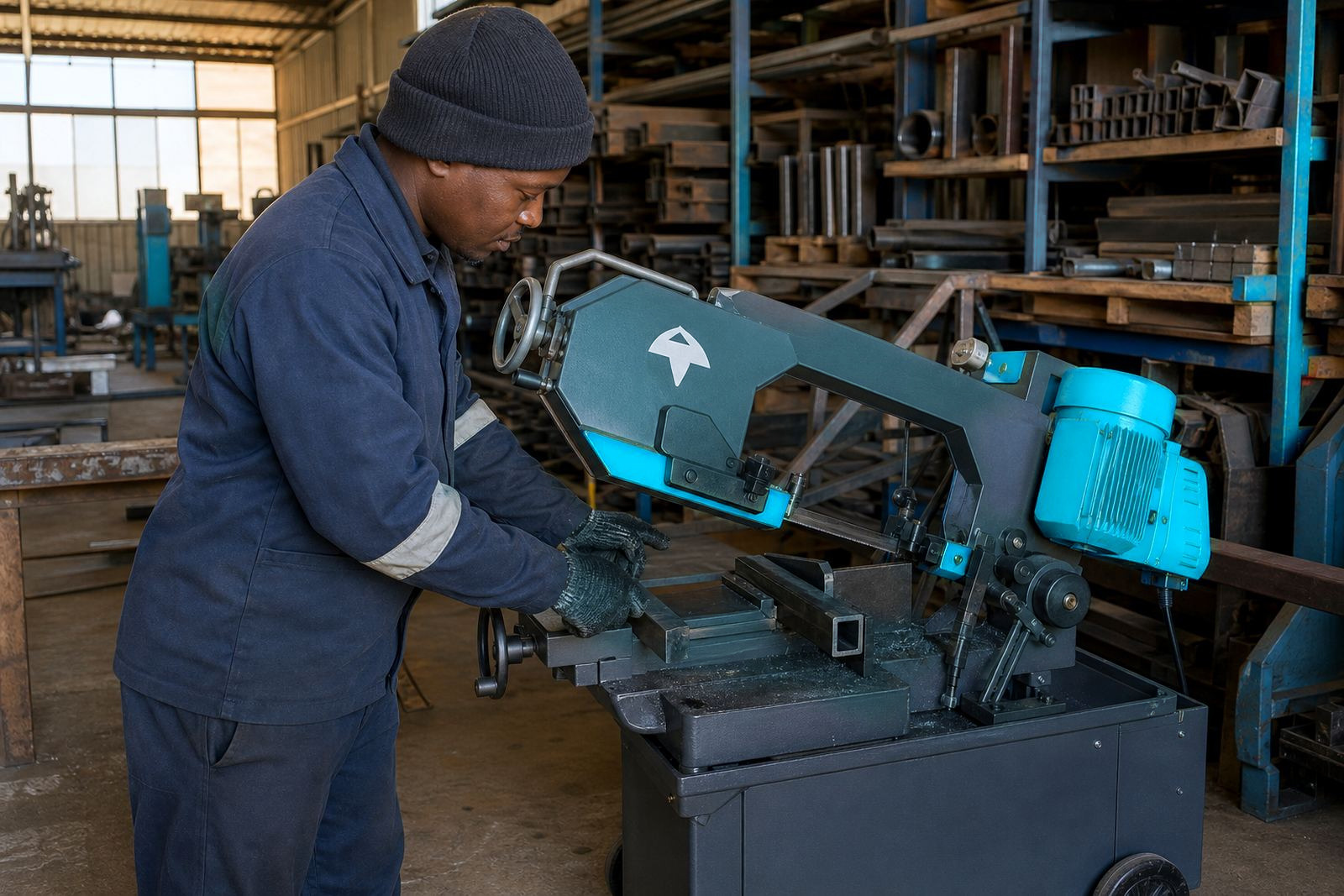
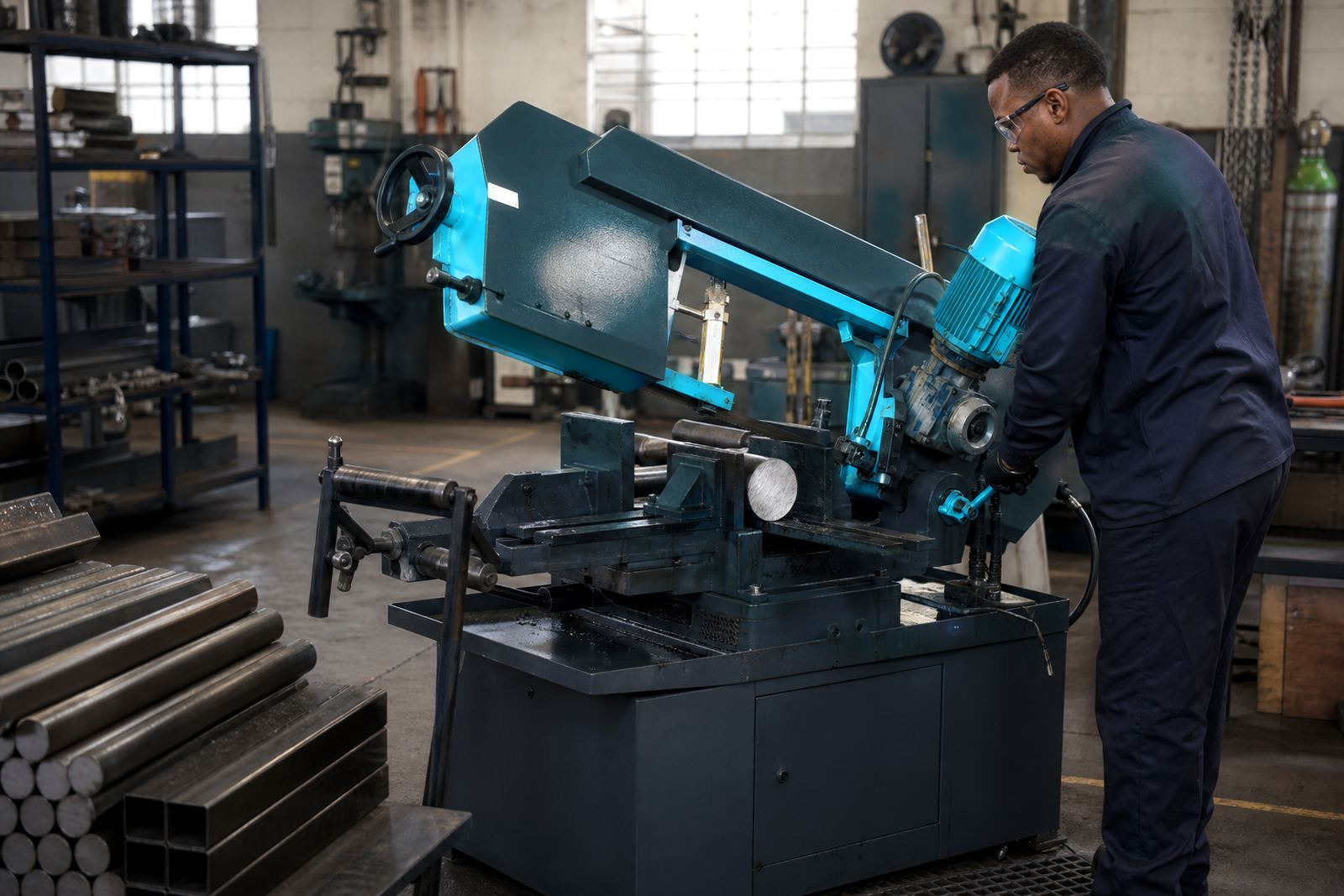
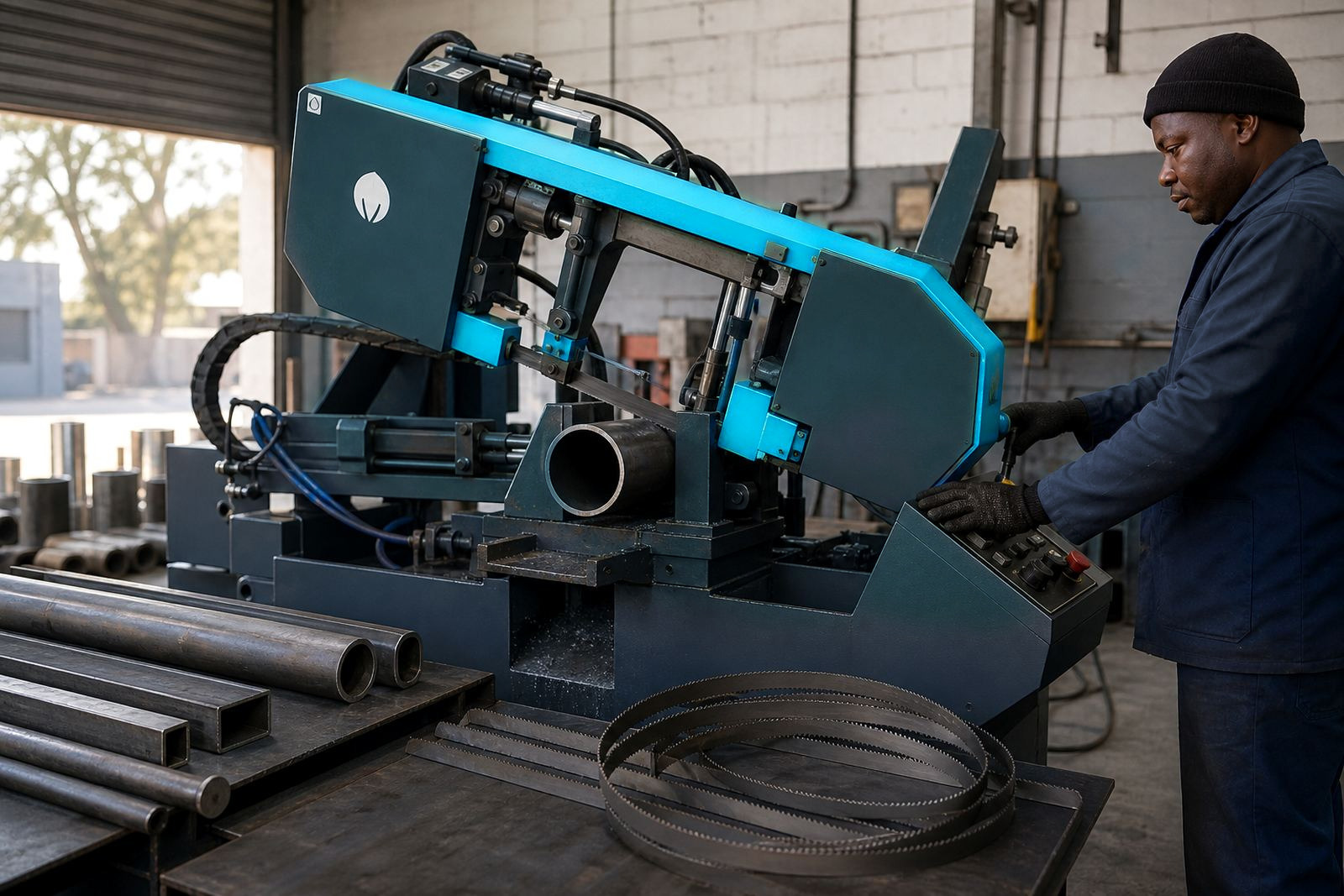
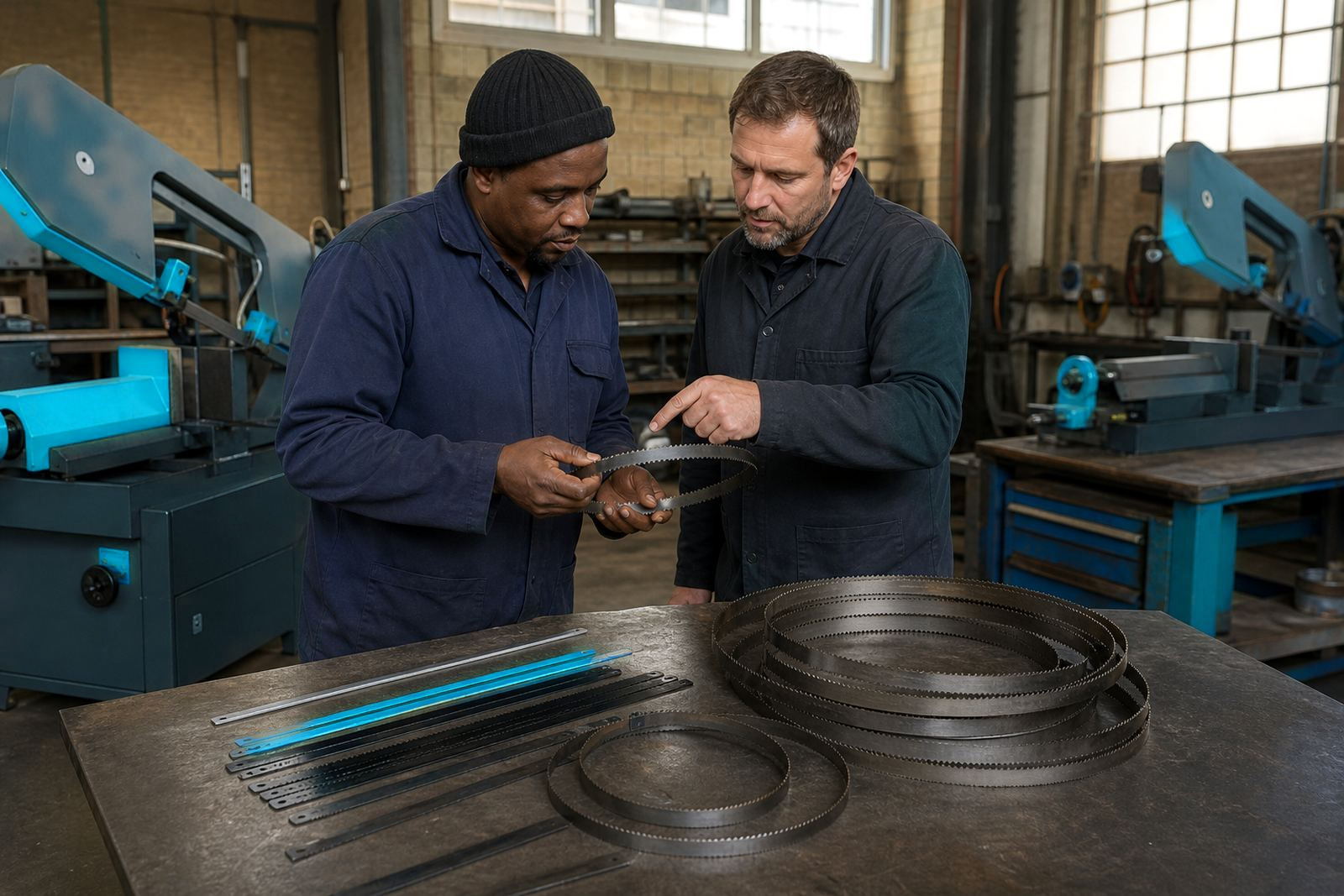
Bandsaw and hacksaw work ask different things from a blade, so choose the right starting point. Bi-metal M42 suits tougher cutting where teeth need good wear resistance, while carbon steel is often used for lighter duty work and manual saws. The metal thickness, section shape and batch size all affect the right choice.
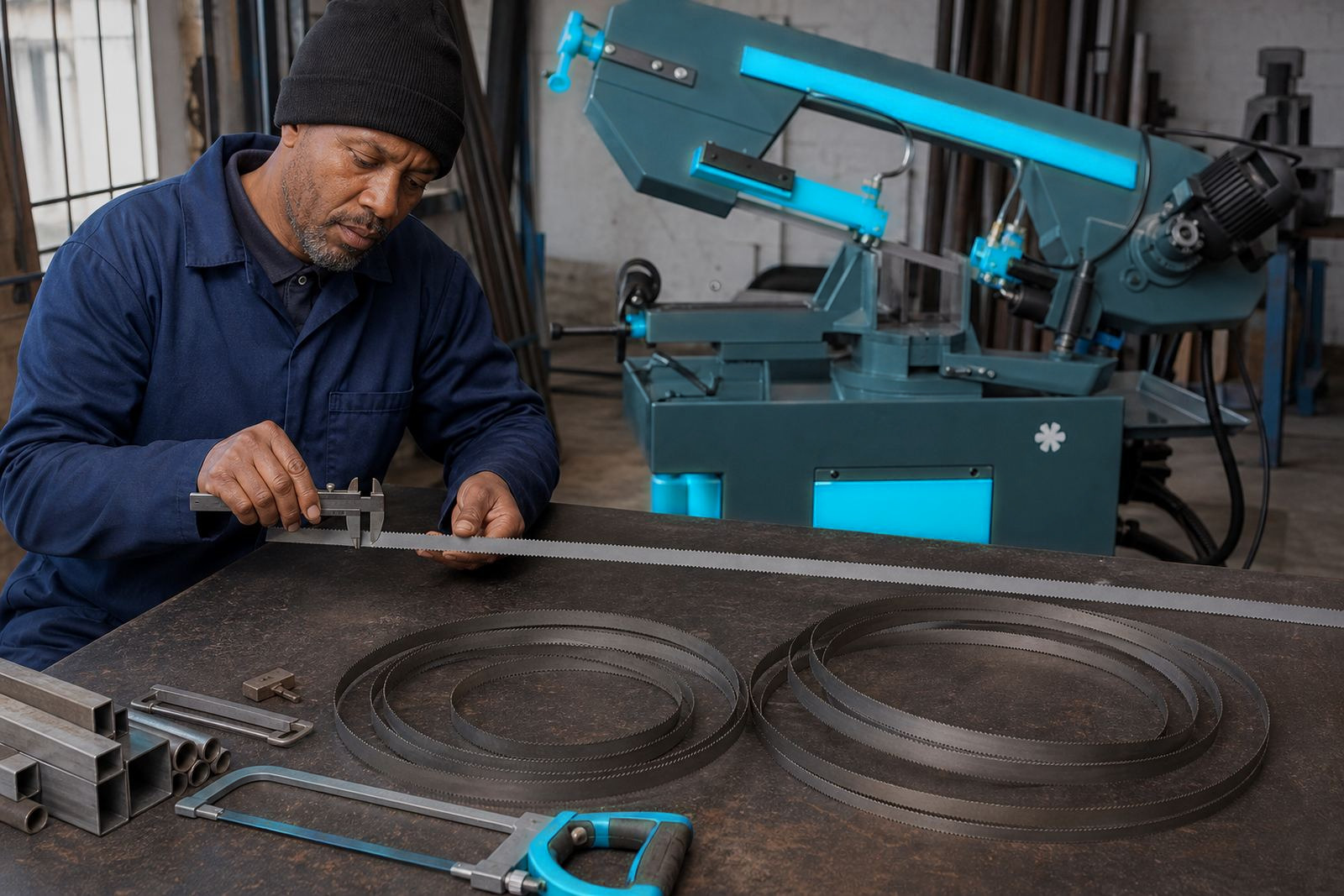
We look at tooth pitch in TPI, blade width, blade thickness and tooth set before anything is cut. A fine pitch may suit thin wall sections, while a coarser pattern can clear chips more effectively on heavier stock. If the pitch is wrong the blade chatters, rubs or loads up faster than it should.
Length, fit and machine checks
A blade that is the wrong length or poorly joined wastes time and strains the machine. We help match the blade to the saw in use, and our size check gives a second look where older blades have stretched, been trimmed, or were supplied without a proper check.
- Weld-to-length for bandsaw loops
- Length verification against the machine requirement
- Machine fit check for wheel size and tracking
- Manual saw support for hand operated frames
Run-in, feed and speed notes
A good cut comes from more than the blade alone. Run-in guidance helps a fresh blade settle before it sees full feed pressure, and feed speed advice is important when stainless, mild steel or solid bar behave differently. Too much force can strip teeth, while too little can polish the blade and slow progress.
We also look at coolant checks where the saw depends on fluid to carry heat away and clear fines. In Durban humidity or on long cutting shifts, heat and swarf build-up can shorten blade life if the setup is neglected.
Starter kits and standard blades
Starter kits suit workshops that want a practical base pack rather than guessing at each order. They can include common widths, tooth pitches and a small spread of blade types for first installs, short runs and routine replacement work. So the shop keeps moving without stocking every possible size.
- Starter kit planning for new saw users
- Stock standardisation across similar machines
- Blade width selection for the cut section
- Tooth pitch selection for mixed materials
Troubleshooting after a failed cut
When a blade breaks, wanders or leaves a rough edge, the fault may lie in the pitch, set, tracking, tension, coolant flow or feed pattern used at the machine. A blade that is too narrow may twist, while one that is too wide can fight the guides if the saw is not set up for it.
To suit the job, we check whether the teeth match. A poor match between blade and material often shows up as stripped teeth, a crooked cut or a finish that needs extra grinding. Small setup errors can waste stock quickly, so the details need careful attention.
Talk to the Alrode team
Our base in Alrode, Alberton supports workshops across Gauteng, KwaZulu-Natal and the Western Cape, including Johannesburg, Pretoria, Vereeniging, Germiston, Boksburg, Durban and Cape Town supply areas. Bandsaw and hacksaw users who cut metal every day get blade selection help, weld-to-length service and practical support from MoreCut Saws.
The team includes Sibusiso Dawood, Anika Nortje, Pieter Moonsamy, Lerato Zungu, Themba Chetty and Chanel Jacobs.