Johannesburg workshops that need blades matched to the job
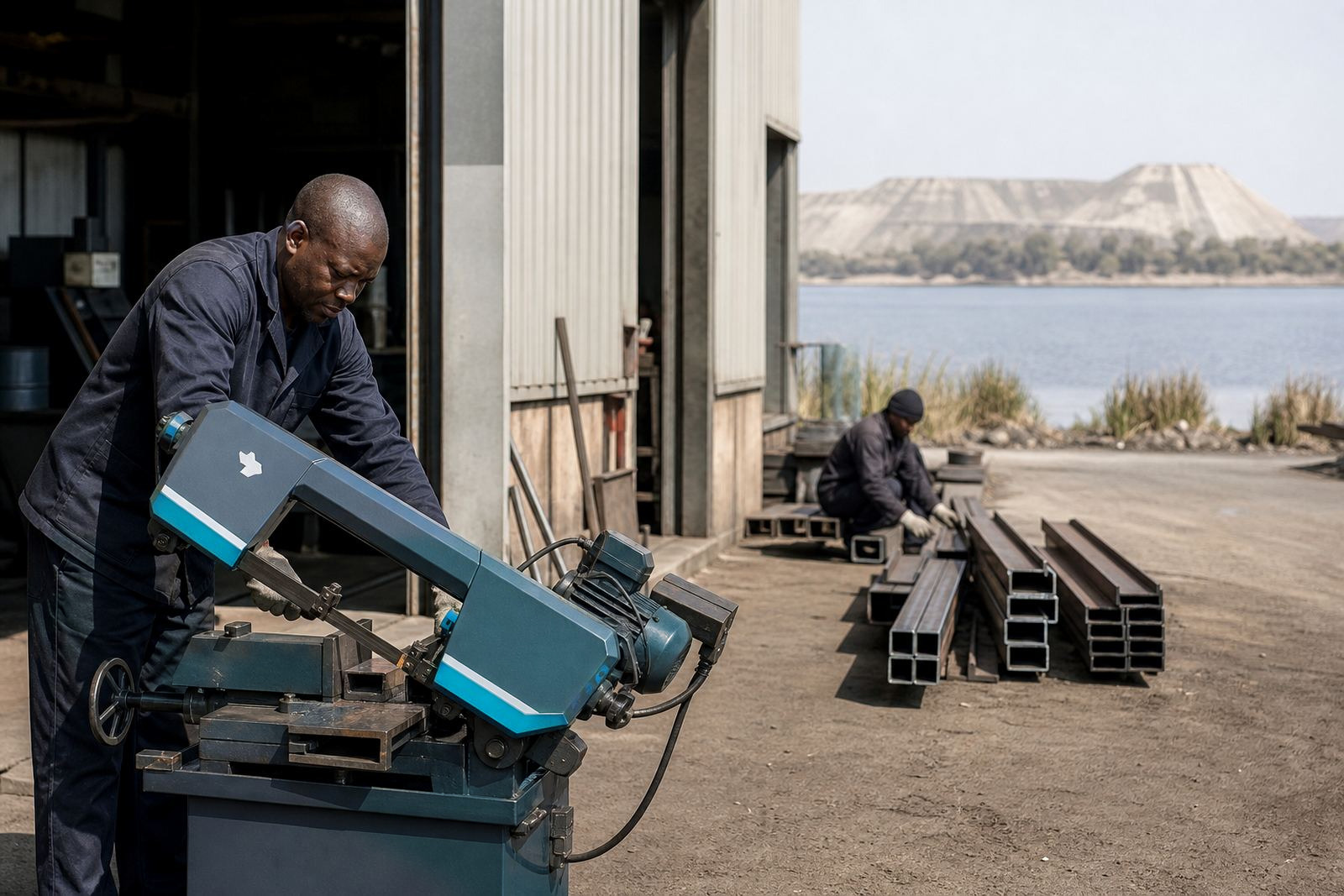
Johannesburg work is rarely gentle on cutting tools. Fabrication shops in Mayfair, steel yards around industrial nodes, maintenance teams in the south and contract crews working across the city often need blades that can handle mixed batches, offcuts and uneven stock without wasting material. Blade choice and blade supply both count there.
We support workshop customers across Johannesburg with bandsaw blades and hacksaw blades for general metalwork, repair work and production cutting. The focus is practical selection: the metal type, section size, wall thickness, machine condition and the cut finish you need. A blade that suits a bundle of small tube will not behave the same way on solid bar and plate, so the spec needs to match the job and the saw.
Our Johannesburg Supply area covers regular enquiries from fabrication shops, engineering teams, repair counters, metal stockholders and small industrial workshops that want consistent cutting performance.
Blade stock for mixed steel, tube and section work
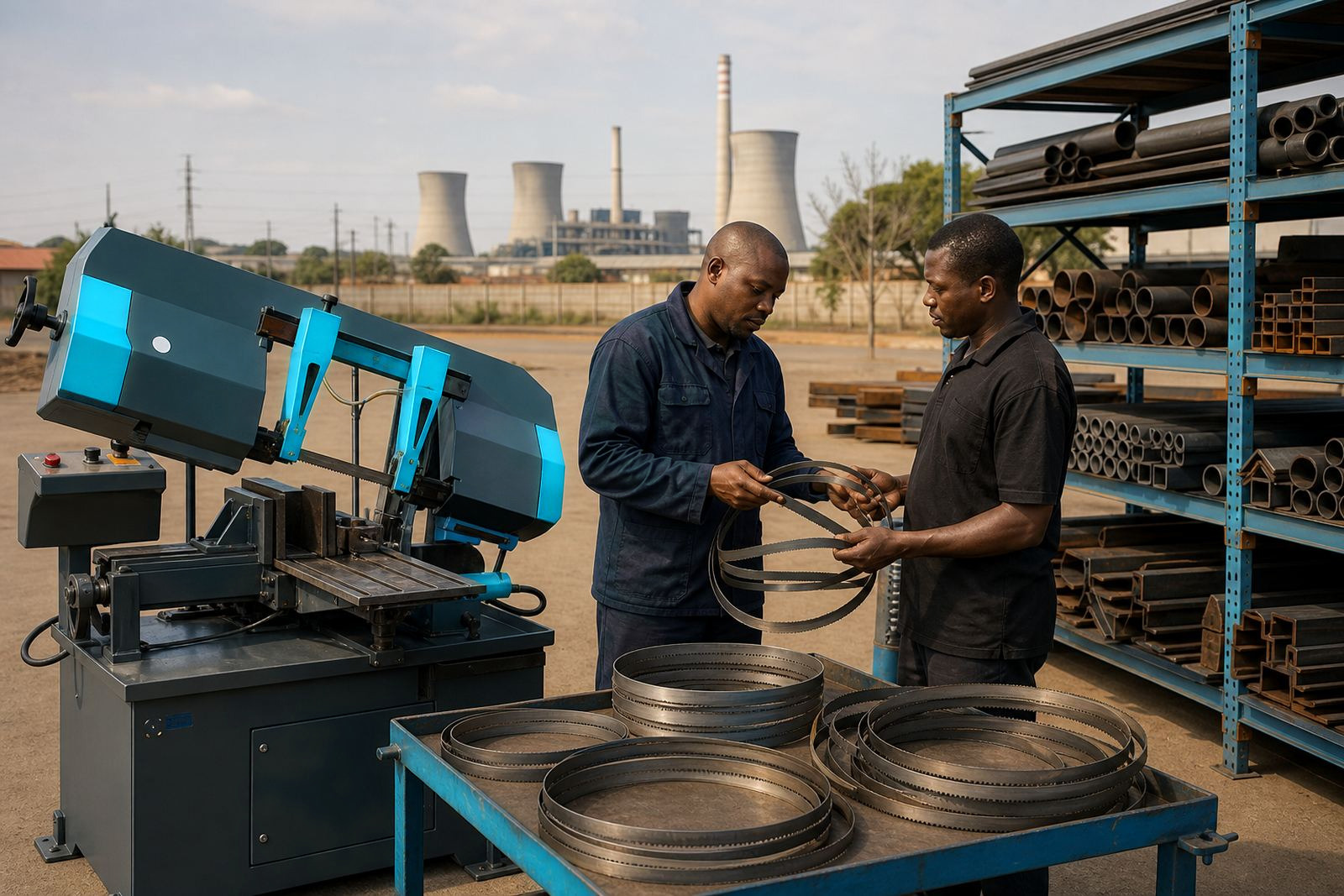
We cover the blade types commonly used in Johannesburg metalwork: bi-metal bandsaw blades with hard tooth tips for longer service on steel, carbon steel blades for lighter duties and manual sawing, and hacksaw blades for hand-held or machine-mounted cutting. Choose based on what is being cut, how often the saw runs and how clean the finish must be.
We also help with starter kits where a workshop needs a sensible first set of blade options instead of one generic size. That usually means matching a few blade widths, tooth pitches and lengths to the machines already on site. For regular users, stock standardisation can reduce the mix of blade sizes on the shelf and make reordering simpler.
- Bi-metal blades for general workshop cutting and repetitive use
- Carbon steel blades for lighter work and manual saw support
- Starter kits for shops setting up a basic blade range
- Weld-to-length service for bandsaw blades cut to the machine size
How tooth pitch, width and thickness change the cut
We check tooth pitch early on. Fine pitch blades suit small solid sections, thin wall tube and bundles with fewer teeth in the cut, while coarser pitches suit thicker sections and larger solid material. Variable pitch blades can help reduce chatter on awkward profiles and mixed stock, especially where the cut starts cleanly but the load changes through the section.
We also look at blade width and thickness. A wider blade offers better tracking on straighter cuts and larger machines, while a narrower blade is often easier to work with on smaller equipment or tighter profiles. Thickness affects flexibility and blade life, so the machine, guides and cut type all have a say in what should be fitted.
We also look at set, which influences how the teeth clear the cut and how much heat builds up during work. If the blade is too aggressive for the machine or material, the saw can wander, leave a rough edge or wear teeth unevenly. Blade spec needs to fit the job as a whole and the saw size on the plate.
Run-in, feed speed and coolant on busy shop floors
Good cutting starts before the blade is fully worked in. A run-in period helps the teeth settle and can extend useful blade life, especially on bi-metal blades used on everyday steel stock. Feed should stay sensible and the first cuts steady while the teeth bed into the material.
Feed and speed are just as important. Too much feed can strip teeth or twist the cut line. Too little feed can cause rubbing and heat, which shortens blade life and leaves a poor finish. Many metal cutting jobs need coolant, especially where the blade is working hard, the stock is thick or the workshop runs long cutting periods. A proper coolant check helps control heat and flush swarf away from the cut.
- Run-in guidance for new or freshly welded blades
- Feed speed advice for hard, soft and mixed materials
- Coolant checks where the machine uses a circulating system
- Blade failure review for chipped teeth, cracks or wandering cuts
Weld-to-length and length checks for Johannesburg machines
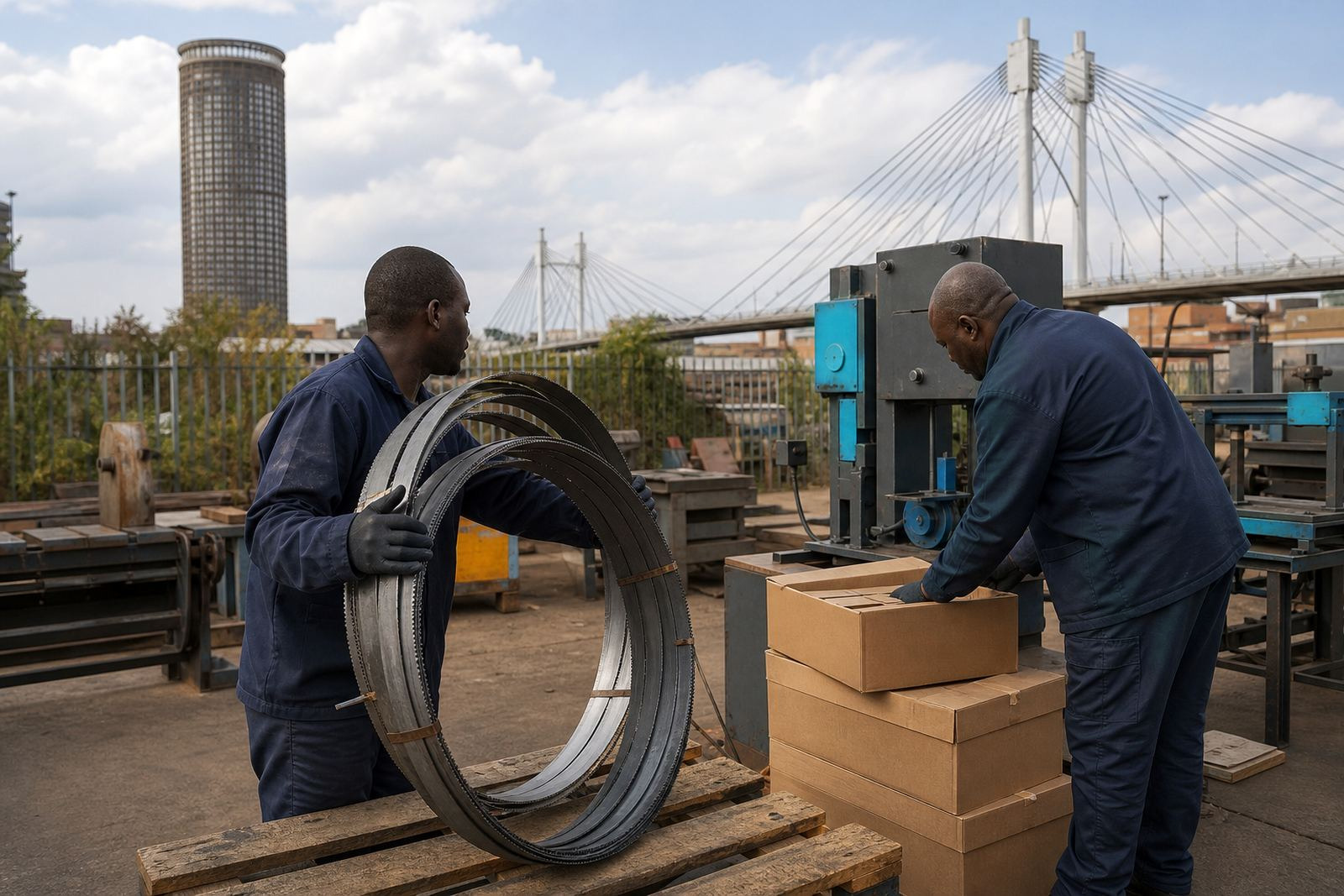
Many Johannesburg workshops keep a few saws in service, and not every blade length is a straight replacement. Our weld-to-length service helps match the blade to the machine, whether the saw is a workshop bandsaw, a horizontal machine or a manual setup that needs a specific loop size. Length verification is part of the process, because a blade that is a few millimetres out can be awkward to fit or poor in service.
Machine fit check support is useful where a saw has been repaired, moved, or fitted with new guides. The blade needs to suit the wheel size, guide arrangement and cutting direction so the saw tracks properly. If the machine is running on older frames or mixed workshop equipment, a quick check of the actual dimensions can prevent the wrong blade from being fitted.
For Johannesburg customers with regular cutting patterns, we can also help plan a small, practical blade stock so the common sizes are on hand and the machine does not sit waiting for the right loop or pitch.
Local conditions around Johannesburg that affect blade life
Johannesburg workshops work in dry air for much of the year, but the city’s industrial yards still deal with dust, fine grit and metal swarf. Those conditions can affect blade guides, coolant cleanliness and the cut edge if the machine is not kept tidy. In older premises, a blade can be damaged by poor alignment or by stock that arrives with scale, rust or inconsistent wall thickness.
Jobs across the city often involve mild steel, angle, flat bar, pipe, hollow section and repair material that has already seen service. That means the blade often moves between new stock and worn stock in the same week. A sensible pitch choice and a close look at feed speed helps the blade cope with that variety without being pushed too hard.
We support customers from Johannesburg, Germiston, Boksburg and nearby industrial areas through the same supply area, with the branch team handling blade selection, weld-to-length orders and stock planning for busy metalwork benches.
How enquiries move through the Johannesburg supply area
The more detail that is included, the easier it is to match the blade to the work, whether the requirement is for a single loop, a starter kit or a regular workshop pattern.
Our team includes Sibusiso Dawood, Anika Nortje, Pieter Moonsamy, Lerato Zungu, Themba Chetty and Chanel Jacobs, with each person covering a different part of the blade process from technical support to welding, operations and customer service. That mix helps when a job needs a blade choice, a fit check and a practical view of how the saw is being used.
Johannesburg customers who cut metal every day usually want a blade that does not need constant second-guessing. The job is to match the blade to the material, the machine and the pace of work, then keep the supply side steady enough for the workshop to carry on with the cut list.
- Tooth pitch selection for solid sections, tube and mixed bundles
- Blade width selection for straighter cuts or tighter machine setups
- Weld-to-length service for machine-specific blade loops
- Manual saw support for hand cutting and smaller repair jobs