Built for light section work and thin wall cuts
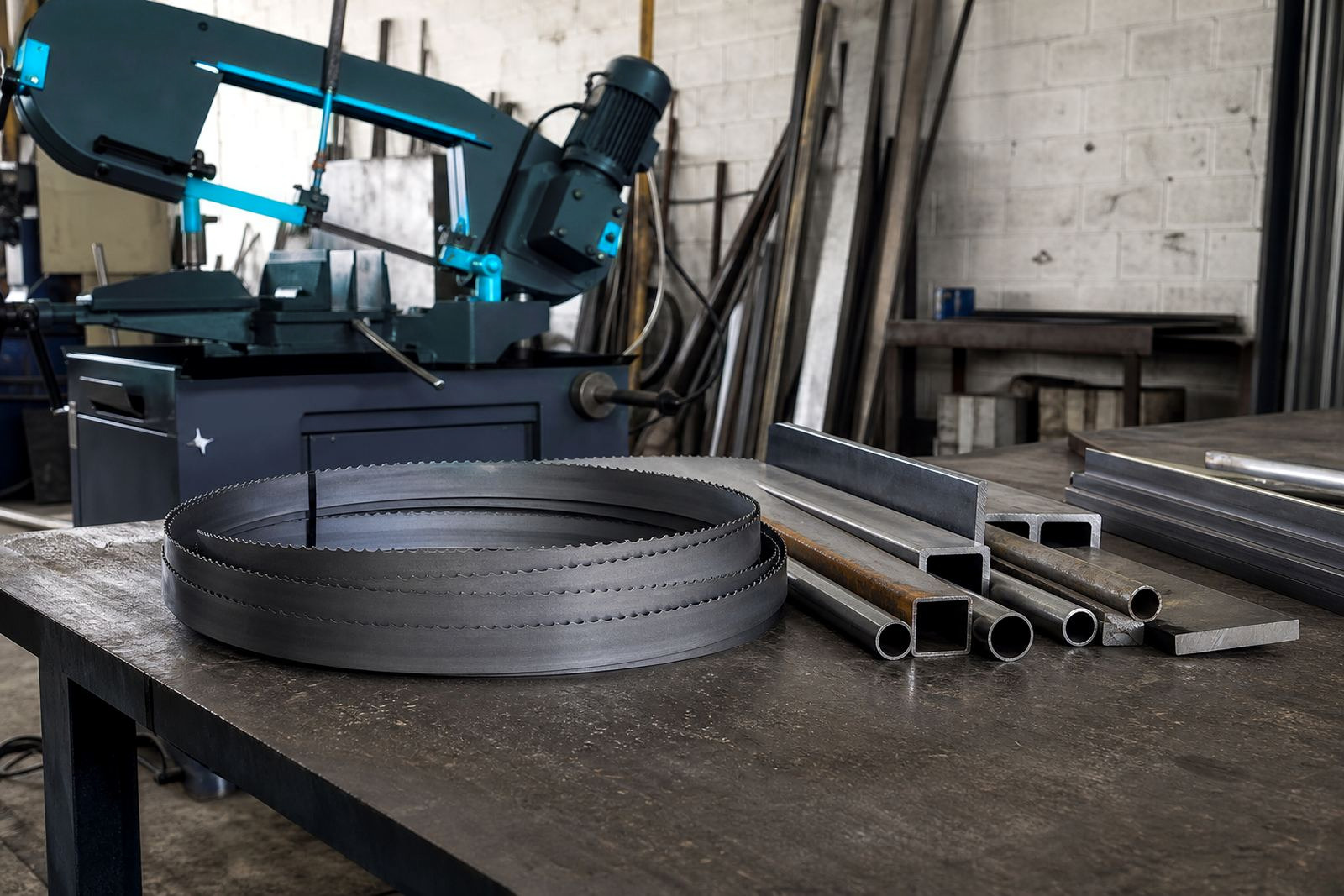
M42 Thin Wall is a bi-metal bandsaw blade made for smaller cross sections, lighter wall tube and packed bundles that need a fine tooth line rather than an aggressive bite. The tooth edge uses a hard high-speed steel cutting edge on a flexible backer, so the blade can take regular shop use while holding an even cut through repeated runs.
This grade suits stainless, mild steel and general metalwork where the section height is modest and the wall thickness is light. In practice it is often chosen for conduit, square and round tube, light box section, angle iron, sheet packs and short cut lengths where coarse pitch teeth would snag or leave an uneven finish.
- Bi-metal construction with M42 cutting edge
- Fine pitch for thin-wall and smaller profiles
- Better tooth control on bundles and light sections
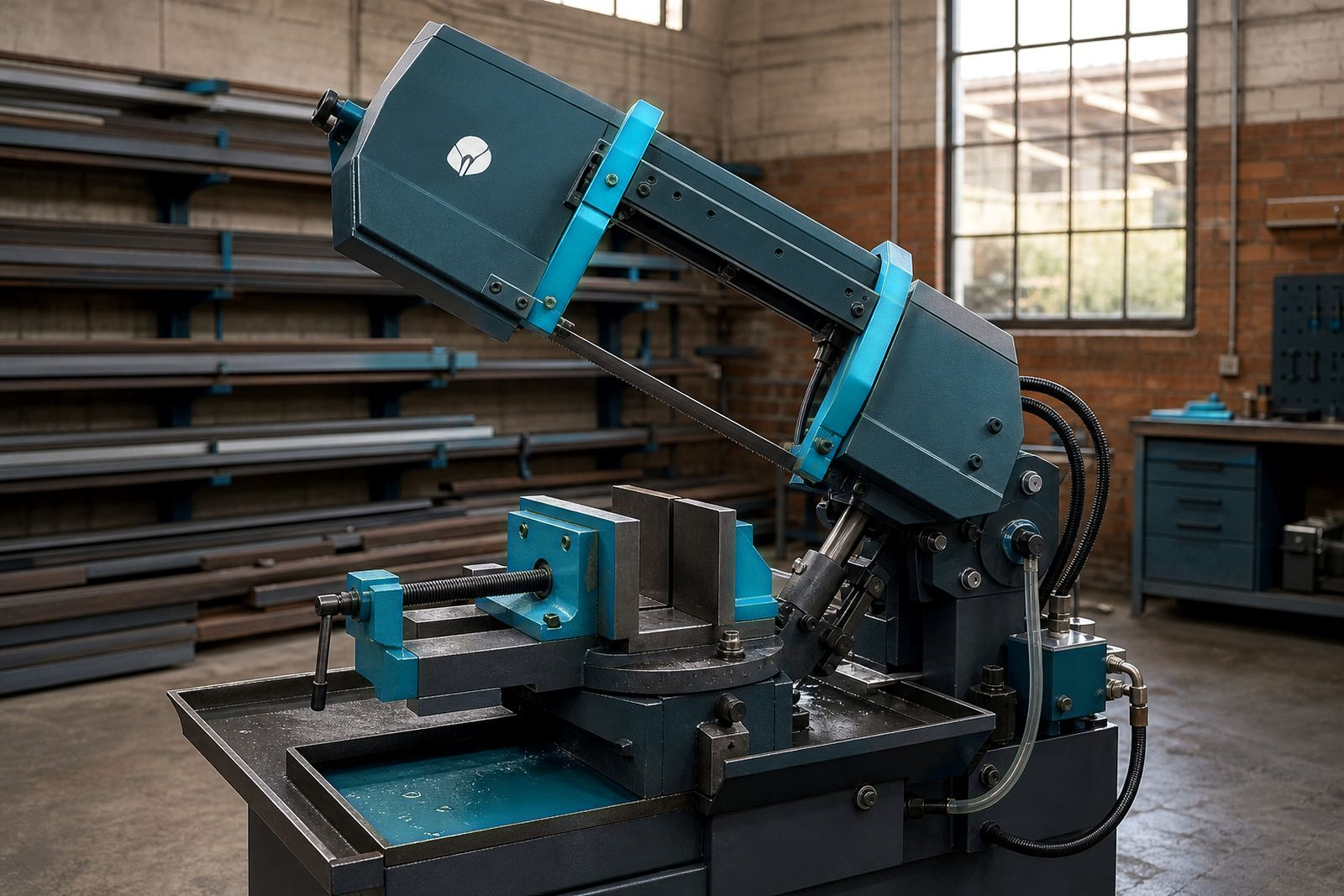
- Works with standard horizontal bandsaw setups
Pitch, width and thickness that match the machine
The right blade starts with tooth count. M42 Thin Wall is usually specified by tooth pitch, blade width and blade thickness, and those three items need to suit both the machine guides and the section being sawn. On finer work, a narrow to medium width blade can track neatly through smaller vice openings, while a heavier machine may take a wider blade for straighter travel on longer runs.
Typical fine pitch choices for this type of blade are in the lower TPI range, often with variable pitch where the tooth spacing changes across the run. That helps reduce chatter on mixed bundle work and can improve chip breaking when the wall thickness is uneven. Width and thickness must still match the saw wheels, guide blocks and machine limits, otherwise the blade can wander or wear unevenly.
- Fine TPI for thin wall and small section profiles
- Variable pitch available for mixed cuts and bundle work
- Blade width must suit guide and wheel capacity
- Blade thickness must match the saw setup
Where this blade earns its keep in the workshop
M42 Thin Wall is a practical choice for fabrication shops, steel stock handling, maintenance teams and contract cutters dealing with light metalwork. It is often used where a job changes shape during the week, from short lengths of tube to stacks of strip or light sections cut for frames and brackets.
The finer pitch helps tooth engagement stay stable on thin material. Small cross sections need care because a coarse blade can grab, strip teeth or leave a rougher face. For bundled material, run the blade with enough support and clamping so the teeth enter evenly across the pack and the first layer.
- Thin-wall tube and pipe
- Light angle, square and rectangular sections
- Sheet bundles and strapped material
- Maintenance and fabrication cutting bays
Fitting, run-in and cut settings that protect the teeth
New bi-metal blades need a proper run-in. Begin with a lighter feed so the tooth points settle in before full production pressure is applied. The cutting edge wears evenly and the set of the teeth works across the full blade length. Pushing a fresh blade too hard on thin wall stock can shorten its useful life and leave a rough cut line.
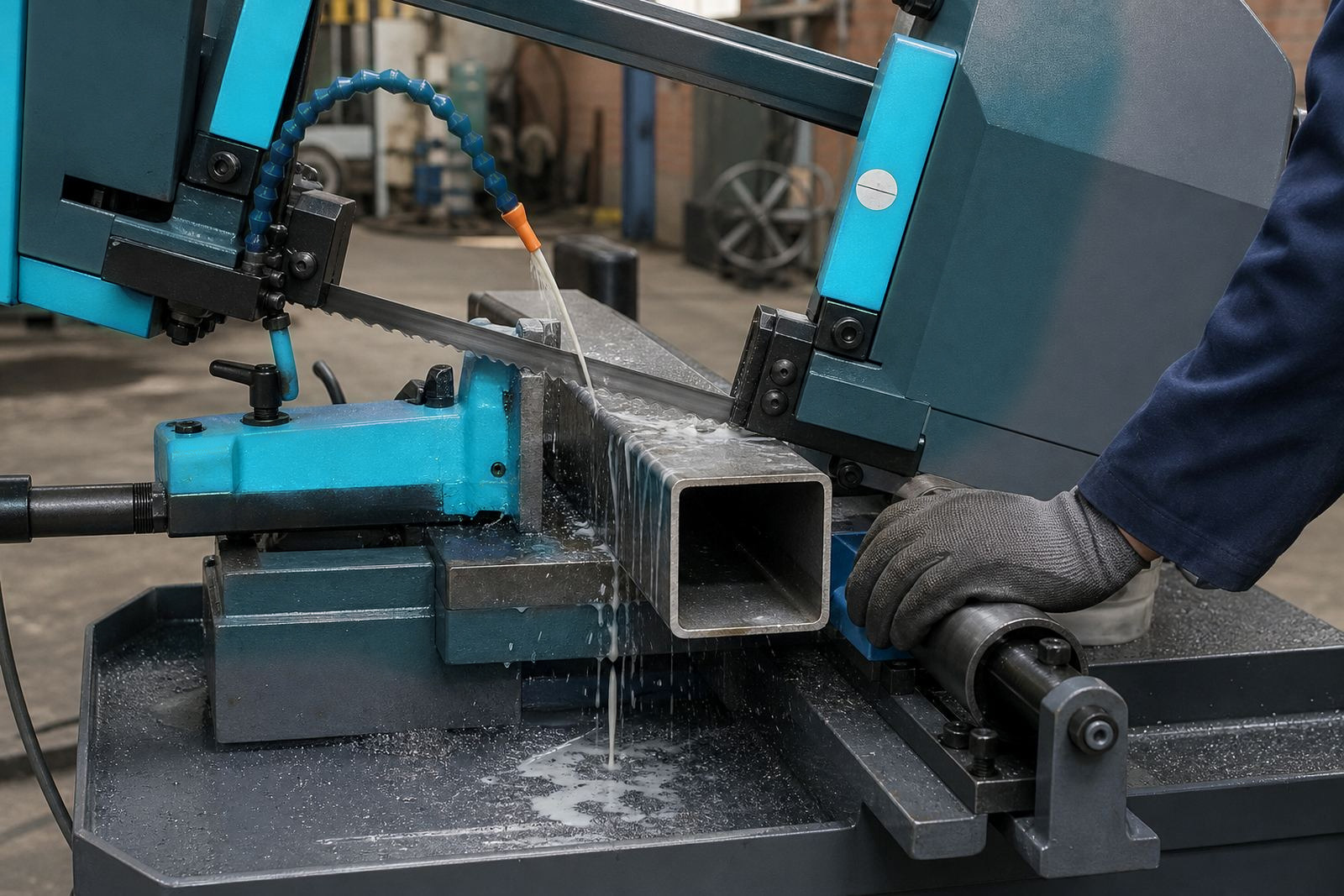
Feed speed and blade speed need to suit the material, wall thickness and bundle height. Thin-wall work usually wants a steadier feed rather than a heavy push, especially when the blade enters and exits a hollow section. Long sessions need coolant, particularly on stainless or tight bundle packs where heat builds fast. Even a good blade will struggle if chips stay in the gullets or the cut runs dry for too long.
- Use a light run-in on fresh blades
- Keep feed steady on thin wall sections
- Check coolant flow and chip clearing
- Set the machine so the blade tracks without twist
Ordering details that save the workshop a second call
When ordering M42 Thin Wall blades, give us the saw type, overall blade length, width, thickness, tooth pitch and the material to be cut. If the blade is for a bundle application, say so upfront because the pitch choice may change from single tube cutting. If the machine uses a specific weld-to-length requirement, that needs to be confirmed before the blade is prepared.
Mention whether the job is mainly mild steel, stainless or mixed material, because that affects pitch choice and run-in advice. For older manual saws, guide condition and wheel wear should be mentioned as well. A blade that is perfect on paper can misbehave if the machine tracks badly or the vice does not hold a light section properly.
- Machine type and blade length
- Blade width and thickness
- Tooth pitch or variable pitch preference
- Material type and bundle or single-cut use
Care, storage and blade life on real jobs
Blade care is mostly about handling, storage and sensible settings. Keep blades dry, coiled correctly and away from knocks that can damage the teeth before fitting. On the saw, check that guide blocks, bearings and brush clearance are in good order, because poor guidance can wear one side of the blade faster than the other.
After fitting, watch the chip shape and the sound of the cut. A fine pitch blade should cut cleanly without squeal, heavy chatter or burning marks along the face. If the teeth start rounding early, the issue may be feed pressure, speed choice, coolant delivery or the wrong pitch for the wall thickness. In many shops the fix is a better matched blade and a steadier setup, with the right saw.
- Store blades flat or correctly coiled
- Protect tooth tips from damage before fitting
- Keep guides, brushes and bearings in shape
- Check chip form and finish during use
Key facts
| Product | M42 Thin Wall bi-metal bandsaw blade |
|---|---|
| Tooth material | M42 high-speed steel edge on flexible backing |
| Use | Thin-wall tube, light sections and sheet bundles |
| Pitch | Fine TPI, with variable pitch options |
| Typical sizing | Welded to machine length as required |
| Support | Blade selection, fit check, run-in and coolant guidance |