

Small fabrication bays working through mixed offcuts
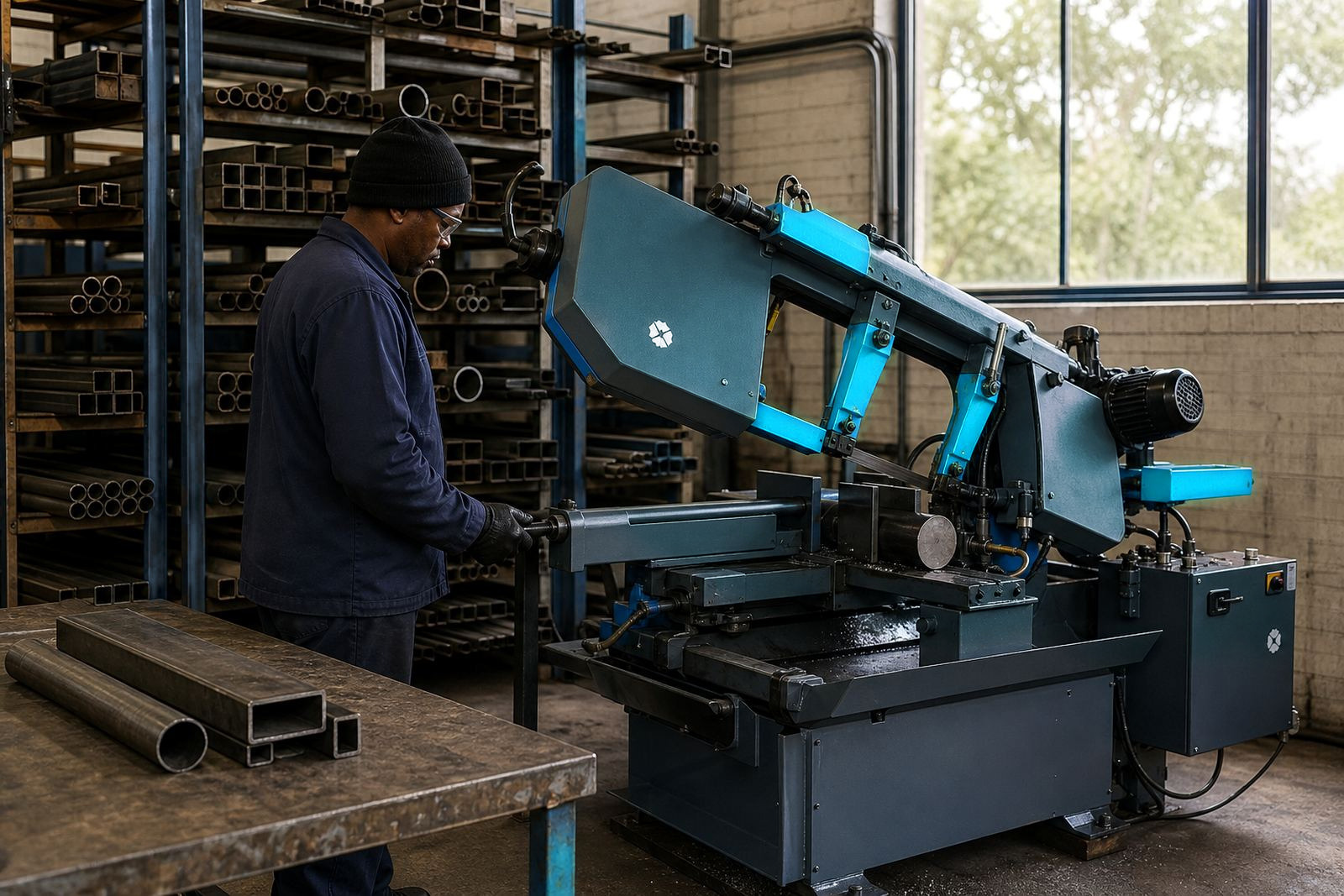
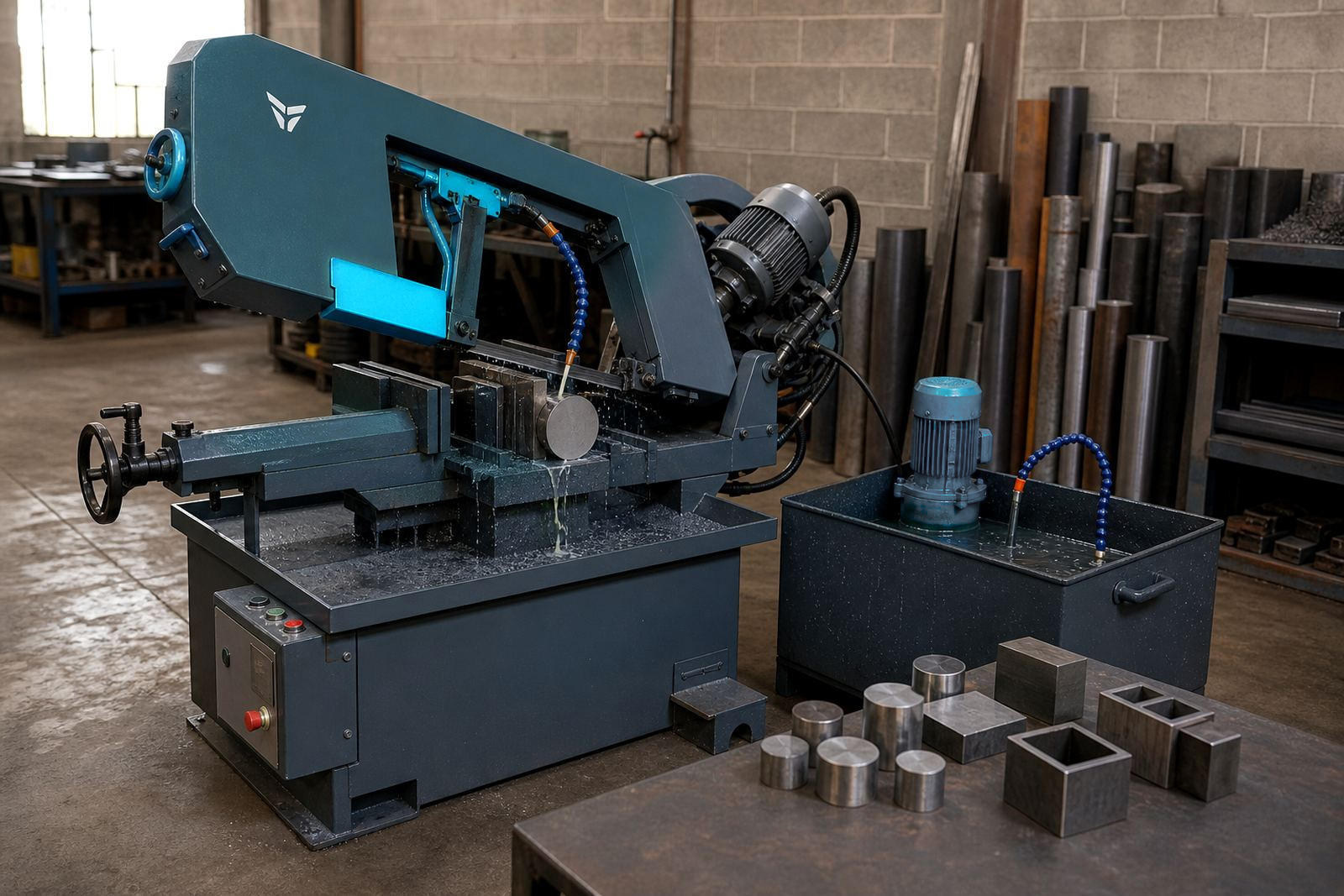
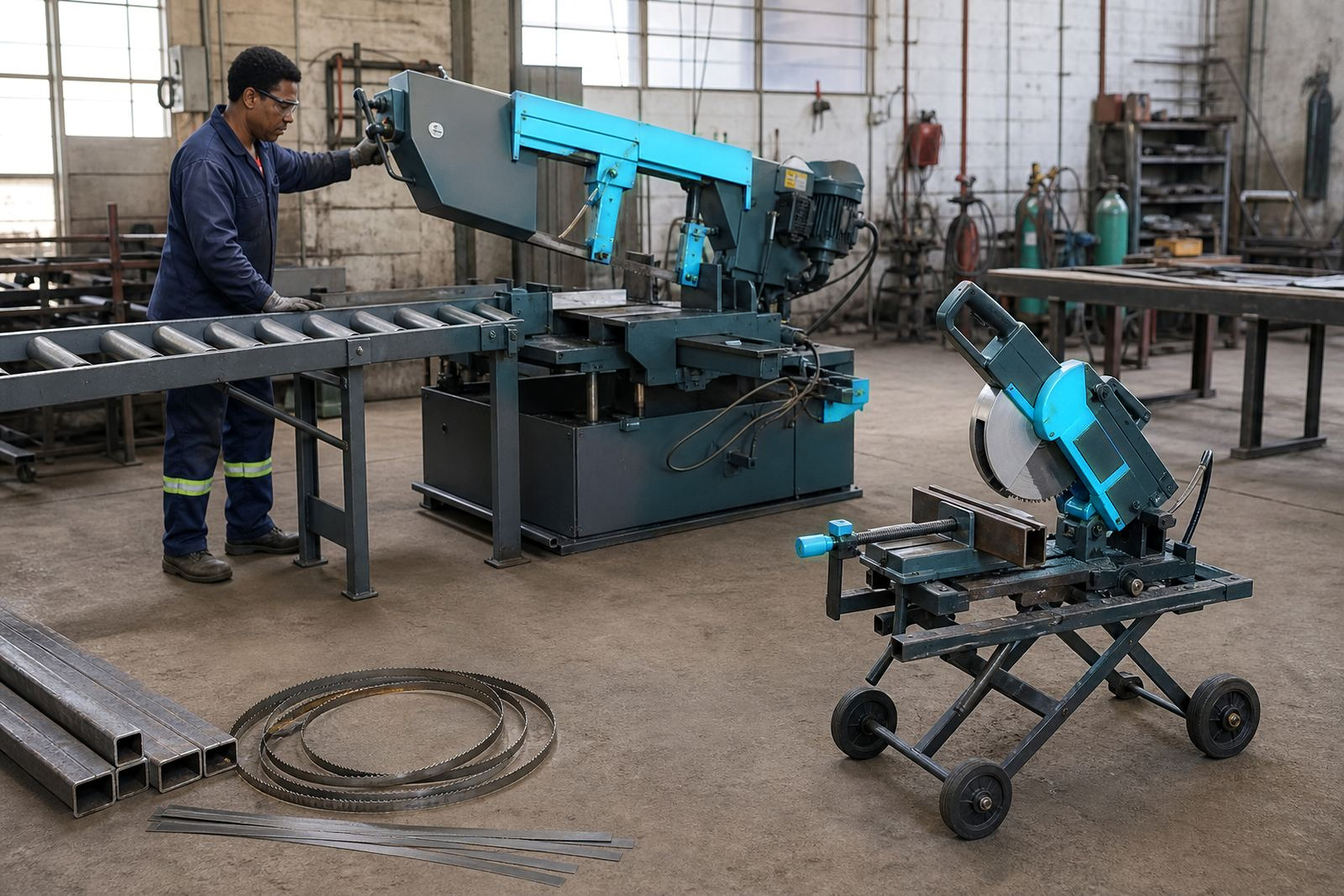
In a small fabrication bay, the day often moves between angle, flat bar, tube and solid sections. A bi-metal bandsaw blade with a sensible tooth pitch range usually suits that mixed load better than a narrow specialist pick, especially where cut sizes change often and the operator wants steady control.
Choose blade width for the job: a wider blade tracks straighter through sectioned stock, while a narrower blade handles tight radii on manual saws. Set, thickness and tooth form all affect how the blade clears swarf and holds its line, so the fit has to match the machine guides and the material wall thickness.
- Use variable pitch where the bundle size changes from one cut to the next.
- Check run-in on new blades before pushing feed pressure harder.
- Keep coolant coverage even on stainless and thicker mild steel.
Structural steel yards cutting heavier sections
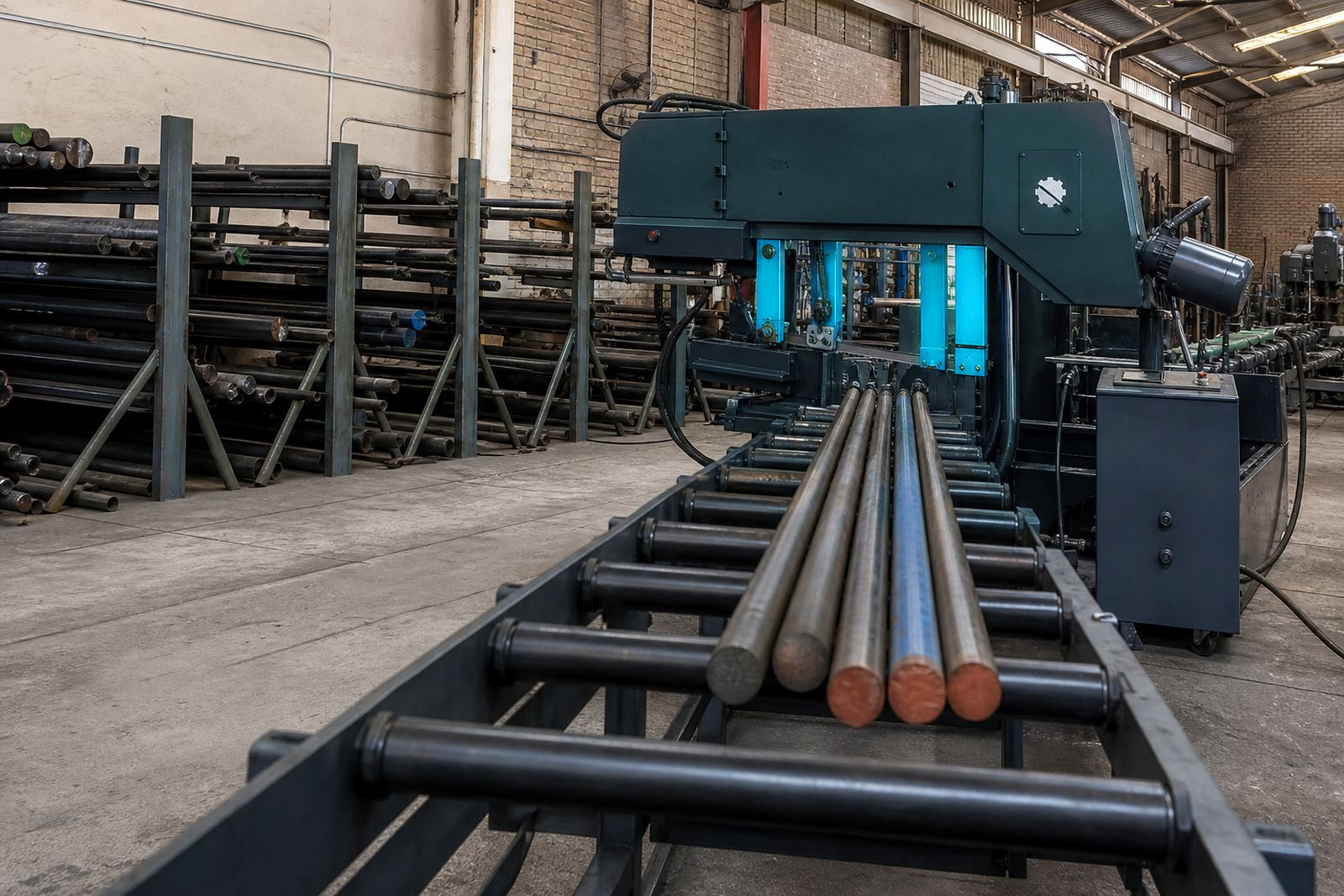
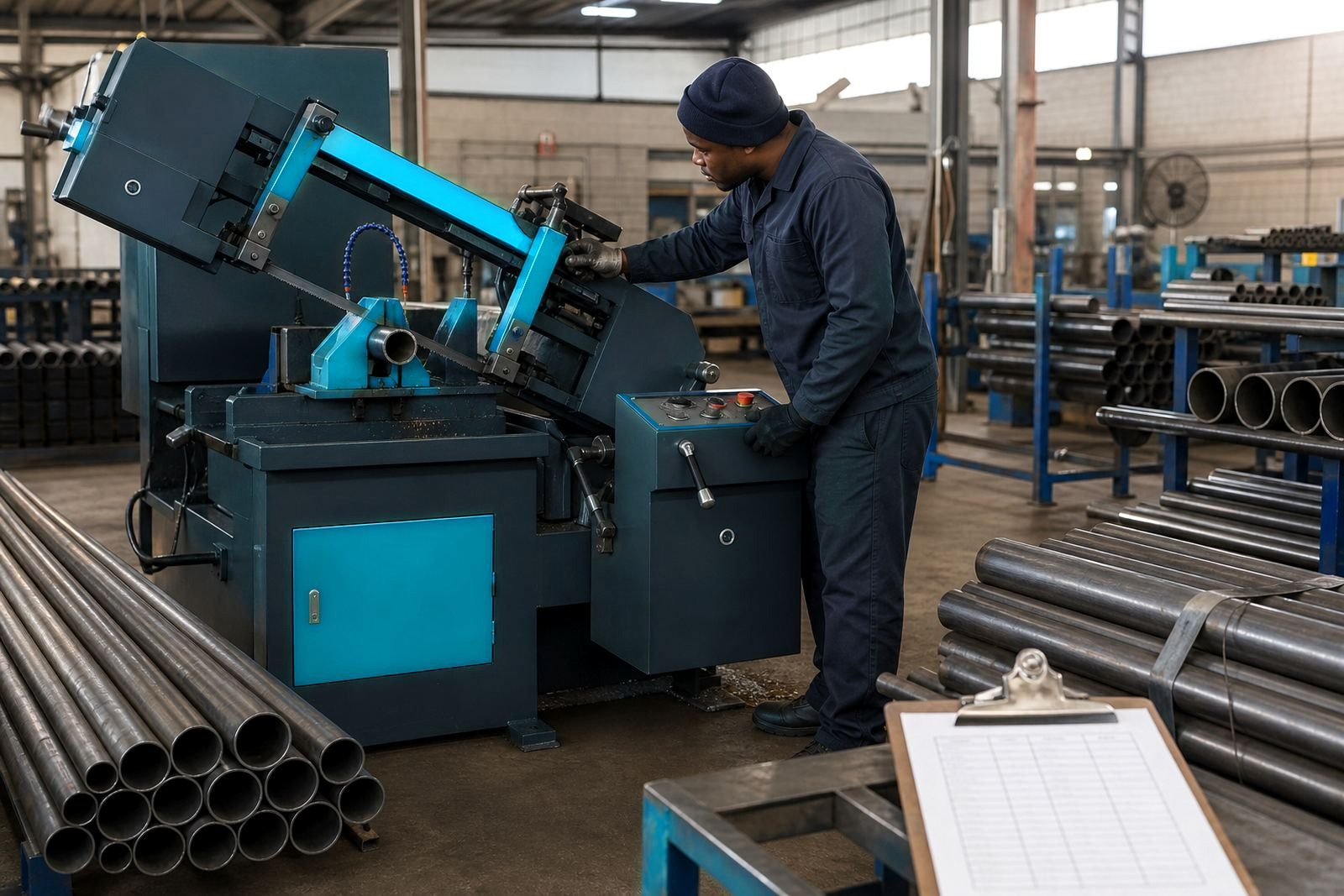
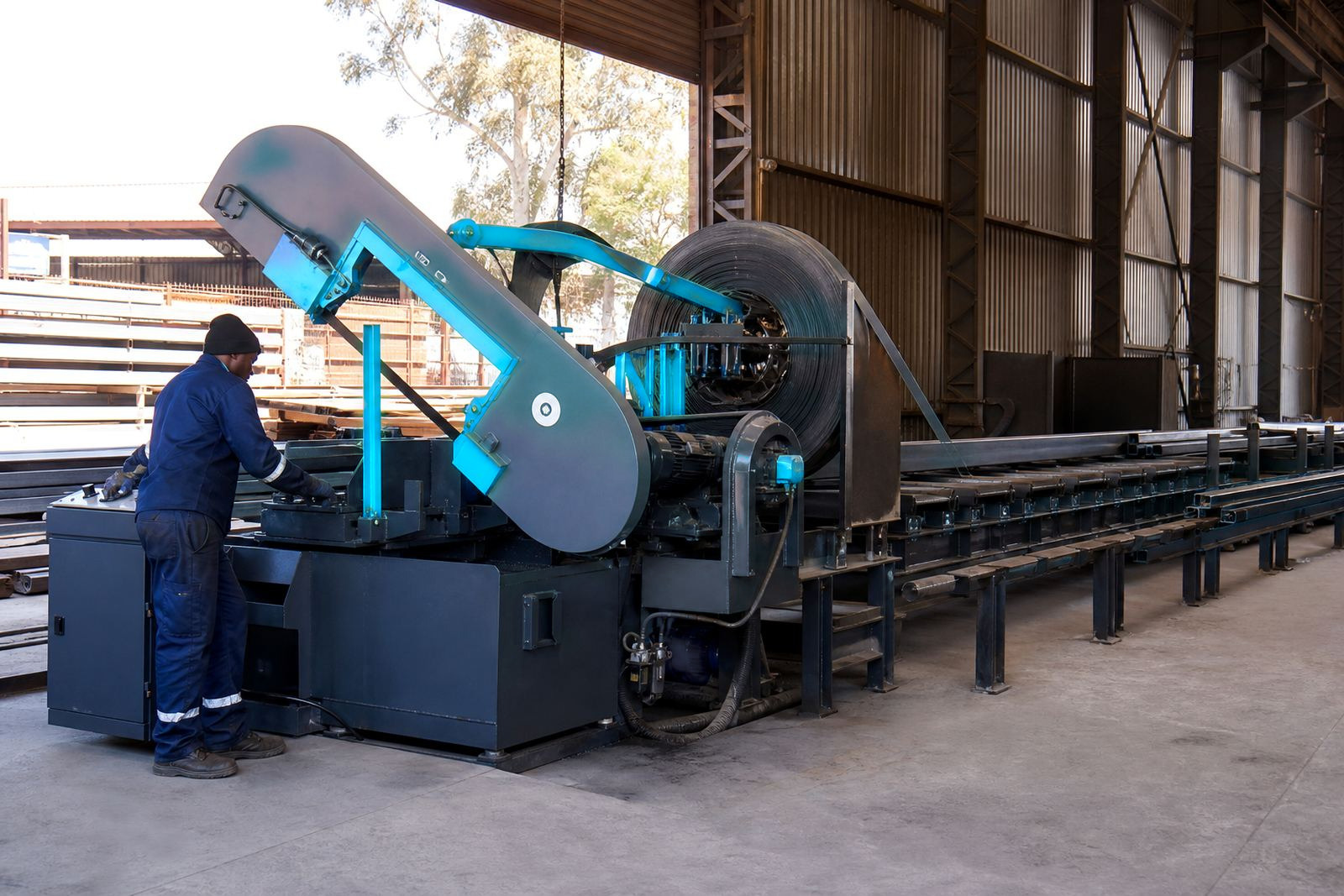
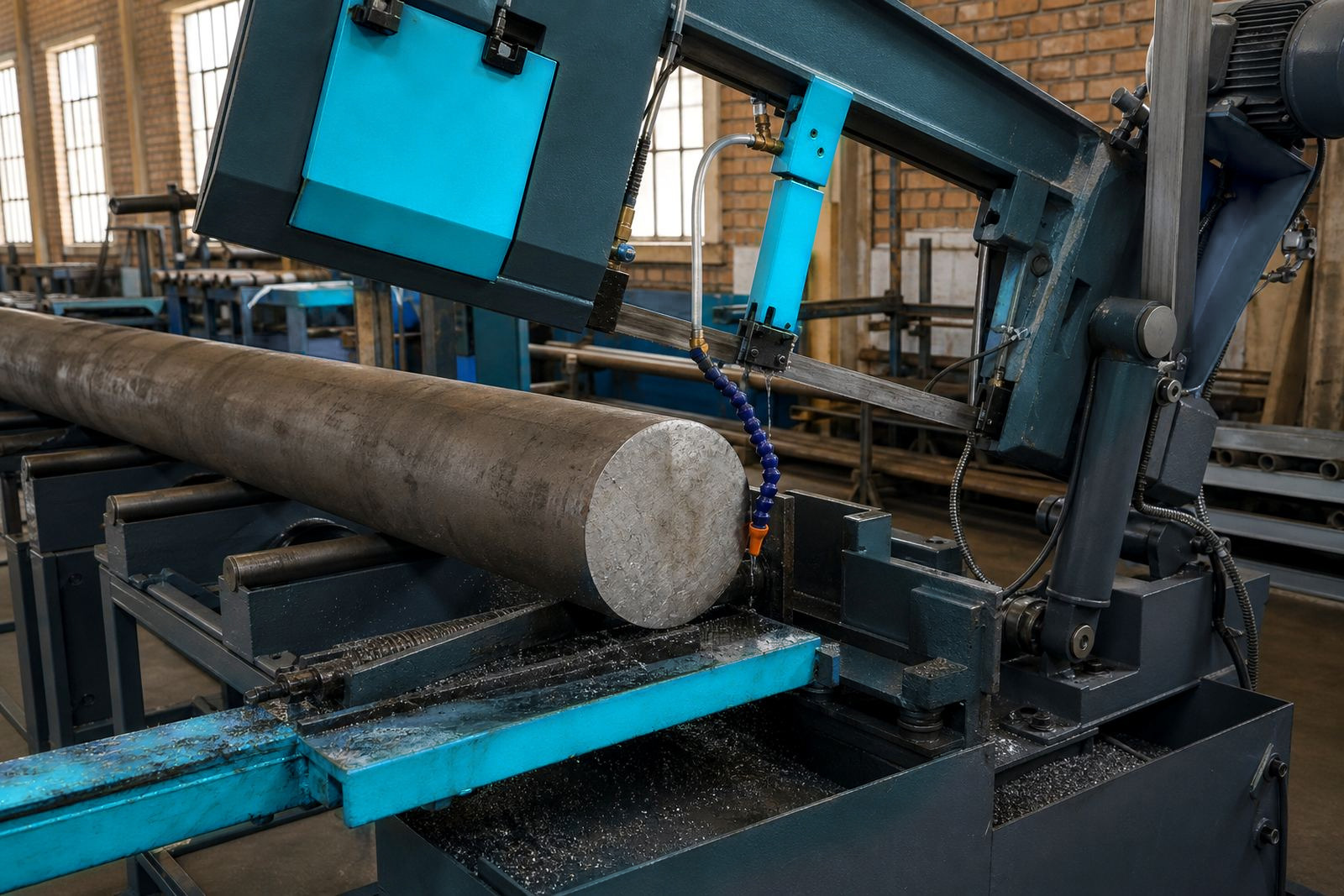
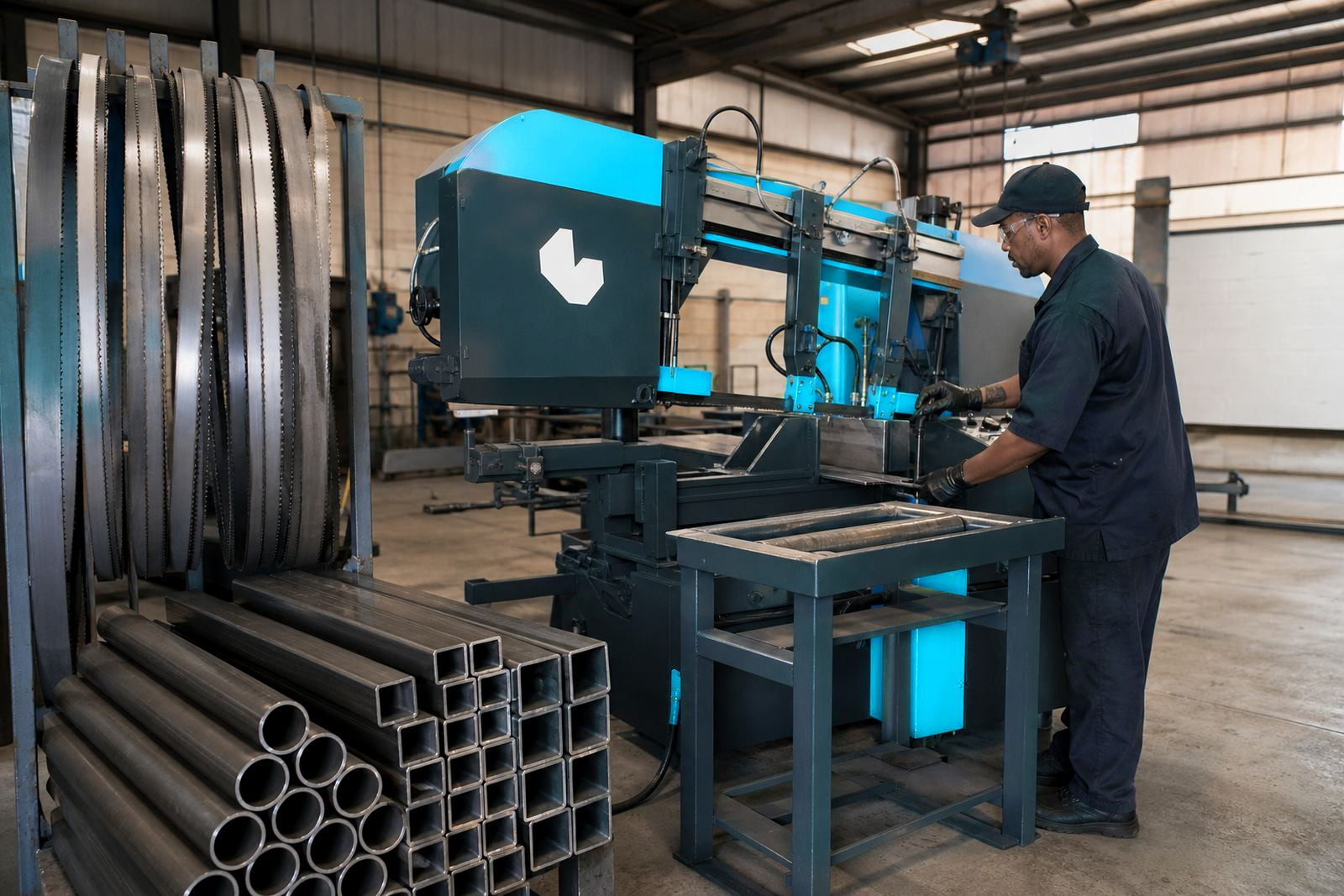
Yards that handle angle iron, channels and thick rounds need blades that stay stable under longer contact times. A stronger bi-metal blade with the correct TPI reduces tooth shock, while a carbon steel option can still suit lighter manual work or straightforward cutting on softer material.
These shops get feed speed advice along with the blade. Too much pressure overheats the teeth and shortens blade life, while a cautious feed on deep section can make the cut wander. The right run-in and coolant checks help the blade settle before full production work starts.
- Match tooth pitch to the smallest section in the bundle.
- Use length verification before welding to length for repeated jobs.
- Review blade failure signs after chipped teeth or crooked cuts.
Jobbing workshops with manual saws and frequent changeovers
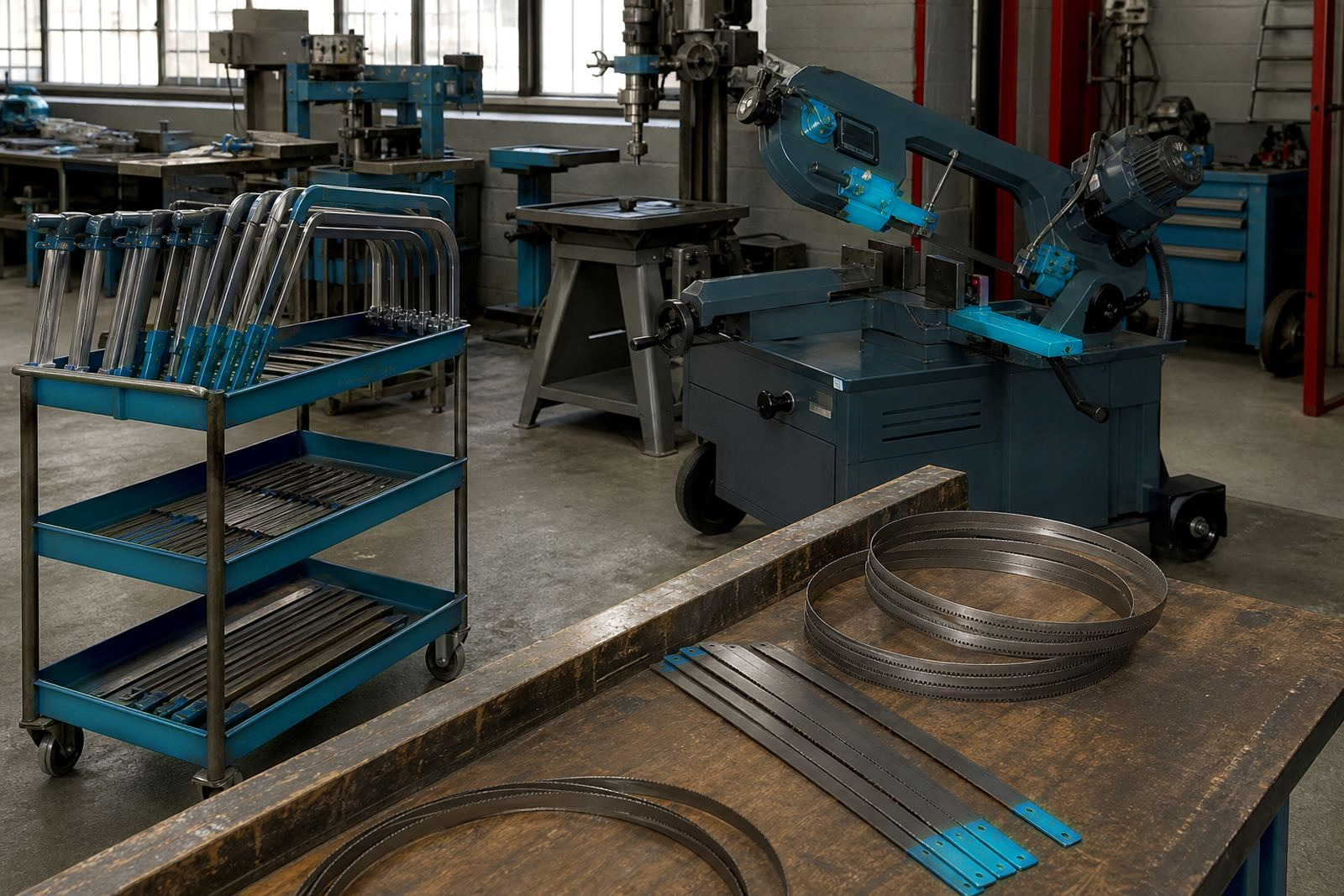
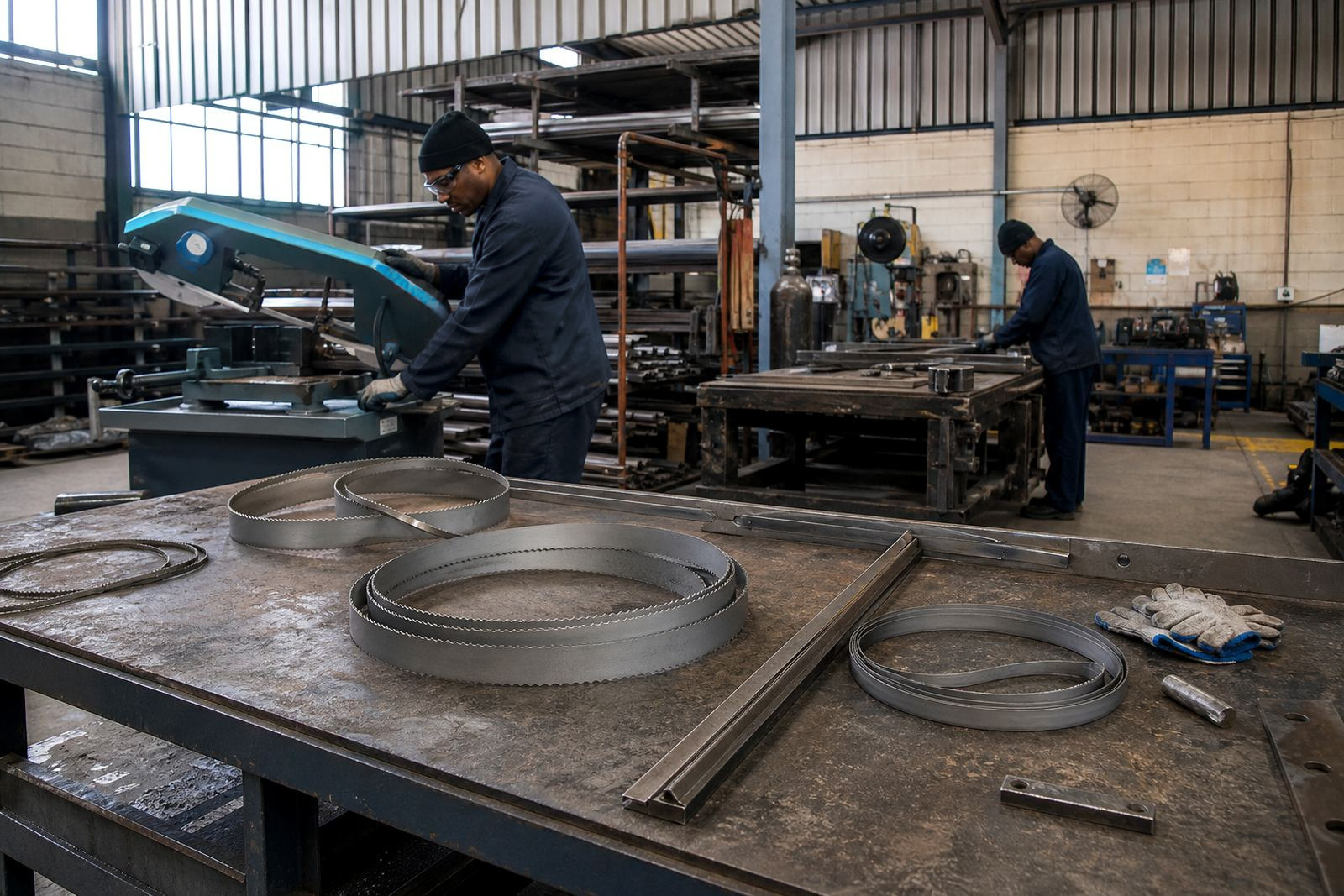
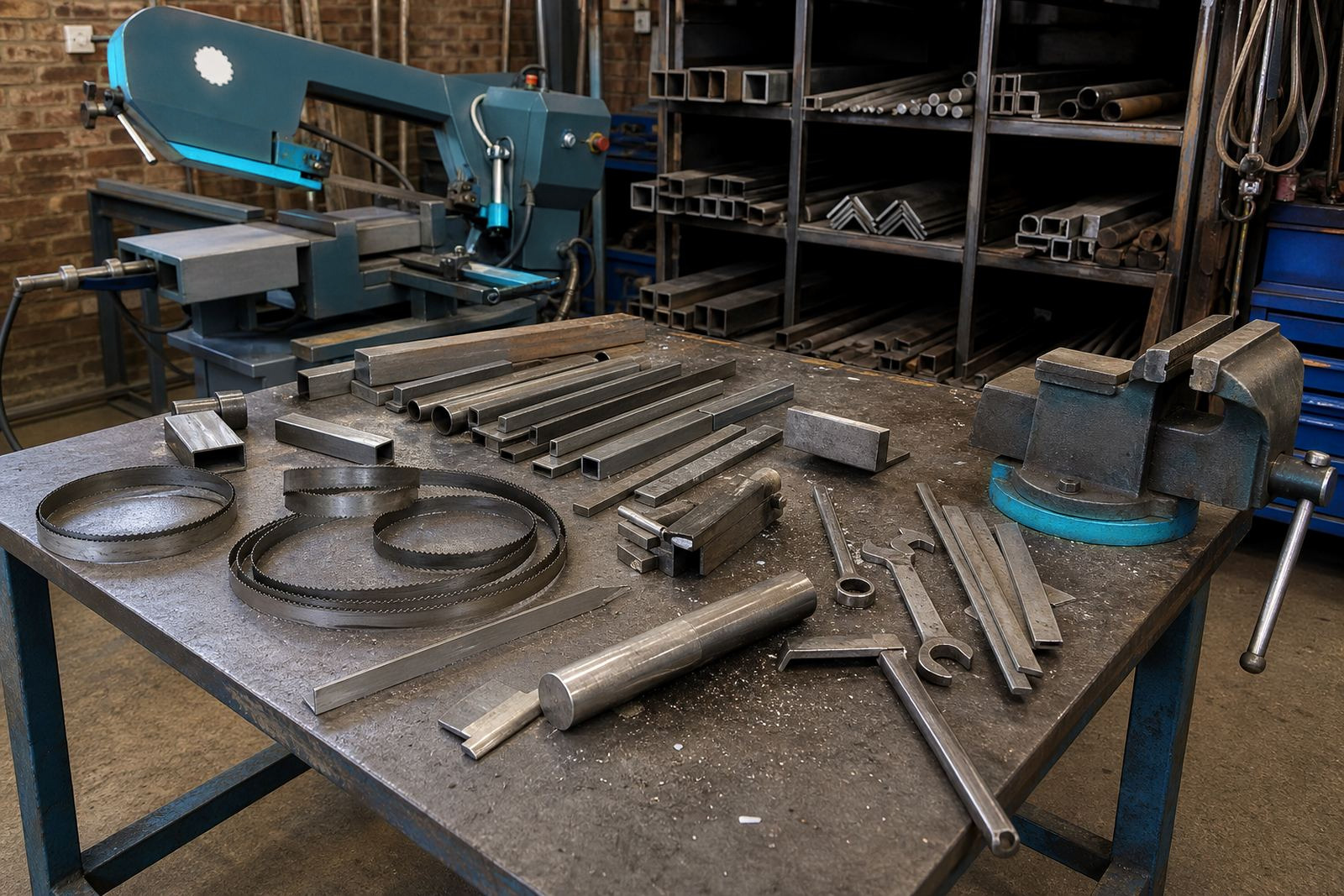
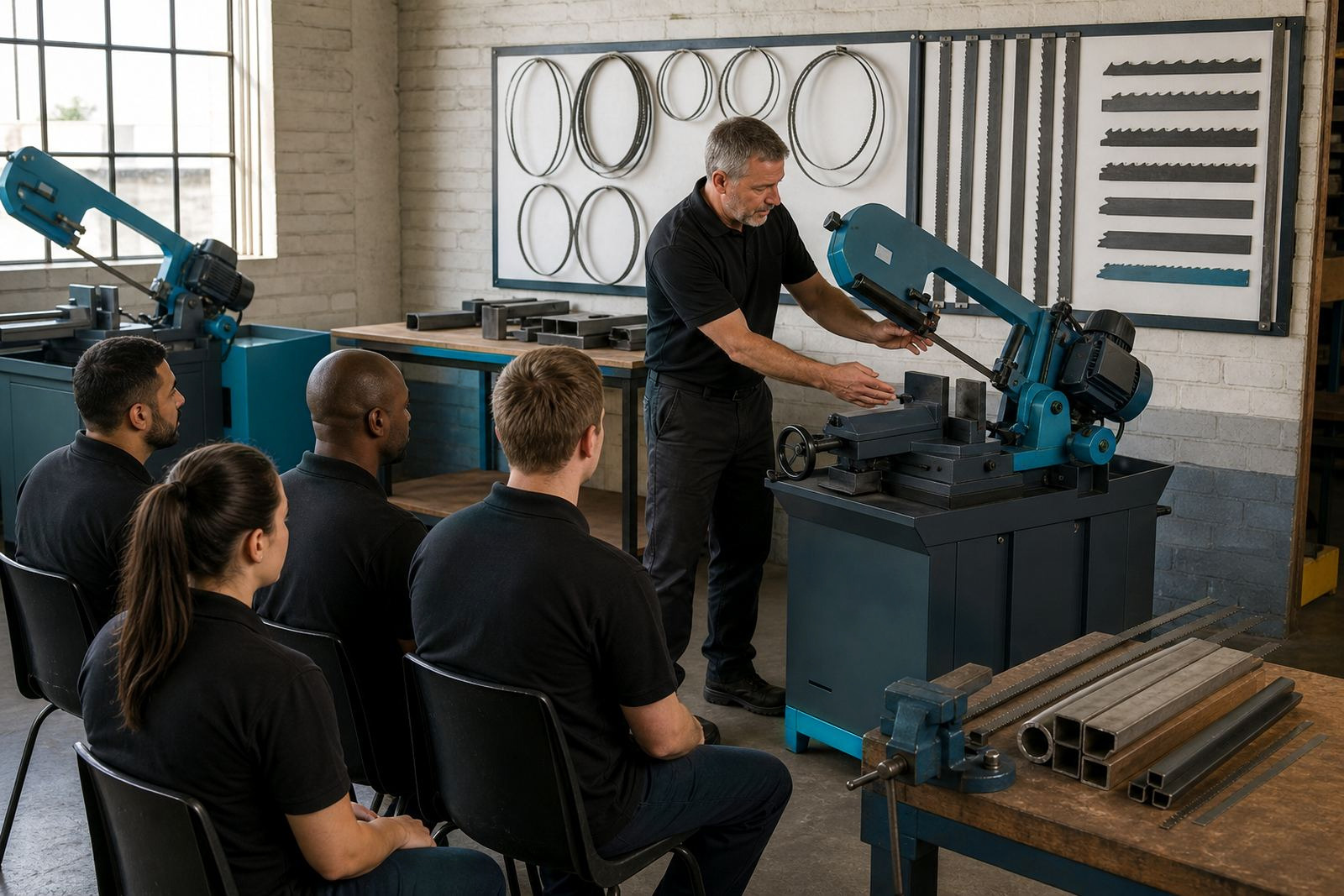
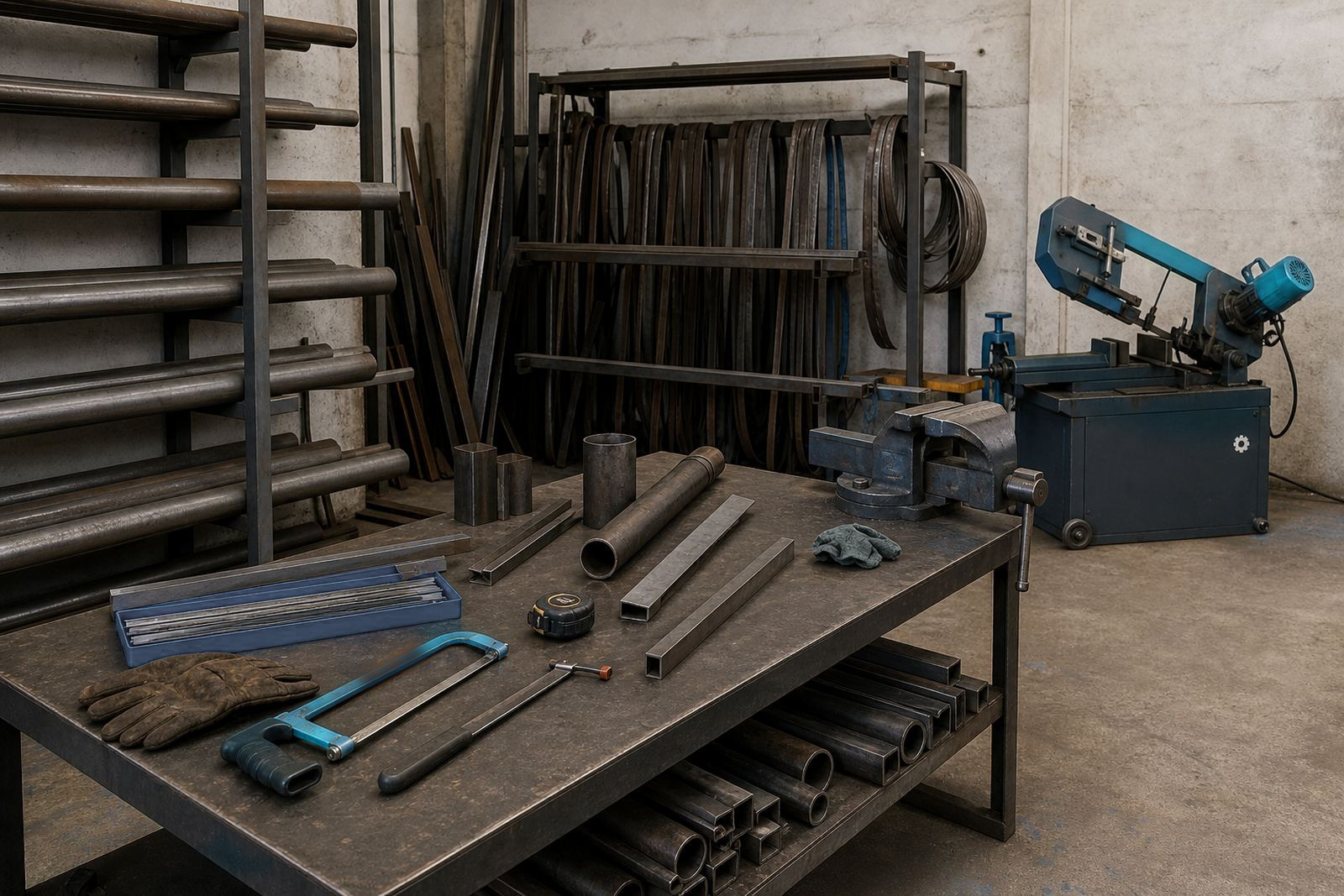
Manual saw work needs a blade that gives useful life without demanding perfect conditions. A starter kit often works well for these benches because it sets out the common widths, tooth pitches and spare lengths needed for day-to-day cutting. That avoids guessing when the next job is thin tube or a short bar package.
Manual saw support also includes machine fit checks, because the wrong blade width can rub the guides or twist under load. On smaller machines, tooth pitch selection should stay conservative if the operator is cutting solid bar one hour and section tube the next. A little extra care on set and feed speed keeps the cut cleaner, and the workshop spends less time clearing jammed swarf.
Maintenance teams working inside plants and depots
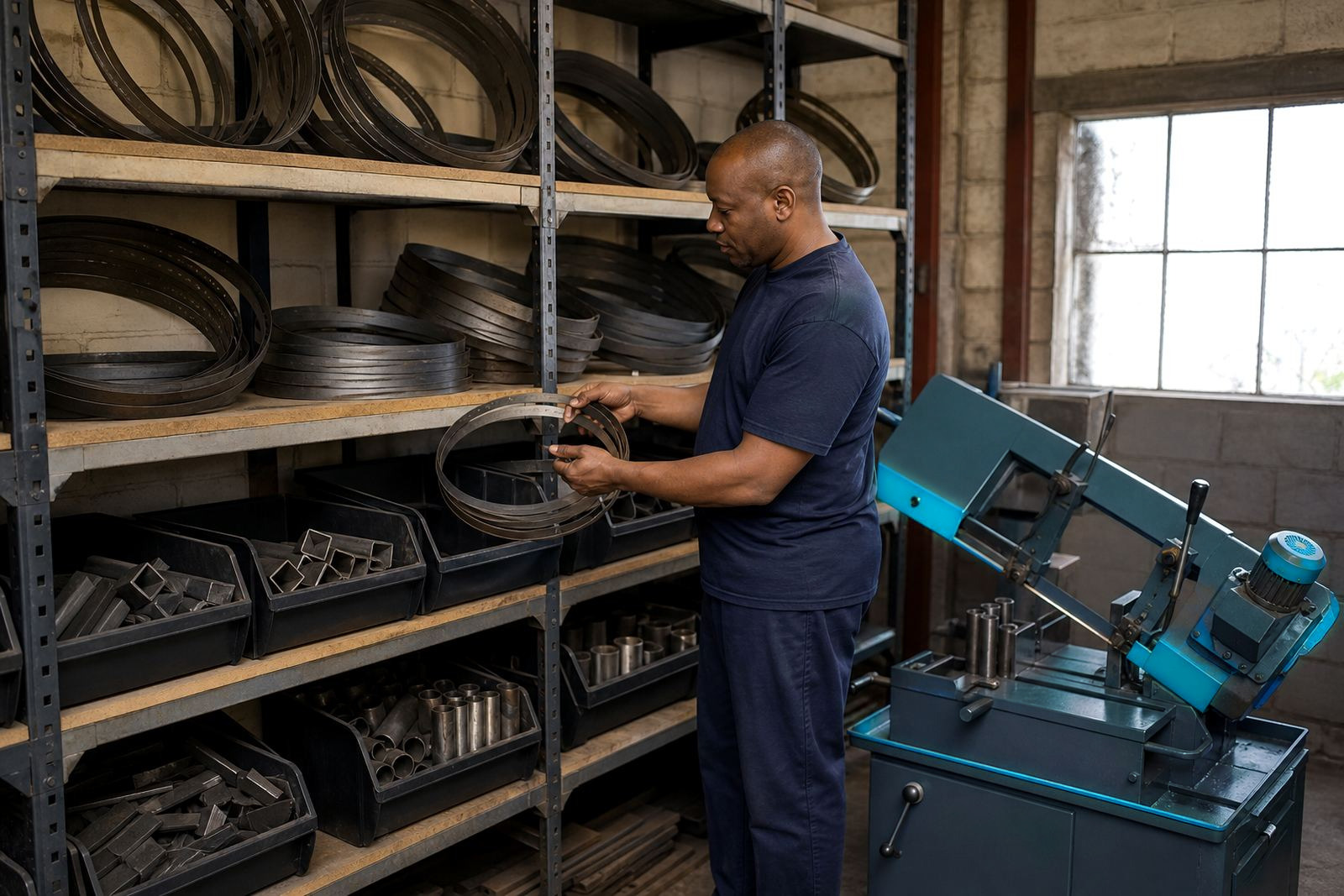
Maintenance crews usually need blades that cover many repairs, not one repeating product line. Stock standardisation lets the team carry fewer blade types while still covering the common sizes found in the plant. A sensible mix of bi-metal bandsaw blades and hacksaw blades keeps the bench ready for quick fixes and longer cuts.
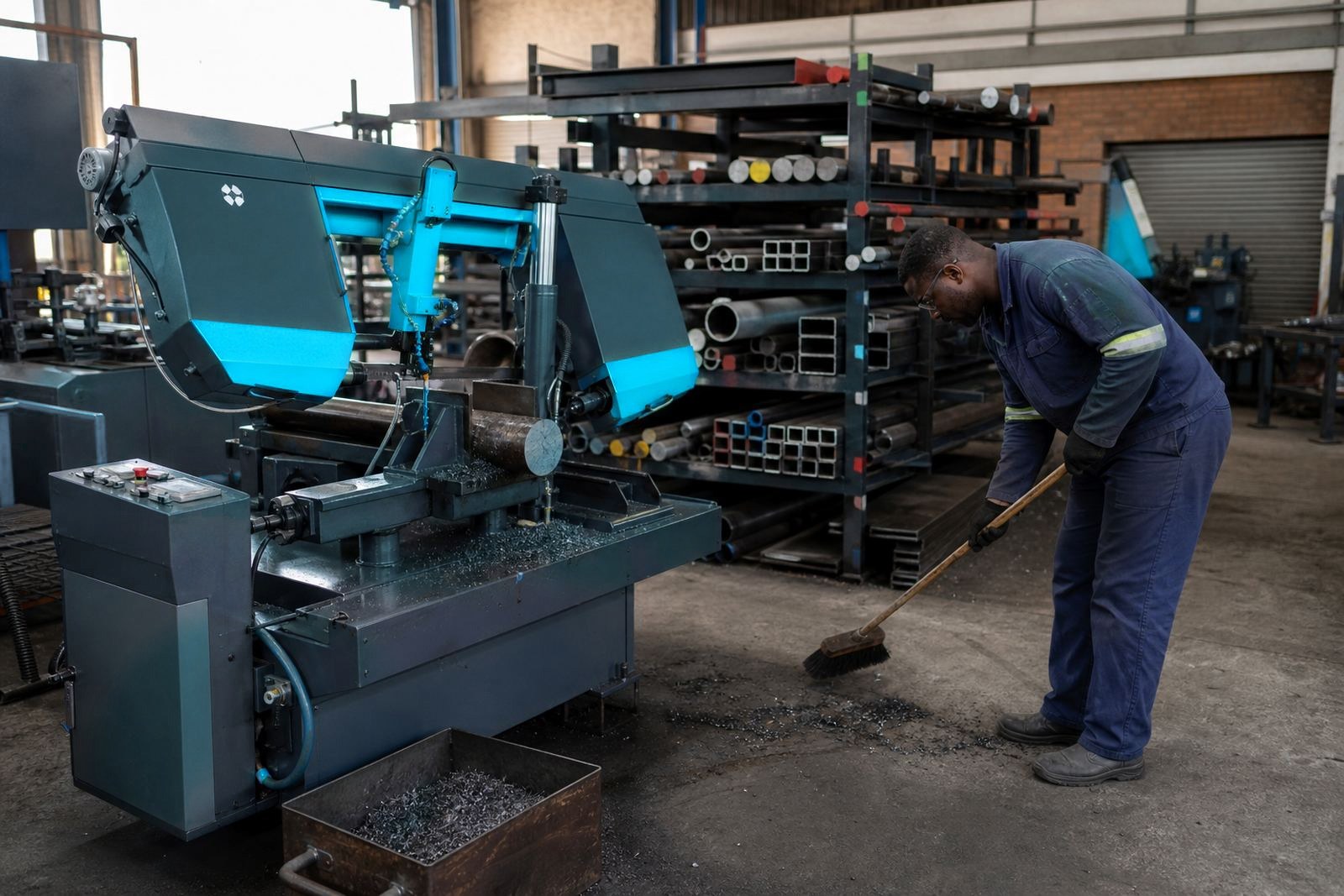
Check coolant when the saw runs through hard wear material or old stock with scale on the surface. The blade needs enough lubrication to keep temperature under control, especially on long cuts where the teeth stay engaged for a long time. If the material is inconsistent, a variable pitch blade often gives steadier cutting than a fixed pitch choice.
Regional supply points and job coverage
From our Alrode, Alberton base, MoreCut Saws supports workshops across Johannesburg, Pretoria, Vereeniging, Durban and Cape Town. That spread helps when different branches need the same blade spec for matching machines, or when a workshop wants one standard setup across several sites.
- Alberton Supply suits nearby fabrication benches and local machine rooms.
- Johannesburg Supply, Pretoria Supply and Germiston Supply support heavier workshop demand.
- Vereeniging Supply, Durban Supply, Cape Town Supply and Boksburg Supply cover wider regional fleets.
When a site wants weld-to-length service, the finished blade still needs the right pitch, width and thickness for the machine. A good length check and machine fit check reduce avoidable wear, especially where several operators share the same saw across shifts.
How these example setups narrow the choice
Each workshop type brings a different balance of material, pace and operator habits. Choosing the right blade means looking at whether it is bi-metal or carbon steel, how the teeth enter the work, how the blade clears the cut and how the machine carries tension through the job. Blade failure review, run-in guidance and tooth pitch selection support daily work.
For a heavy yard, the same blade that works on light tube may fail quickly on solid round bar. For a small repair bench, the wrong width can make a simple cut feel difficult. The final choice is matched to your machine and stock.