The Alrode brief and what the workshop was cutting
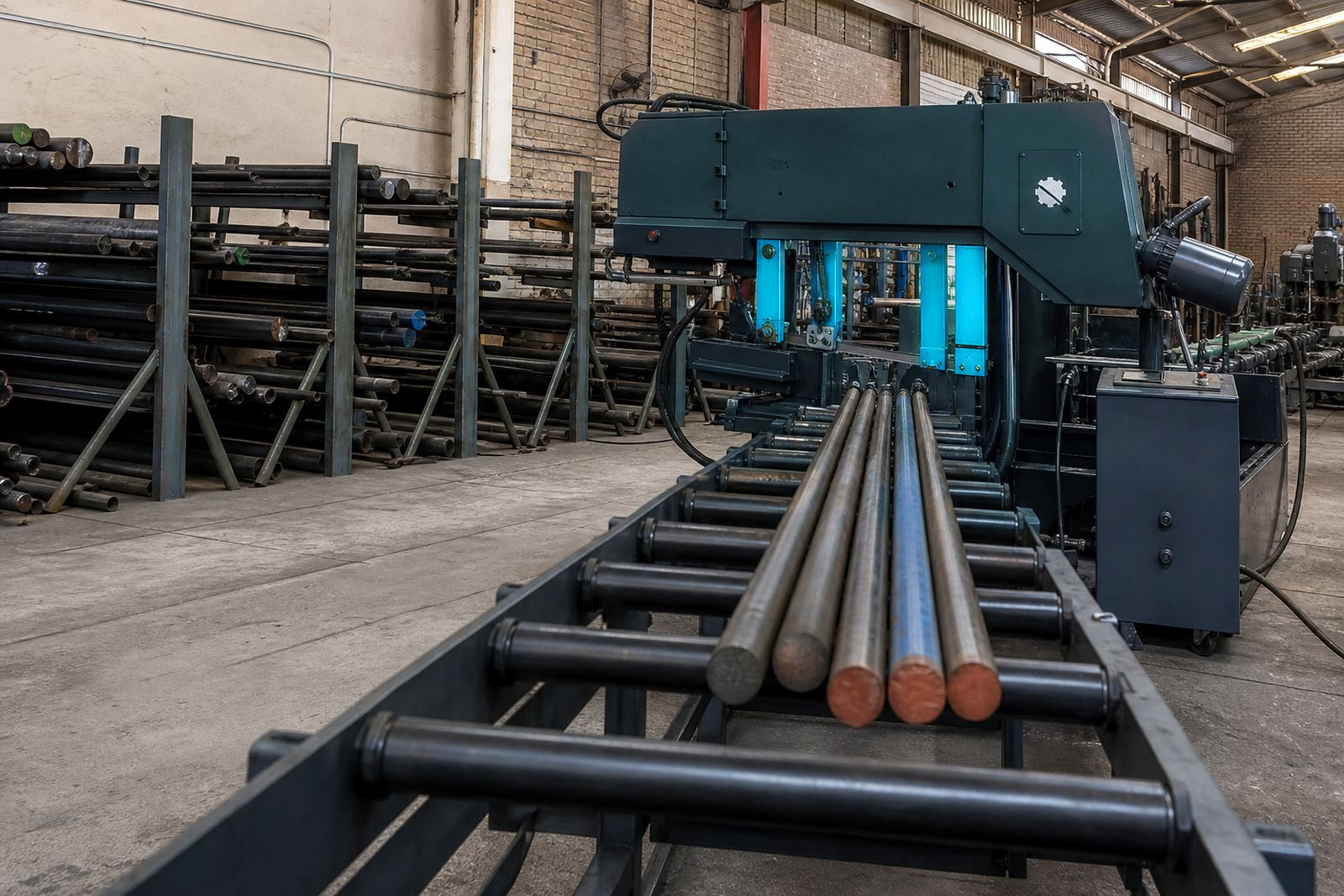
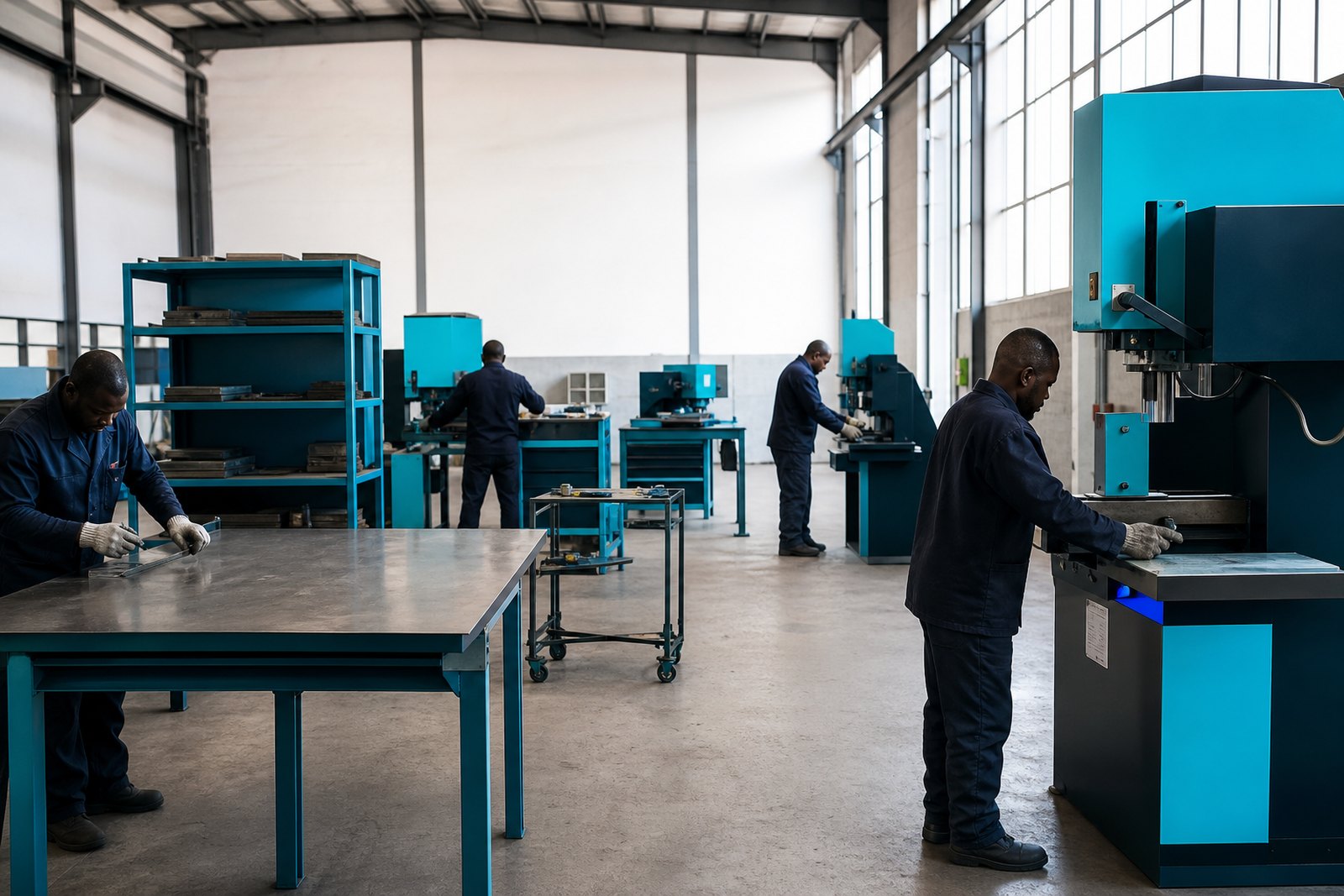
The job came from a fabrication workshop in Alrode, Alberton, where the cutting room was taking in a steady mix of mild steel tube, flat bar, angle and heavier structural section. The main need was a sensible blade setup that would hold its line through varied jobs without wasting material on rough cuts or forcing the saw to work too hard.
The team wanted blades that could suit day-to-day production and still handle the odd thicker pack or hard spot in section. We looked at the machine frames, the stock on hand and the way the operators were feeding material, then matched the blades to the sort of work that was actually passing across the saw bed.
- Daily cutting of tube, angle and section
- Mixed wall thicknesses in one shift
- Need for reliable weld-to-length supply
- Space for a small starter kit on site
Blade choices that fitted the work pattern
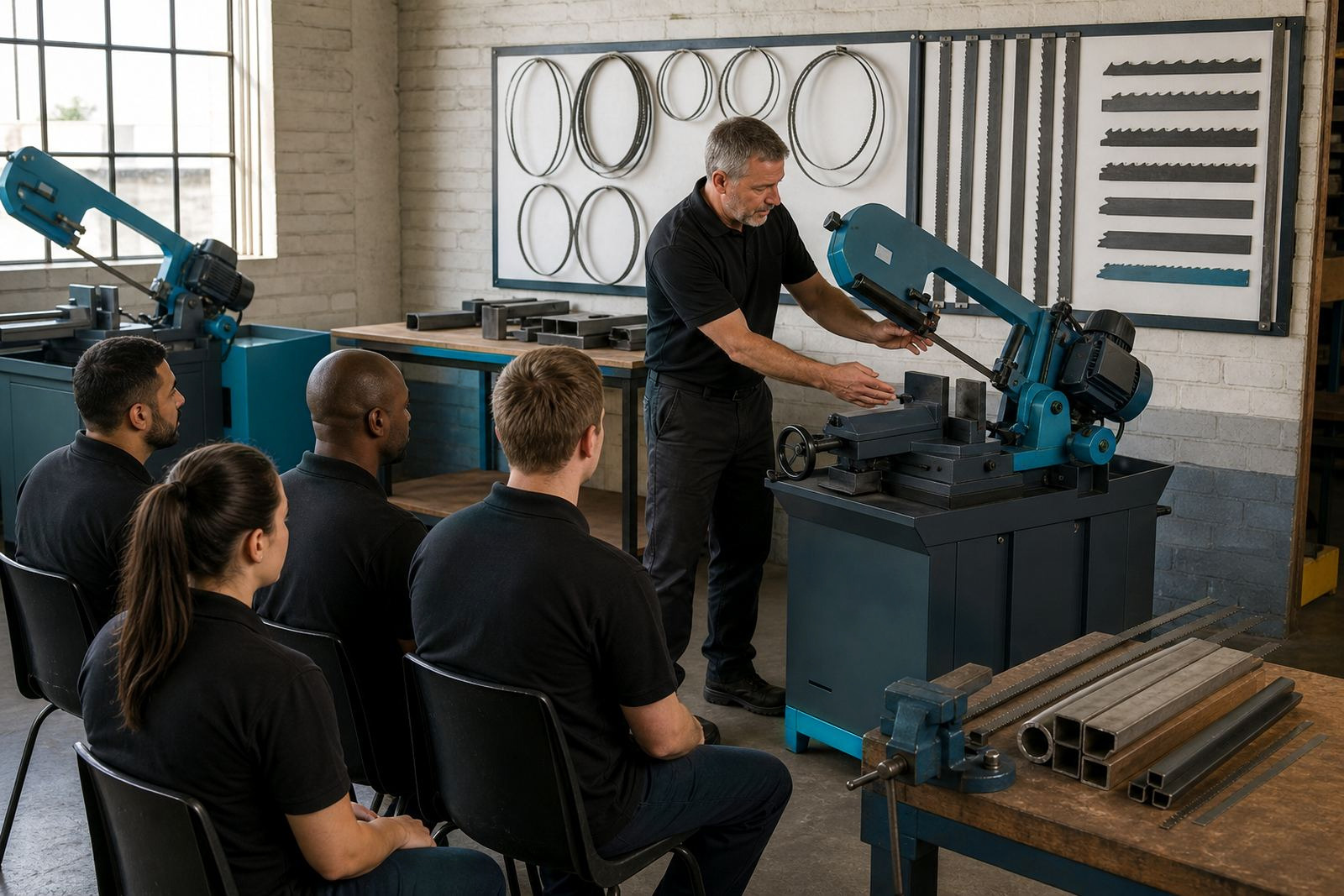
For the heavier daily work we supplied bi-metal bandsaw blades with a tooth form suited to structural steel and mixed bundle cutting. The workshop also kept carbon steel blades for lighter manual saw tasks and occasional straight stock cutting where a simpler blade was enough. Tooth pitch was matched to the material wall thickness, so the blade would not grab on thin tube or skip across thicker section.
Variable pitch blades were part of the plan for jobs with changing cross sections, because they reduce vibration and help keep the cut steadier through interrupted material. Where the machine and stock allowed it, we shifted blade width to suit the saw and the job, using narrower blades for tighter guidance and wider blades where the machine could hold the cut line on larger section.
- Bi-metal blades for general fabrication use
- Carbon steel blades for lighter manual work
- Variable pitch for mixed or unstable sections
- Width matched to machine guides and cut type
Weld-to-length, checks and the fit on the machine
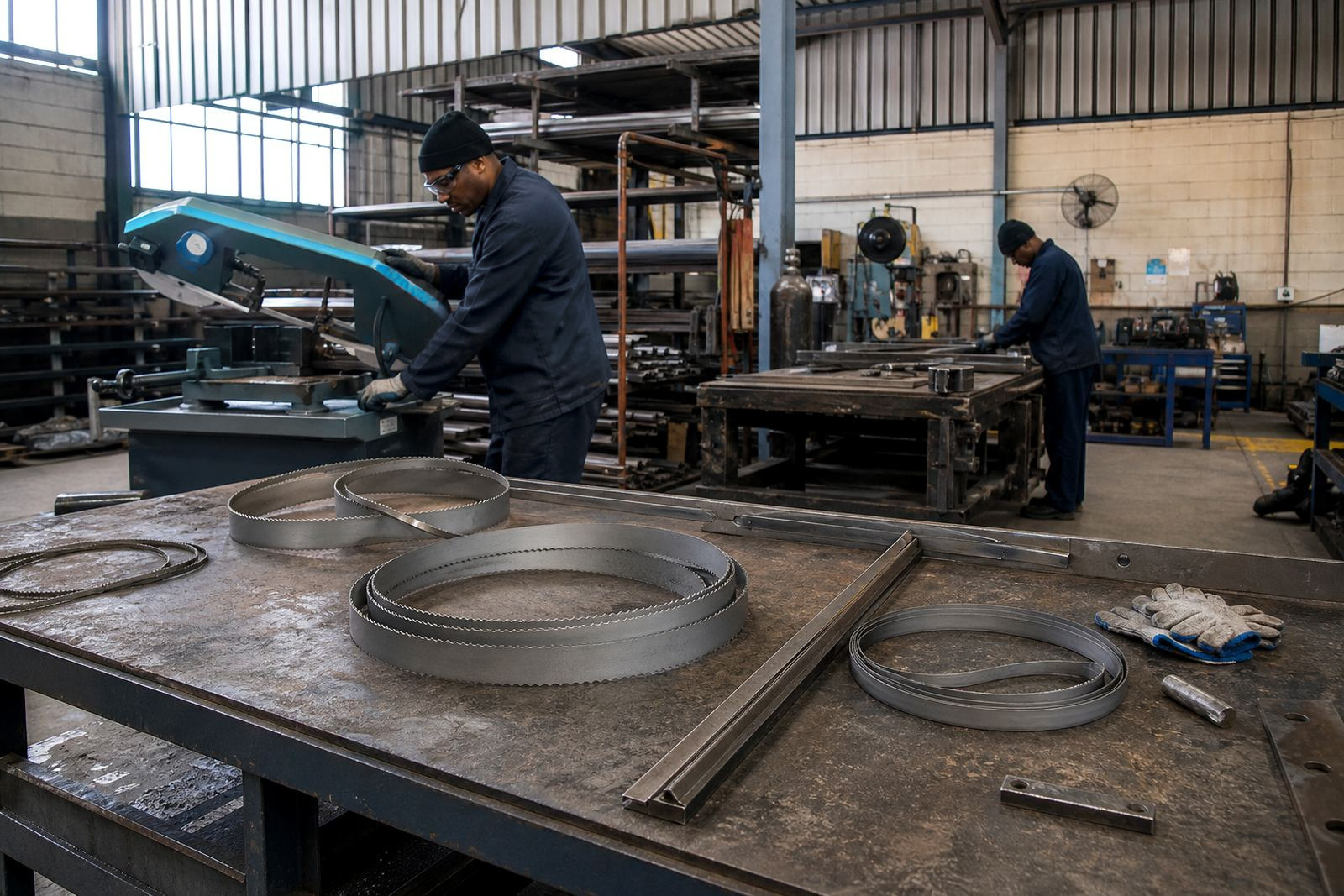
The workshop did not want to keep guessing on blade length, so we handled weld-to-length supply with length verification before dispatch. That let the cutting team avoid fitting errors and reduced the chance of a blade running too tight or too loose on the machine wheels. We also checked the blade width, thickness and set against the guide system to make sure the blade sat properly in the machine.
The machine fit check found the cause, because even a good blade can struggle if the guides are worn or the tension is wrong. We looked at the way the saw was tracking, checked for burr damage on the wheels and made sure the blade thickness and set were suitable for the machine’s guide clearance. That part of the job saved the operator from forcing a blade into a fit it was never meant to carry.
- Welded to measured length for the saws on site
- Length verification before the blade left the shop
- Machine fit check against wheel and guide clearance
- Blade thickness matched to the saw frame and tension range
Run-in, feed speed and coolant on a real cutting shift
The setup also included run-in guidance, because a fresh blade needs a lighter first pass before it settles into full production. We gave the operators a practical feed and speed starting point for mild steel, then adjusted the advice for thicker section and harder shapes where the tooth load changes quickly. On this kind of work, pushing too hard makes the cut wander and shortens blade life, while too little feed can glaze the teeth and waste time.
Coolant checks were part of the same conversation. The workshop had enough cooling on the machine for standard production, and we reminded them to keep the flow reaching the teeth evenly and wetting the blade arm. In a South African workshop, especially where steel stock sits through warm days and dust collects fast, coolant condition and delivery affect blade life more than people sometimes admit.
- Run-in used on every new bi-metal blade
- Feed set to suit wall thickness and bundle size
- Speed reduced for heavier section cuts
- Coolant checked at tooth contact and at the tank
Starter kit planning and keeping the blade room orderly
The workshop also asked for starter kit planning so the stores shelf would not fill up with random blade lengths and mixed pitches. We put together a practical working group of blades for daily fabrication, plus a few spares for manual saw support and unexpected changeovers. The point was to keep the team moving without turning the blade rack into a mixed bag of leftovers.
Stock standardisation helped here. Once the blade widths, pitches and lengths were narrowed down, the operators could pick the right blade faster and the store room stayed easier to manage. It also made blade failure review simpler because the team could trace whether a break was caused by pitch choice, feed pressure, poor set, or an issue with the machine itself.
- Starter kit built around the workshop’s main jobs
- Standardised lengths for the saws in use
- Manual saw support for lighter site tasks
- Blade failure review for repeated breakage or tooth stripping
What shifted in the opening weeks on the workshop floor
After the blades were in use for a few weeks, the cutting room settled into a cleaner rhythm. The operators had a more reliable choice between structural work and lighter tube cutting, and the machine was not being asked to handle every job with the same blade. Cuts came off cleaner, setup mistakes dropped and the workshop spent less time correcting blade choice after the fact.
For a fabrication team, one poor blade match can slow down the whole bay. In this Alrode setup, the better pitch choice and the correct blade width did most of the work, while the run-in and feed advice kept the teeth from being punished too early. It was a solid arrangement that suited the metal coming through the door.
If we were doing a similar setup again, we would keep the same order of work: measure the machine first, check the stock mix second and settle the blade range only after that. That sequence keeps the workshop from buying too wide a spread of blades and helps the team stick with a small, sensible cutting range.
Key facts
| Blade type | Bi-metal bandsaw blades for daily fabrication work |
|---|---|
| Tooth form | Variable pitch selected for mixed structural and tube cutting |
| Blade widths | Matched to machine guides and the cut demanded |
| Thickness and set | Checked against wheel clearance and guide fit |
| Service | Weld-to-length with length verification |
| Support | Run-in guidance, feed speed advice and coolant checks |