

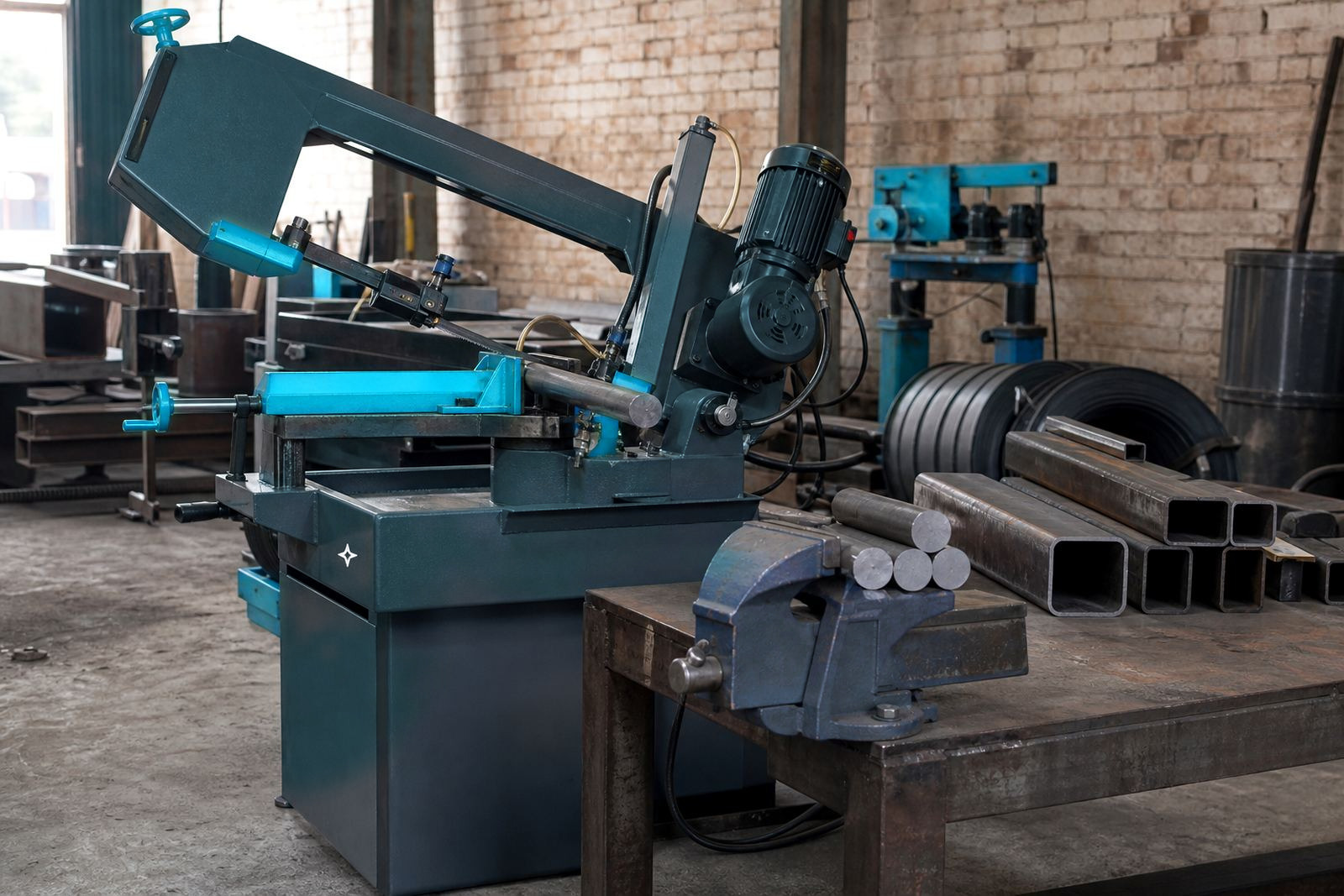
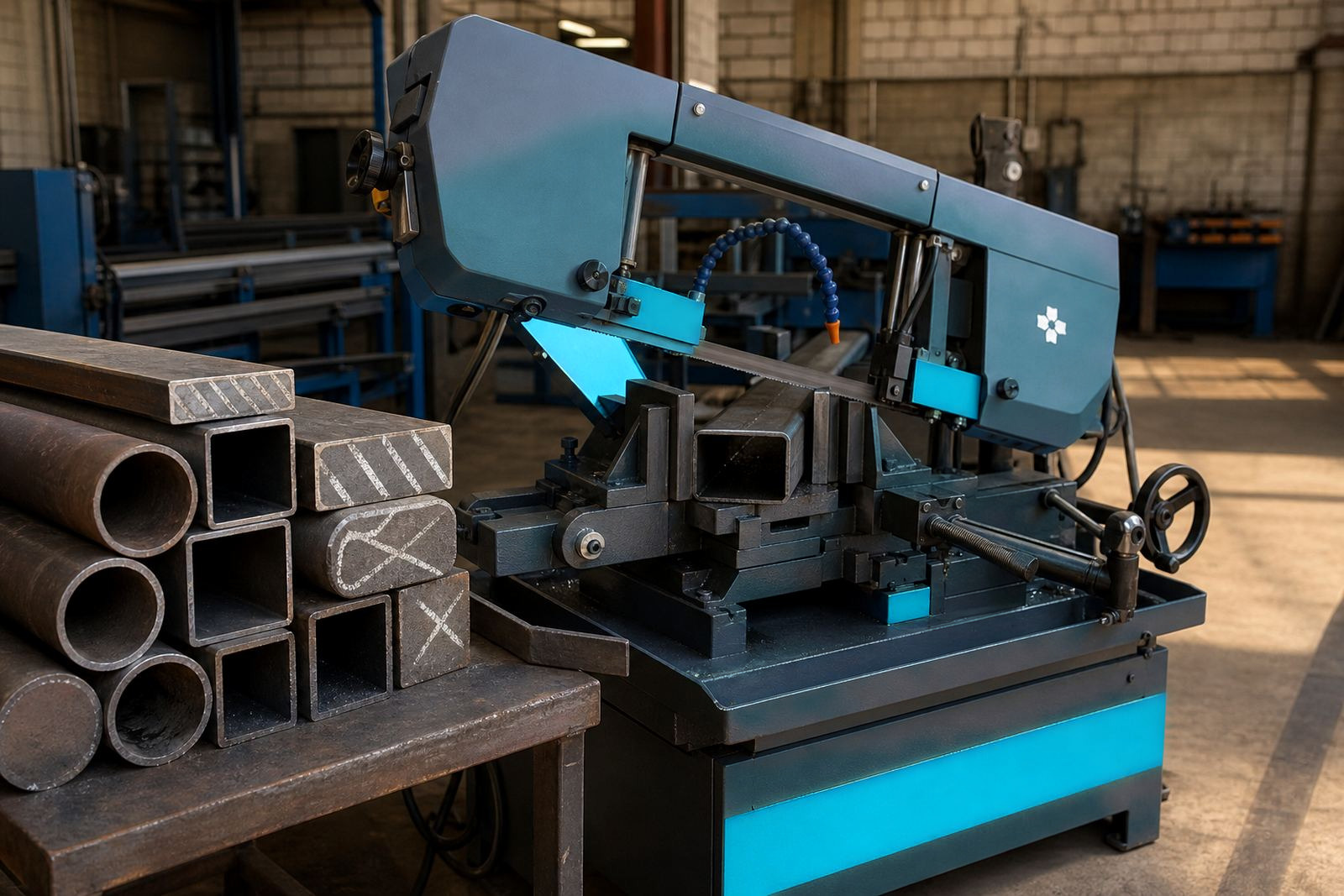
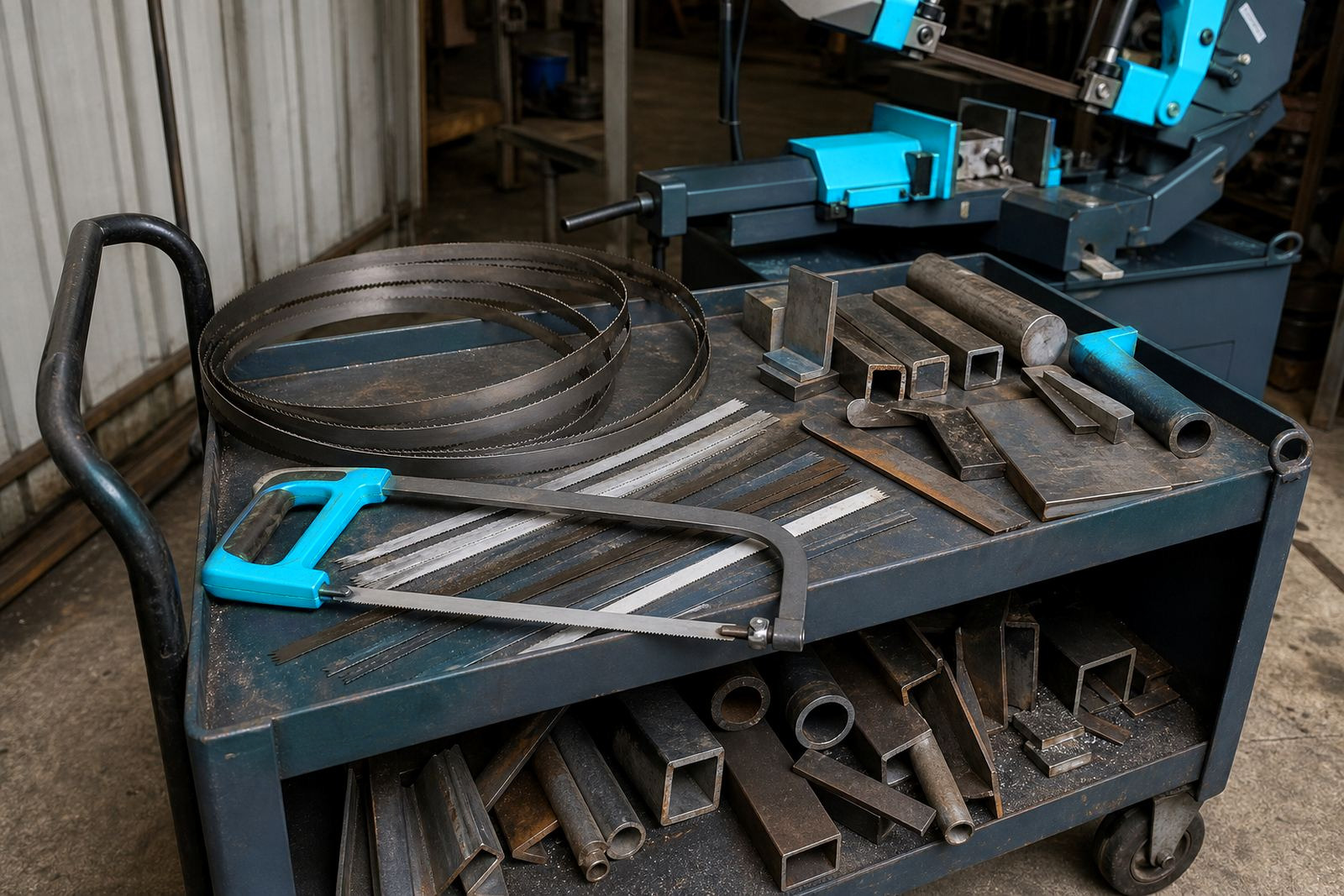
Picking the blade from the material first
Start with the metal, then match the blade to the shape of the job. Mild steel section, solid bar, thin wall tube and stainless all behave differently at the teeth, and the wrong choice shows up as chatter, crooked cuts or a blade that dulls too fast. A good guide also looks at whether the saw is manual or powered, because feed pressure and stroke control change the way the teeth enter the work.
- Use finer tooth pitch for thin wall sections and small solid sections.
- Use coarser pitch for large solids and heavier section sizes.
- Keep tooth contact steady throughout the full cut, including at entry.
- Check whether the machine suits bi-metal or carbon steel blade stock.
Pitch, thickness and width are one decision
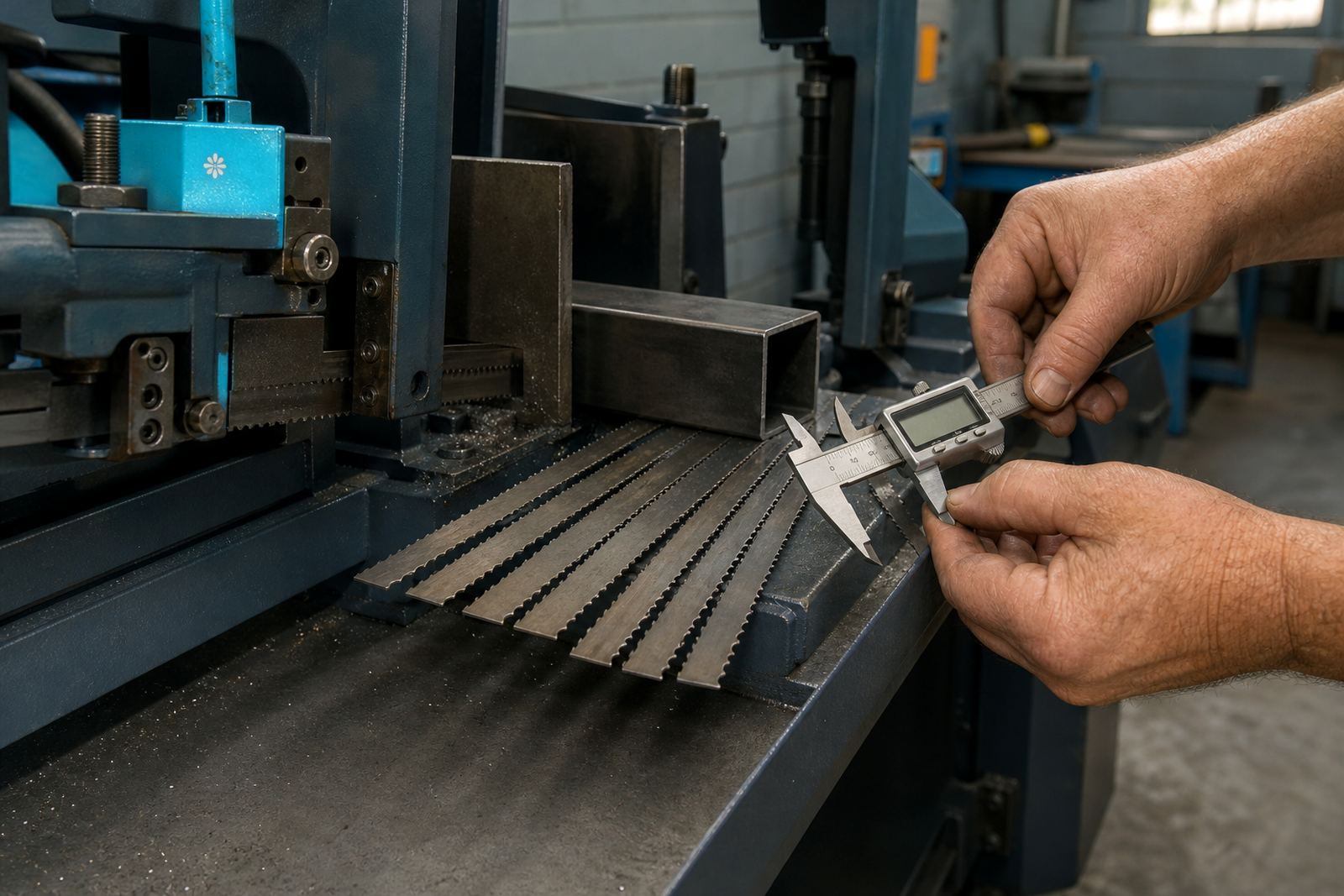
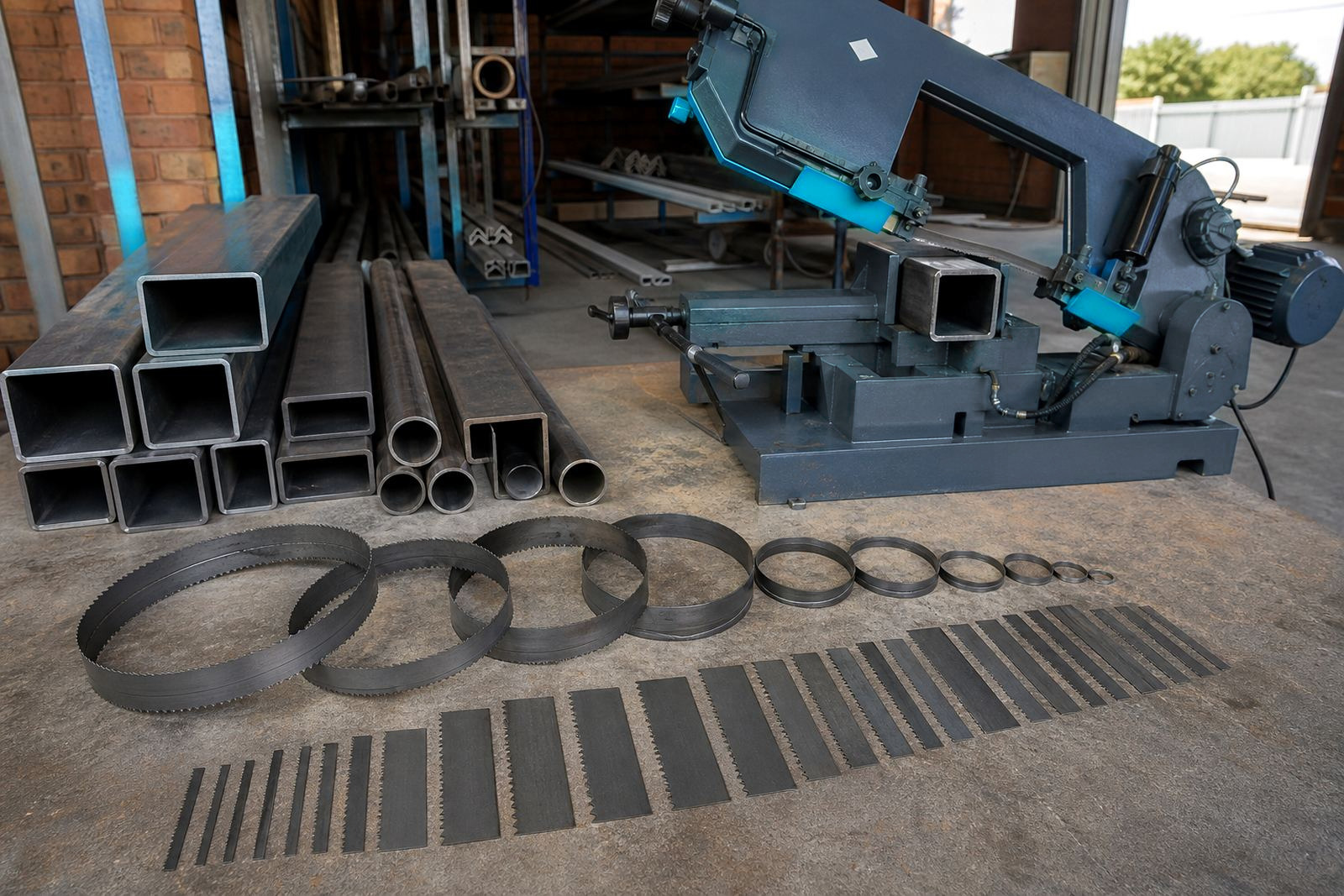
Tooth pitch is a key part of blade selection. It works with blade width and thickness, and the three must suit the material and the saw. A narrow blade turns more easily on small machines and tight radii, while a wider blade holds straighter on heavier frames. Thickness affects stiffness and fatigue life, but it must still weld cleanly and track properly through the guides.
Variable pitch blades are useful where a job mixes section sizes or where vibration is a problem. They help break up the rhythm of the cut, and that can reduce noise and tooth harmonics on some machines. For straight production work, a fixed pitch blade may still be the better fit when the stock size stays consistent.
What run-in, feed and speed change at the teeth
New blades need a sensible run-in. The first cuts should be lighter, with reduced feed and a steady approach, so the tooth tips settle without stripping. After that, feed and speed can be set according to the material and the saw frame. Too much feed loads the teeth, too little feed makes them rub and glaze.
- Use lighter feed for the first cuts on a fresh blade.
- Keep the blade speed suited to the material being cut.
- Watch the chip shape, because it tells you a lot about the setup.
- Adjust pressure before the cut starts to wander or squeal.
Coolant, chips and heat are part of blade choice
On longer runs, check the coolant, especially where heat builds in dense material or in a warm workshop. The right flow helps clear chips, keeps the blade face cooler and reduces tooth wear. A dry cut can be acceptable in some manual work, but once the load rises the blade needs cleaner conditions or it will tire early.
Chip colour and shape are useful clues. Blue or dusty chips often point to heat or poor feed, while long stringy chips can mean the pitch is too fine or the speed is off. Read those signs before the edge is wasted.
When a weld-to-length service saves time at the bench
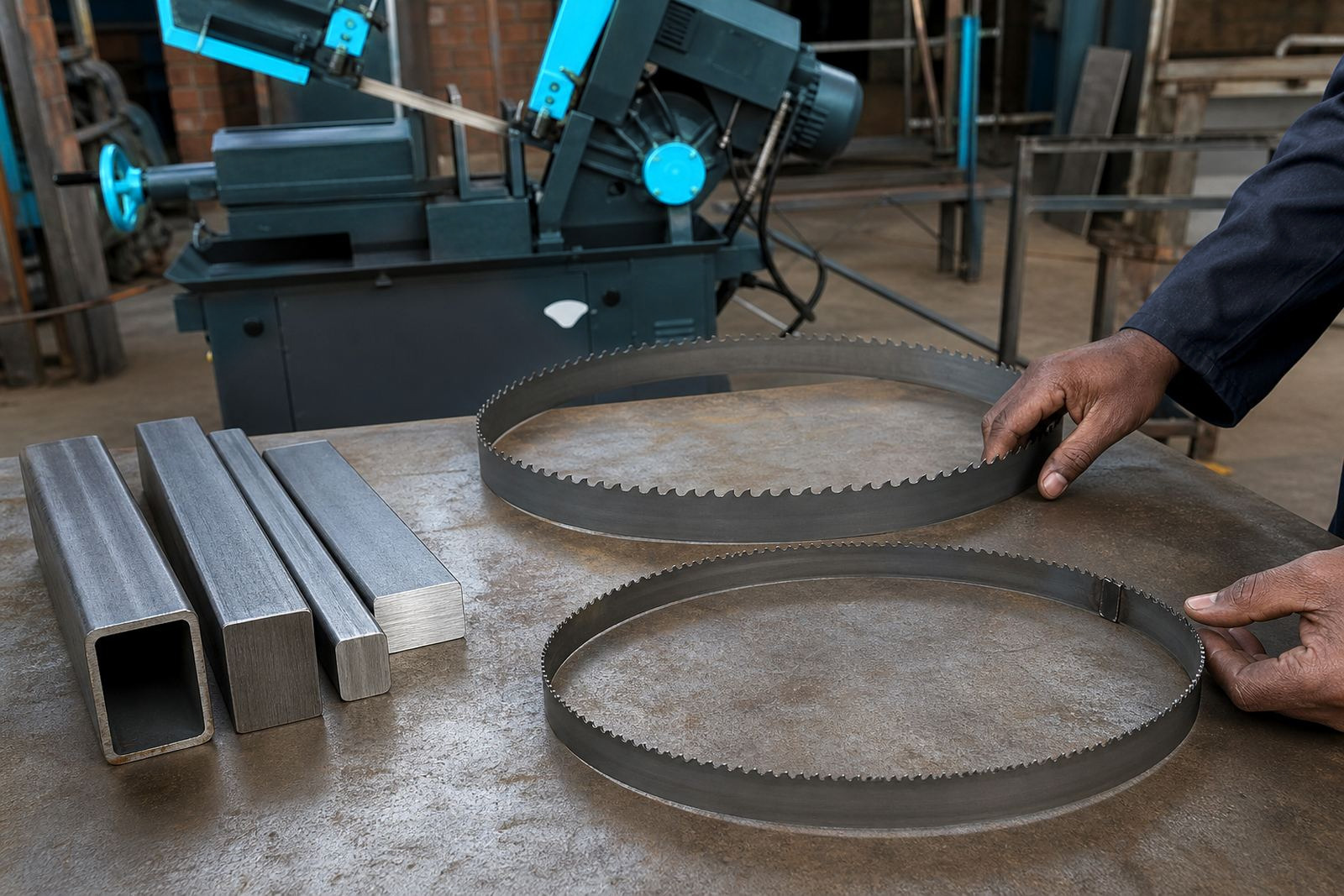
Some workshops need a blade made to the exact loop length for a specific saw. That is where weld-to-length service helps. It keeps the blade matched to the machine frame and avoids awkward stocking in odd lengths. Re-measure blade length after machine repairs, guide changes or on a frame that has seen wear over time.
- Confirm the machine’s required blade length before ordering.
- Check guide and wheel condition before fitting a new blade.
- Look at the weld finish so it passes smoothly through the guides.
- Match the blade type to the saw’s tension range and frame design.
Starter kits and stock patterns for busy workshops
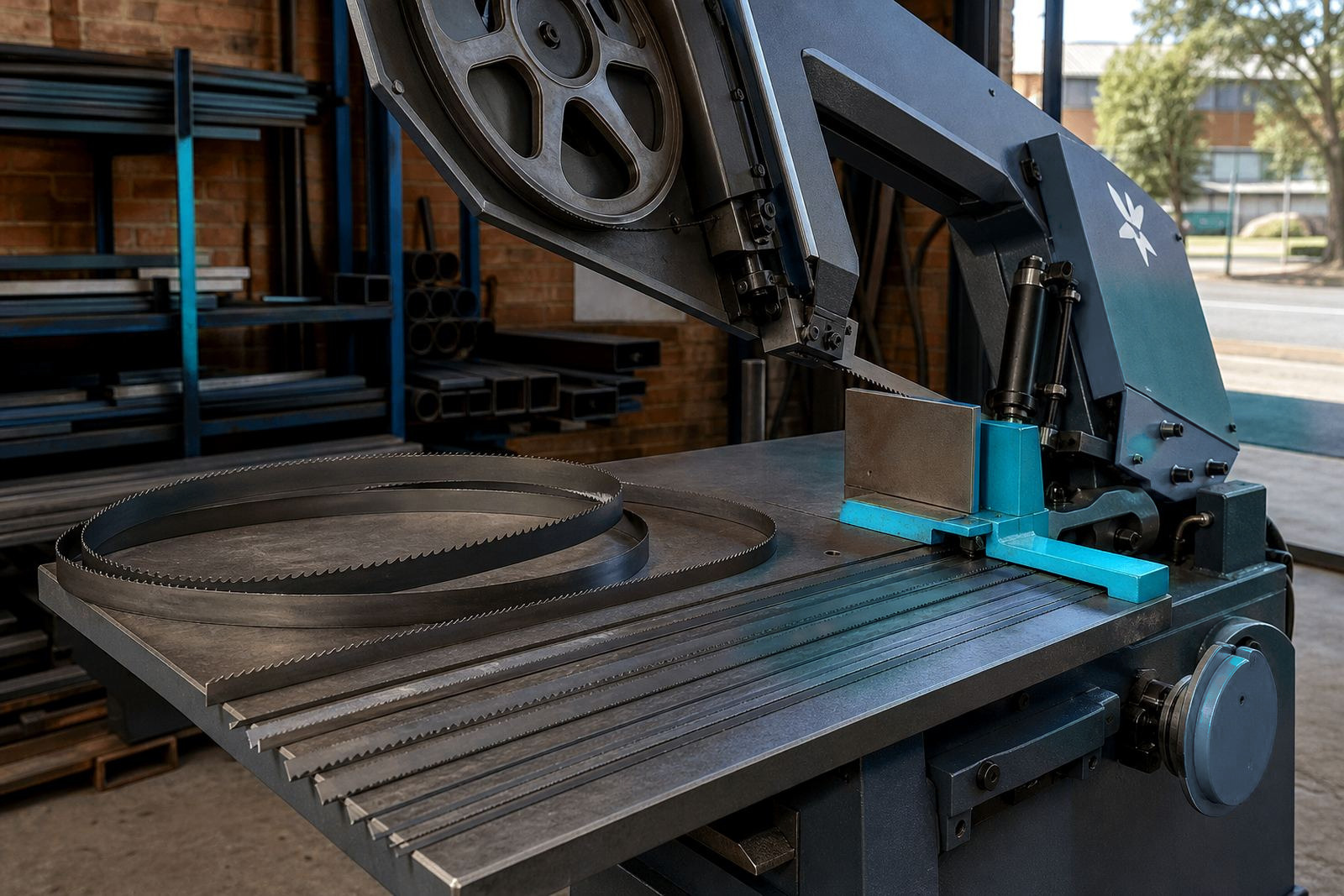
Starter kits help a workshop cover common jobs without filling the store room with blades that never move. A sensible mix usually covers coarse, medium and fine pitch options, with the right widths for the main machines on site. Stock standardisation then makes it easier to keep replacement blades consistent across branches and shifts.
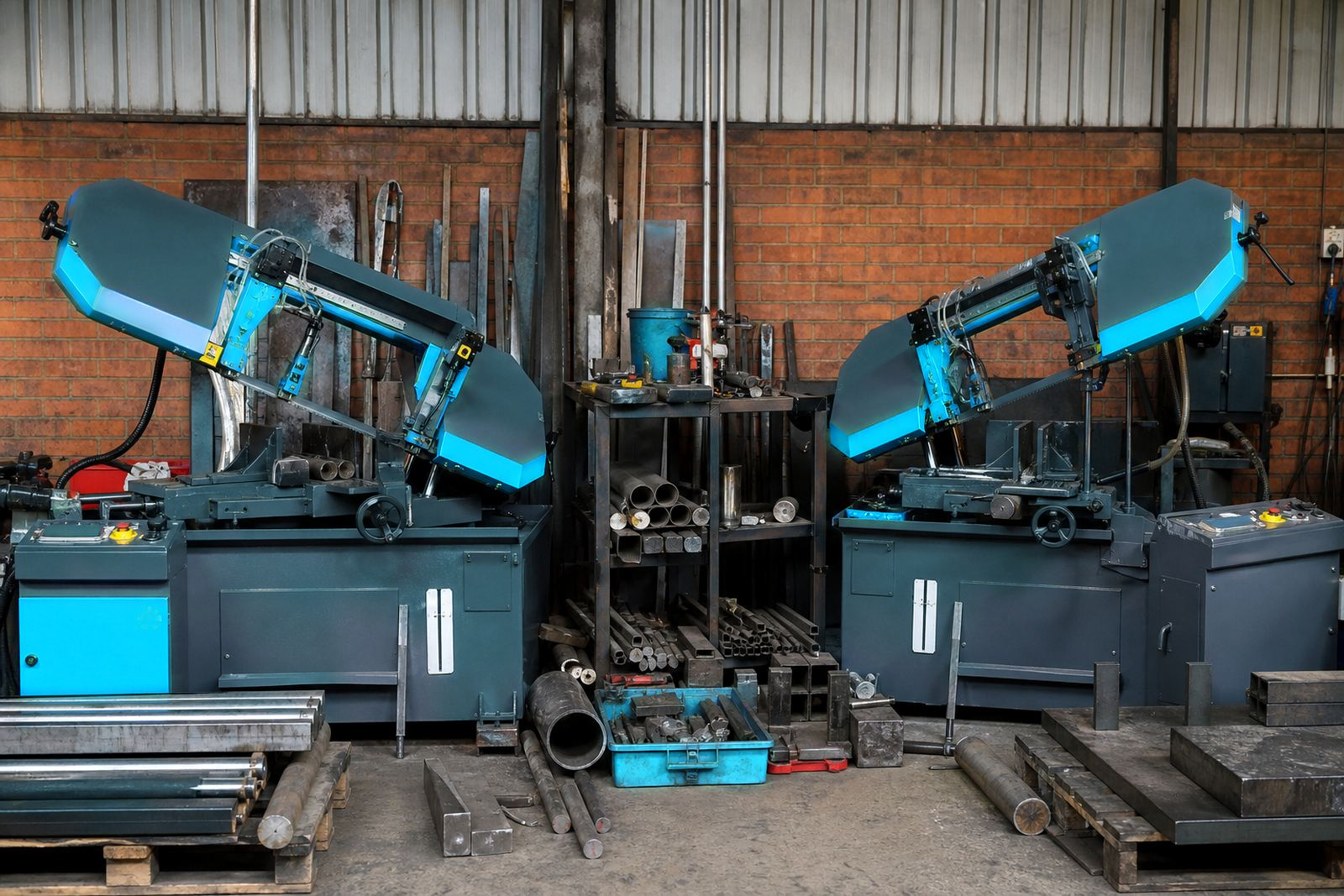
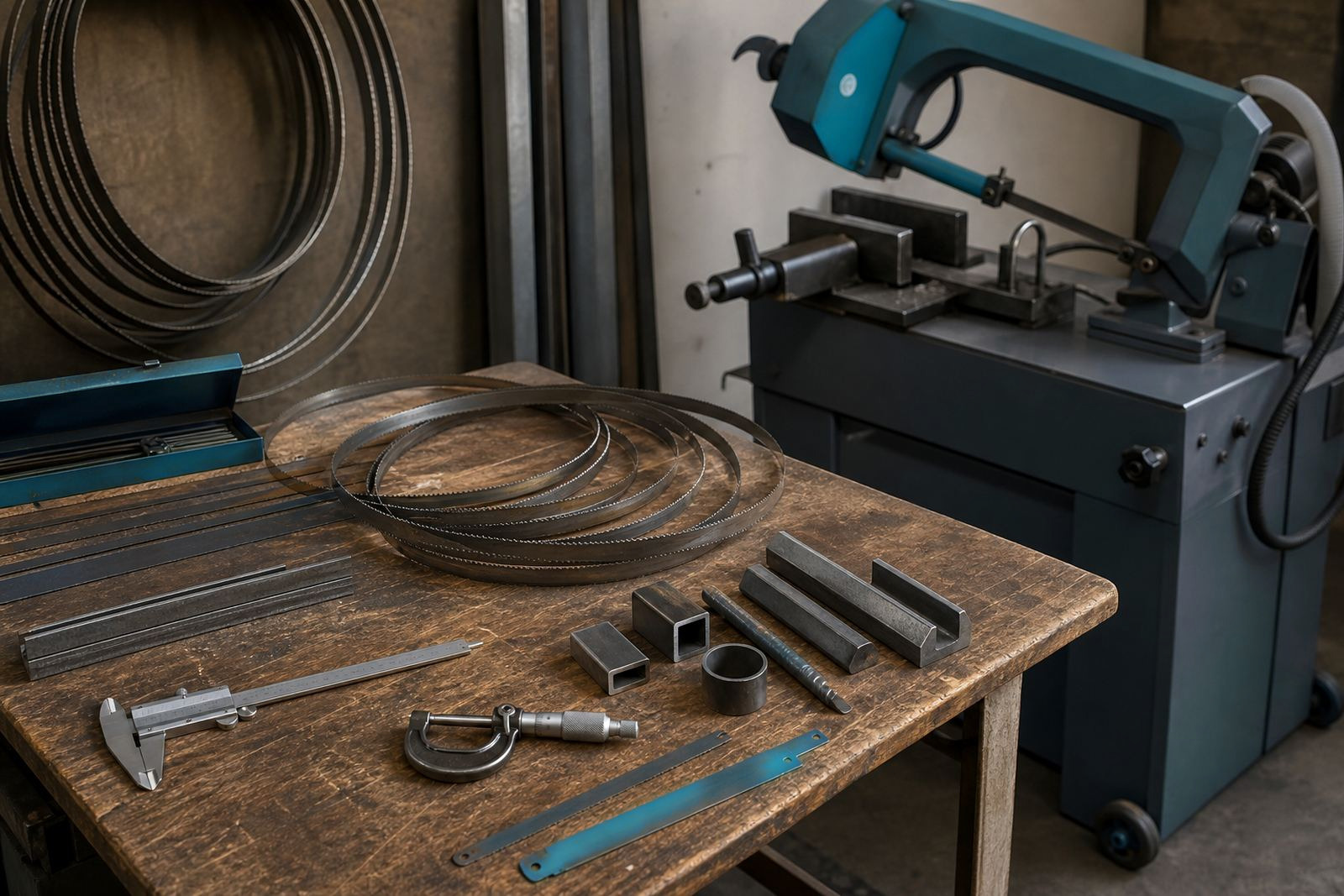
For teams running bandsaws and hacksaws across more than one site, a clear blade pattern reduces guesswork. When the same material is cut on different machines, the blade choice can stay consistent while the feed and support method is adjusted for each saw.