Where the M42 thick section blade is used
This blade sits in the bi-metal group, with an M42 tooth edge used for metal cutting where heat and wear are part of the day. The backing strip stays flexible while the tooth line handles the cut, so the blade can run on production saws and manual saws set up for metalwork.
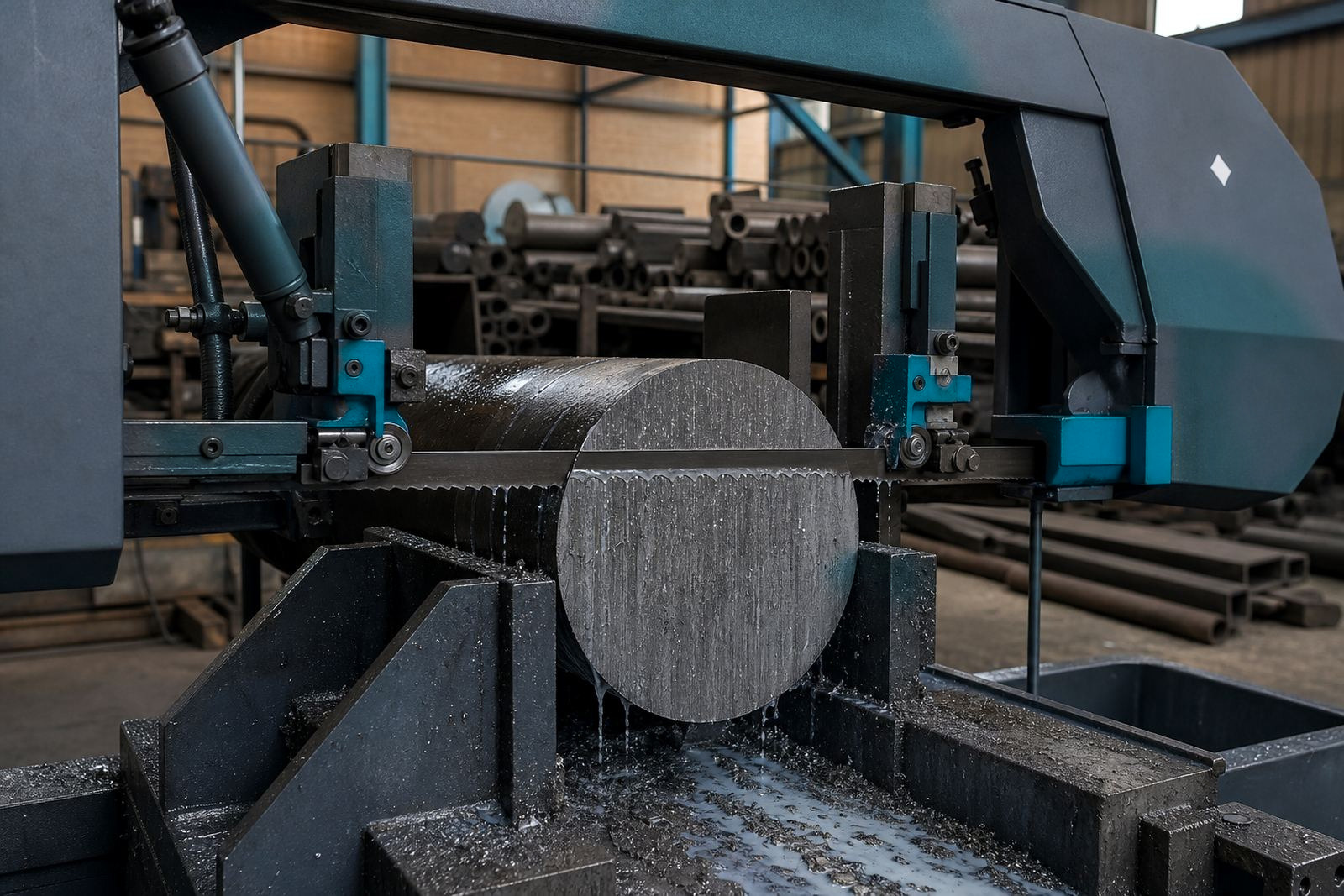
For thick section jobs, the pitch is coarser than general purpose stock. Gullets carry chips out of the cut and reduce packing that can shorten blade life. A better match for larger diameters, heavy wall section and bundles with enough material under each tooth, it keeps the cut stable.
- Bi-metal construction with M42 tooth edge
- Coarser pitch for larger cross-sections
- Works with steel, structural sections and mixed workshop cutting
- Can be welded to length for the machine in use
Pitch, width and thickness that suit the cut
M42 thick section blades are usually specified by width, thickness and tooth pitch. Those three details decide how the blade tracks, how it clears chips and how much support it has in the cut. Wider blades give more tracking control on straight cuts, while narrower widths can suit smaller machines or tighter wheel sets.
Tooth pitch needs to match the material cross-section. A coarser TPI is usually better for thicker solids and heavy sections, while variable pitch can calm vibration on mixed loads or long runs. A heavier strip can add body in wider saws, but check the machine guides and wheel condition first.
- Common widths can include 13 mm, 19 mm, 27 mm and 34 mm
- Thickness options are selected to suit the saw and wheel diameter
- Coarse TPI helps on thick sections and bundle cutting
- Variable pitch can reduce chatter on awkward material packs
Where this blade earns its keep in the workshop
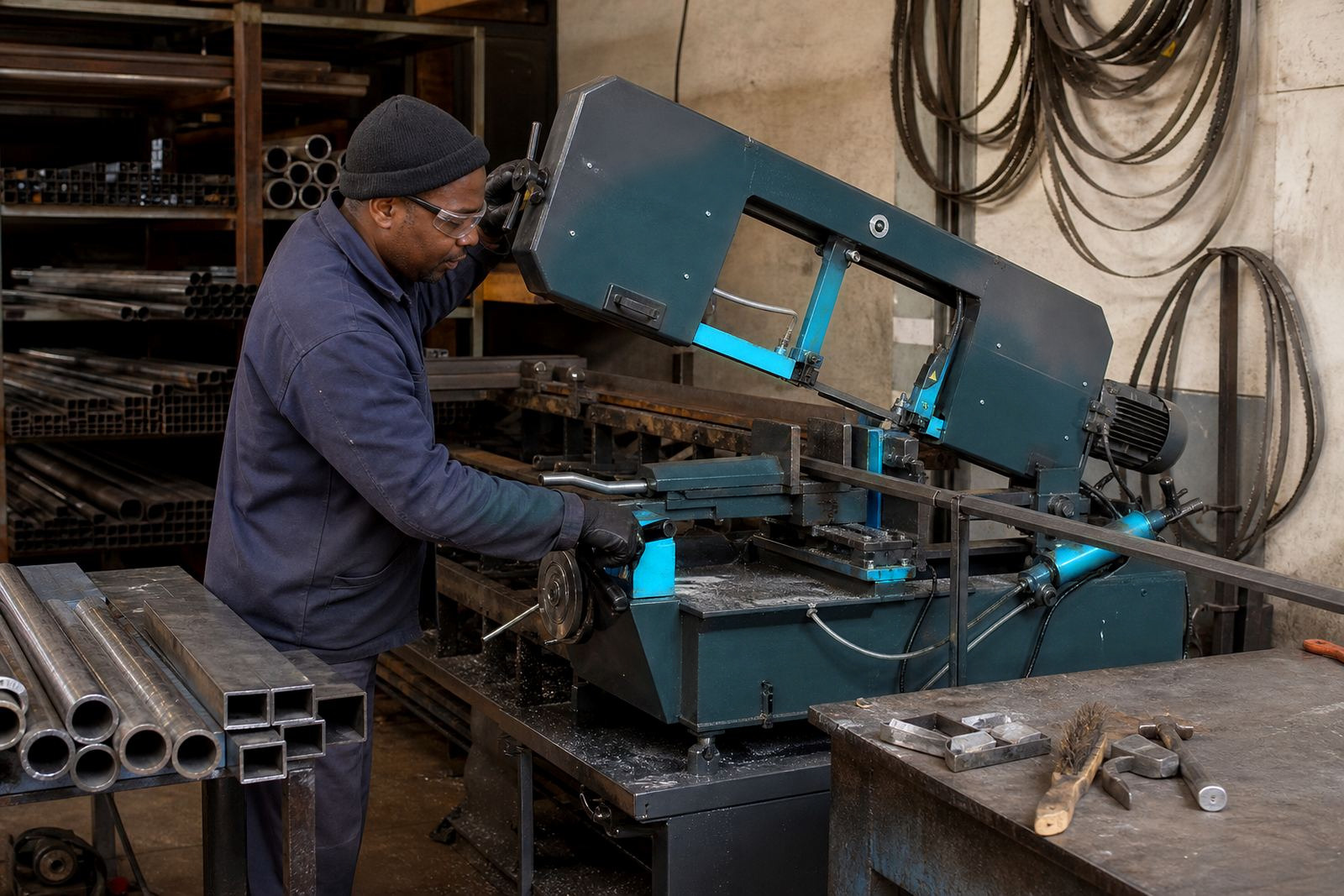
This blade suits fabrication yards, machine shops and maintenance teams working through larger metal stock. It is often used on solid round bar, heavy square bar, thick walled pipe, structural channel and plate pieces that would choke a finer blade. In Durban coastal air, a stored blade should be kept dry, because surface rust can affect set and tracking before the first cut.
The thick section range is also useful where the same saw sees different jobs through the week. A well chosen pitch keeps the cut cleaner on large stock and avoids the tooth loading that comes from forcing a fine pitch through heavy material. For mixed stock, it helps to separate the blades by job rather than pushing one blade across every material on the floor.
- Heavy fabrication and repair work
- Large diameter solids and thick wall sections
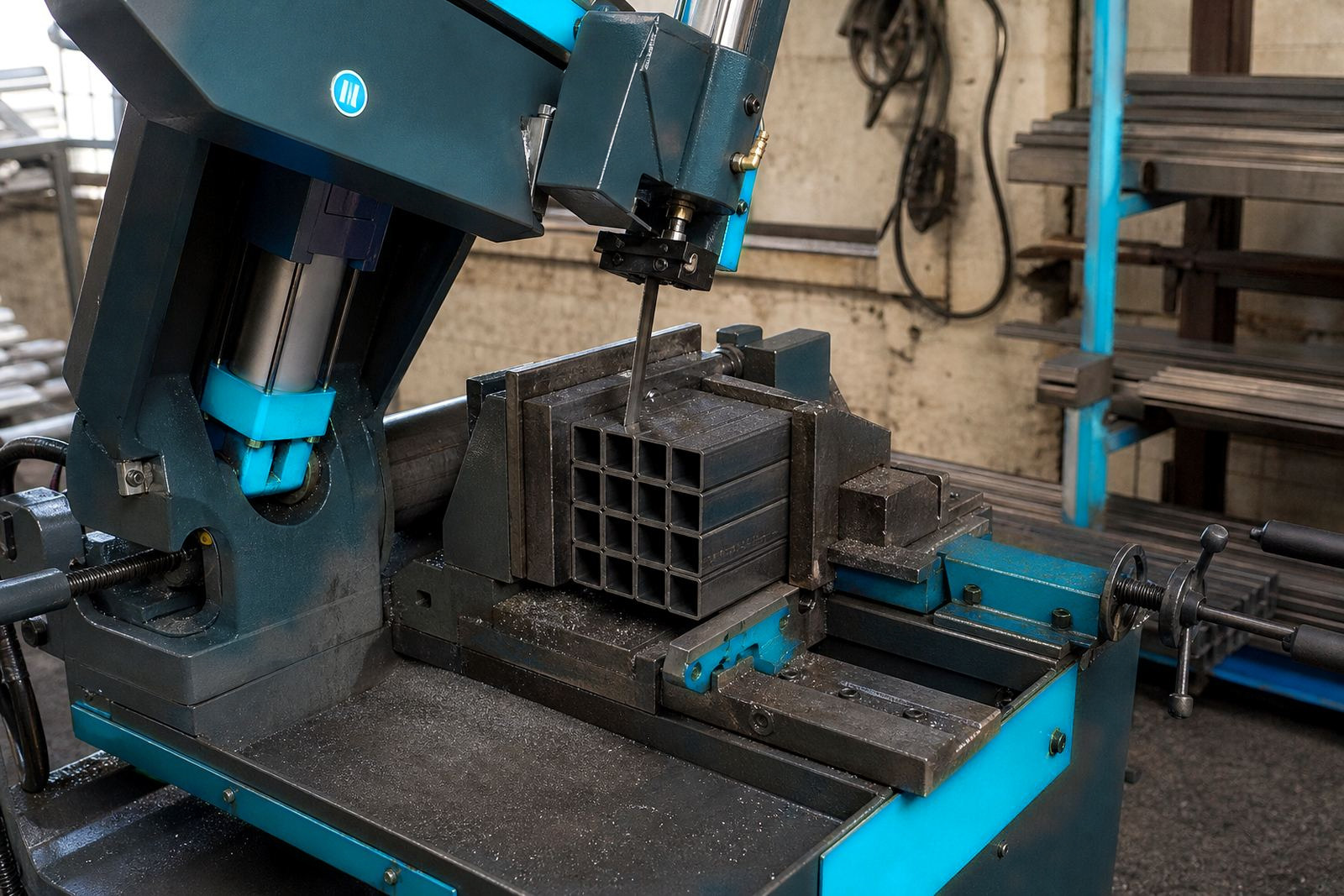
- Bundle cutting where chip space is needed
- Workshop saws handling repeated long cuts
Fitting the blade and setting the saw properly
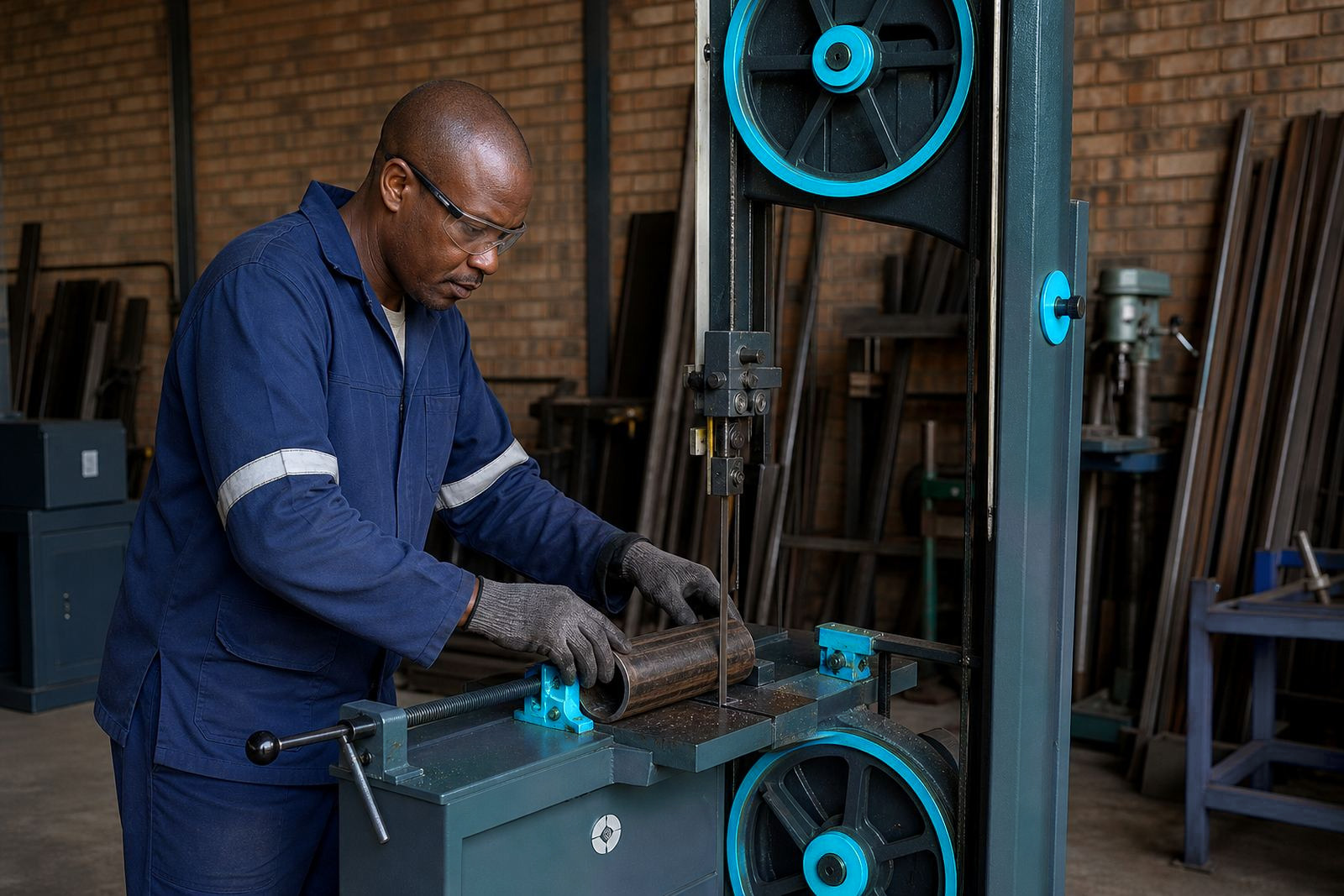
Blade fitting needs the right tooth direction, proper tension and guide alignment before the blade is put to work. If the blade width is new to the machine, the guides should be checked for clearance and support, and the wheel crowns should be in good shape so the blade tracks without wandering.
M42 blades need a run-in. A fresh blade should start with a lighter feed and a sensible surface speed so the tooth tips can settle before full production cutting. Coolant also helps, especially on longer cuts and harder material, because it carries heat away and keeps the gullets cleaner. On manual saw work, a steady hand on feed is still part of the cut.
- Check blade direction before fitting
- Set tension and guide pressure to the machine size
- Use lighter feed during run-in
- Keep coolant delivery clean and aimed at the cut
Care between cuts and signs the blade is tired
A thick section blade lasts longer when it is cleaned, dried and stored flat or hung properly after use. Chips left in the gullets can harden and start the next cut badly, so the blade should be brushed off before it is put away. In humid areas such as Cape Town and Durban, a light film of protection on stored stock helps keep the tooth line from staining.
Wear is often visible in a few ways. The cut may drift, the teeth may start to polish instead of bite, or the machine may need more pressure to keep moving. If the blade has a hard kink, missing set or burnt tooth line, it is usually better to review the cut pattern and the machine setup before putting that blade back on the saw.
- Brush chips out after cutting
- Store blades dry and out of floor moisture
- Watch for wandering cuts or polished teeth
- Review coolant, feed and speed if heat marks appear
Details to confirm before a weld-to-length supply
M42 thick section blades need the saw model, blade length, width, thickness and the material cut in the workshop. Tooth pitch needs to match the heaviest section in the job and the lightest piece on the rack. If the machine also cuts smaller stock, a separate blade may be a better fit than forcing one pattern to cover everything.
Please say whether the saw is a manual machine or a powered band saw, the wheel diameter and whether coolant is used on the cut. For customer stock control, blade length verification and standardisation can prevent mismatched reels and waste on the floor.
- Machine make and blade length
- Material type and thickest section size
- Required width, thickness and TPI
- Any coolant, guide or wheel notes
Key facts
| Product type | M42 bi-metal bandsaw blade for thick section metal cutting |
|---|---|
| Tooth edge | M42 high speed tooth line on flexible backing strip |
| Pitch | Coarser TPI suited to larger cross-sections and chip clearance |
| Widths | Common workshop widths can include 13 mm, 19 mm, 27 mm and 34 mm |
| Options | Variable pitch, blade thickness selection and weld-to-length supply |
| Service support | Tooth pitch selection, blade width selection, run-in guidance, coolant checks and machine fit check |