How mild steel bar behaves at the blade
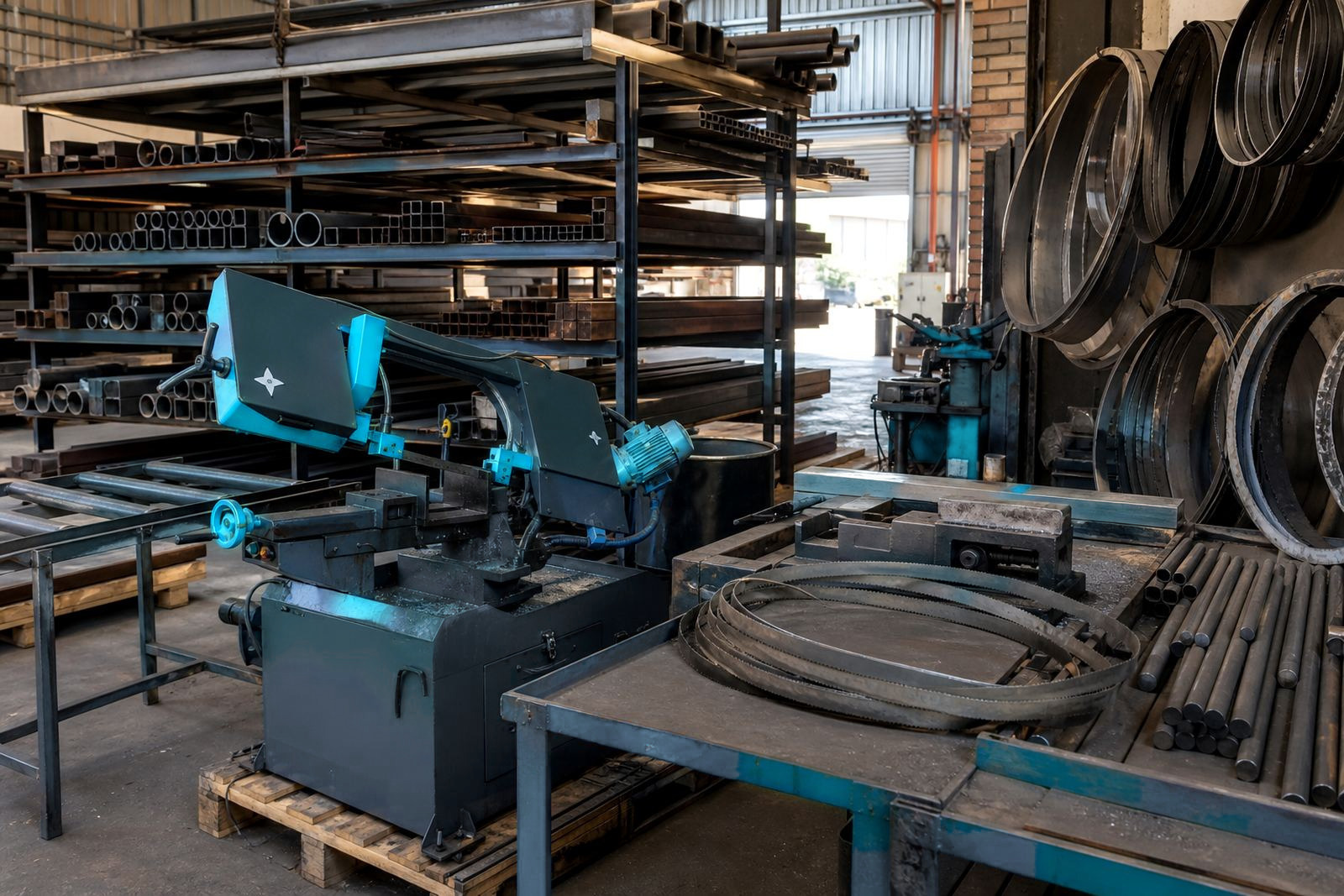
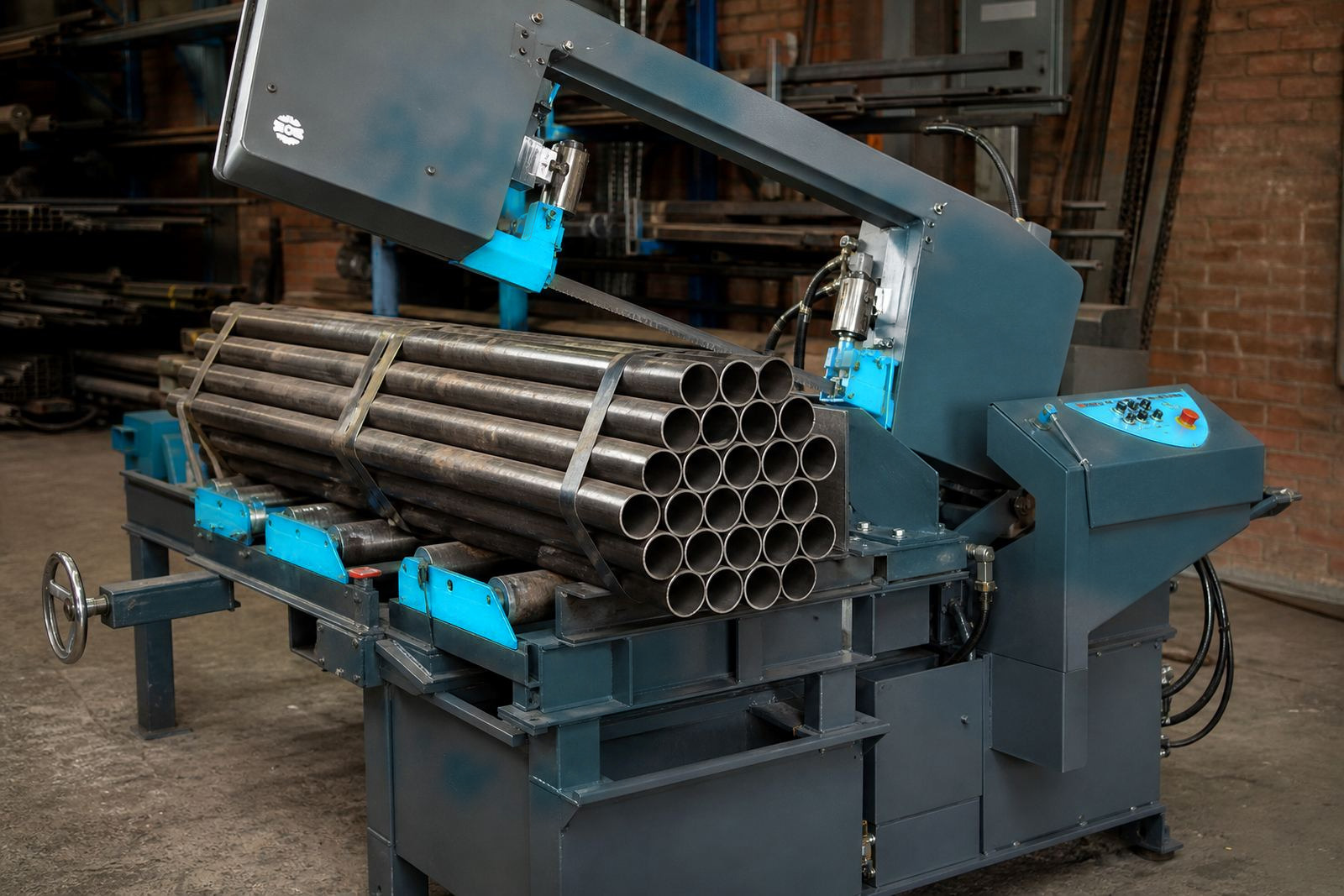
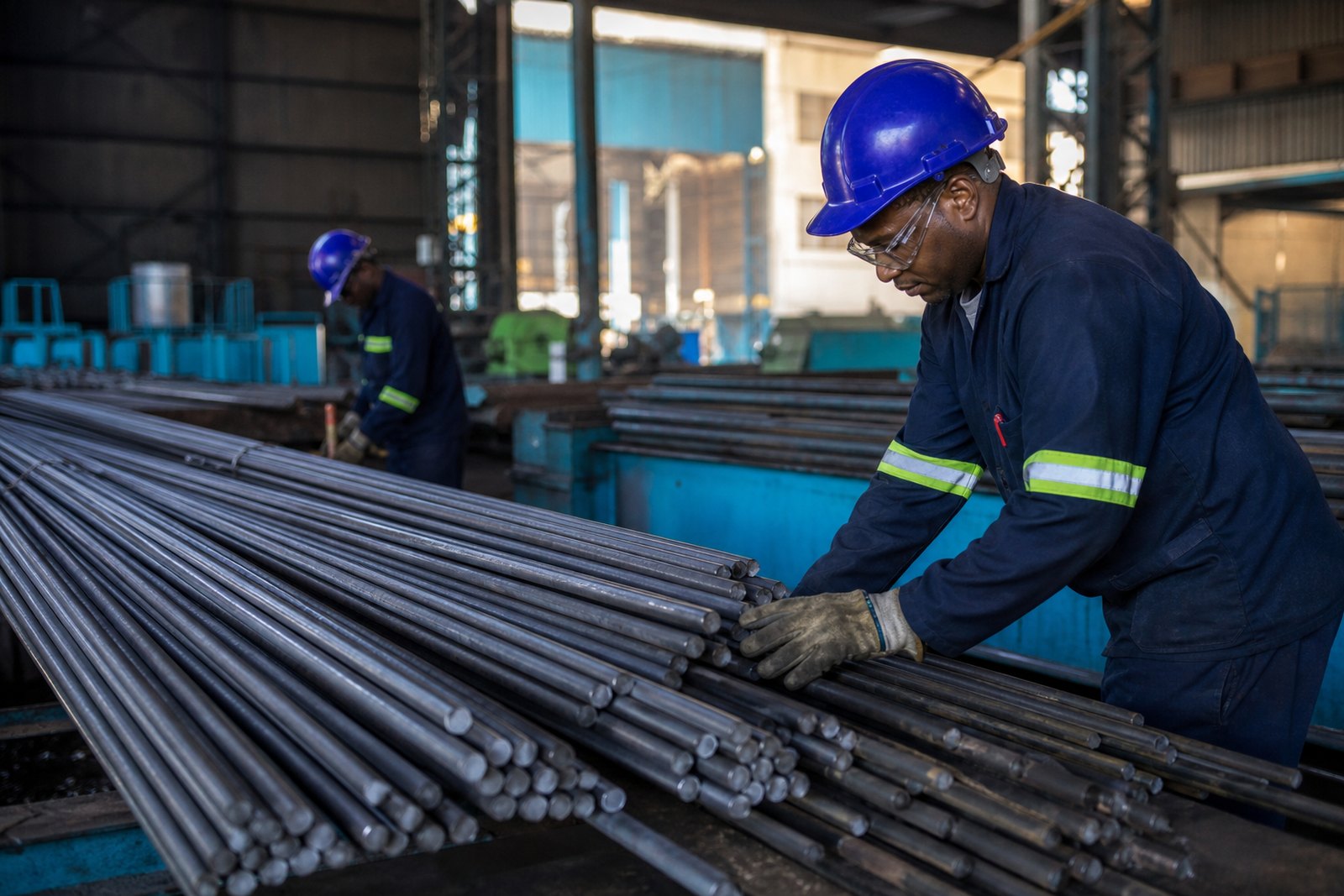
Mild steel bar is usually cut on bandsaws and hacksaws in fabrication shops, maintenance bays and smaller production rooms where the material arrives in mixed bundle lengths. Round bar tends to roll into the cut if clamping is poor, while square and flat bar can bite the teeth unevenly if the feed is pushed too hard. A bi-metal blade with a harder tooth edge is often the practical starting point for repetitive work, while carbon steel can still suit lighter manual saw use on shorter runs.
For routine workshop cutting, the main decisions are tooth pitch, blade width and blade thickness. A fine pitch helps on smaller diameters and thin wall sections, but solid mild steel bar usually needs a coarser pitch so the gullets clear swarf properly. Too fine a pitch will rub, heat the blade and dull the set early. Too coarse a pitch can leave a rough face and place shock on the teeth when the bar is thin or clamped badly.
- Round bar needs even support and a steady feed.
- Square bar cuts cleaner when the blade is stable in the kerf.
- Flat bar often needs attention to clamp pressure and tooth contact.
Blade choices that suit everyday bar cutting
For mild steel bar, a variable pitch bandsaw blade is often useful where the shop cuts a mixed basket of sizes. The varied tooth spacing helps reduce vibration and can quieten the cut on long bundles or awkward section changes. A straight pitch blade still has its place on dedicated work where the diameter range is narrow and the machine is set for a fixed product line.
Bi-metal M42 blades are widely used for this type of work because they keep a hard cutting edge while the backing strip flexes under load. Our machines run all day with different operators, so the blade needs some forgiveness when feed pressure changes. Carbon steel blades are still suitable for manual hacksaws and lighter bench work, especially on a tight budget where long life is less of a priority. The trick is matching the blade to the job instead of fitting a general blade and hoping it survives.
We also confirm blade width. Heavier bandsaws track a wider blade better, and it stays straighter through bundle cuts. A narrower blade can suit smaller machines and tighter handling. Thickness affects stiffness and heat handling, so the right combination depends on the saw frame, the vice grip and the size of bar going through it.
- Variable pitch helps when bar sizes change through the week.
- Wider blades improve straight tracking on heavier saws.
- Carbon steel suits simpler manual cutting work.
Set-up notes for shops in Alberton, Germiston and beyond
A clean cut starts before the teeth touch the metal. The saw needs the bar secured with enough grip to stop movement, but not so hard that thin flat bar is crushed or twisted. On bandsaws, the guides should sit square and the blade tracking must be checked after fitting. On hacksaws, set the frame tension and blade alignment with care, because a loose blade wanders and a hard pull snaps teeth early.
In the Johannesburg, Pretoria and Vereeniging areas we often see mixed racks of material being cut on the same machine. Starter kits and stock standardisation help there. A shop can keep one blade family for light section work, another for heavier bar and a separate manual saw blade for site repairs. It saves time when the crew knows which pitch belongs to which bundle, and it cuts down on mistakes at changeover.
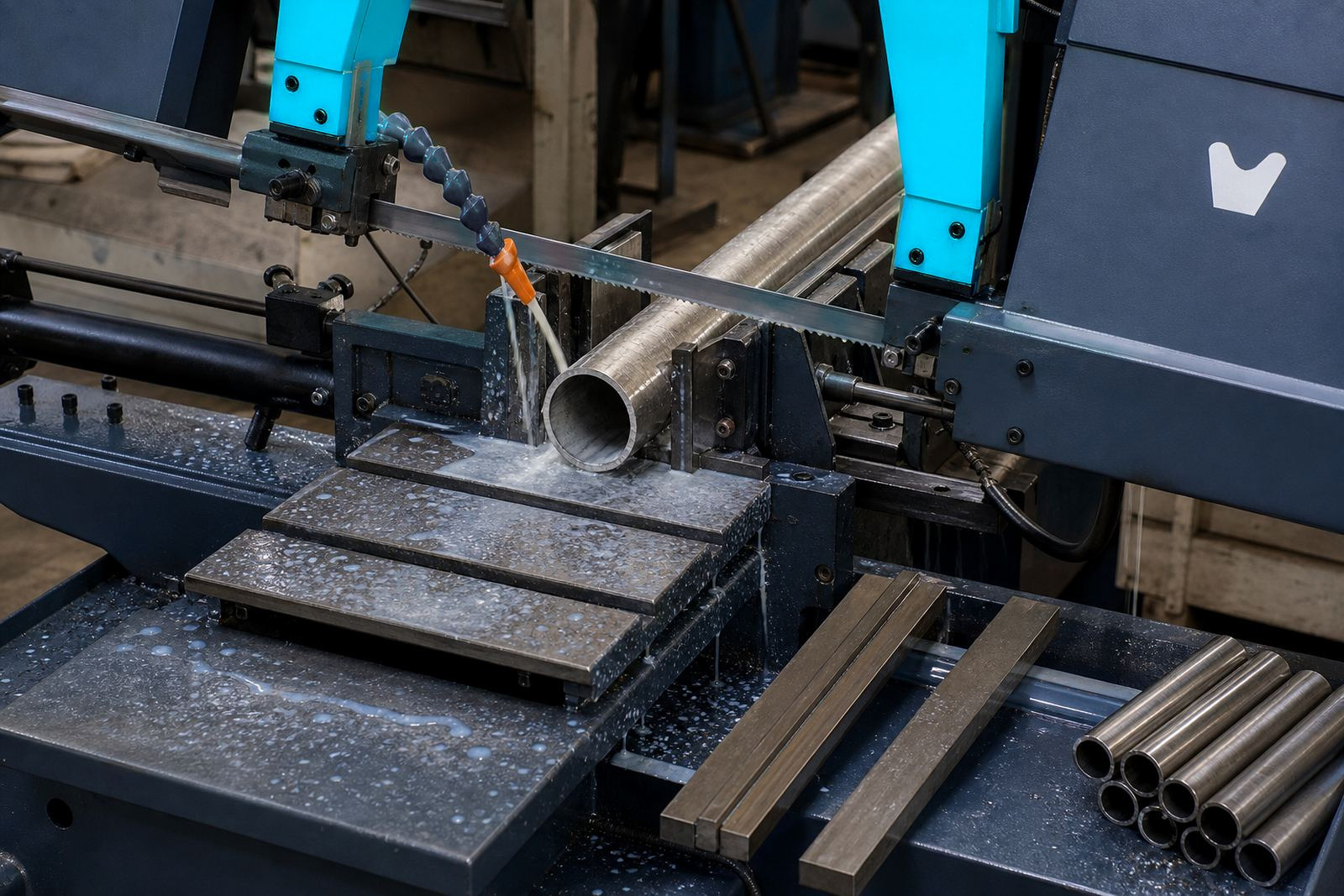
Where coolant is available on the machine, it should be checked before long runs. Mild steel generates heat and dry cutting on a tired blade tends to leave blue marks, tooth wear and a poor finish. Coolant helps the blade stay cooler and clears fine swarf from the cut. Poor feed pressure still needs to be corrected.
Run-in, feed and speed for cleaner bar cuts
A new blade should be run in gently, especially on solid mild steel bar. The first few cuts are where a careful feed sets the tooth edge properly and helps the blade settle without chipping. Rushing that stage can shorten the working life of a good blade, even on a strong saw with proper clamping.
Feed speed is set along with the tooth pitch. If the operator pushes too hard, the blade will chatter and the kerf will open unevenly. If the feed is too slow, the teeth rub instead of cutting and the blade heats up. The right balance depends on section size, machine power and whether the bar is round, square or flat.
- Use a steady feed and avoid forcing the cut.
- Check swarf shape during the first cuts.
- Slow the pace if the teeth start rubbing.
- Keep the blade sharp enough for the material mix.
For shops in Durban and Cape Town, coastal humidity can affect stored blades and machine condition, so dry storage and regular checks are sensible. A light film of protection on unused stock helps keep rust off the backing strip and tooth face, especially when blades are held in reserve for busy weeks.
Where mistakes usually start on mild steel bar jobs
The common errors are usually practical. A blade with the wrong pitch gets used because it is already on the machine. A wider blade is fitted to a small saw that cannot guide it properly. The operator tries to cut every size of bar at the same feed rate and the result is noisy, rough and inconsistent.
Blade failure review often shows a pattern: poor clamping, worn guides, no run-in, or a blade that was chosen for a lighter material. Mild steel bar may look forgiving, but it punishes lazy set-up. If the teeth are too fine, chip packing builds up. If the blade width is too narrow for the saw, the cut drifts. If the coolant is dirty or low, heat builds faster than the blade can shed it.
For mixed workshops, length verification is worth adding to the routine. A blade welded to length needs to suit the actual machine wheel size and throat capacity, as well as the nameplate figure. That check is especially useful where one site handles short maintenance cuts and another runs longer production lengths.
Rand planning for blades, kits and workshop stock
Budgeting for mild steel bar cutting usually means separating everyday use from emergency stock. A carbon steel hacksaw blade is the low-cost entry point for manual work, while bi-metal bandsaw blades cost more but are better suited to repeated production cutting. Starter kits can be set up around the most common bar sizes in the workshop, with one blade for lighter stock and another for heavier section work.
For a small manual bay, a modest blade allowance may sit in the low hundreds of Rand for consumable hacksaw stock and higher for a welded bandsaw loop. A fuller workshop plan that includes multiple blade widths, pitch options and spare welded lengths can move into the low thousands of Rand, depending on machine size and how often the shop cuts. Exact numbers depend on the saw type, the blade length and whether the team wants a single standard or a wider spread of options.
From Alrode, Alberton, MoreCut Saws provides weld-to-length service, manual saw support and practical checks that keep mild steel bar cutting under control.