Mixed repair work, one shelf of blades
The workshop repairs gates, brackets, light frames and worn plant parts. One day the cut is thin wall tube, the next it is solid round bar or a short stainless offcut that has to be saved. The brief was to cut that mix cleanly without keeping a separate pile of blades for every small job.
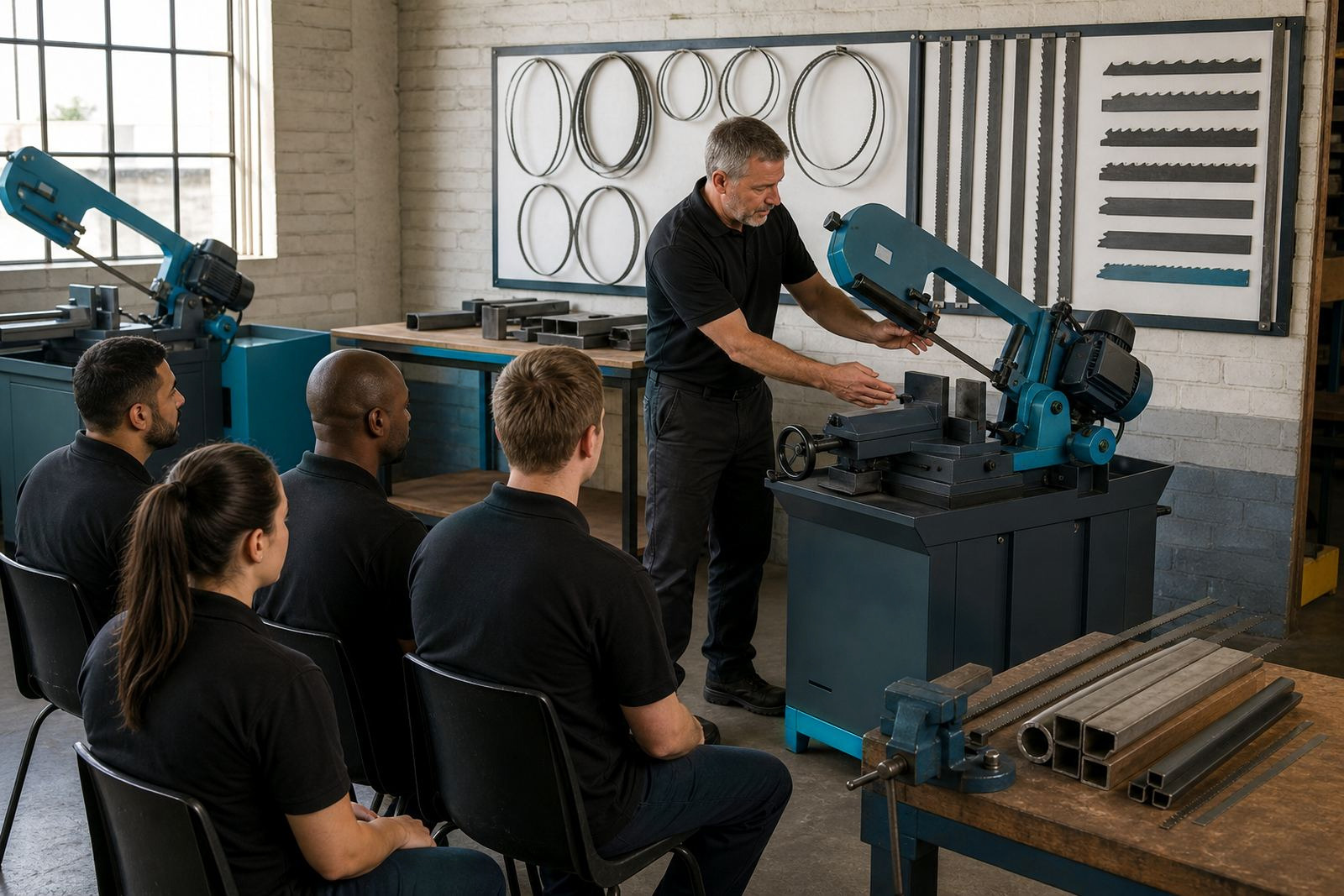
We planned the blade list around three machines in regular use: a portable saw for site work, manual hacksaws for bench and strip jobs, and a small horizontal saw for repeat cuts. The team wanted fewer changes between blade types, less breakage at the tooth line, and a setup that made sense for an average maintenance week.
- Portable saw blades for light site cutting and quick trim work
- Manual hacksaw blades for hand-held repair cuts and flush work
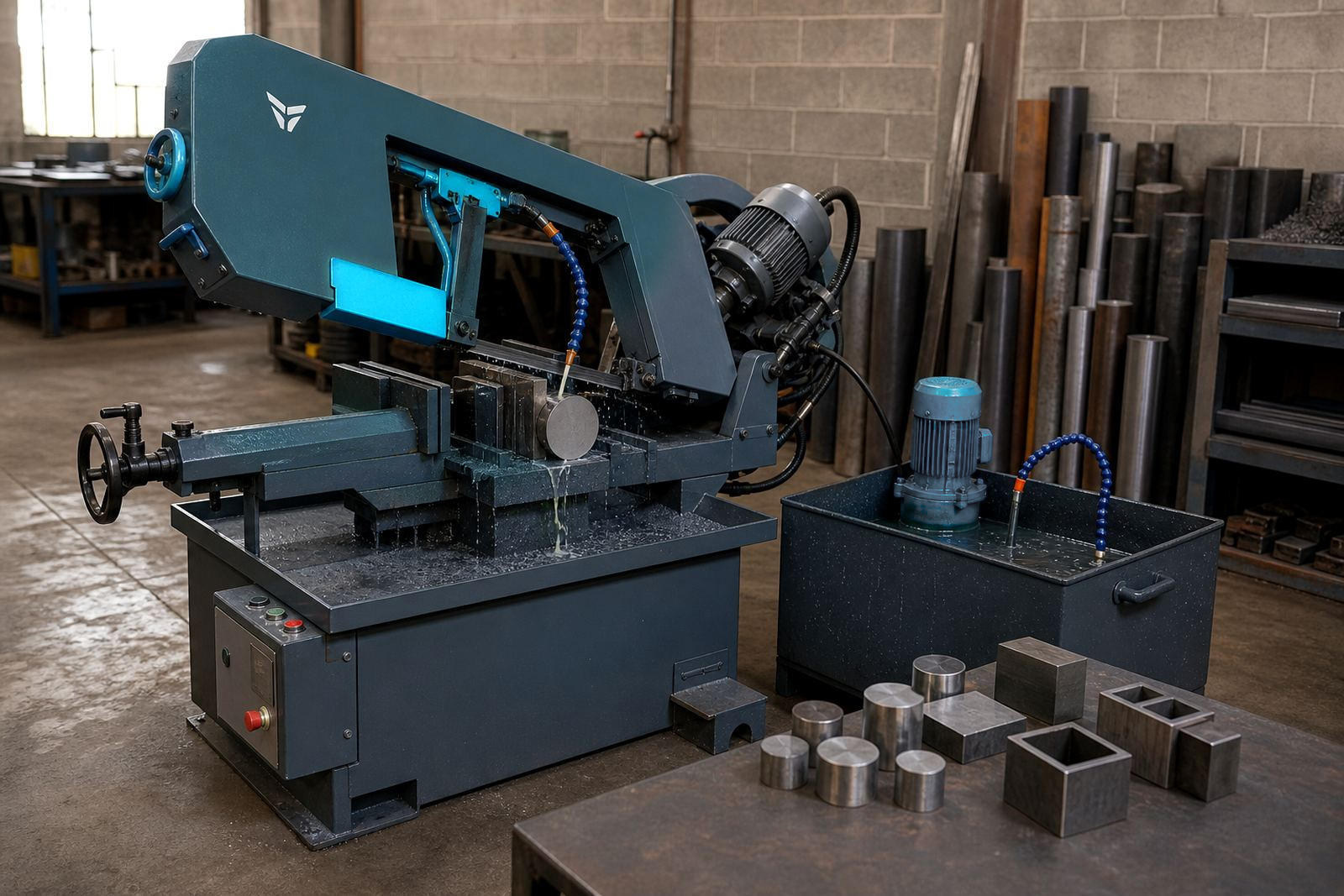
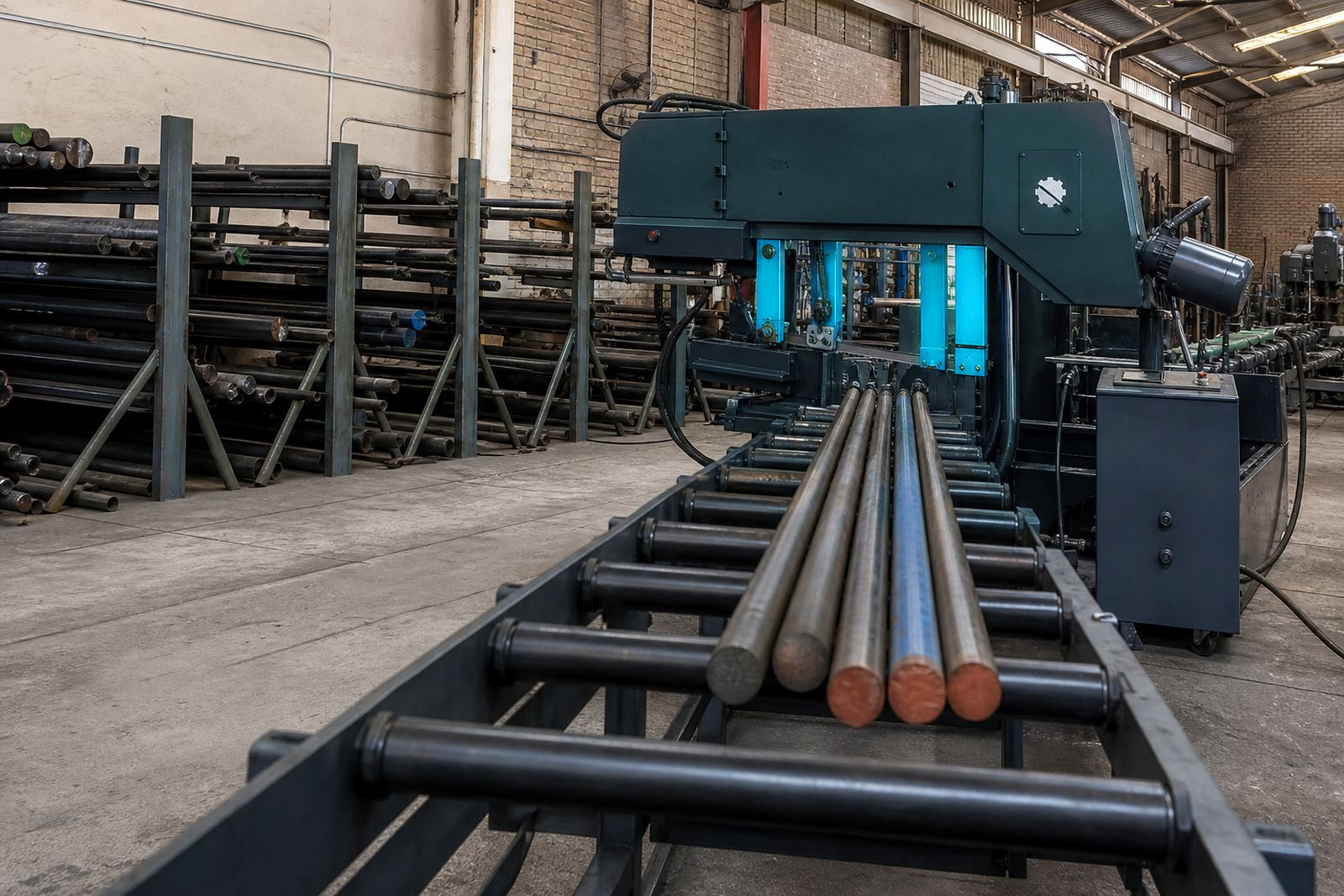
- Horizontal saw blades for bar, tube and small batch cutting
- Starter kits with mixed blade grades for first fitment and backup stock
Blade mix we put together for the bench
The blade set used bi-metal M42 for tougher sections and repeated use, with carbon steel blades kept for lighter, less demanding cuts. For the maintenance shop, that split gave a sensible balance between edge life and cost control. The bi-metal options handled harder material and interrupted cuts better, while the carbon blades stayed useful for hand sawing and softer stock.
We matched tooth pitch to the wall thickness and solid section being cut. Coarser TPI worked better on thicker bar and larger sections, while a finer pitch was safer for thin wall tube and lighter profile. Variable pitch blades helped on mixed bundles where the material changed from piece to piece, reducing chatter and giving a steadier cut face.
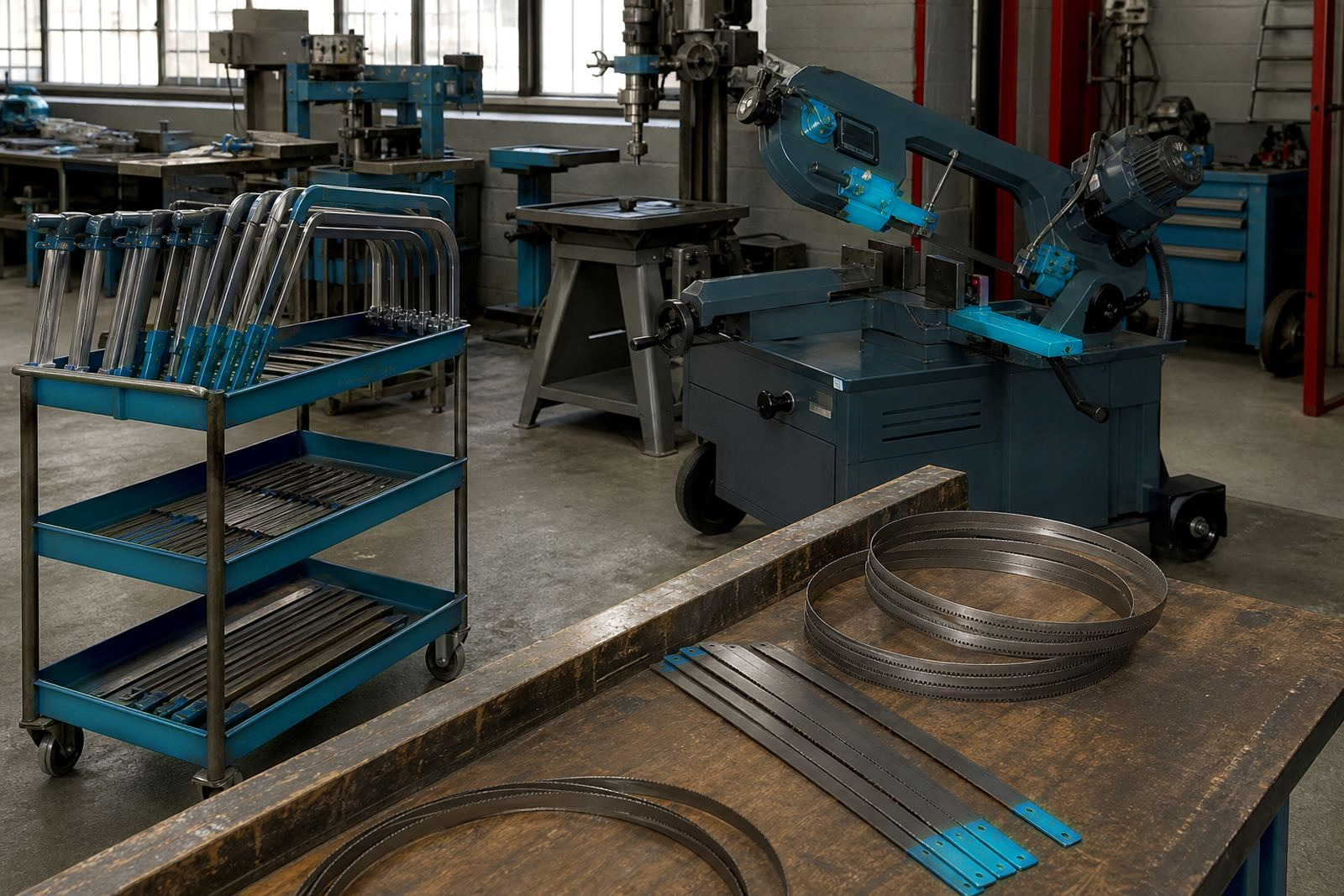
Blade width and thickness were set to suit the saw frame and the type of cut. Narrower blades were used where tighter curves or smaller manual saw frames were involved, while wider blades stayed on the small horizontal saw for straighter tracking and better beam support. The weld-to-length service made it easier to keep the right loop sizes in hand rather than forcing one blade to do every task.
- Bi-metal M42 for tougher maintenance cuts and longer edge life
- Carbon steel for lighter hand sawing and general repair use
- Coarser TPI for thick wall and solid section work
- Variable pitch for mixed sections and better chatter control
- Width and thickness matched to each saw frame and clamp path
What the team needed to stop wasting steel
The main constraint was inconsistency. The shop had different operators on the saws and no single rule for feed, speed or blade selection. That usually shows up as hooked teeth, wanders in the cut, and blades that wear out long before they should. We had to leave the team with a simple working pattern that held up on ordinary maintenance shifts.
We covered run-in guidance so fresh teeth could settle before being pushed harder. Feed speed advice was matched to material thickness and the saw type, with slower feed for tougher sections and a steadier hand on thin wall tube. Coolant checks were included for the horizontal saw, because dry cutting on steel builds heat fast and shortens blade life, especially in warmer inland conditions and on longer cut runs.
We also looked at machine fit. A blade can be the correct length and still sit badly if the guides, tension or wheel tracking are off. The fit check helped remove those little faults that make a new blade seem wrong when the machine is really the issue.
Welded loops, checked lengths and a starter kit
Our part of the job covered weld-to-length blades for the machines on site, plus verification of the finished lengths before handover. The weld area was finished neatly so the join would pass through the guides without a hard spot catching the work. For a maintenance shop, the saw may be used by more than one operator, and the blade has to behave the same each time.
The starter kit included a practical spread of blade types so the workshop could test what worked best on their common cuts before settling into stock standardisation. We added notes for the likely jobs on that site: thin wall tube, light angle iron, pipe, bracket plate and a few awkward repair pieces that always turn up without warning.
- Welded blade loops sized for the portable and horizontal saws
- Length verification before blades were issued to the workshop
- Starter kit planning for common repair and maintenance cuts
- Stock standardisation notes for the blades that would be used most
Three weeks on the floor and the cut list settled
The work ran over three weeks. The first week was selection and fitment, with the blade mix narrowed after looking at the saw frames, the material list and the existing wear pattern on the old blades. In week two we completed the weld-to-length supply and the shop started using the new set across the portable saws and the small horizontal saw. The final week was spent tightening the settings around feed, speed and run-in so the operators had one cleaner routine to follow.
After that the workshop had fewer random blade swaps and less wasted material from crooked starts. The better pitch choice helped on mixed stock, while the wider blade on the horizontal saw held its line more consistently. Hand saw blades also gave cleaner control on awkward trim work, useful when a repair has to be finished on the spot and there is no extra material to spare.
What stays in place for the next maintenance run
We would keep the same method for a similar shop in Alberton or elsewhere in Gauteng: start with the machine list, match blade width and TPI to the common jobs, then set a small stock mix that covers the everyday cuts without cluttering the shelf. A maintenance workshop does best with a clear blade pattern and a few practical rules for feed, coolant and run-in. That saves time, and it cuts down on bad habits that shorten blade life.
For this kind of site, the most useful detail is knowing which blade belongs on which saw, how the teeth should enter the work, and when a coarse pitch is the safer choice. When that is set properly, the cutting side of the workshop feels calmer and the material goes further.
Key facts
| Project type | Maintenance shop blade mix |
|---|---|
| Town | Alberton |
| Machines covered | Portable saws, manual hacksaws, small horizontal saw |
| Blade types | Bi-metal M42 and carbon steel |
| Key settings | Tooth pitch, blade width, blade thickness, run-in, feed speed, coolant |
| Service scope | Weld-to-length, length verification, machine fit check, starter kit planning |