What the Durban workshop was asking for
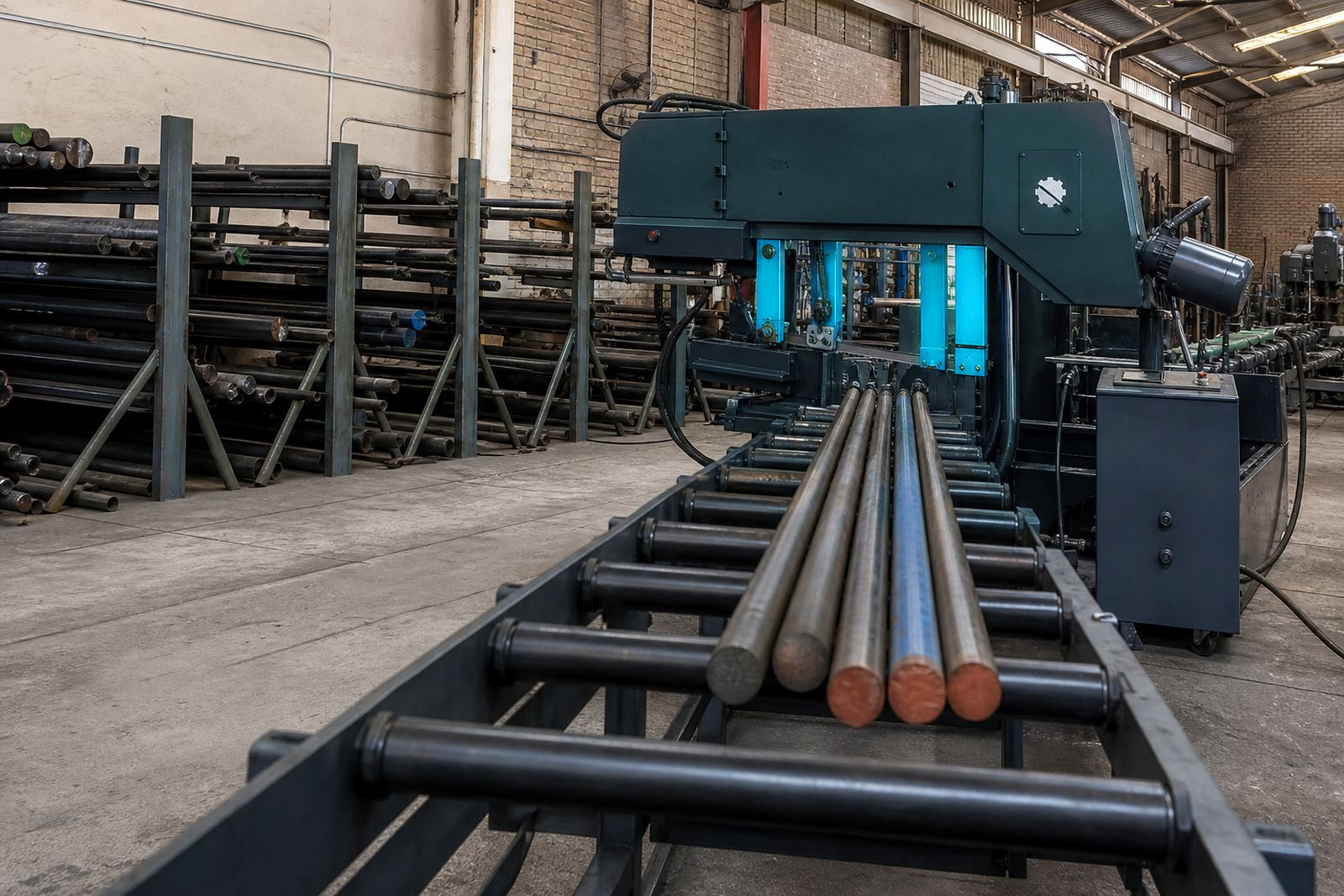
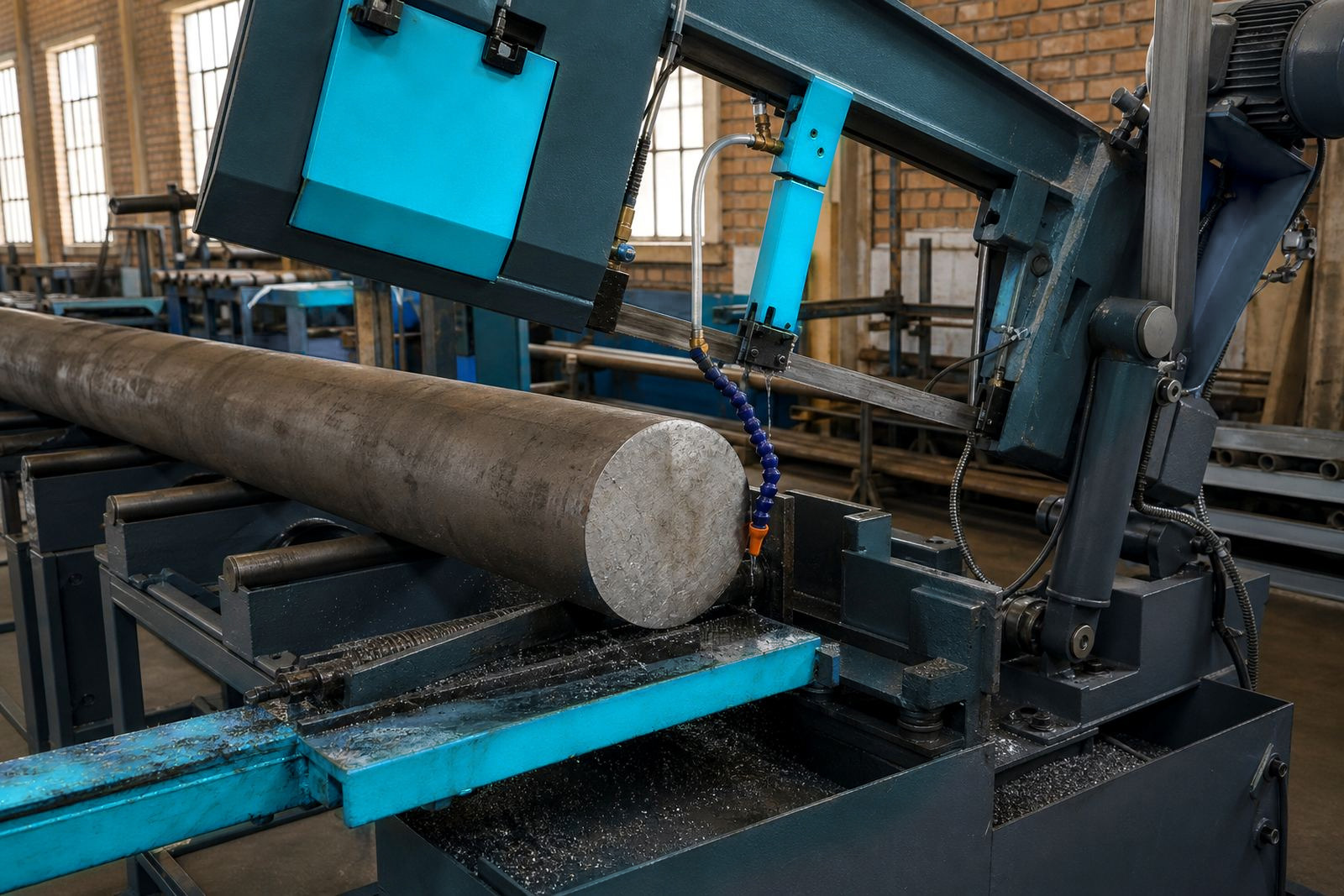
The shop was cutting mild steel, square tube, solid bar and a fair share of angled sections for repeat fabrication work. The main problem was the pattern around blade choice, set up and coolant condition. One machine was leaving rougher faces than it should, while another was taking longer through thicker sections and warming the blade more than necessary.
The brief was to tighten that up without changing the whole cutting line. We looked at the existing bandsaw and manual saw use, the section sizes on the rack, and the way the team handled blade changes. Because the workshop sits in Durban, we also took coastal humidity into account, especially where stored blades and coolant can go off balance if stock sits open too long.
Blade specs matched to the cut list
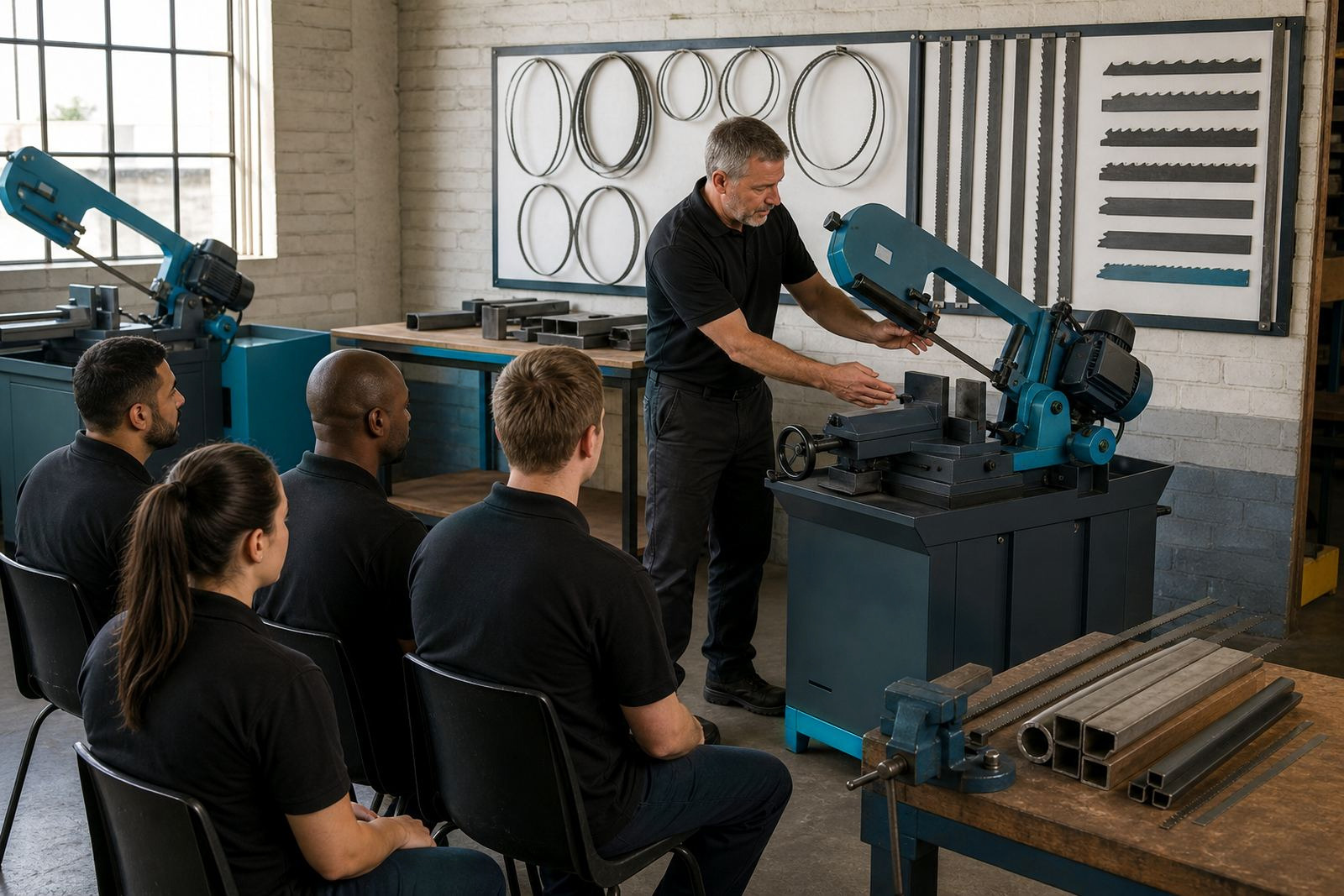
For the repeat cuts, we worked with bi-metal M42 blades where the job needed better wear resistance on mixed metal stock. On lighter manual work and backup saws, carbon steel blades stayed useful for simpler sections and lower-cost stock control. The pitch plan was based on tooth engagement and clear cutting results. Coarser TPI suited thicker sections and bundled material, while finer TPI was better for lighter wall tube and cleaner finish demands.
We also checked blade width and thickness against the machines already in place. Wider blades gave better tracking on the larger cuts, while narrower blades stayed practical on tighter radius work and smaller manual saws. Variable pitch helped reduce chatter on the jobs that kept changing section size through the day. Where blade life was being shortened by poor set or dull stock, we noted that too.
- Bi-metal M42 for mixed stock and longer wear
- Carbon steel for lighter duty and simpler cutting
- TPI matched to wall thickness and solid section size
- Variable pitch used on changing profiles and vibration-prone cuts
- Blade width and thickness checked against machine guides
What we supplied and set up
We supplied a starter mix of bandsaw blades and hacksaw blades, with lengths prepared through the weld-to-length service for the main machines. That let the shop keep fewer loose lengths on hand and reduced the time spent sorting through mismatched stock. We also built a clearer blade list for the team, showing which blade went to which machine and which material group.
Alongside the blades, we set out the run-in guidance in plain workshop terms. Fresh blades needed a gentler feed at first so the tooth edge could settle without early damage. We explained feed and speed advice by material type, because the same setting does not suit all steel. Coolant checks were included as well, since clean coolant and the correct mix help with blade temperature, swarf control and face finish. In this shop, the coolant was just as important as the blade itself.
- Weld-to-length service for the main bandsaw loops
- Length verification before fitting
- Machine fit check across the active saws
- Run-in guidance for new blades
- Feed speed advice based on stock type
How the job was handled on site
The work unfolded over three weeks. The first week was spent with measurement, stock review and machine fit checks. The second week covered blade selection, weld preparation and the first round of fitment. The third week focused on practical follow-through, including a blade failure review on the worst-performing cuts and a tighter replacement plan for the operators who were doing the heavier work.
That review showed two common problems. One was a blade running too fine for thicker sections, which was pushing heat into the cut. The other was a blade fitted with the right pitch but the wrong feed pressure, which was bending the tooth line and wasting useful life. Once those points were corrected, the team had a better routine for changing blades before they slipped into poor cut quality.
What changed on the floor
The first visible change was cleaner cutting on the repeat jobs. Faces were more consistent, and there was less drifting in the longer cuts. The shop also spent less time guessing which blade belonged to which machine because the stock had been standardised around the work they actually do. That helped the team keep the right blade width, thickness and pitch on hand instead of carrying random lengths that only worked for one awkward job.
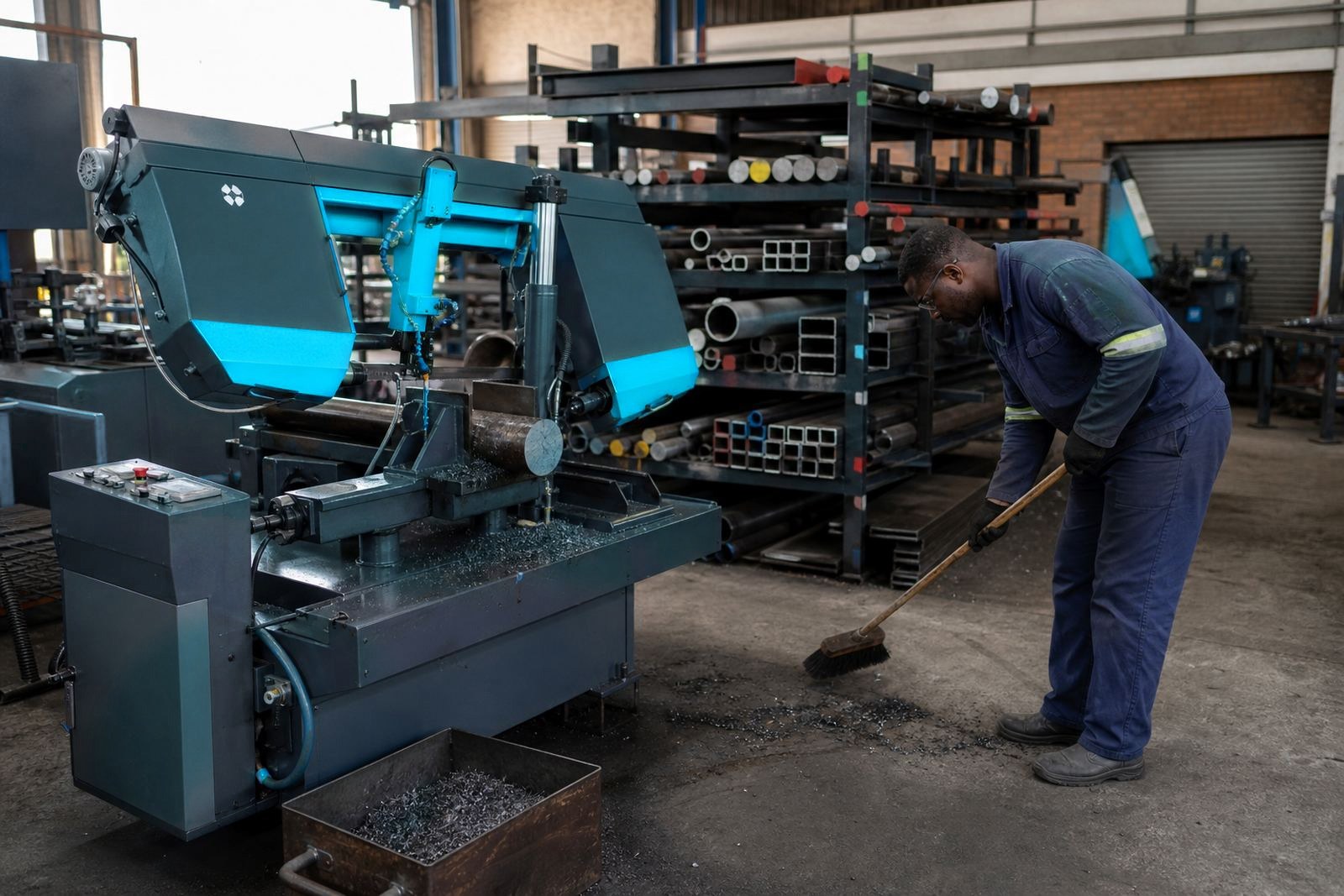
Coolant checks became part of the normal routine instead of a once-off fix. On a Durban floor, where stored consumables can pick up moisture and grime, that habit saves more blades than most people admit. The manual saw support also helped, because not every job in a fab shop belongs on the powered saw. Some quick trim work is better done by hand, provided the blade is matched properly and not overworked.
- Cleaner and more even cut faces
- Less waste from incorrect blade pairing
- Clearer stock standardisation across saws
- Better coolant discipline around the cutting station
- Stronger manual saw support for smaller tasks
What we would stock in a Durban shop
On a similar job, we would start with the cut list and the machine list together, not one after the other. Blade width, thickness and TPI are matched before the first weld is made, making setup easier. We would also keep the first batch of replacement blades close to the daily use pattern, so the shop does not end up with spare stock that looks correct but cuts badly on the actual material.
For coastal workshops, we would keep checking storage, coolant condition and blade handling because those three things often decide whether a blade lasts well or turns ugly early. The work is rarely about one big fault. It is usually the mixture of set, feed, speed and blade choice that needs to be lined up properly.
Key facts
| Project | Durban Fab Shop |
|---|---|
| Town | Durban, KwaZulu-Natal |
| Work covered | Bandsaw blades, hacksaw blades, weld-to-length, fit checks |
| Blade types | Bi-metal M42 and carbon steel |
| Key settings | TPI selection, variable pitch, run-in, feed and speed, coolant checks |
| Support area | Durban plus Johannesburg, Pretoria, Vereeniging, Cape Town and Gauteng workshops |