Thin-wall tube work needs a different blade feel
The job was lighter tube, with mixed wall thicknesses and repeat cutting that needed burr control as well as speed. The team needed blades that would stay calm on entry, hold a straight line and leave a cut face that did not need extra dressing on every piece.
We looked at the material mix, the saw type and the way the operators were feeding stock. Thin wall tube responds badly to a tooth form that is too coarse. If the pitch is too open, teeth grab and chatter starts. If the blade is too wide for the radius and section, tracking suffers and the cut wanders. Set the fit properly from the start.
- Material mix: light tube and thin-wall sections
- Cut style: repeat cuts with control at entry and exit
- Blade focus: finer tooth pitch, stable set and consistent tracking
Blade choice for the Kempton Park setup
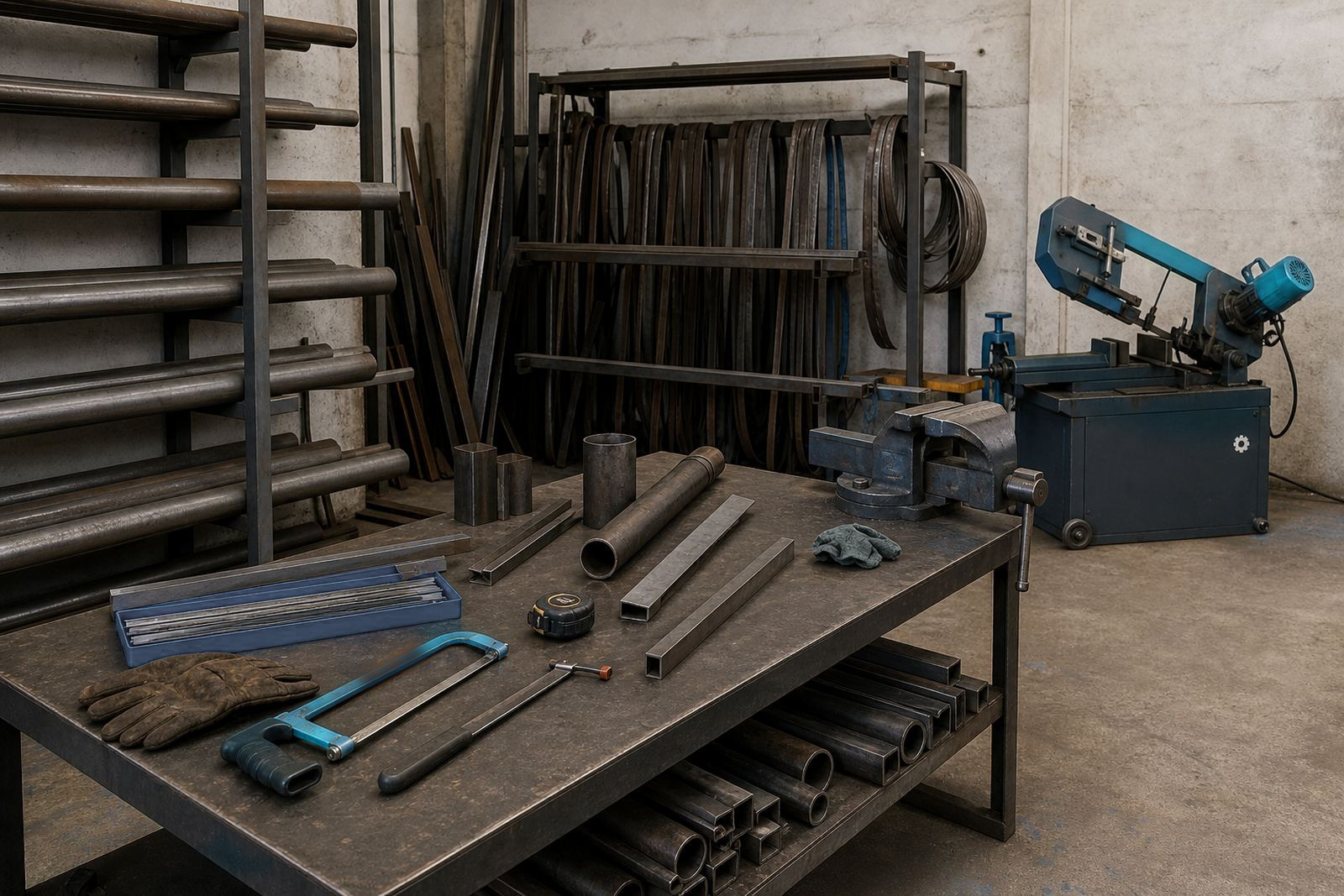
We supplied bi-metal M42 options for longer service life on mixed metal cutting, plus carbon steel blades for simpler manual work and lighter duty saws. The main focus stayed on tooth pitch, blade width and blade thickness. For the thinner walls we steered them towards finer pitches, with variable pitch where vibration needed calming down.
Blade width was matched to the machine and the smallest tube profile in the range. On a tube shop, a blade that is too wide can push the cut off line when the machine is working through short lengths or bundled stock. The set on the teeth also had to be right, because too much set opens the kerf too far and can leave rougher edges than the job calls for.
We also spoke through run-in. New blades on tube work do better when the first cuts use lighter pressure, so the tooth tips settle before full feed begins. That small step helps prevent early tooth damage and keeps the cutting line steadier over the first batch.
- Bi-metal M42 for tougher mixed work
- Carbon steel for lighter manual or starter use
- Variable pitch to reduce chatter on thin-wall tube
- Finer TPI selection for cleaner entry and less grabbing
Feeding the saw without bruising the tube
The operators wanted a cleaner cut without forcing the saw to work harder than needed. We walked through feed and speed advice step by step, because tube shops often see problems from pushing too hard rather than from the blade itself. On thin wall material, the blade should cut, not scrape and not hammer through the wall.
Coolant checks formed part of the setup too. Even a quality blade will start leaving a rougher finish if lubrication is poor or the flow is patchy. Heat builds fast on lighter tube sections. A steady coolant supply also helps with chip clearing, which keeps the gullets open and reduces tooth loading.
The team also wanted support for manual saw work at the back of the shop. Those cuts need a different rhythm from the powered saws, and the blade choice must suit the operator as well as the machine. We kept the guidance practical so they could move between jobs without guessing at pitch or feed.
- Controlled feed to avoid tooth bite on thin walls
- Speed matched to tube section and blade type
- Coolant kept steady to manage heat and chip flow
- Manual saw support for lighter offcuts and prep work
Weld-to-length supply and fit checks
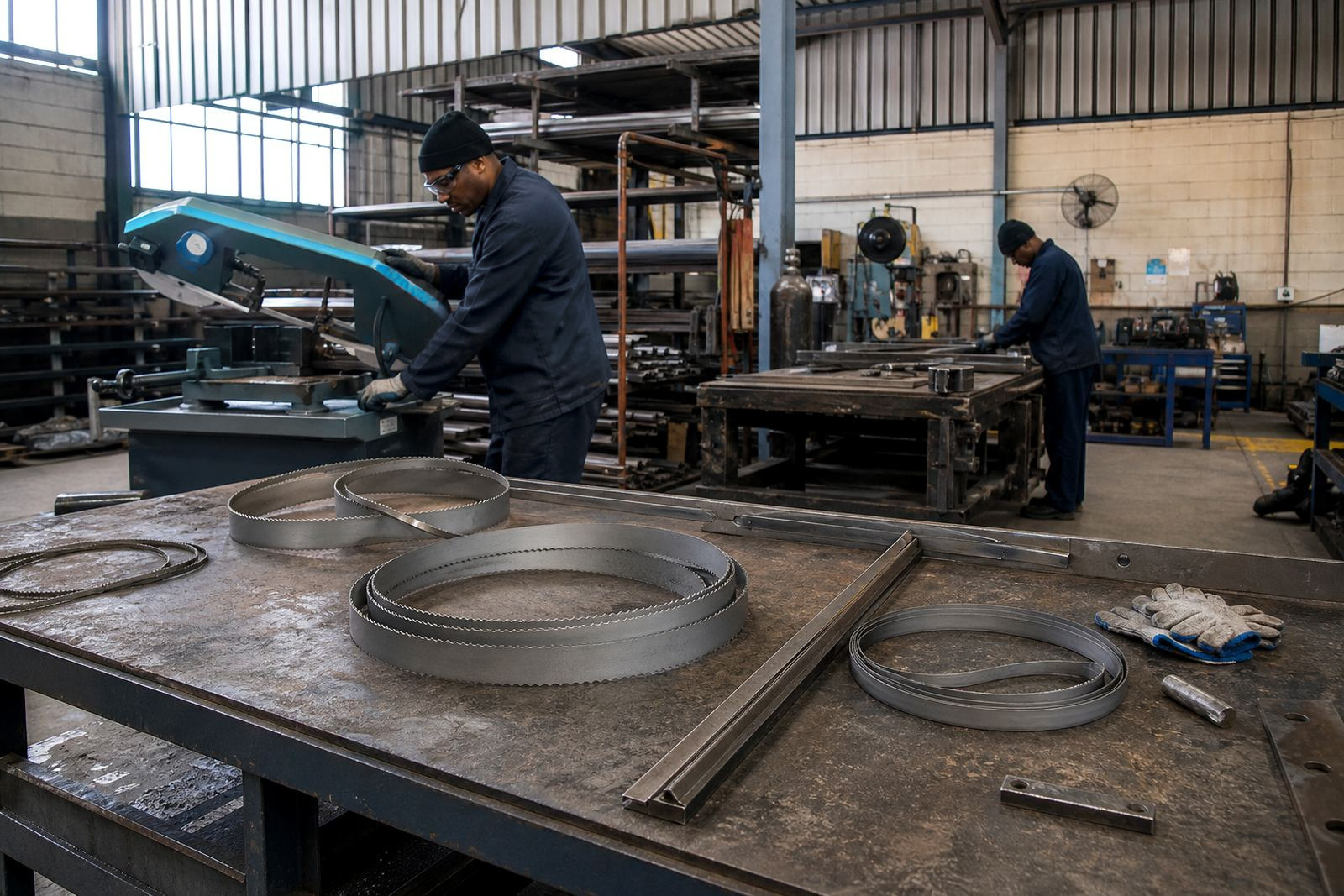
The order included weld-to-length service for the blades used on site, so they were not waiting around with the saw standing idle while someone searched for a matching length. We checked the machine fit, then matched lengths to the blade wheels and guides already in use. Many shops admit this step is vital, because a blade can have the right tooth form and still behave poorly if the fit is off.
Length verification sat alongside the fit check. We looked at the full loop length, the guide alignment and the tension range. After that, the workshop could move between blade types with less fiddling and less waste. Starter kit planning also helped, because they wanted a set-up that covered the common jobs without overbuying blades they would not use.
- Weld-to-length supply matched to the saws on site
- Length verification for correct loop size and tension range
- Machine fit check for guides, wheels and tracking
- Starter kit planning for regular tube sizes
Three weeks on the job, from briefing to cut tests
Week one was the brief and the job walk-through. We gathered the tube sizes, wall thickness ranges and machine details, then mapped the jobs that needed the cleanest cut. Week two was blade selection, weld-to-length preparation and the first fit checks. We kept the tooth pitch narrow enough for the lighter walls, but not so fine that chip clearance became a problem.
Week three covered run-in, feed adjustment and a blade failure review on a few problem cuts from earlier work. The workshop could see where tooth loading had been happening and where the old settings had pushed the blade too hard. After that review, the cutting pattern settled down and the operators had a clearer sense of what each blade should be doing on the saw.
- Week 1: brief, tube sizes and machine details
- Week 2: blade matching, welding and fit checks
- Week 3: run-in, feed tuning and failure review
What changed on the shop floor
The biggest change was the way the whole cutting setup started working together. With the finer tooth pitches, the tube no longer snatched at the start of the cut. The variable pitch blade reduced chatter on the lighter sections, and the feed settings stopped the operator from pushing the saw through the wall too hard.
They also had less sorting after the cut. Burrs were lower, edges came off more even and the saws were not being stopped as often to deal with blade loading. Mixed tube sizes can keep the workshop moving at a steadier pace, and the same saw can handle different jobs during one shift.
For us, the useful part was seeing how the blade width and tooth pitch choices affected the result on thin wall material. Guesswork does not pay off in that kind of work. It needs the blade, the machine and the feed to line up properly.
Our choice again for a similar tube shop job
On a similar Kempton Park brief, we would keep the same order of work: check the machine fit first, match the pitch to the thinnest wall, then set the feed after the run-in cuts. We keep coolant under review because tube work heats faster than many shops expect, especially when the same blade runs repeated short lengths.
Starter kit planning is worth keeping as well. A small set of the right blades covers more ground than a broad pile of poor matches. With a clear split between manual and powered cutting, the blade stock can be standardised, keeping day-to-day work calmer and avoiding odd sizes that never get used.