A repair bench that cuts more than one material
The workshop in Springs handled small maintenance tasks, broken brackets, shafts, tubing and general plant repairs. The team needed a blade mix that could move between mild steel, thin wall sections and heavier sections without sending the saw room into trial and error every time a new job landed on the bench.
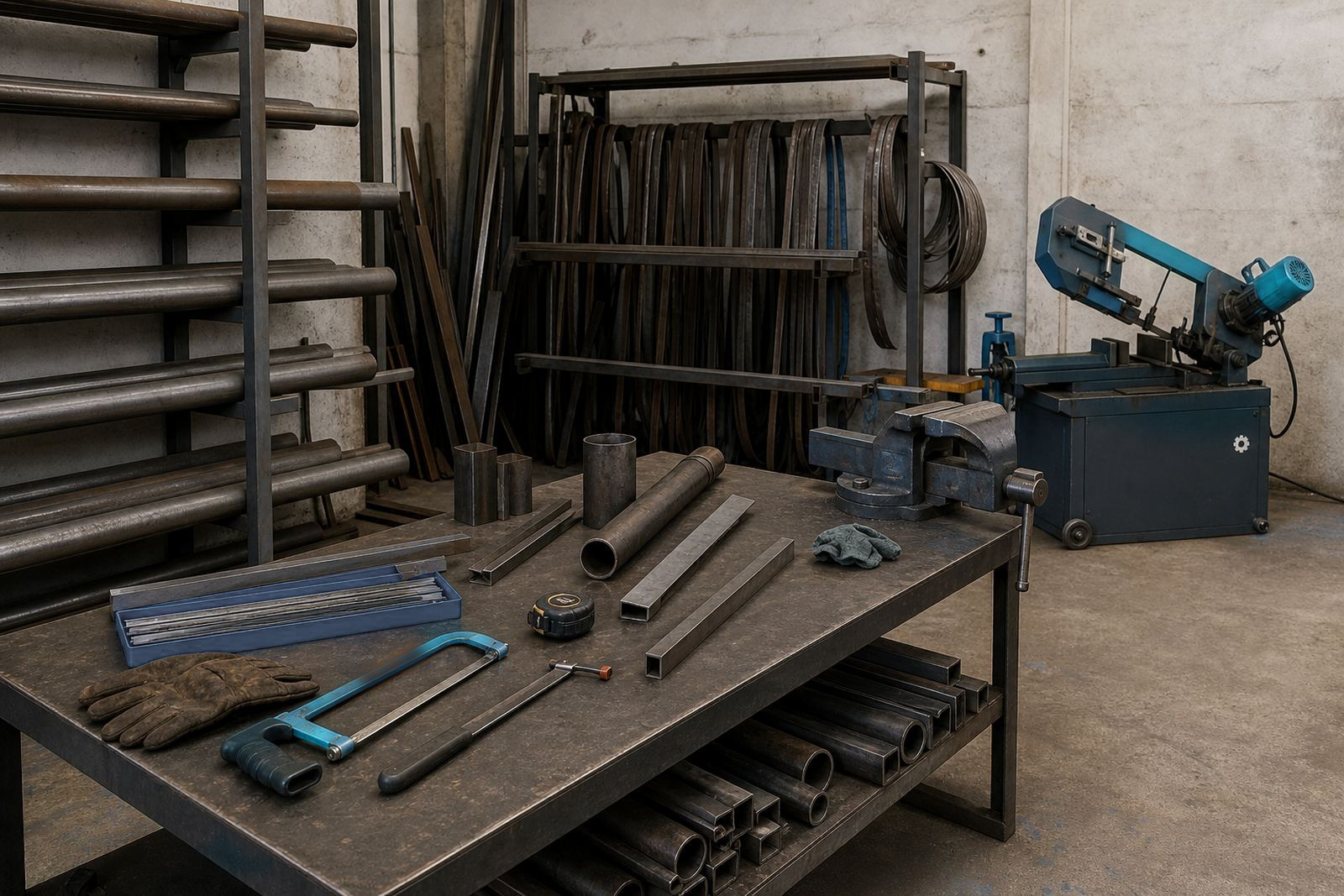
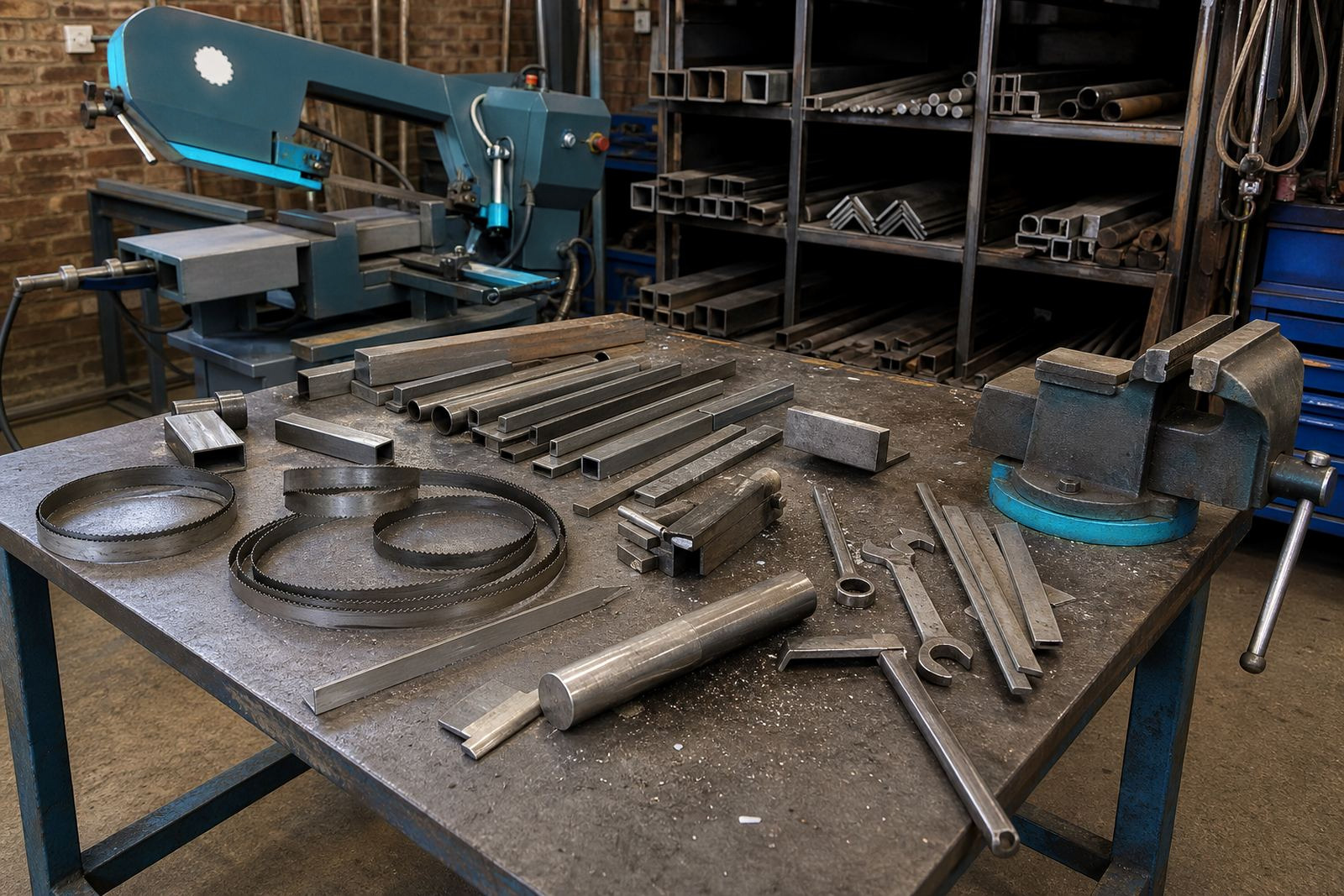
We worked around the way repair work really comes in, with one cut on a solid bar and the next on light tubing. We built a starter stock with bandsaw blades and hacksaw blades, plus a simple ladder of tooth pitches, so the workshop could match the blade to the job without relying on one blade for every cut.
- Mixed repair work on plant and general metalwork
- Short runs, one-off fixes and repeated maintenance cuts
- Need for both machine blades and manual hacksaw stock
The brief that shaped the blade list
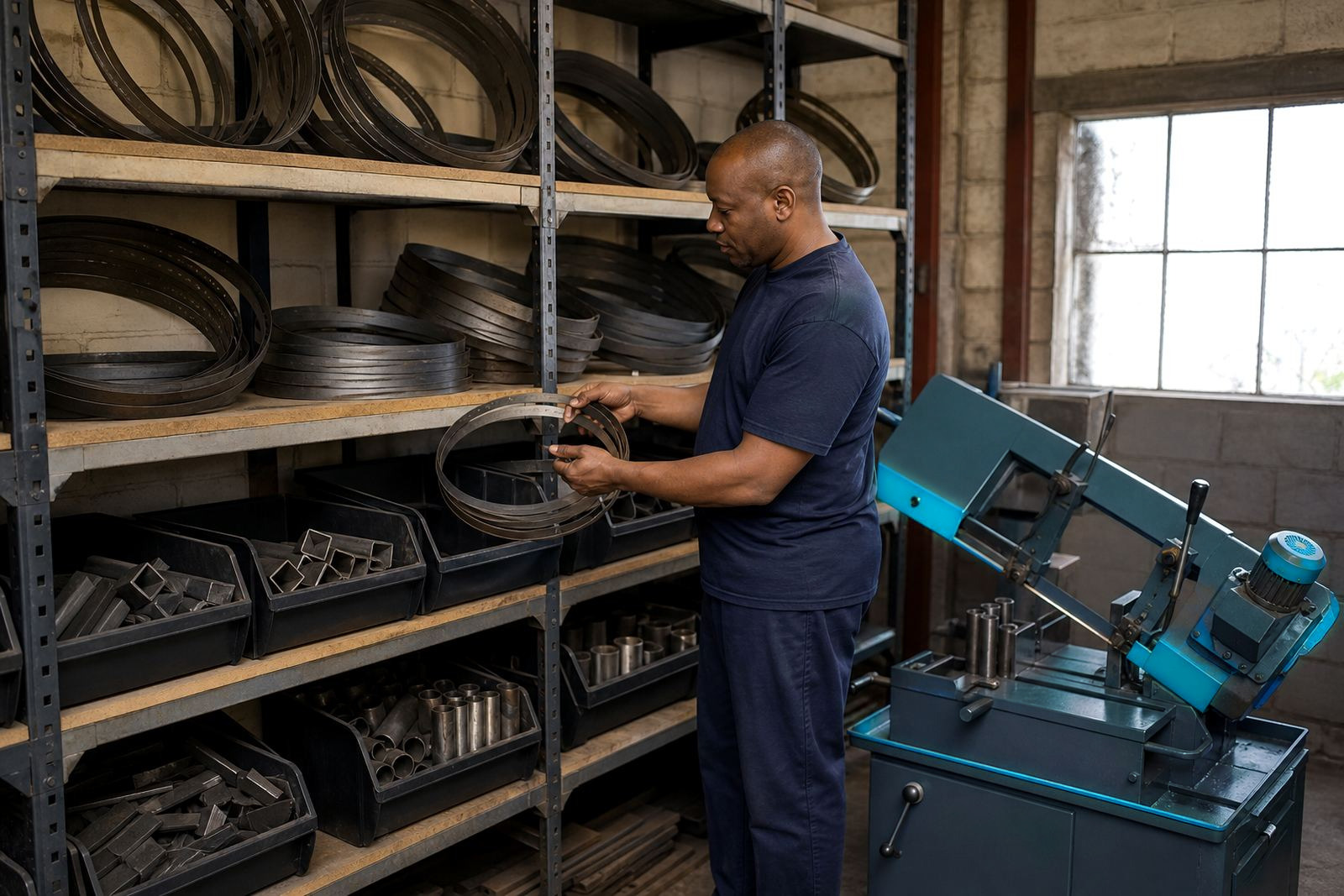
The client wanted a tidy, usable kit instead of a shelf full of random lengths. Space in the tool area was limited, and the cutting team asked for blades that could be tracked by size, pitch and purpose without confusion. They also wanted weld-to-length supply for the bandsaw machines already on site, because off-the-shelf lengths were not a clean match for every frame.
We set the plan around the machine fit, the common materials and the cut quality needed on repair jobs. That included standardising the tooth pitch ranges, checking blade width and thickness against the machines, and making sure the workshop had enough variety for both fast cutting and better finish where the job called for it. The team also wanted guidance on feed and speed, since too much pressure was causing tooth wear and rough starts on some materials.
- Blade lengths matched to the machine frames in use
- Tooth pitch set for both section and solid work
- Starter kit layout for fast issue and stock control
Bandsaw blades, hacksaw stock and fitting details
We supplied a mix built around bi-metal M42 bandsaw blades for harder repair work and carbon steel blades for lighter, lower-demand cutting. On the bandsaw side, the workshop used variable pitch options for jobs where chatter was an issue, and fixed pitch options where cut conditions were more predictable. Tooth pitch choices were matched to the material thickness, with finer TPI for thinner wall stock and coarser pitches for heavier sections.
Blade width and thickness were checked against the saws so the blades could track properly and stay stable under load. Where the cut was starting to wander, we looked at set, run-in and blade condition as part of the supply brief. Coolant checks were also included where the saws were running wet, because heat build-up and poor lubrication were showing up in premature tooth wear.
- Bi-metal M42 blades for tougher cutting duties
- Carbon steel blades for lighter manual and machine use
- Variable pitch and fixed pitch selection by job type
- Run-in guidance to help new blades settle properly
How the workshop stock was organised in weeks one to three
In the first week, we mapped the common cuts, the saw models and the blade sizes already on hand. Week two went into blade planning, with length verification, machine fit checks and tooth pitch selection for the repair bench. By week three, the workshop had a working starter kit, plus a clearer split between the bandsaw stock, hacksaw blades and the longer blades meant for welded supply.
That setup reduced the guesswork around when to use a narrower blade, when to step up width, and when a finer pitch was simply slowing the job down. It also gave the operators a better sense of feed and speed on each material group, which helped because repair work can move from mild steel to awkward mixed stock in a single shift.
- Week 1: job list, saw models and cutting mix
- Week 2: blade sizes, pitch ranges and fit checks
- Week 3: starter kit issue and stock grouping
What changed on the saw room floor
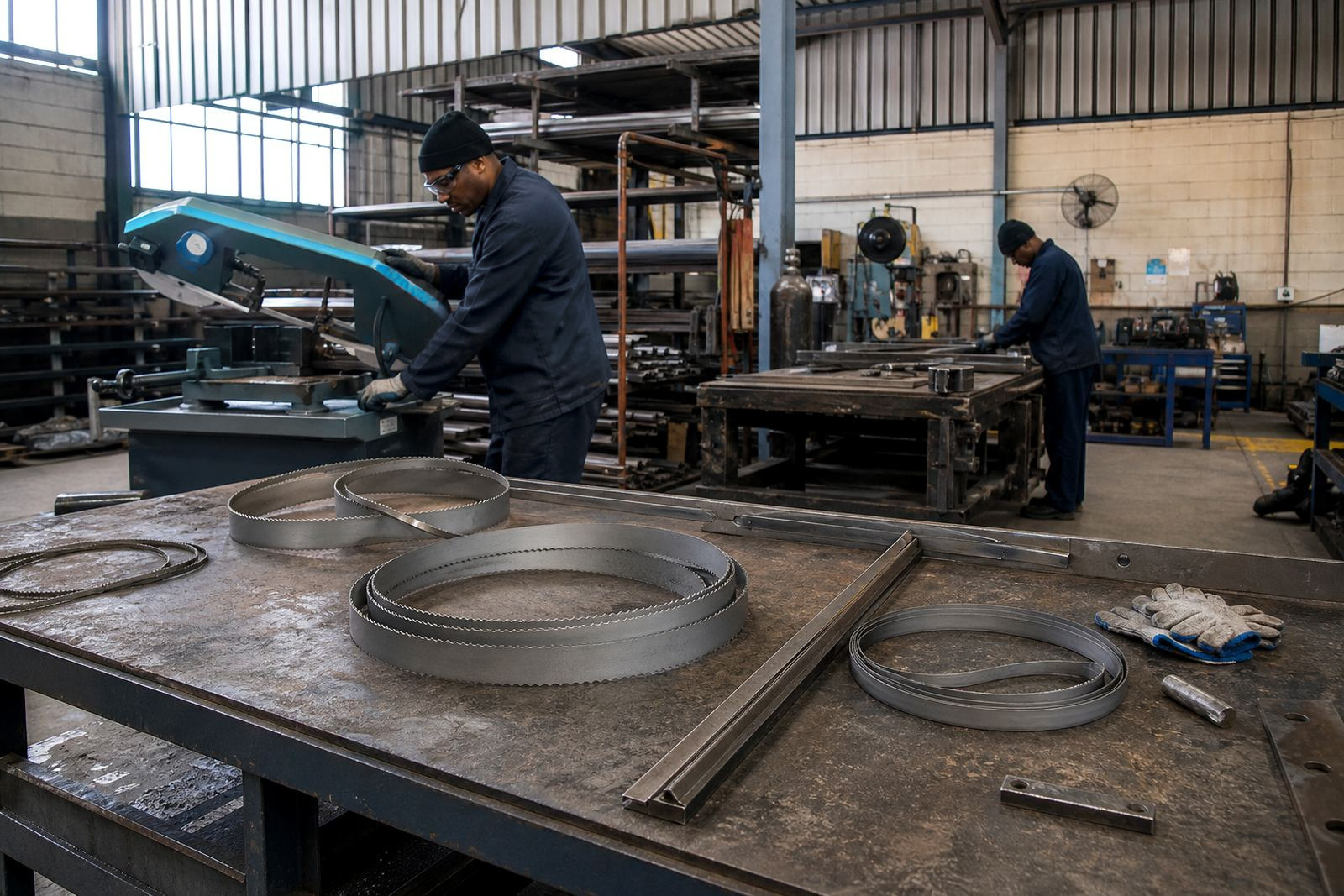
The main change was steadier cutting on the ordinary repair jobs that were previously burning time. The workshop had less blade swapping, fewer uncertain starts and a better sense of which blade to send to which machine. The hacksaw blades were used for hand work and awkward touch-up cuts, while the bandsaw stock took the repeated cutting that sat closer to the production rhythm.
Blade failure review stayed part of the picture too. When a blade started to chip, wander or lose bite early, we looked at pitch mismatch, feed pressure, coolant condition and machine fit before treating it as a blade-only problem. That gave the team a practical way to trace the cause instead of just replacing steel and hoping the next one would behave better.
- Less mixing of the wrong pitch with the wrong material
- Cleaner handover between manual and machine cutting
- Better control of wear, heat and tooth damage
What would we choose again for a similar plant workshop
On a similar Springs job, we would again start with the actual repair mix, not a blanket blade order. The best result came from matching blade width, thickness and pitch to the saws and the material stack on site. Our starter kit stays lean and useful, with enough variety to cover the daily work and leave room on the shelf.
For a plant workshop like this, the strongest combination is usually a small, well-labelled stock of bandsaw blades, a dependable set of hacksaw blades and a clear system for weld-to-length supply. That lets the workshop keep cut quality under control while still handling the awkward repair jobs that never seem to fit one neat category.
- Start with the common materials and cut sizes
- Keep pitch and blade width clearly separated
- Build in run-in and coolant checks from the start
Key facts
| Project | Springs Plant Workshop |
|---|---|
| Town | Springs |
| Work type | Plant workshop blade supply for repair jobs |
| Blades supplied | Bi-metal M42 bandsaw blades, carbon steel blades, hacksaw blades |
| Services used | Weld-To-Length, Length Verification, Tooth Pitch Selection, Blade Width Selection, Run-In Guidance, Feed Speed Advice, Coolant Checks, Blade Failure Review, Machine Fit Check, Starter Kit Planning |
| Regions served | Alrode, Alberton and nationwide supply to workshop users |
| Key fit notes | Variable pitch, fixed pitch, width and thickness matched to machine frames |