The job in Brakpan, and what kept changing
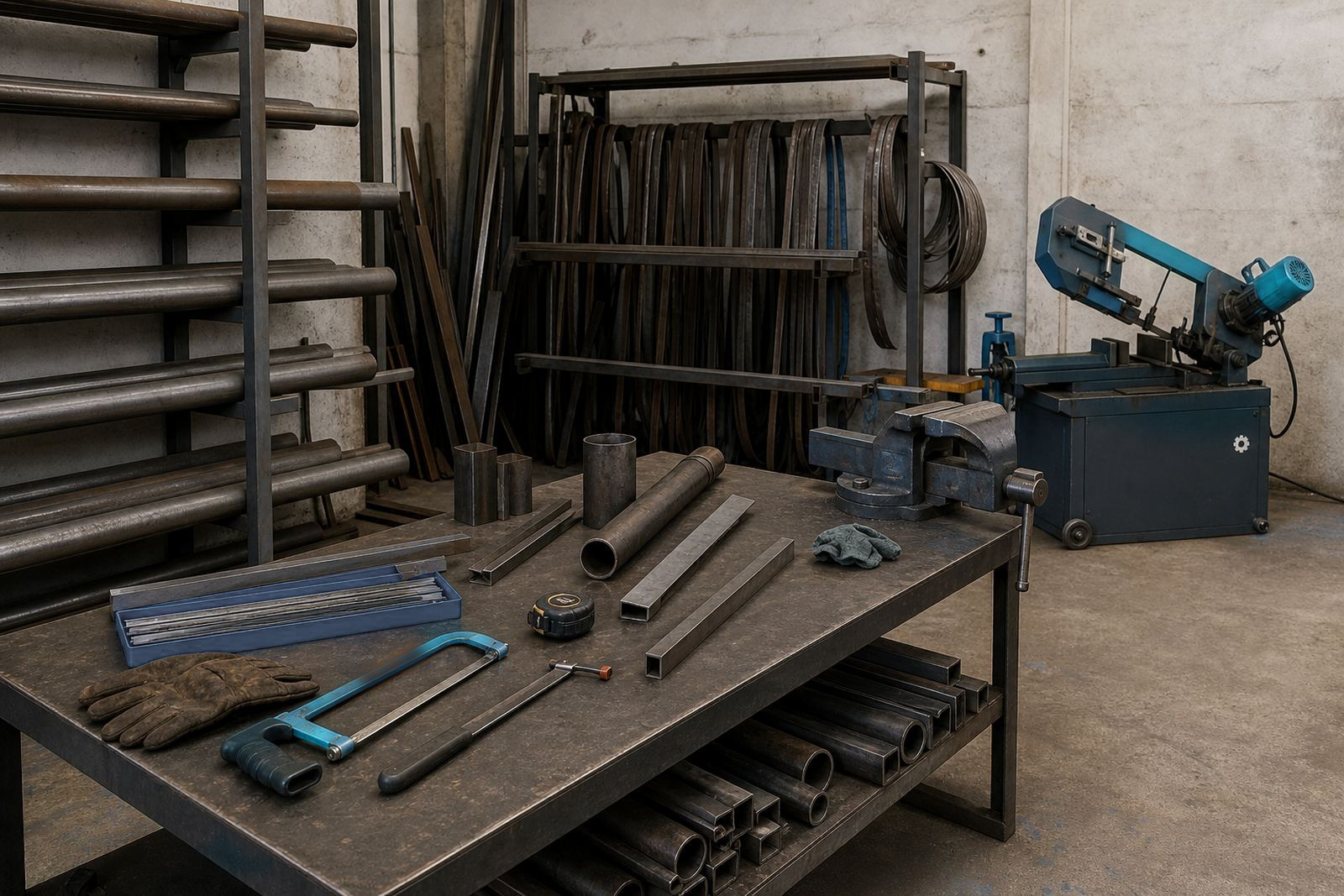
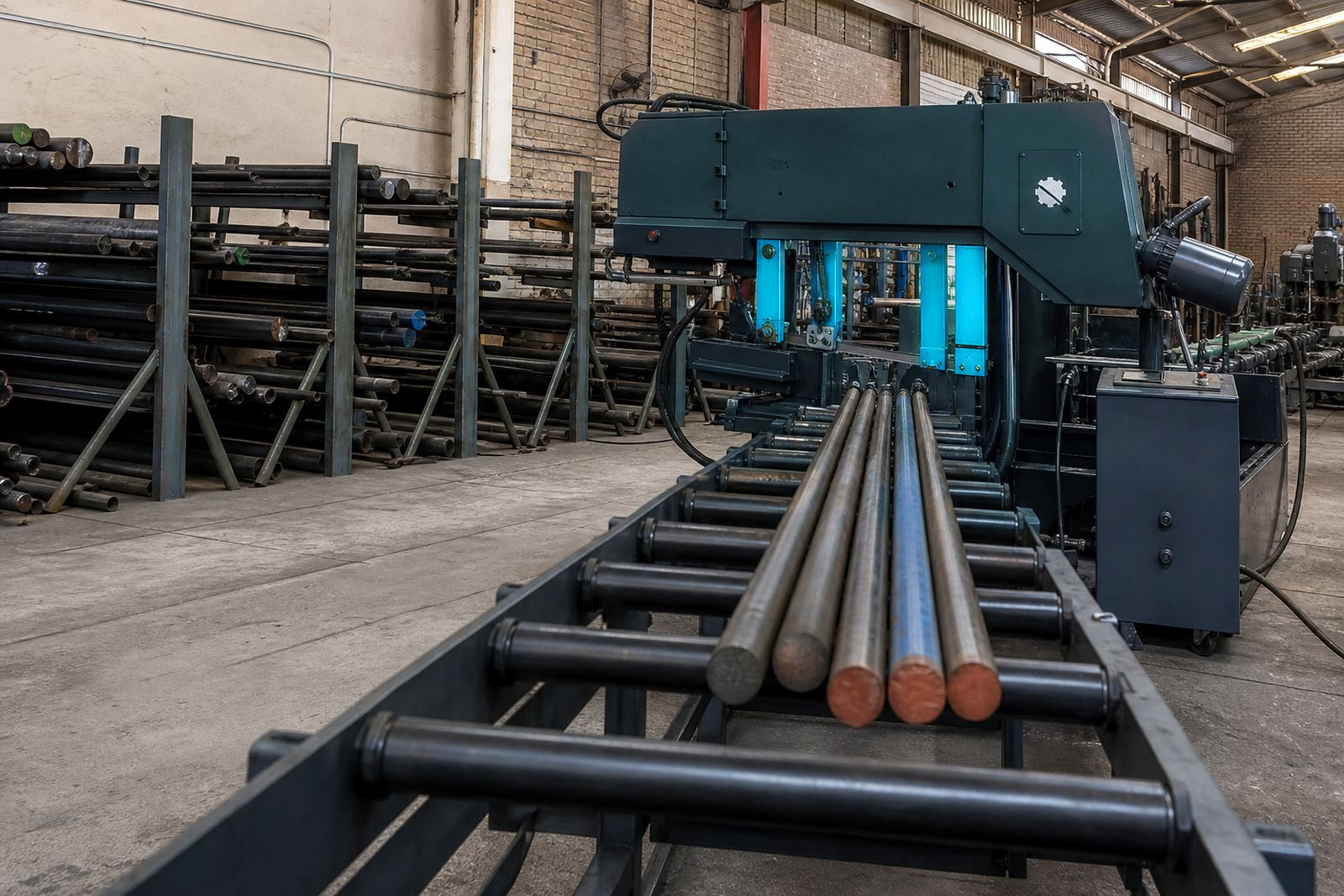
The workshop sat in a mixed-use part of Brakpan where repair work shifts from week to week. Some days it was flat bar and light section, then the next job would land with thicker tubing, plate offcuts, or harder material that put more strain on the saws. The team wanted blades that matched the job properly instead of forcing one blade type across every cut.
The brief was clear enough. Keep carbon blades in the mix for simpler work, add bi-metal replacements for heavier cuts, and set a repeatable blade standard for the benches that saw the most use. They also wanted practical help on tooth pitch, blade width and how to run the blades in so the teeth settled cleanly before full production work started.
- Mixed material flow across repair jobs and short runs
- Carbon blades for lighter, routine cutting
- Bi-metal blades for harder stock and thicker sections
- Blade guidance for bench saws and manual saw support
Blade choices matched the material every time
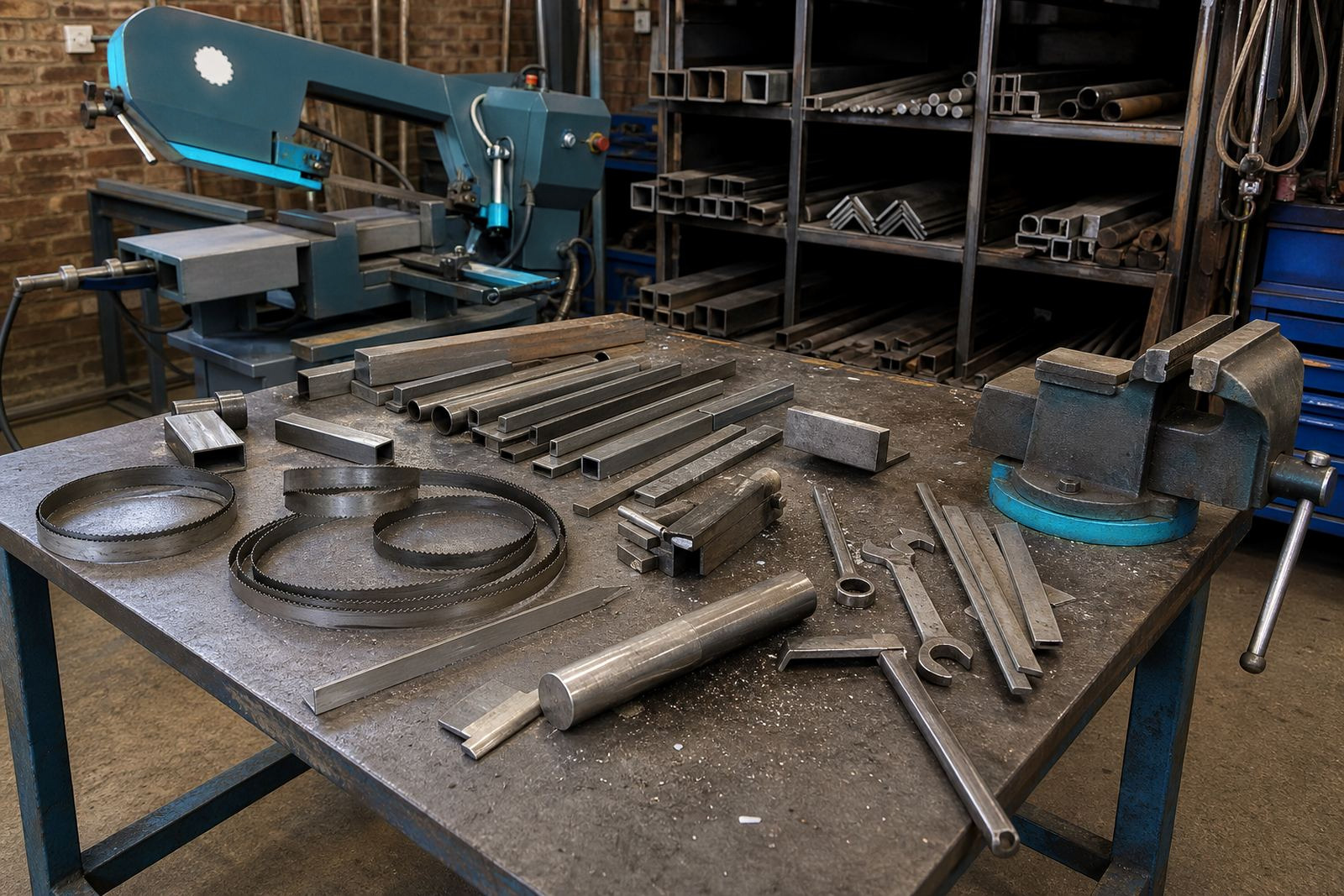
We worked through the blade stack by job type. For thinner sections and lighter repair work, carbon steel blades stayed useful because they are economical and suit less demanding cutting. For harder material, the workshop moved toward bi-metal M42 blades, which give better tooth life and hold up better when the cut load rises. The pitch choice was reviewed as well. Coarser TPI helped on thicker stock, while finer pitch gave cleaner control on lighter walls and smaller sections.
Width and thickness were checked against the saw frames already on site. A wider blade improves straight cutting on steady machines, while a narrower blade can suit tighter guides or lighter manual work. Thickness also needs to stay within the machine's guide capacity, otherwise the cut wanders or the blade sets unevenly. We looked at set, run-in, feed and speed too, because a good blade can still fail early when the operator pushes it too hard in the opening cuts.
- Bi-metal M42 for harder material and repeated use
- Carbon steel for straightforward lighter cutting
- Variable pitch where the cut profile changed often
- TPI matched to wall thickness and section size
Weld-to-length work, plus a cleaner stock mix
One part of the job was to keep blade lengths consistent for the machines on site. We supplied weld-to-length blades for the saws in use, then checked the finished loops for straightness and joint quality before dispatch. In a repair environment, a weak weld or poor joint can show up as tracking issues, chatter, or uneven wear along the blade body.
We also built starter kits around the most common work the team handled. Those kits included a practical mix of blade types and pitches so the workshop could cover light maintenance jobs and heavier replacement work without overbuying the wrong stock. The team wanted fewer random blade purchases and more control over what sat on the shelf.
- Welded loops set to the required lengths
- Starter kits matched to regular repair work
- Blade stock standardised for easier issue and storage
- Machine fit checks against the frames already in use
Run-in notes that made the first cuts calmer
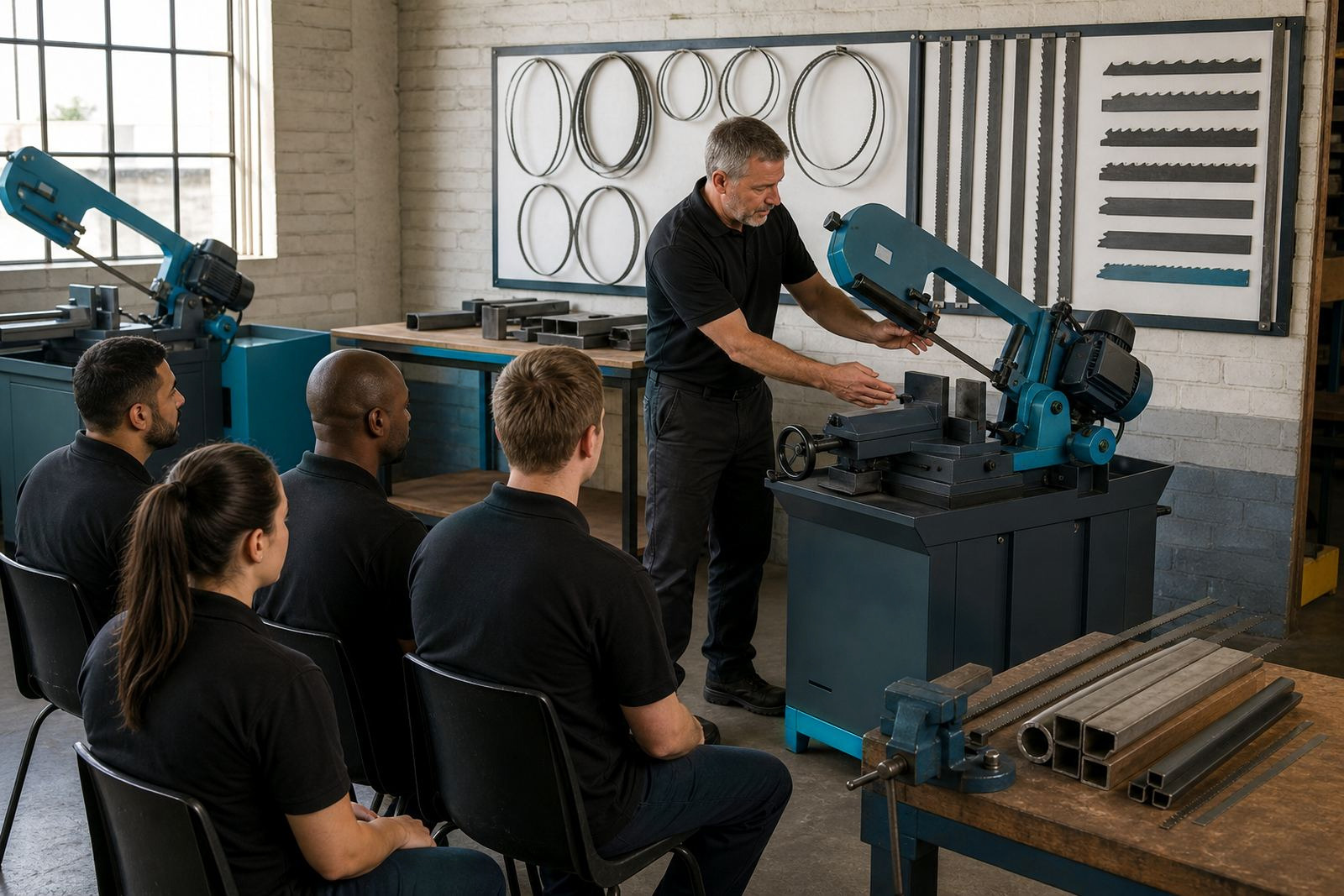
The first week was spent getting the handling right. New blades were run in with a lighter feed rate so the teeth could settle before the workshop pushed into normal cutting pressure. On harder material, that step makes a clear difference because a fresh edge can chip early if the operator loads it too fast. Coolant checks were part of the same routine, especially where chips built up and the cut started heating more than expected.
We talked through feed speed advice with simple starting values rather than perfect numbers. The right setting changes with wall thickness, tooth pitch and blade width, so the team needed a method they could repeat instead of a single setting copied from one job to the next. That approach suited their mix of bench work and general repair work, and it cut down on false starts.
- Gentle run-in on new bi-metal and carbon blades
- Coolant checked where heat build-up was visible
- Feed and speed set around the actual job
- Early cuts watched for chatter and tooth strain
Three weeks of sorting the saw room properly
The project ran over three weeks. The first week covered the machine fit check, blade lengths and the main pitch selections. In week two, we worked through the starter kits and showed the team how to separate the lighter carbon stock from the bi-metal replacement blades. The final week focused on blade failure review, because a few worn blades had come off the saws with uneven wear patterns that pointed to speed, feed or guide issues rather than blade fault alone.
By the end of that process, the workshop had a clearer blade list and fewer mismatched orders. The team could match blade width and TPI to the job before the saw started, and that made the whole cutting bay feel less improvised. Cleaner habits and fewer wasted lengths on the floor.
- Week 1: fit checks and length verification
- Week 2: starter kits and stock standardisation
- Week 3: failure review and cutting method adjustments
What carried through after the first order
The result was a workshop that could separate light, medium and harder cutting without overcomplicating the shelf. Carbon blades stayed available for the jobs that suited them, while bi-metal replacements took over where longer life and cut quality were needed. Every operator on each shift used the same blade notes.
With the same Brakpan setup, we would follow that order again. Start with the saw frames and blade lengths, check the real material mix, then choose tooth pitch and blade width to suit the cut. It is the cleanest way to keep a repair shop stocked without filling the shelf with blades that never get used.
- Carbon and bi-metal blades kept in the right jobs
- Cleaner stock control for a mixed-use workshop
- Method based on machine fit and material type
- Better control over blade wear and cut consistency
Key facts
| Client type | Mixed-use repair workshop |
|---|---|
| Town | Brakpan |
| Project duration | 3 weeks |
| Blade types supplied | Bi-metal M42 and carbon steel |
| Service set | Weld-To-Length, Length Verification, Tooth Pitch Selection, Run-In Guidance, Blade Failure Review |
| Key fit factors | Blade width, thickness, TPI, feed speed and coolant checks |