The fitters’ brief around Isando
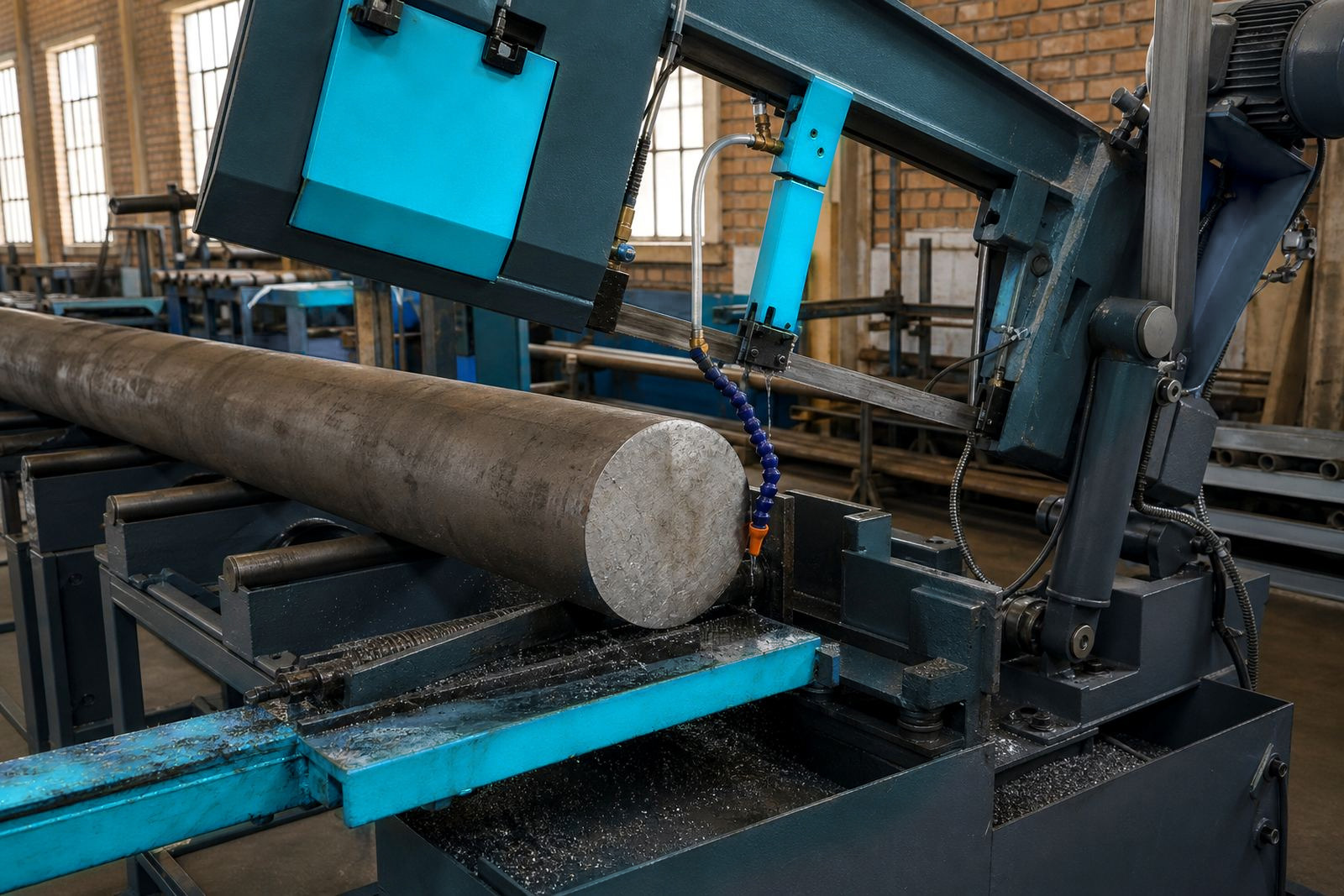
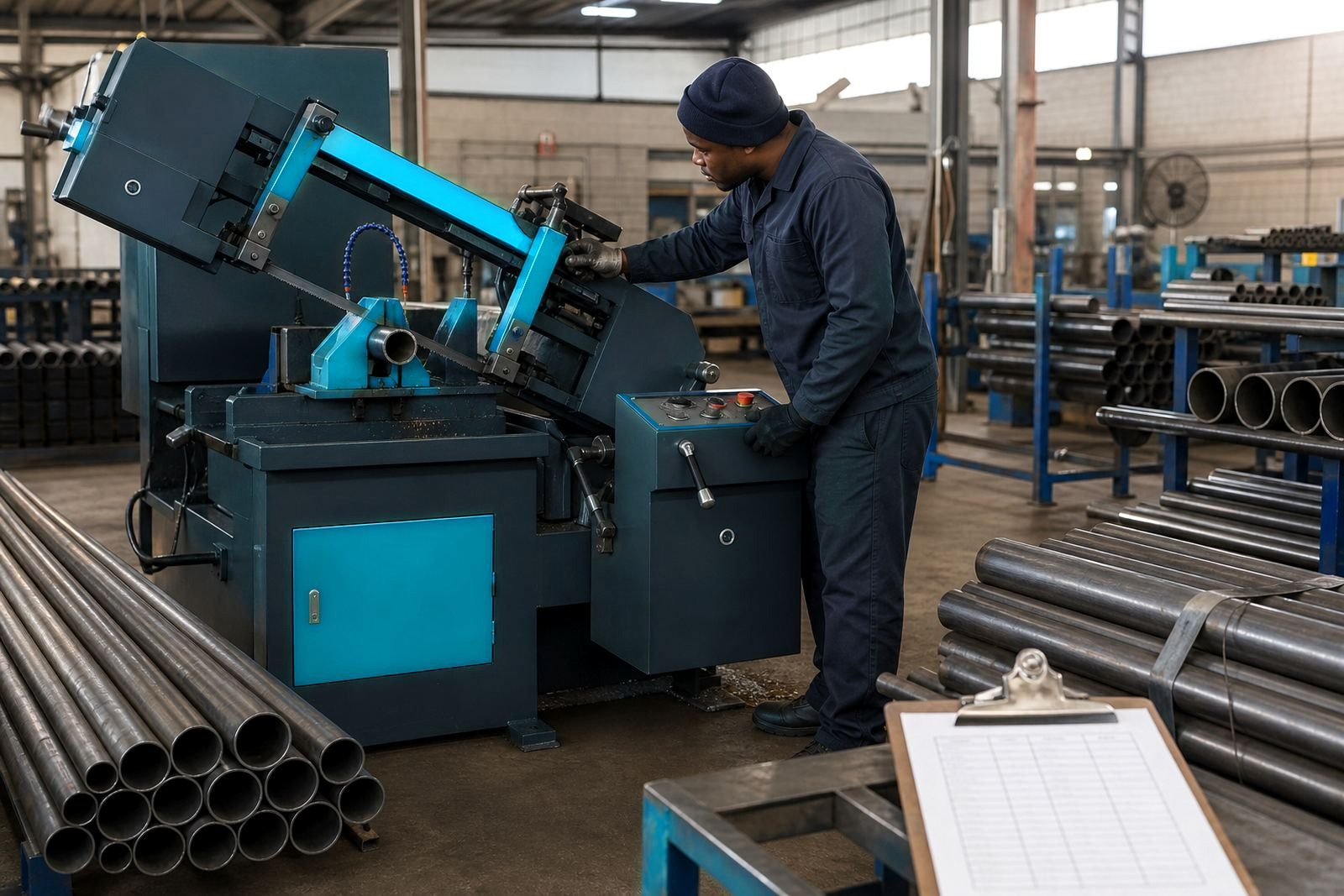
The job came from a fitter team working out of Isando and nearby industrial yards, with steel work that moved between repair benches, prep areas and on-site shutdown tasks. Their stock had to cover general section cutting, awkward access cuts, and the odd clean finish on material that had already been marked, clamped, and handled a few times.
The brief was plain enough. Keep a practical blade mix on hand, reduce mismatched blade choices, and make sure the workshop was not stuck with one tooth pitch for every job. They also wanted the blade list to suit their manual saw work and the machine saws used for longer runs and repeat cuts.
- Mixed material work on mild steel, tube, angle, and solid section
- Workshop prep and shutdown repair cutting
- Blade stock that could suit several saw frames
- Support for tooth pitch, blade width, and thickness selection
Stock built for the cuts they actually make
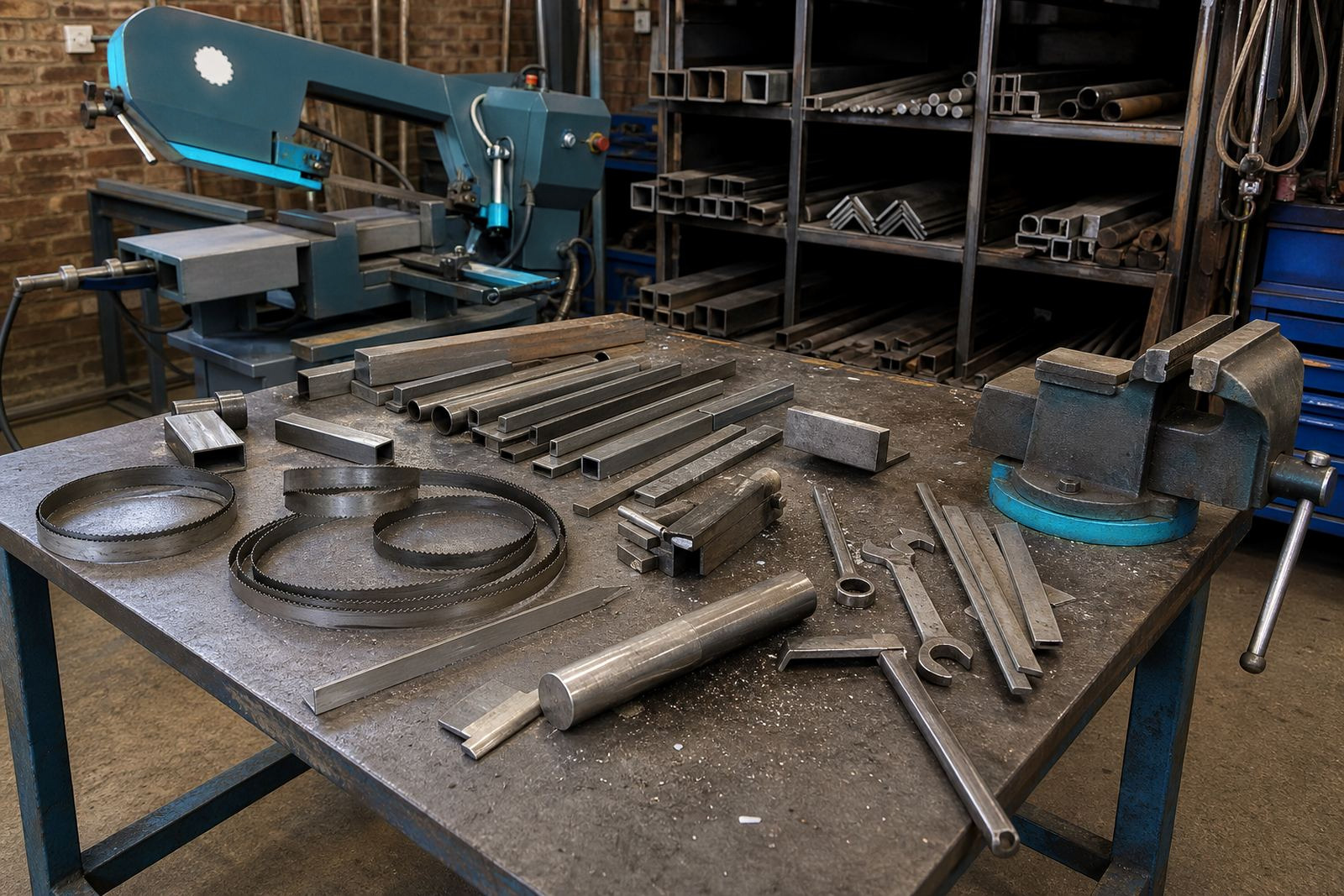
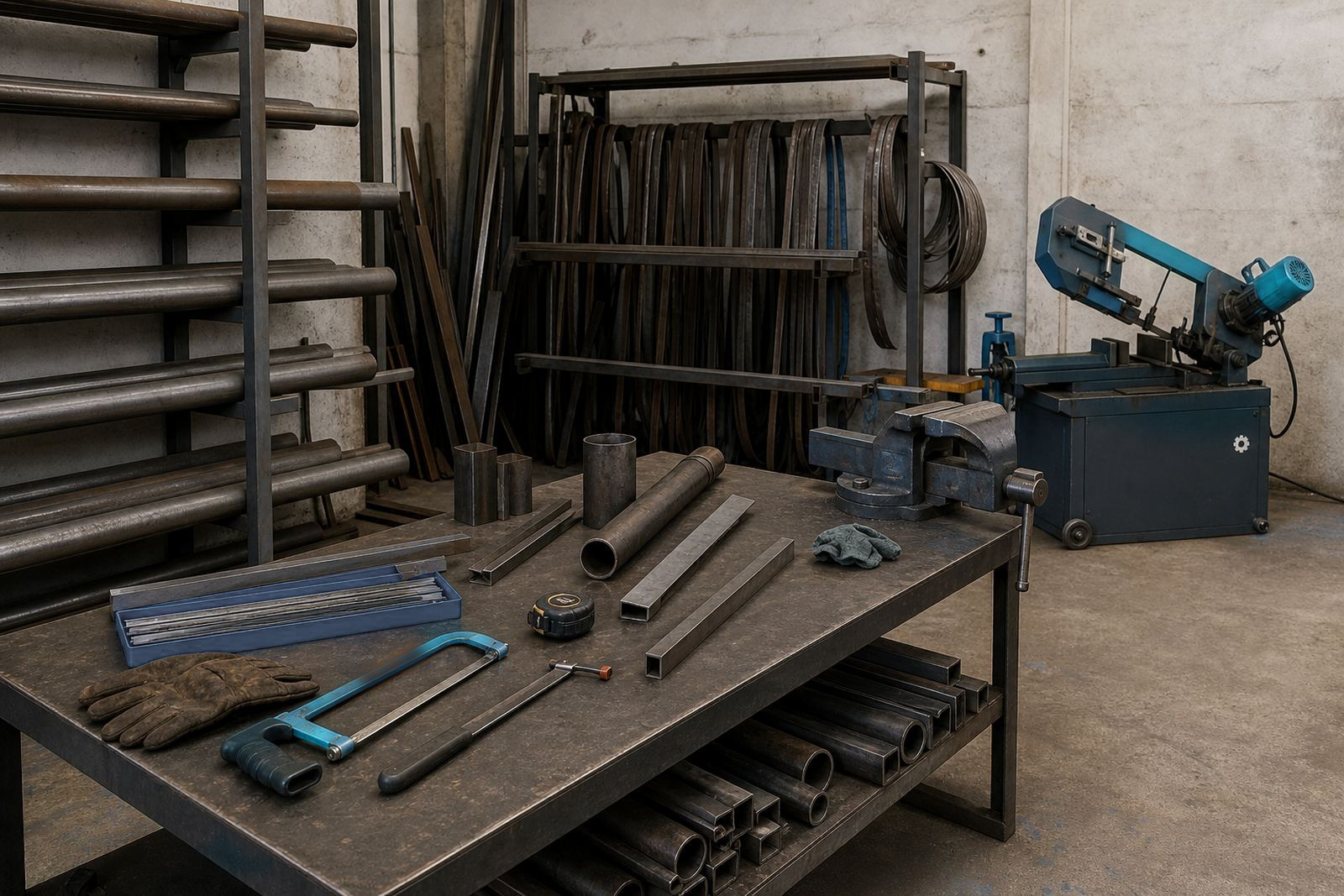
We set up a blade stock plan using bi-metal bandsaw blades with an M42 cutting edge for tougher work, plus carbon steel blades for lighter duty and manual saw use. The fitter team also wanted starter kits, so we grouped blades by job type rather than sending loose packs with no pattern. That helped with stock control and kept the common sizes close at hand.
Blade width and thickness were matched to the machines and the workpiece shape. Narrower blades were kept for tighter radii and awkward access cuts, while wider blades were used for straighter tracking and longer blade life. Tooth pitch was set by material section size, with variable pitch blades used where chatter and vibration needed to be reduced.
- Bi-metal M42 blades for tougher and mixed-duty cutting
- Carbon steel blades for manual and lighter workshop use
- Variable pitch options for reduced vibration on uneven work
- Starter kits grouped by task and machine type
Checks before the first blade went on
The blades were set for each job. We checked machine fit, guide condition, blade path, and the saws’ general cutting setup before the stock plan was finalised. That included confirming length, backing off from guesswork on tooth count, and looking at feed and speed ranges that made sense for the jobs they handle in a normal week.
Run-in guidance formed part of the handover. Fresh blades need a controlled start from the outset. We also noted coolant checks where the machine setup used fluid, because a dry or contaminated system can shorten blade life and leave the cut face rough. On the manual saw side, the team needed clear notes on set, pressure, and how to avoid forcing the cut when material started to bind.
- Length verification against the machines on site
- Machine fit check and guide inspection
- Run-in guidance for new blades
- Coolant checks where fluid feed was part of the setup
Weld-to-length service for workshop continuity
Some of the workshop saws needed lengths that were better welded to measure instead of pulled from loose stock. We handled weld-to-length work for the required blade runs, then checked the joint and finished edges before dispatching the order. That cut down on stop-start ordering and gave the team a cleaner stock line for the machines they use most.
The blade welding technician also checked that the selected tooth pitch and blade width suited the frame and the cut path. A badly matched blade can wander or throw off the finish, particularly on thinner wall tube or heavier section with a mixed feed rate. The result was a tighter fit between the saw, the job, and the stock kept in reserve.
- Weld-to-length blades prepared for the required saw frames
- Joint checks before blades were handed over
- Stock standardisation across repeat job types
- Support for manual saw work and powered saws
What the four-week plan changed on site
The work ran over four weeks from first stock review to final blade issue and workshop notes. During week one, we reviewed the brief and listed the saws. Week two covered blade selection, tooth pitch planning, and width matching. Week three was for welding, fit checks, and starter kit grouping. Week four was used to finalise the stock schedule and hand over the blade labels and job notes.
By the end of the project, the team had a clearer blade split for repair work, prep work, and heavier section cutting. The fitter store was easier to read, and the saw room had fewer mixed packs that could be pulled by mistake. The biggest shift was practical: less second guessing, better blade choice on the day, and a more ordered flow when shutdown jobs started stacking up.
- Clearer blade grouping by job type
- Less mix-up between manual and machine saw stock
- Better control over tooth pitch and blade width choice
- Cleaner handover notes for the workshop team
What we would fit again on a comparable fitter job
For a similar Isando fitter brief, we would keep the same order of work. First the machine fit check, then blade sizing, then the weld-to-length list, with run-in and coolant notes added before the blades go into normal use. That sequence keeps the order practical and stops the stock plan from drifting away from the actual machines in the shop.
We would also keep the blade mix grounded in the real cutting list rather than pushing one pitch across the board. On a plant fitter floor, the work changes fast, and the blades need to follow the job not the other way around. A small slip in pitch, width, or feed settings can cost more time than the blade itself, so the notes need to be plain and close to the machine room habits.
- Start with machine fit and length verification
- Keep a mixed stock of bi-metal and carbon blades
- Separate heavy section work from lighter manual cuts
- Keep feed, speed, and coolant notes with the stock list
Key facts
| Project type | Fitter-focused blade stock plan for shutdown repairs and workshop preparation |
|---|---|
| Location | Isando, with supply handled from Alrode, Alberton |
| Blade types | Bi-metal M42 bandsaw blades and carbon steel hacksaw blades |
| Selection controls | Tooth pitch, blade width, blade thickness, run-in, feed and speed |
| Services used | Weld-to-length, length verification, machine fit check, blade failure review |
| Timeline | Four weeks from review to stock handover and workshop notes |