Jet Park job brief, stripped down to the cut list
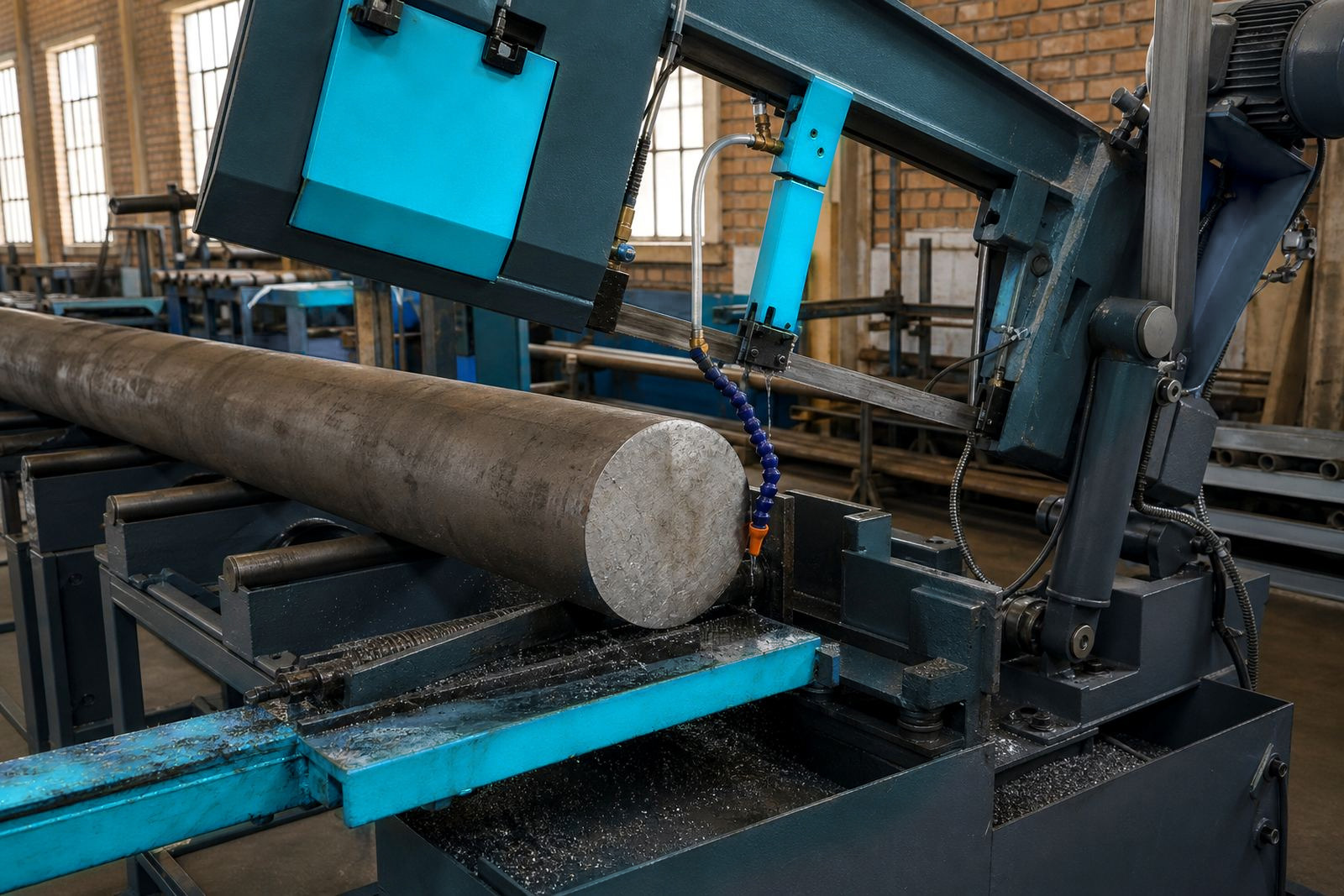
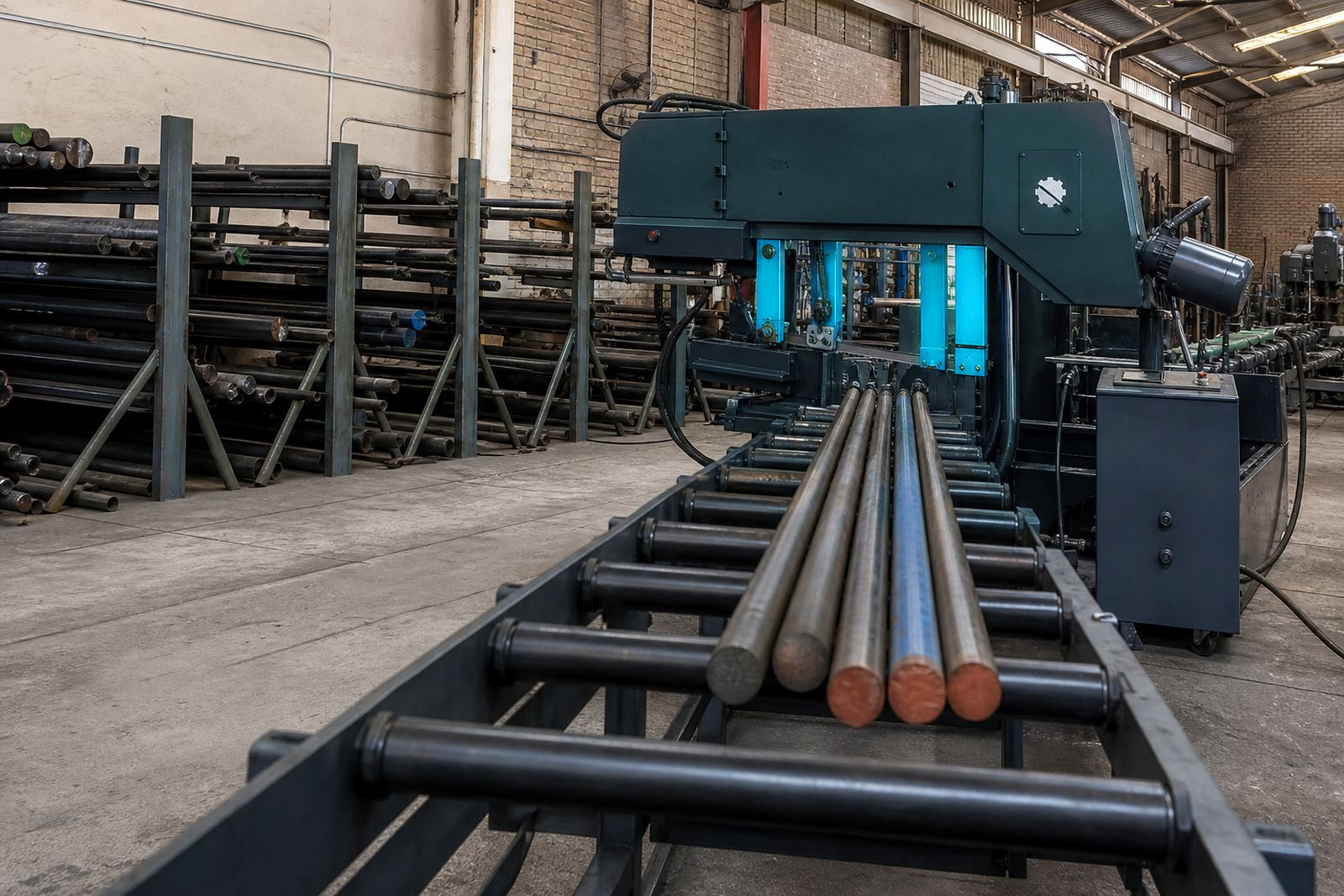
The workshop in Jet Park handled export packing frames, support brackets and general steel prep for a mix of short runs and repeat pieces. Their saw bench had to handle mild steel, thinner wall sections and occasional harder stock, so the blade choice had to suit more than one job without forcing constant changeovers.
The main pain points were tooth breakage on thinner sections, rough cut faces on heavier bar and too much time lost testing blades that were not matched to pitch or width. We worked around that by matching blade type to material, then balancing tooth pitch, blade width and thickness against the machines in use.
Blade sets chosen for the workshop floor
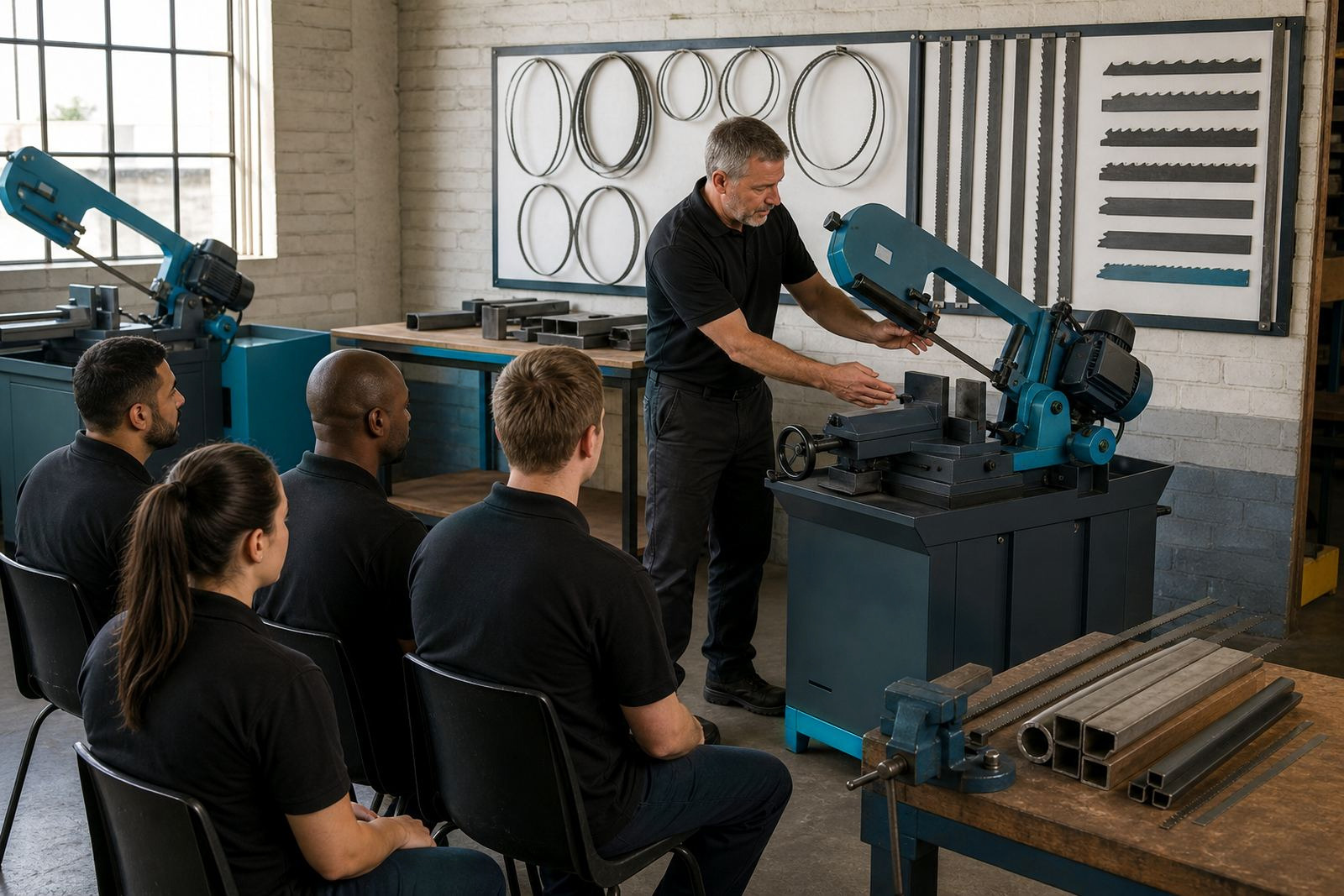
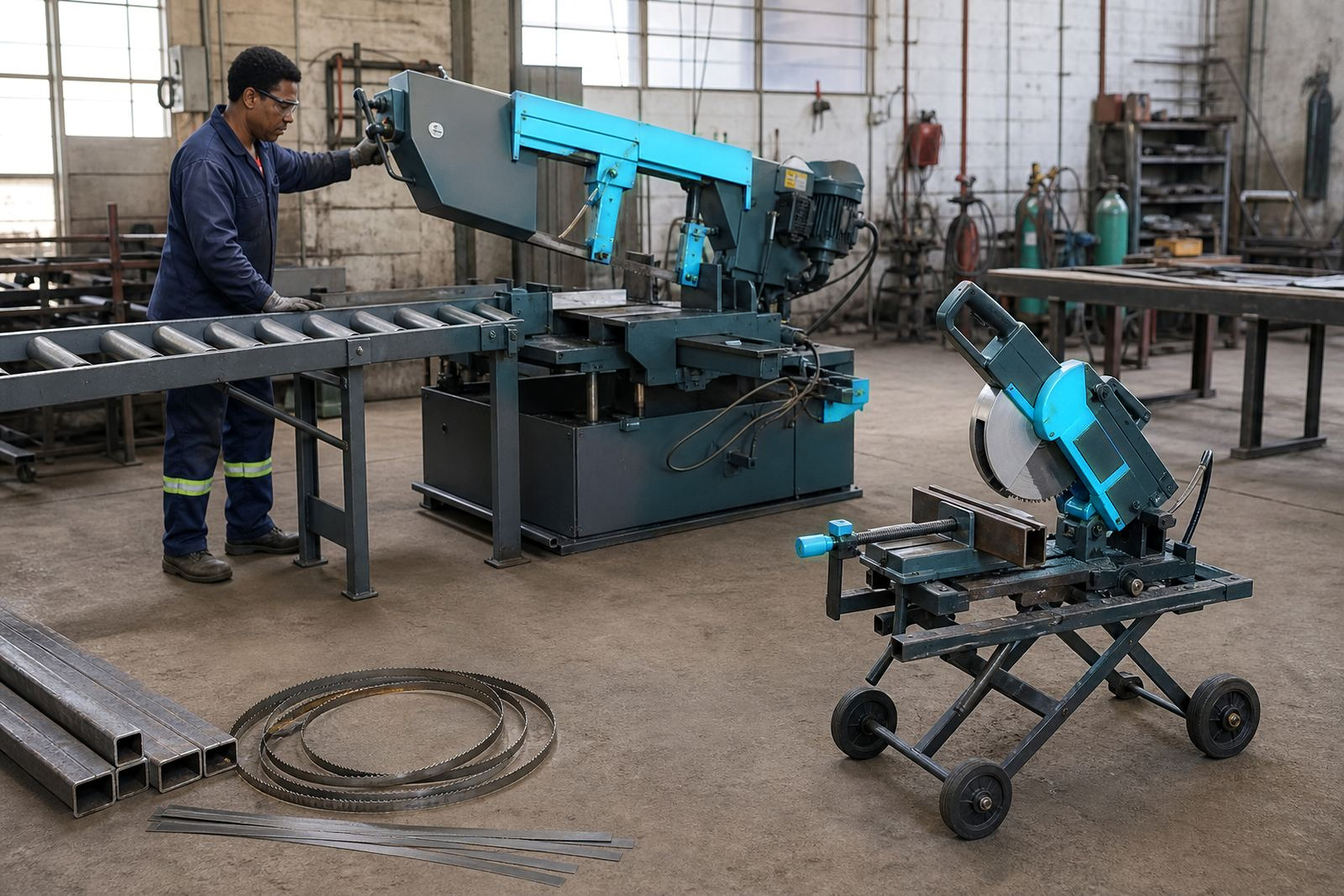
We supplied a mixed blade plan for portable saws and bench saws. The set included bi-metal blades for regular metalwork, carbon steel blades for lighter duty cutting and starter kits for the team members who needed a cleaner handover between jobs. The emphasis was on practical stock that could cover day-to-day cutting without clogging the bench with odd lengths.
- Bi-metal blades for tougher work, including hard edges and mixed section steel
- Carbon steel blades for lighter, repeat cutting on a budget
- Starter kits grouped by common blade widths and TPI ranges
- Weld-to-length service for specific machine sizes and job patterns
We also checked the fit against the saw frames in use, because a blade can be technically correct and still not sit well on the machine. Trouble starts when the operator pushes feed speed too hard and the parts do not match.
Pitch, width and thickness matched to the material
The cutting programme needed careful tooth pitch selection. Fine pitch blades were kept for thinner wall sections and smaller profiles, while coarser pitches were used on heavier sections that needed more chip clearance. Variable pitch was added where the team moved between sizes during the same shift, helping reduce chatter and grabbing on awkward cross-sections.
Blade width and thickness were selected for a balance of guidance and flexibility. Wider blades gave better tracking on bench saws, while narrower options made more sense on portable machines and tighter work. We also checked set, run-in and basic coolant use, because those details affect the edge life more than most people expect.
- Tooth pitch selection based on wall thickness and section size
- Variable pitch where the work mixed sizes in one batch
- Blade width matched to machine guides and turning radius
- Run-in guidance for the first cuts on a fresh blade
Keeping cut faces straight on repeat jobs
A clean cut on support steel saves dressing time later, and it helps when brackets need to sit flush. We set out feed speed advice for the more common sections, with enough room for the operator to back off when the cut started to squeal or wander. Coolant checks were part of the setup too, especially where blades were running for long stretches on heavier stock.
We also walked through blade failure review with the team. Broken teeth, twisted bands and early dulling usually point to a feed issue, incorrect pitch or poor clamping. The fix is rarely one thing on its own, it is usually a small chain of settings that need sorting together.
Three weeks from first check to steady production
The project ran over three weeks. The first week was blade matching and machine fit check. The second week covered weld-to-length supply, starter kit planning and the first round of run-in guidance. The third week focused on length verification, stock standardisation and the support notes the team could keep with the saw bench.
That approach gave the workshop a cleaner routine for blade issue and replacement. It also made ordering simpler because the common sizes were narrowed down, which reduced the chance of mixing up tooth pitch or blade width when the shift got busy.
- Week 1: machine fit check and blade mapping
- Week 2: weld-to-length supply and run-in guidance
- Week 3: verification, stock standardisation and support notes
What changed after the blade swap-over
The main result was a more stable cut on the parts that had been causing the most frustration. Operators had less guesswork on feed and speed, and the saws spent more time cutting than being stopped for blade changes. The shop also had a neater stock base, with fewer odd lengths lying around and a clearer line between portable saw blades and bench saw blades.
If we were doing a similar Jet Park export shop setup again, we would keep the same pattern of blade selection first, then machine fit and run-in support. That sequence keeps the practical side under control, and it avoids wasting good stock on a blade that was never suited to the job in the first place.
Key facts
| Project type | Workshop blade setup for metal supports and brackets |
|---|---|
| Location | Jet Park, with supply support from Alrode, Alberton |
| Blade types | Bi-metal M42 and carbon steel blades |
| Tooth format | Fixed and variable pitch, selected by section size |
| Service package | Weld-to-length, fit check, run-in guidance and coolant checks |
| Timeline | Steady use started 3 weeks after the first review |