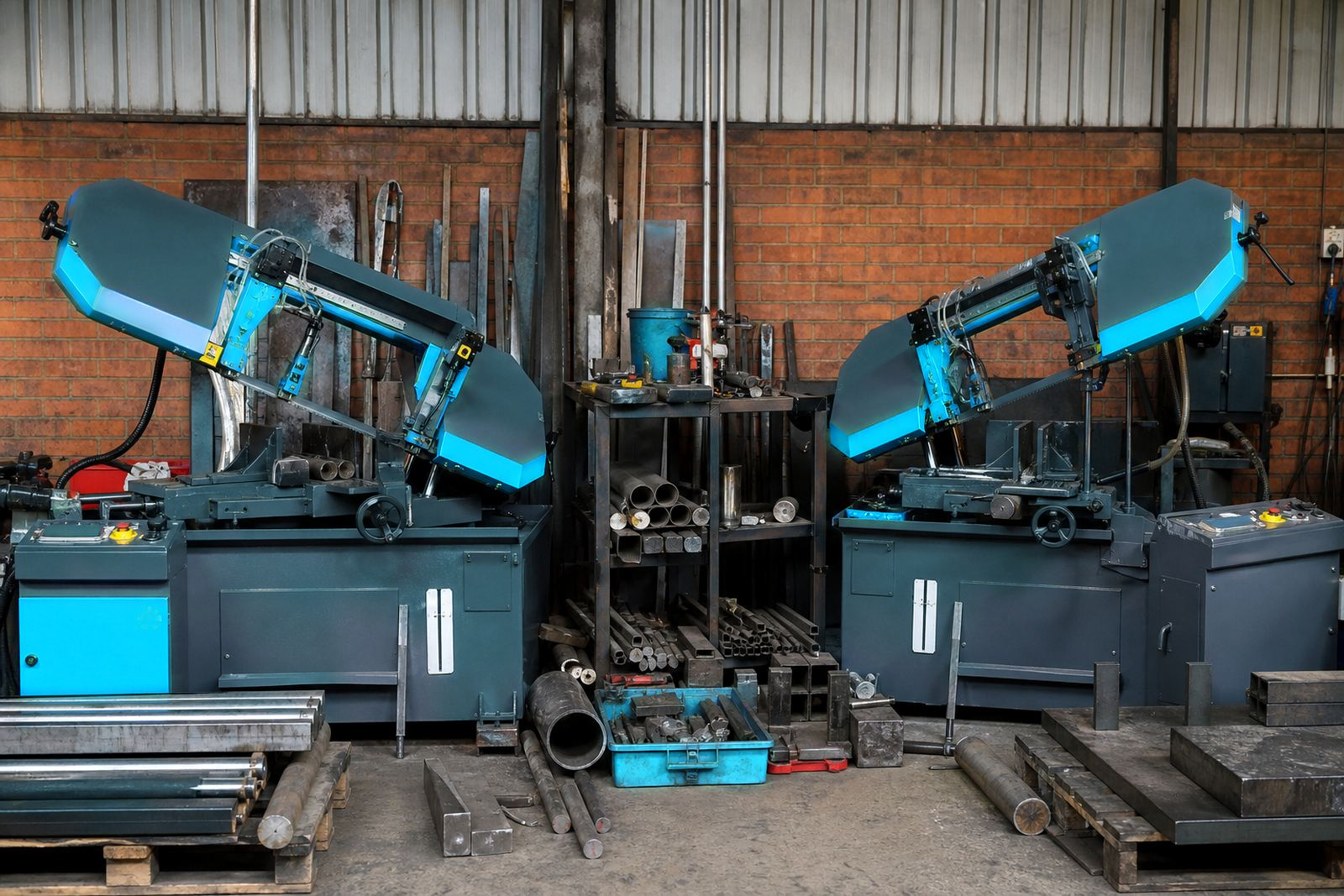
Start with the cuts you do every week
Before adding stock, list the jobs that fill the week: solid bar, tube, angle iron, mild steel plate, stainless sections or mixed offcuts. A workshop that mostly handles light section work needs a different spread of blades from one cutting heavy solids. The first order should cover the most common thicknesses and the most used machines, not every future job under the sun.
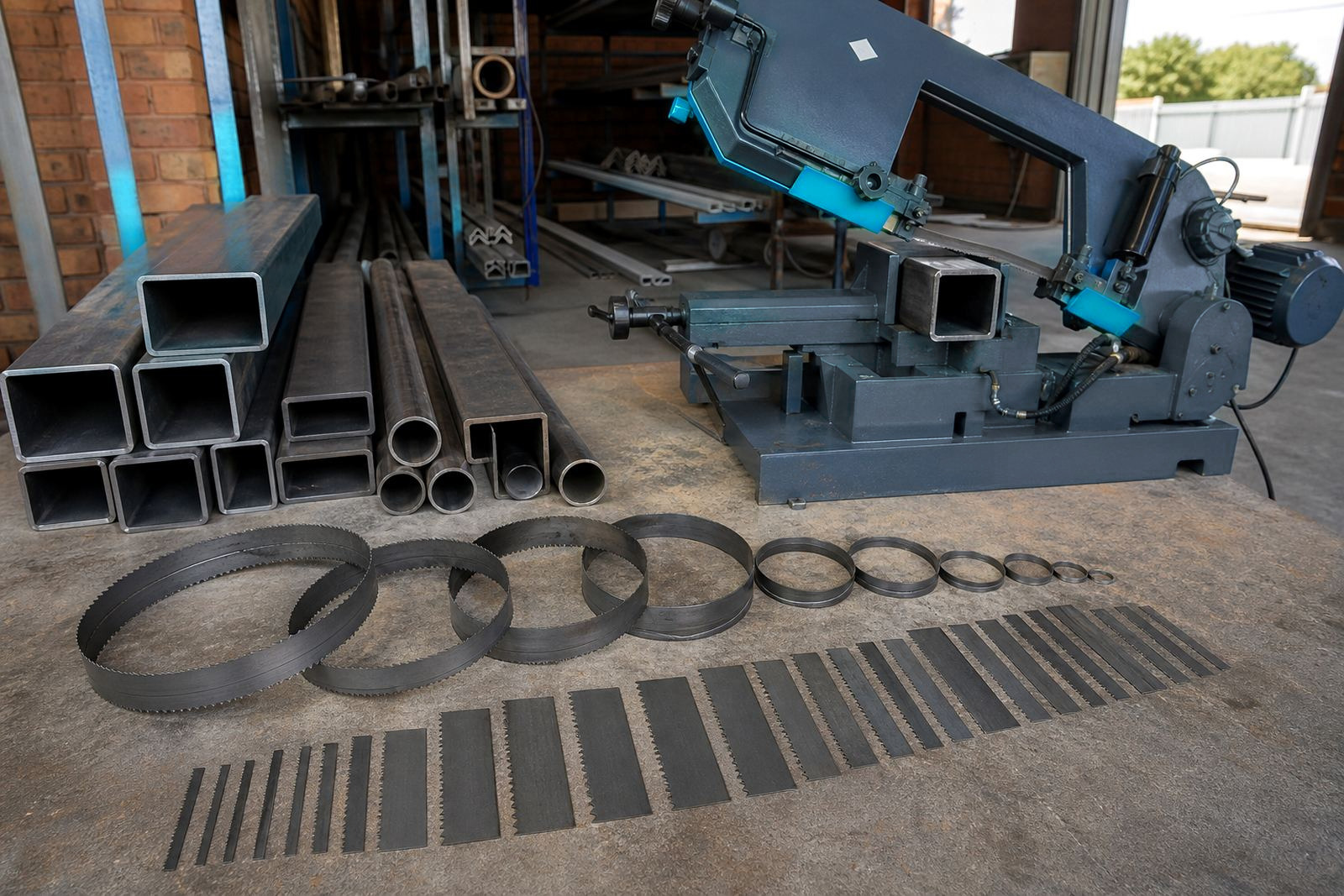
For metalwork, bandsaw blades and hacksaw blades behave best when the teeth match the section size. Fine teeth suit thin wall material and small solids, while coarser teeth clear swarf better on bigger sections. If the wrong pitch goes on the machine, the blade loads up too fast, cuts wander or teeth strip early.
A sensible first stock for a small bay
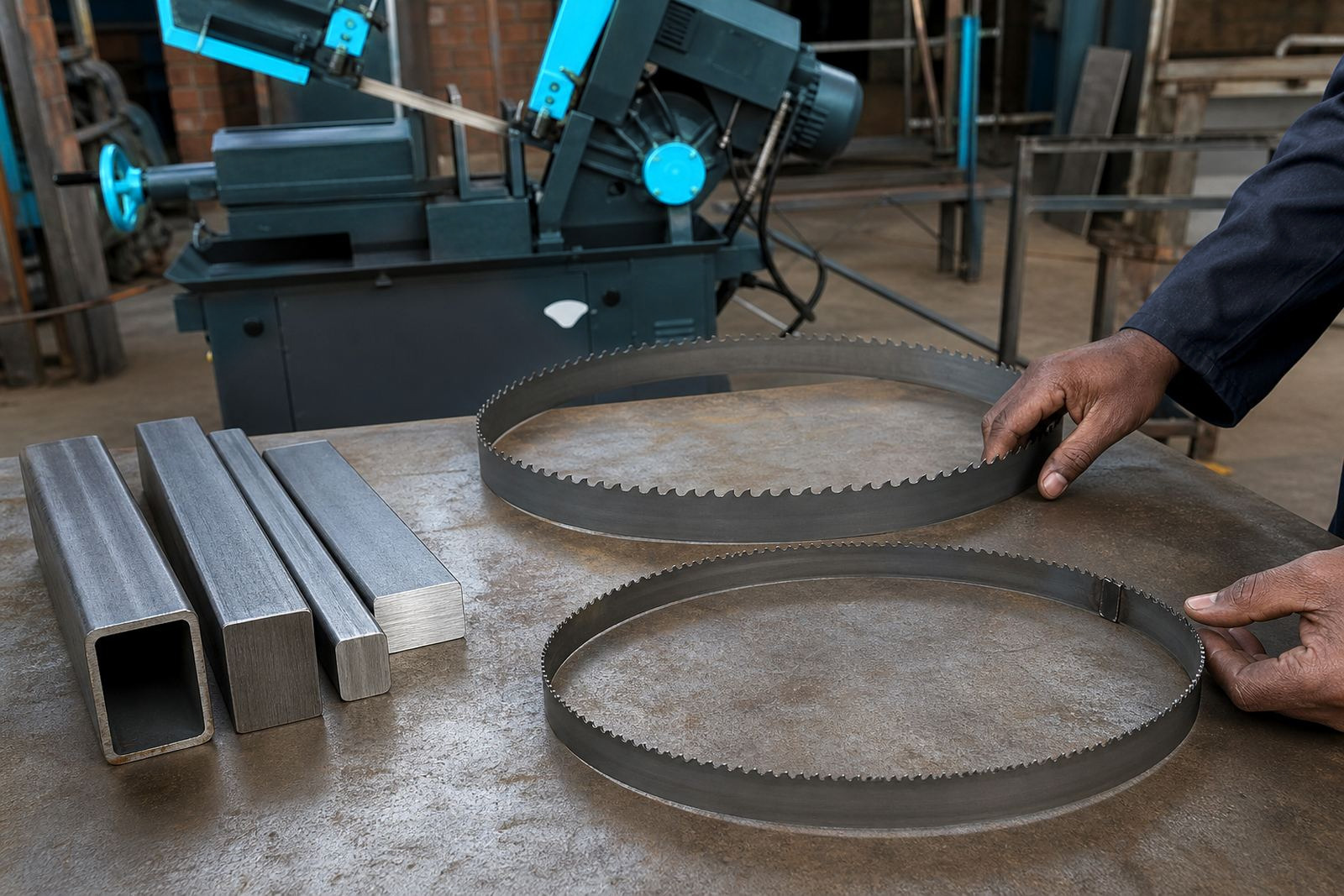
One practical starting set is a general purpose bi-metal bandsaw blade in a few widths, plus one carbon steel blade option for lighter manual work. A starter kit can also include a spare blade for each main saw, so the job keeps moving when a blade is damaged or worn. In many workshops, one machine may need a narrower blade for tighter work and another may run a wider blade for straighter cuts.
- Bi-metal blades for most metal cutting on powered saws
- Carbon steel blades for lighter manual sawing and softer materials
- One fine pitch blade for thin wall section and tube
- One medium pitch blade for mixed general work
- One coarser pitch blade for larger solids
- Spare welded lengths matched to the machine size
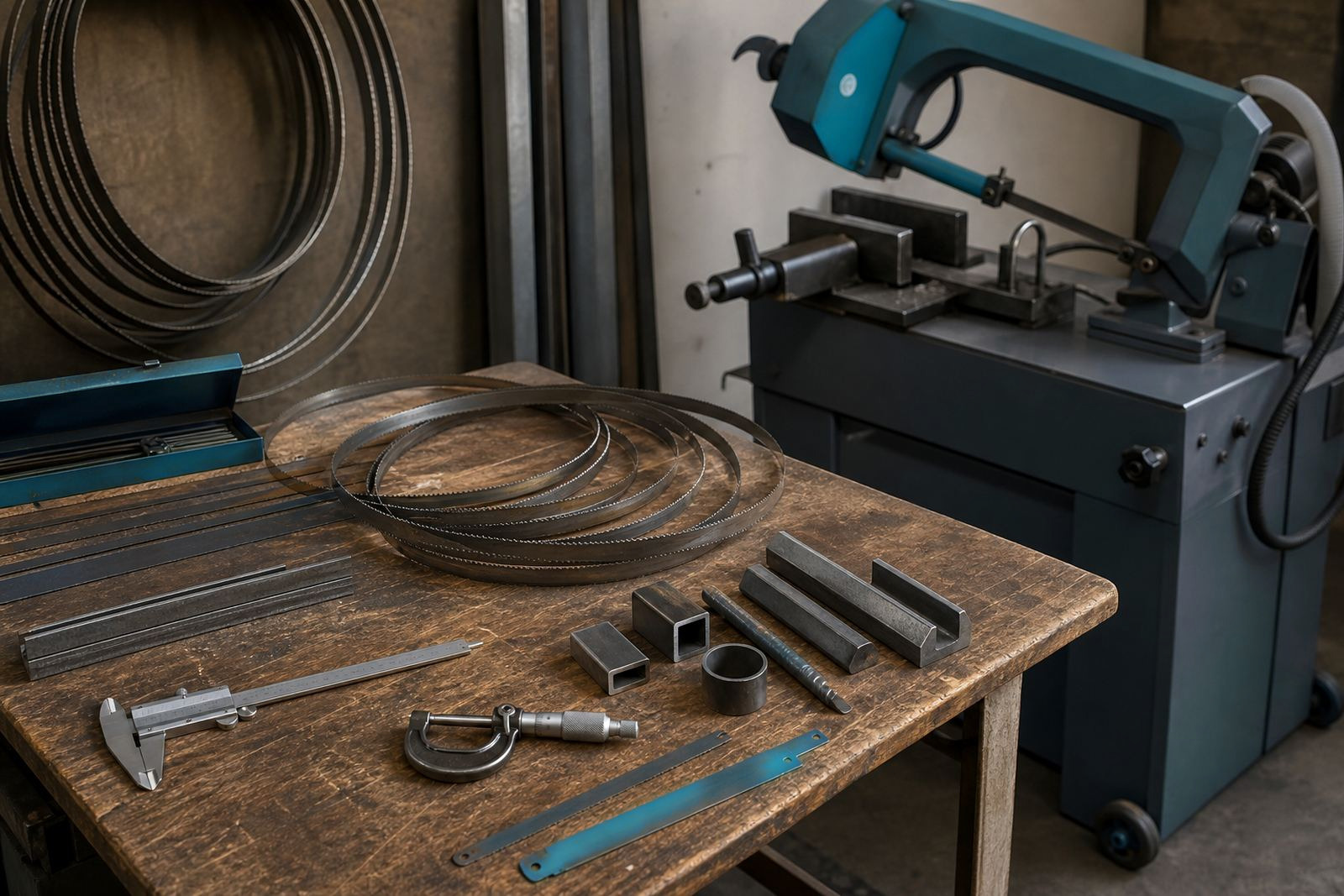
A small stock range is easier to keep tidy if every blade is tagged by length, width and tooth pitch. That makes it easier to avoid the common mix-up where a blade fits the saw but not the job.
Matching tooth pitch to the material
Tooth pitch is the first choice that affects cut quality. On thin wall tube or light section, a finer TPI keeps more teeth in contact and reduces snagging. On thick solids, a coarser pitch clears swarf better and reduces heat build-up. Variable pitch blades help on mixed cross-sections because they interrupt vibration and can give a steadier cut on changing material.
For a workshop that switches between mild steel, stainless and mixed fabrication offcuts, ask for guidance on the tooth form as well as the TPI. A blade that starts well on one material may still struggle on another if the tooth set or pitch is off. The right advice saves wasted lengths and avoids forcing the machine.
Width, thickness and the machine fit check
Blade width and thickness are set together with pitch. Narrower blades turn tighter and suit lighter manual saws, while wider blades track straighter on bigger machines and heavier sections. The machine must accept the width, thickness and welded length without stress at the guides or the wheels.
Use a simple fit check before you place blades into stock:
- Confirm the saw length, blade width and thickness
- Check whether the machine takes a welded endless blade or loose lengths
- Look at guide condition and wheel tracking
- Make sure the cut table or vice holds the work square
- Match the blade to the most common material size on the floor
A machine that is slightly out on guides or tracking can waste a good blade fast. That is why length verification and machine fit checks are worth doing before the shelf gets filled.
Run-in, feed and speed without the drama
Even a good blade needs a proper run-in. The first cuts should be lighter, with reduced feed and sensible speed, so the teeth bed in before full work starts. If the blade is pushed hard from the first cut, the edge can glaze or chip and the set may collapse early.
Feed speed should suit the material and the tooth pitch. Too much feed on a fine pitch blade will clog the gullets, while too little feed can rub the teeth and raise heat. Many powered saws need coolant, especially where stainless or thicker sections are being cut. A clean coolant mix helps carry heat away and keeps the cut face steadier.
What to keep on the shelf, and what to cut to length
Small workshops do better with fewer blade types that are used properly. Stock standardisation keeps the shelf easier to manage, and it reduces the chance of a blade sitting unused while the wrong one gets fitted. If the workshop has more than one saw, try to keep the same pitch family across machines where the work allows it.
Weld-to-length service helps when the saw needs a specific loop size or when a manual saw uses a blade length that is awkward to hold as loose stock. Workshops keep a clean spare ready for a breakdown or an urgent repair. For small teams across Johannesburg, Pretoria, Vereeniging, Durban and Cape Town, that kind of planning keeps the cutting bay less messy and more predictable.
A quick monthly blade check for the shop floor
A short check each month catches the small problems before they take a blade out of service. Look at tooth wear, cracks near the weld, signs of overheating and any change in cut squareness. If the teeth are stripped on one side more than the other, the machine may be feeding unevenly or the guides may need attention.
- Check the blade length and tooth pitch against the job list
- Inspect the weld area for fatigue or cracking
- Look for broken teeth and uneven wear patterns
- Review coolant flow and chip clearing
- Confirm the saw still tracks true under load
If a blade keeps failing in the same place, the cause is usually a mechanical or procedural issue with the saw or the cutting process. A failure review can point to feed pressure, guide condition, set damage or poor material support before the next blade is wasted.