Start With The Shape And The Cut Length
Solid material puts more tooth load into the blade than thin wall section, so the first check is the workpiece shape and the amount of metal in the cut. A round bar, a billet and a thick flat bar all ask for a different tooth pitch and a different feed feel.
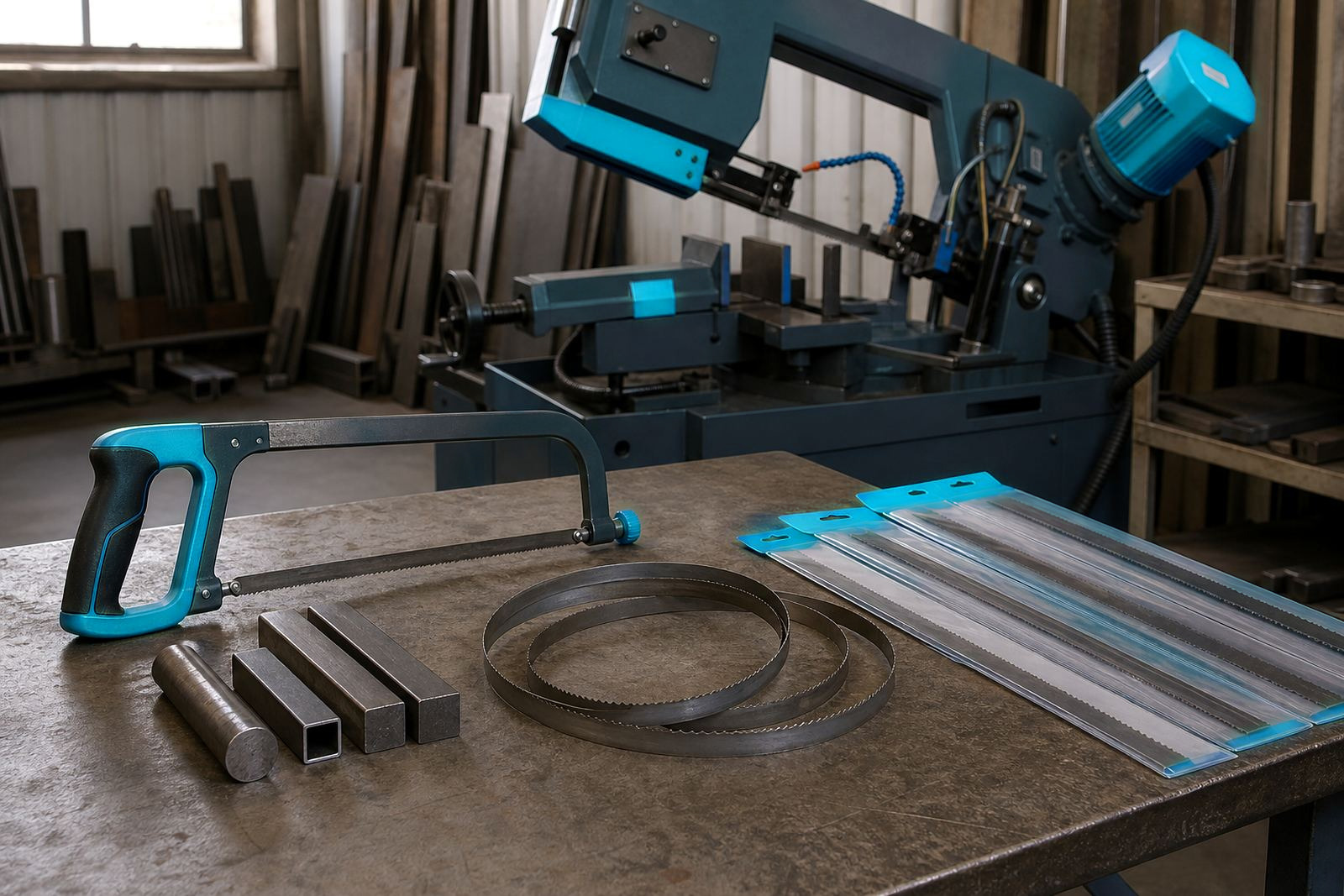
For straight cutting on a bandsaw, the blade needs enough gullet space to carry the chip out of the cut without packing the teeth. On a hacksaw machine, the same rule still applies, only the stroke and feed are less forgiving when the tooth pitch is too fine for the section.
- Measure the thickest section in millimetres, not the outside size alone.
- Note whether the cut starts on full solid cross section or on a corner.
- Check if the machine clamps the work firmly, especially on shorter billets.
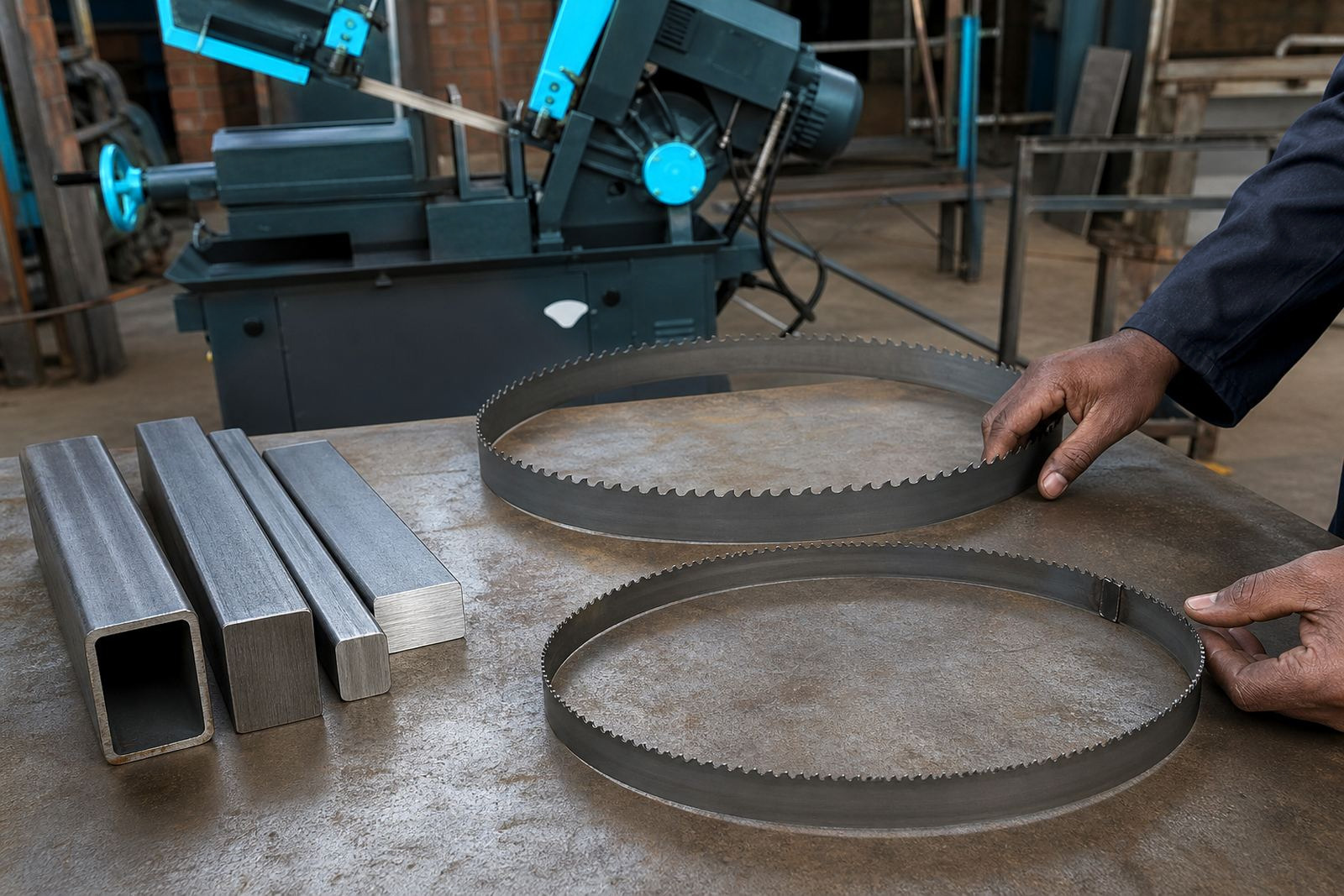
- Allow for cut length if the blade is being supplied welded to length.
Choose Tooth Pitch That Matches The Chip
Tooth pitch is the first setting most operators should settle before looking at anything else. On solid material, a very fine pitch can fill too many teeth at once and a very coarse pitch can leave the cut chattery, with poor finish and a wandering line.
Variable pitch blades help on mixed sections and where vibration is a problem. For heavy solid stock, a coarser pitch often suits larger diameters and thicker bars, while a finer pitch works better on smaller diameters and lighter billets. The right choice depends on the smallest section in the batch as well, because the blade must suit the hardest cut in the run.
- Match pitch to the smallest solid section in the job set.
- Use variable pitch where chatter shows up on long cuts.
- Keep enough teeth in contact to avoid tooth stripping.
- Check that chip size looks even and not powdery or torn.
Blade Width And Thickness Are Part Of The Decision
Blade width affects straightness and cornering, while thickness affects how the blade tracks and how much fatigue it can carry over time. A wider blade is steadier on larger machines and long straight cuts, but it needs the saw to run true and the guides to be set correctly.
For smaller manual saws and mixed workshop work, a narrower blade can be easier to manage where the machine or material setup is less perfect. A thicker blade can help with control on heavier duties, although the welding and tensioning need to be right or the blade will drift and heat up early.
When the machine has seen a lot of work, blade width should be checked against guide condition and wheel alignment, not guessed from habit.
Run-In, Feed And Speed On Solid Stock
A new blade needs a careful run-in on solid material. That means lighter feed for the first cuts, then a gradual move to normal working pressure once the teeth have settled. Skipping this step often shortens blade life, especially on dry steel and larger cross sections.
Feed and speed must work together. If the feed is too hard, the teeth hook and chip. If it is too light, the teeth rub and harden at the edge. On solid material, the saw should keep making clean chips, not dust and not heavy blue heat at the tooth line.
- Start with a gentle run-in on the first few cuts.
- Use a steady feed and avoid pushing harder at the start.
- Reduce speed if the blade is heating or leaving a rough finish.
- Watch chip colour and shape to judge the cut and avoid guesswork.
Coolant, Set And Material Condition
Coolant helps carry heat out of the cut and clears fine chips from the gullets. On solid rounds and thick billets, poor coolant flow lets heat build at the tooth tips and the set on the blade can disappear early. A dry cut can work on some light jobs, but solid stock is less forgiving.
We look at blade set too. If the teeth are not set evenly, the cut can pinch and the blade will start to rub. Rust scale, mill scale and hard skin on the outside of the bar can make the first contact harsher, so the entry point should be watched closely. A good coolant check and a clean machine bed often save a blade that would otherwise be blamed for the wrong problem.
Workshop Checklist Before The First Solid Cut
Before the first cut, run through the same checks every time. Solid material exposes small faults fast, and a weak setup can turn into broken teeth or a twisted cut line before the job settles.
- Confirm the blade length, weld and tooth direction.
- Check width, thickness and pitch against the material size.
- Inspect guides, wheels and tension setting.
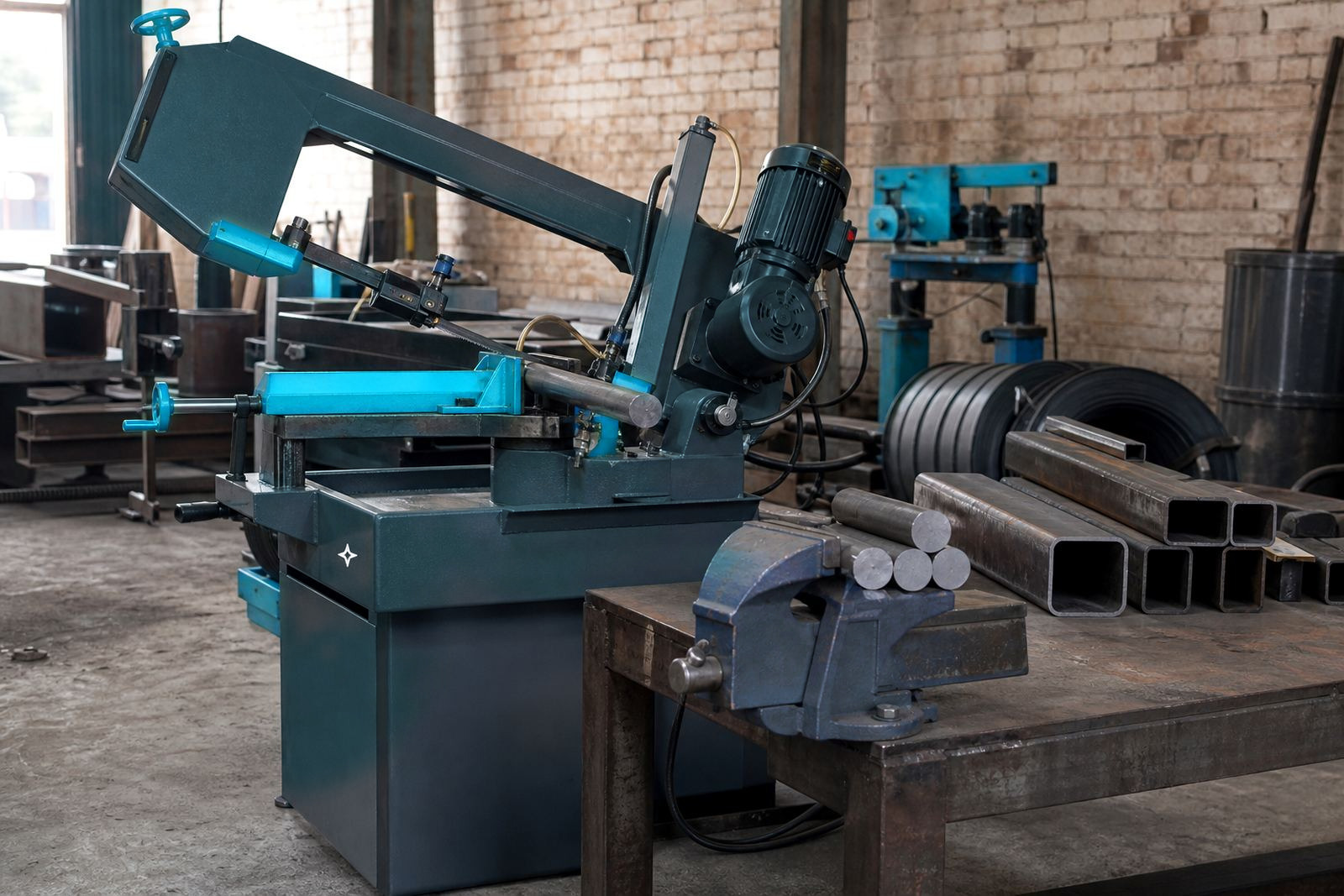
- Look at the clamp pressure and vice alignment.
- Make sure coolant reaches the tooth line properly.
- Set the first cut with light feed and watch the chip form.
If the blade pulls to one side, heats quickly or leaves a rough face, the issue may sit with machine fit, feed pressure, stock condition or the blade itself. A blade failure review or machine fit check helps narrow the cause.
What MoreCut Saws Handles For Solid Material Jobs
MoreCut Saws works from Alrode, Alberton and supports solid-material cutting across Johannesburg, Pretoria, Vereeniging, Durban and Cape Town. The work often starts with tooth pitch selection, then moves to blade width, length verification and whether a starter kit or weld-to-length blade service suits the workshop.
For teams cutting solid rounds, billets and thick flat stock on manual saws or powered bandsaws, the useful part is getting the blade matched to the material instead of forcing one stock blade to do every job. That keeps stock standardisation more practical and reduces the number of odd blades lying around the shop.