What to send with a blade enquiry
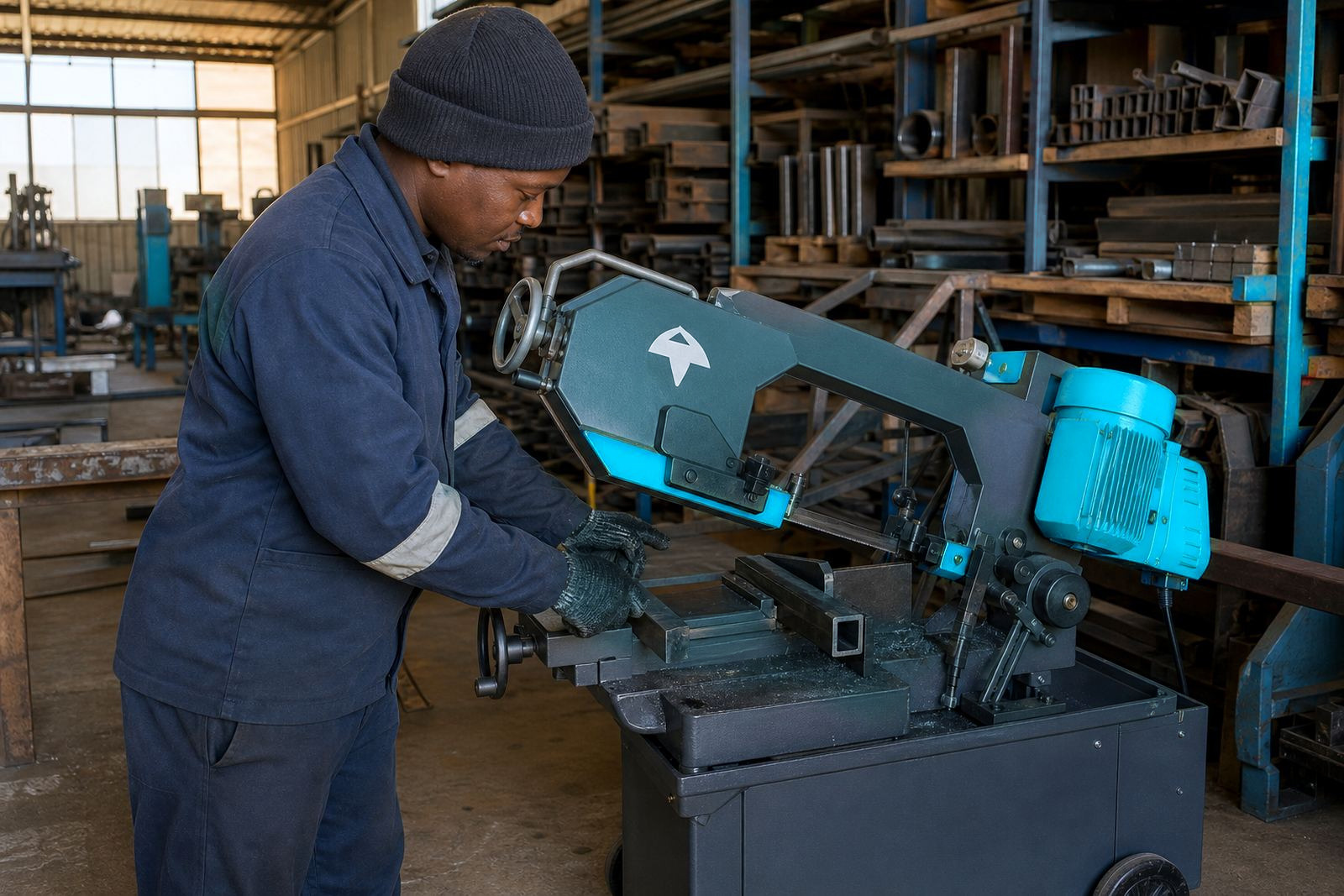
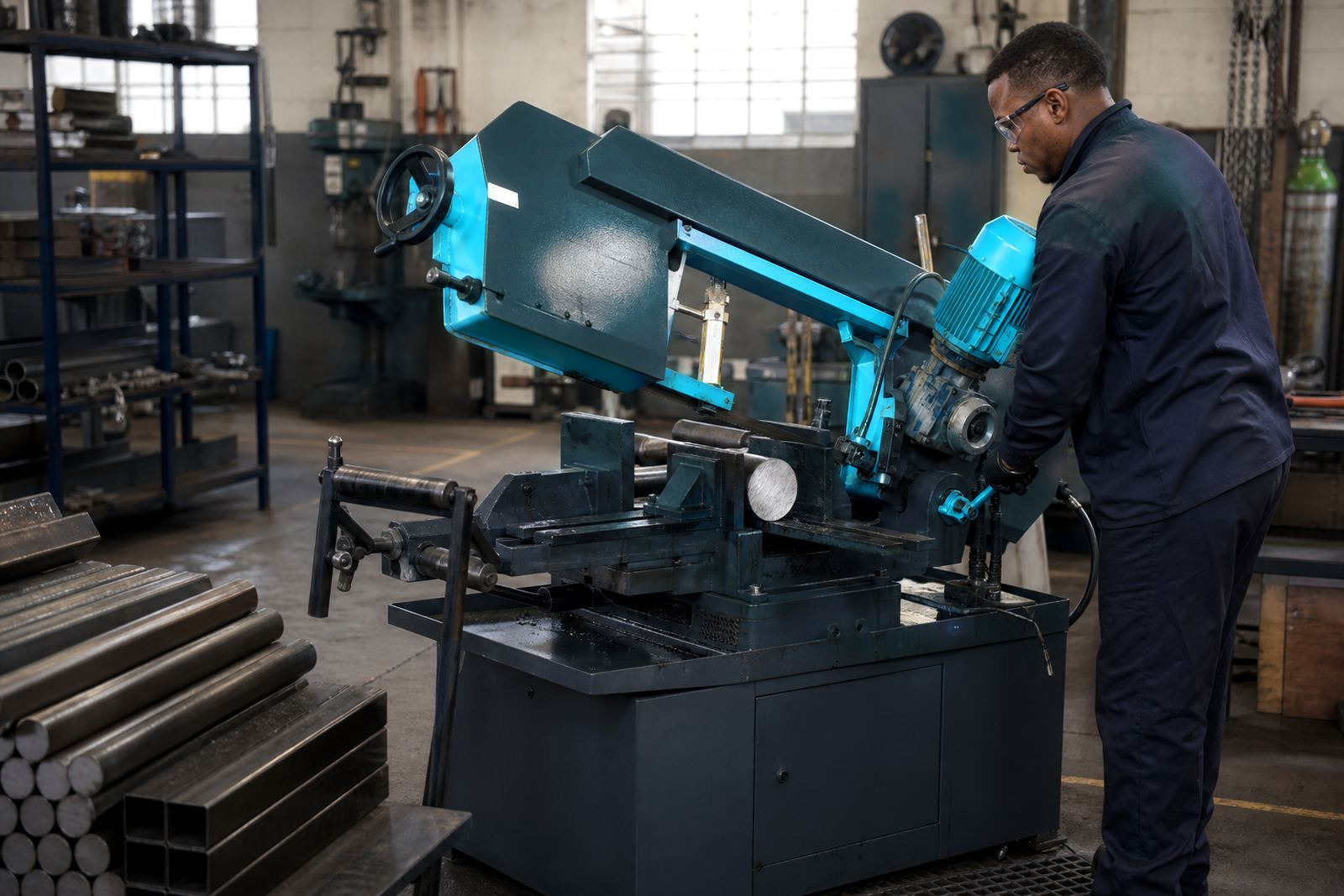
A good enquiry starts with the machine name, the material being cut and the finished size you need from the cut. If you know the blade length already, include it, if not we can work from the saw model, wheel size or the old blade pattern. Mention whether the work is light wall tube, solid bar, box section or mixed offcuts, because that changes the tooth pitch and blade style.
- Machine type, vertical or horizontal saw, or a manual hacksaw frame
- Material grade and section size, including wall thickness where relevant
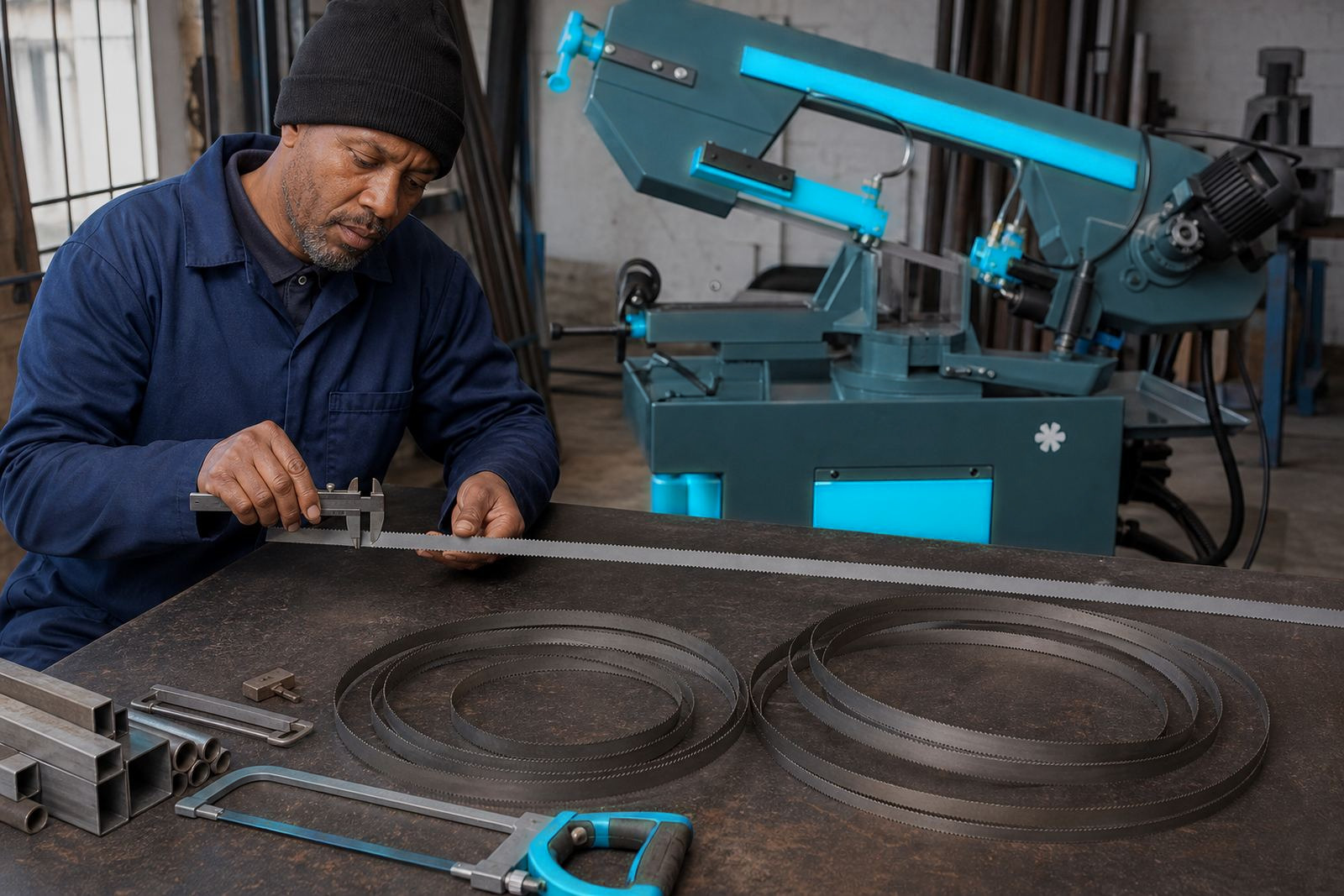
- Current blade length, width and thickness if you have it
- Cut finish requirements, rough cutting or cleaner finish cuts
Pitch and tooth count for the material in front of you
Tooth pitch affects how the blade bites into the work. Fine pitch works well on thin wall stock and smaller solids, while coarser teeth clear chips better in heavier section. Variable pitch helps reduce vibration on mixed bundles and awkward profiles. If the pitch is too fine, the gullets clog. If it is too coarse, the teeth can hook and chatter.
For mixed workshop work, we often look at the material range first and then choose a pitch that stays safe across the full job list. On stainless, mild steel and structural offcuts, chip load and surface contact change from piece to piece. Set a steady feed and the right speed along with the blade.
Blade width, thickness and set need to suit the cut
Blade width helps control the cut. Section and bar stay straighter with wider blades, while narrower blades suit tighter radii and smaller machines. Thickness affects flexibility and durability, and the tooth set helps clear the kerf without rubbing the sides of the cut. If the set is wrong for the machine or the material, the blade can wander or heat up.
- Wide blades for straight production cuts on stable machines
- Narrower blades for smaller frames and curved work where needed
- Correct set for clear chip flow and reduced side drag
- Blade thickness matched to wheel size and saw tension
Bi-metal and carbon options for workshop use
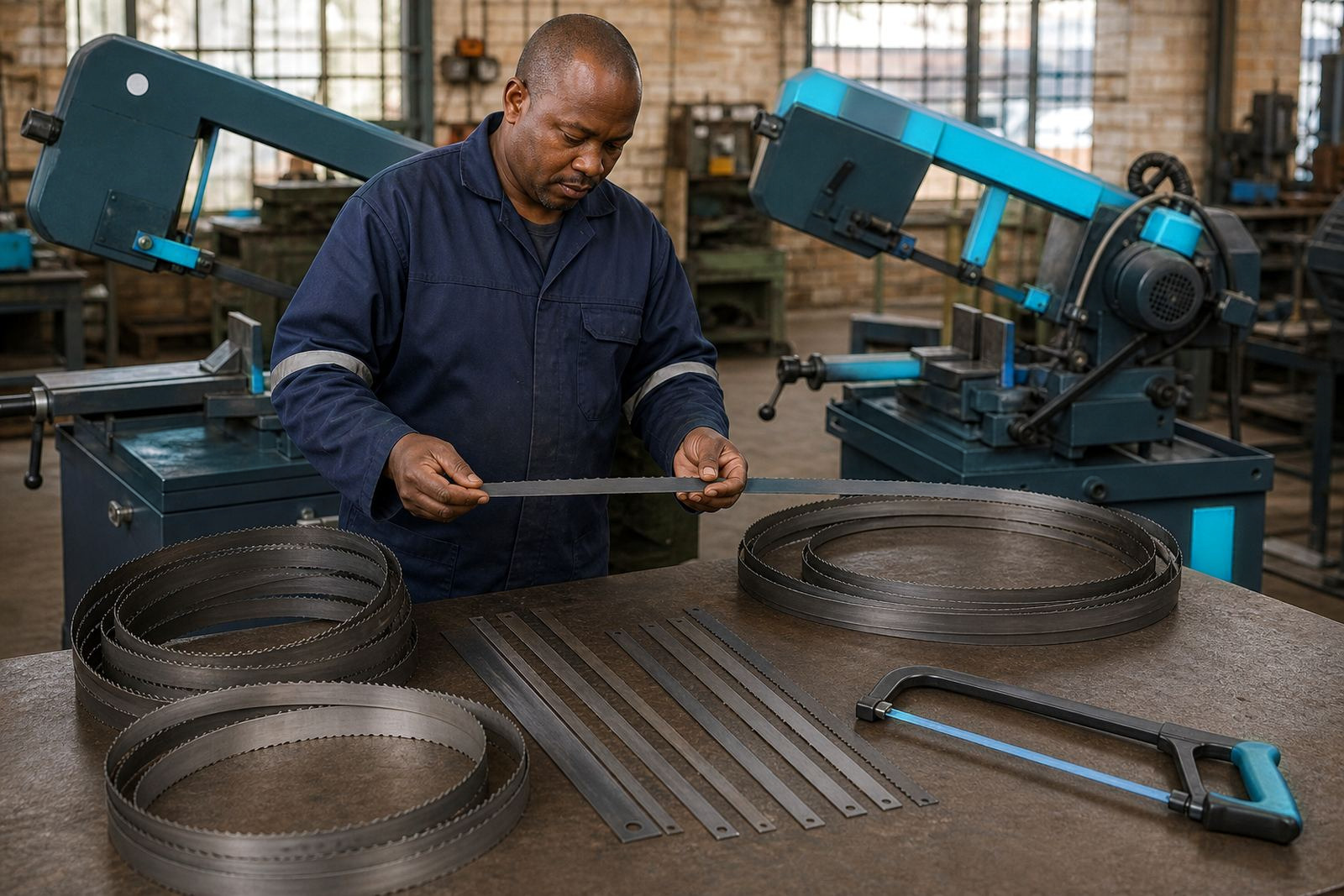
Bi-metal blades, including M42 type blades, are commonly used where longer life and steadier tooth wear are needed. They handle a wider range of metalwork jobs and cope well with repeated starts and stops. For lighter manual work, softer metals and lower duty cutting, carbon steel blades suit budgets and the task well.
We can talk through starter kits too, especially where a workshop needs a few blade types for different machines. One blade can handle thin wall tube, another solid bar, with a spare ready for fast changeovers. Stock standardisation also helps when several branches or teams share the same cutting work.
Run-in, feed speed and coolant checks before the first cut
A fresh blade benefits from a proper run-in. That means easing the feed at the start so the teeth settle before full cutting pressure is used. Feed speed should suit the blade width, tooth pitch and the metal itself. Too much pressure can strip teeth, while too little pressure can polish the edge and cause rubbing.
Many metal cutting jobs need coolant, especially where heat build-up, swarf packing or long cuts are part of the shift. A proper coolant check can reduce tooth stress and keep the cut cleaner. On manual saws, steady hand feed and a dry, clean blade path also make a real difference.
Weld-to-length, verification and machine fit checks
If your saw uses welded blade loops, we can help with weld-to-length work and length verification so the loop matches the machine. A machine fit check helps confirm the blade length, width and tension range before fitting. That stops you ending up with a blade that appears suitable but cannot be used.
- Loop welding to your exact size
- Length verification against the saw frame or existing blade
- Machine fit check for wheel size, guides and tension range
- Blade failure review when teeth strip, crack or track off line
Where this support is used across the country
From Alrode, Alberton we support workshops across Johannesburg, Vereeniging, Pretoria, Durban and Cape Town, with branch coverage in Alberton Supply, Johannesburg Supply, Pretoria Supply, Vereeniging Supply, Durban Supply, Cape Town Supply, Germiston Supply and Boksburg Supply. The questions are usually the same, but the machines and cut lists are not. A fabrication shop cutting box section all day needs a different blade note from a maintenance team trimming mixed stock by hand.
If the enquiry is for manual saw support, bring the blade frame type and the stock you cut most often. If it is for production bandsaw work, include the blade width, pitch and any wear pattern you have seen on the old blade. That gives us a clean base to work from without guesswork.