
Loops made for the saw already in the shop
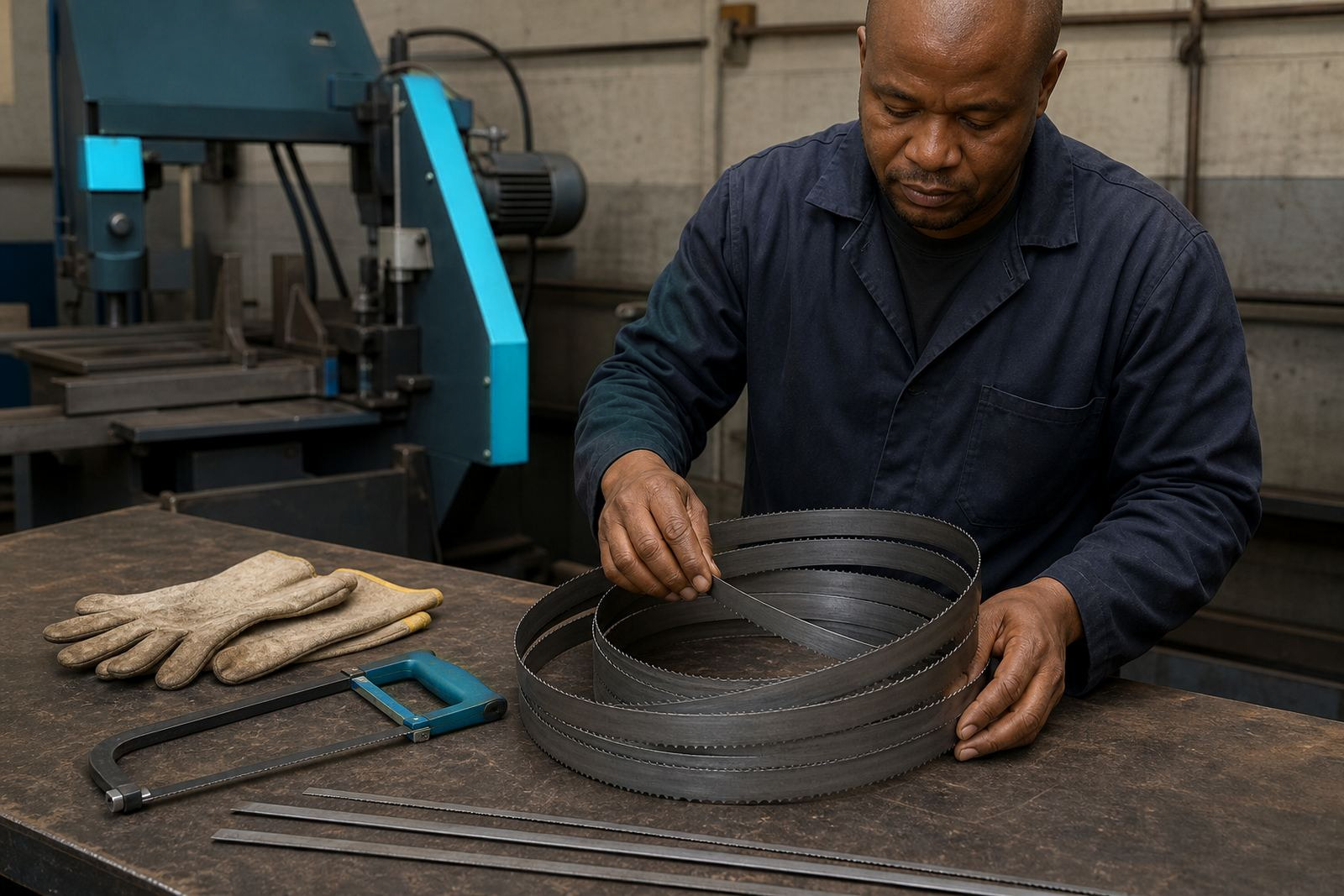
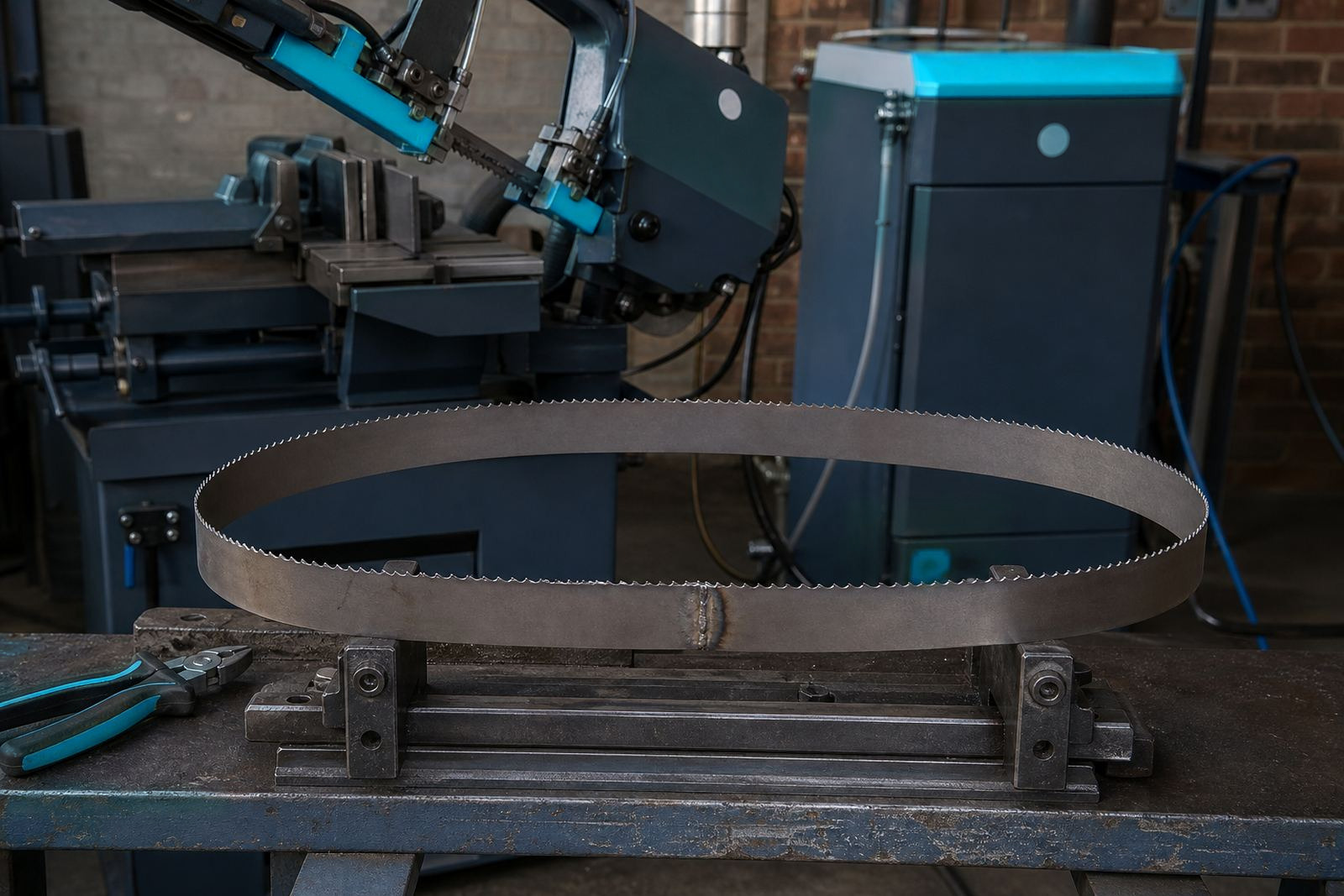
A welded loop blade is a continuous bandsaw blade supplied at the exact length needed by the machine, then joined with a welded joint that is dressed and prepared for service. That makes it suitable for workshops that need the blade ready to mount on a vertical or horizontal saw, without trimming or trying to match loose stock on the floor.
For metalwork, the blade choice depends on the material and the cut. Mild steel, tool steel, tube, solid bar and mixed scrap each need a different tooth pitch, tooth set and cutting style. A finer pitch works better on thin wall sections, while a coarser pitch carries swarf out of heavier sections more steadily.
- Supplied as a closed loop to suit the machine length
- Available in bi-metal and carbon steel blade constructions
- Suitable for manual and powered bandsaw frames used in metal shops
- Can be matched to the wheel size and blade guide arrangement
Size, pitch and blade body choices that change the cut
Blade size covers the overall loop length, width, thickness and tooth pitch. Width, thickness and tooth pitch all work together. A wider blade generally tracks straighter through heavier stock, while a narrower blade handles tighter radii and lighter machines more comfortably. Thickness also needs to let the blade bend around the wheels while staying stable at the weld and in the body of the blade.
We work with common metal cutting options such as bi-metal M42 style blades for tougher service, and carbon steel blades where the job and machine call for a simpler blade body. Variable pitch helps reduce chatter on awkward sections and mixed profiles. TPI usually measures tooth pitch, and the right count depends on how much tooth engagement the material gives during the cut.
- Width matched to machine capacity and the cut profile
- Thickness selected for wheel diameter and blade support
- Variable pitch for steadier cutting on changing sections
- Tooth pitch chosen to suit wall thickness, section size and chip load
Where welded blades earn their place in the week
Metal fabrication shops, maintenance teams, steel stockholding yards and repair benches use these blades where the saw has to keep moving through daily cutting work. They are common on machines cutting square bar, angle, pipe, round bar and general section work. In places like Alberton, Germiston, Boksburg, Johannesburg, Pretoria, Vereeniging, Durban and Cape Town, the same blade often has to handle a mix of dry stock and material that still carries a bit of coolant or surface scale.
A welded loop also helps when the shop wants consistency. Once the machine length is confirmed, the same blade size can be repeated for standardised stock, which keeps changeovers cleaner and makes blade planning easier for a busy cutting bench.
- Metal fabrication and structural steel workshops
- Maintenance bays and repair shops
- Manual saw stations and powered bandsaw lines
- Work that mixes tube, solid bar, plate drops and section offcuts
Fitting details before the blade goes on
A welded loop blade has to fit the machine properly and the wheel path. Loop length, blade width, thickness and tooth direction all need checking before fitting. Welds should move smoothly through the guides and around the wheels, with no hard spot that pushes the blade off line. On a correctly set saw, the blade tracks cleanly, the guides hold it true and the cut stays consistent.
Set the feed and speed too. Too much feed can strip teeth or push the blade off course, while too little feed can make the blade rub and heat the body. Run-in is important on fresh blades, especially when cutting harder material. A steady start lets the tooth edges settle before the blade is pushed into full work.
- Confirm blade length, width and thickness before fitting
- Check tooth direction and weld condition on the loop
- Set guide alignment and wheel tracking before the first cut
- Use sensible feed and blade speed for the material in front of the saw
Care that keeps the cut cleaner for longer
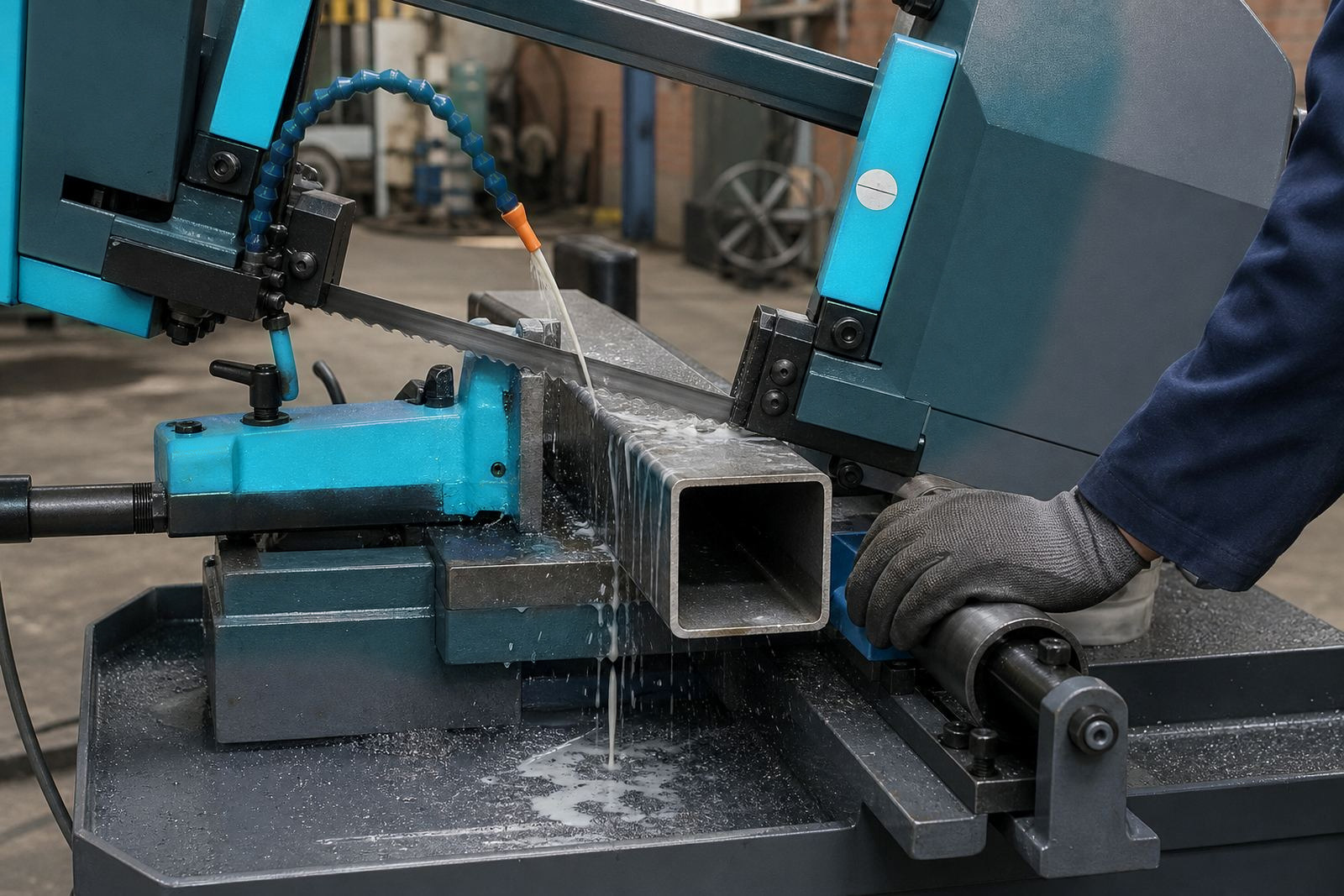
Blade care starts with the way the saw is used. Clean swarf should clear from the cut, and the teeth should not be forced through stock that is too hard for the selected pitch. Coolant helps on many metal cutting jobs, especially where heat builds up in thicker material or during long production runs. A dry blade can work in some shops, but on heavier work coolant checks are worth keeping on the list.
Once the cut starts to wander, the weld should be checked, along with blade tension, guide wear and tooth condition. A blade that runs hot, chatters or leaves a rough finish is usually telling the operator something about pitch, feed or support. The blade failure review service helps trace that pattern before it becomes wasteful.
- Keep the blade tension within the machine setting the saw expects
- Watch for chipped teeth, cracks at the weld and early tooth stripping
- Use coolant where heat and swarf build-up are part of the job
- Review feed, speed and pitch when the cut finish starts to drift
What to confirm when ordering a welded loop blade
Ordering goes smoother when the machine and the material are both clear. Send the saw model along with the exact blade length, the wheel diameter if known, the blade width the machine accepts and the type of material being cut most often. If the workshop is moving between fine tube work and heavier section, that changes the pitch and sometimes the blade body as well.
Saw fit confirmation, tooth pitch choice and band size selection all sit alongside weld to size service for repeat use.
- Blade length and width your saw will accept
- Material type, wall thickness and section size
- Preferred TPI or the cut style you are aiming for
- Whether the saw needs coolant support or run-in guidance
Key facts
| Product type | Welded loop bandsaw blade for metal cutting |
|---|---|
| Blade materials | Bi-metal M42 style and carbon steel options |
| Pitch range | Fine, coarse and variable pitch choices in TPI |
| Blade width | Matched to machine capacity and cut profile |
| Blade thickness | Selected for wheel size, support and cut stability |
| Service options | Weld-to-length, length verification, fit check and blade selection support |