
Straight set blades for hand sawing in the shop
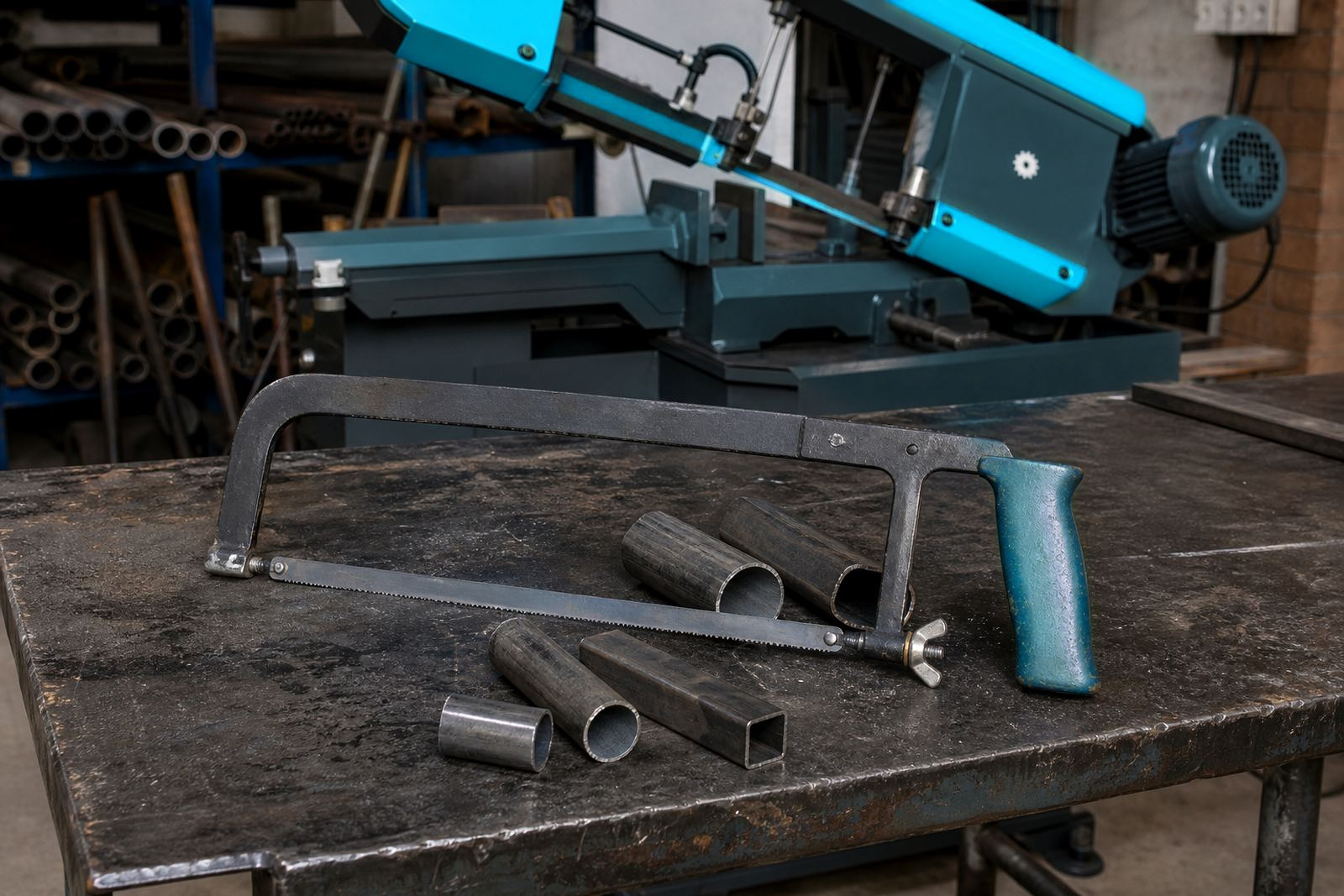
A straight set hacksaw blade has teeth spaced to leave a clear kerf and reduce binding in hand sawing. It is used where the operator wants a steady cut through bar, angle, tube, plate edge trimming, and smaller repair work on steel sections.
For most manual saw frames the blade is fitted under tension, with the tooth line facing away from the handle on the forward stroke. Match the frame length, hole spacing and blade thickness to the saw body, or the blade will wander, twist or wear early at the teeth.
- Suitable for steel, light section and general maintenance work
- Used in bench work, fitment bays and on site repair tasks
- Common on frames that take standard hand hacksaw lengths
Lengths, tooth counts and the feel of the cut
Straight set hacksaw blades are usually supplied in standard hand saw lengths, with tooth counts selected for the section being cut. Fine tooth counts suit thinner wall tube and small solid bar, while coarser pitches move better through thicker material where chips need room to clear.
The blade must match the job and the material. On thin wall tube a finer pitch reduces tooth snagging, and on heavier bar a coarser pitch gives a more open cut. If the tooth count is too fine for the section, the blade can load up and rub. If it is too coarse, fewer teeth carry the load and the cut can chatter.
- Common hand lengths include 250 mm and 300 mm frames
- Tooth pitch is picked to suit wall thickness and section size
- Blade thickness must match the frame tension and clamp depth
Where straight set blades suit best
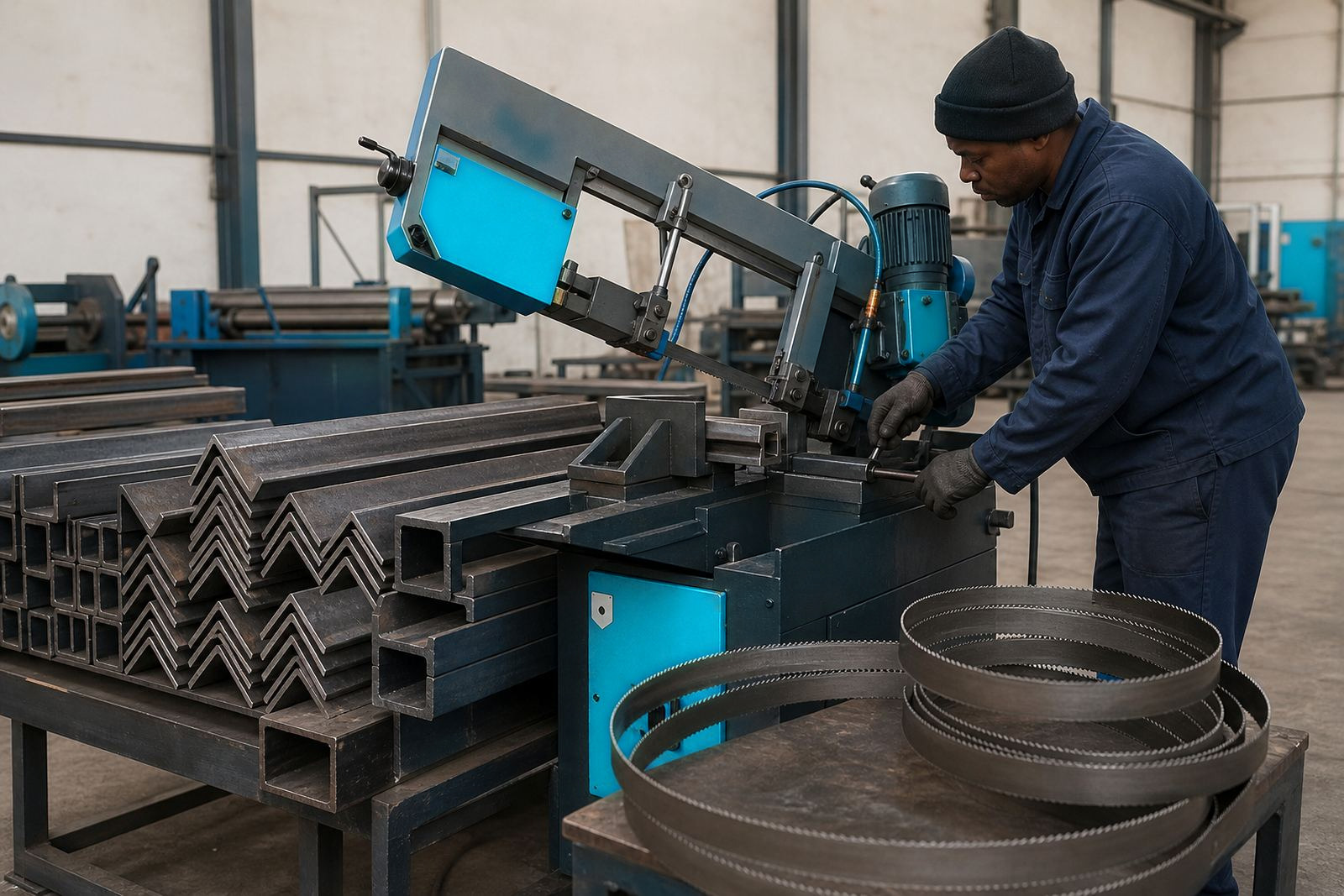
Operators use these blades when they guide the cut by hand, with no machine feed. They suit maintenance benches, small fabrication shops, contractors working on gates and brackets, and stores that trim stock by hand before a final fit.
They also work well where access is tight, such as near welded brackets, in cramped plant rooms, or on marked pieces that need a controlled trim. The straight set pattern is useful where the blade must track cleanly without flexing too much across the stroke. For softer metal, a lighter hand and steady stroke help keep the cut straight and the teeth cooler.
- Hand trimming on mild steel sections and tube
- Repair work around plant, frames and brackets
- General workshop cutting where a manual saw is preferred
Fitting, tension and run-in on manual saw frames
Blade fitting starts with the frame length, pin fit and the direction of the teeth. The blade should sit square in the clamps, with enough tension to stop flex, but not so much that the blade bows in the frame. A loose blade chatters and a stretched blade can snap at the holes.
New blades benefit from a light run-in on the first cuts. Keep the stroke even, use the full blade length and let the teeth start cleanly before increasing pressure. On harder steel, a small amount of cutting fluid or coolant can help with heat and tooth life, especially when the cut takes longer than expected.
- Check frame length, pin spacing and clamp depth
- Keep the blade square before tightening the frame
- Run in gently on the first few cuts to settle the teeth
Care that keeps teeth working longer
Good blade care is simple and important. Clear swarf from the cut, keep the frame straight, and stop forcing the stroke when the teeth start to squeal. On heavier work, a worn blade should be turned out before the set collapses and the cut starts drifting.
Keep spare blades in sleeves or laid flat to stop the teeth from rubbing together. If a blade is used on rusty stock, oily bar or mixed material, clean it before the next job. In humid coastal conditions such as Durban or Cape Town, light rust can appear on carbon steel blades if they are left open on a bench too long.
- Keep blades dry and away from loose bench grit
- Replace bent or rounded blades before they damage the cut
- Separate used blades from new stock in storage
What to confirm when placing an order
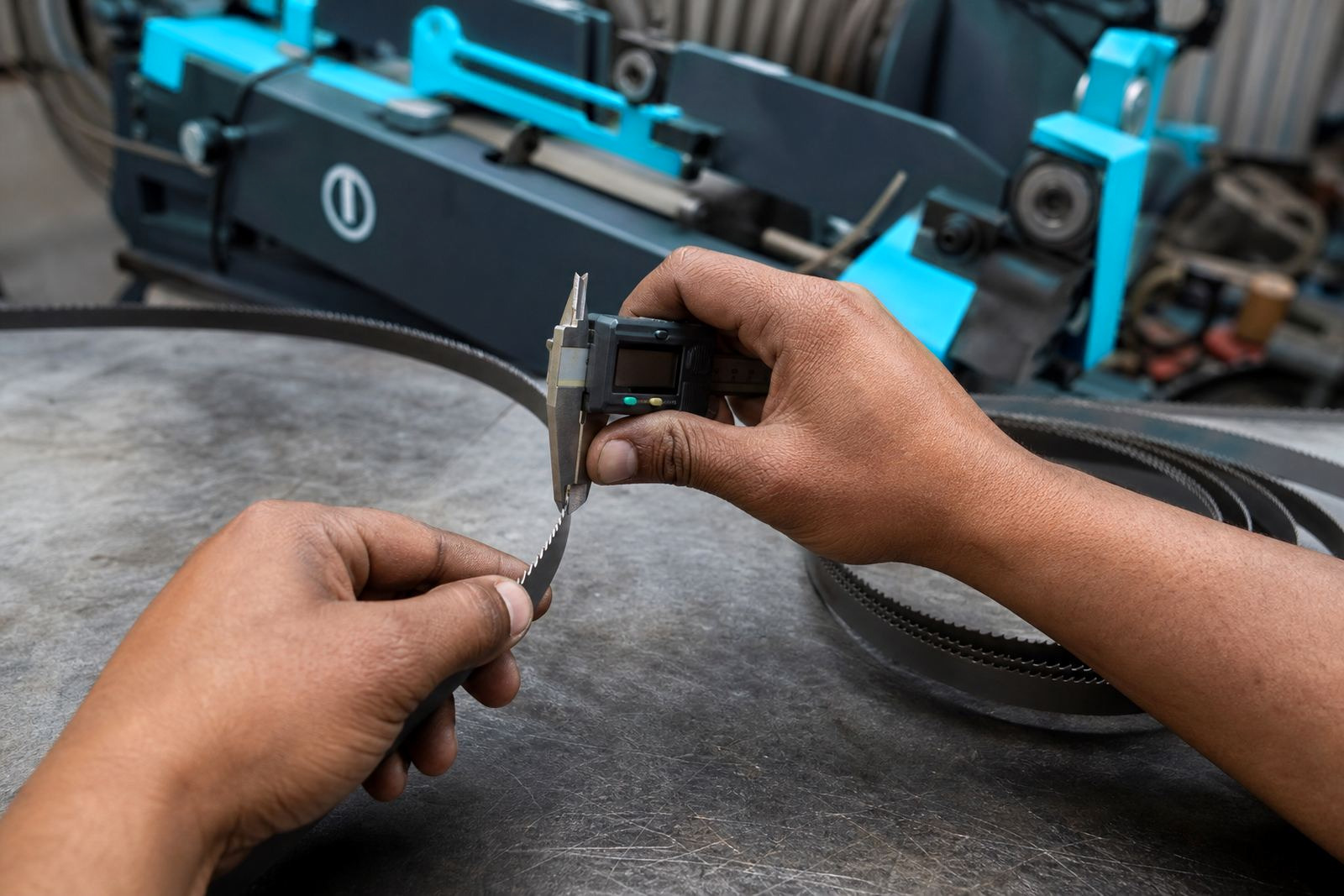
If the saw frame is older, a quick fit check avoids ordering a blade that is too long, too wide or too heavy for the clamp.
For repeat users, blade standardisation can cut down on mixed stock. Our team in Alrode supports manual saw users, workshop buyers and stores with starter kit planning, tooth pitch selection, blade width selection and weld-to-length service for longer blades where needed.
- Frame size and blade length
- Material type and wall thickness
- Tooth count, blade width and blade thickness
- Whether the job is occasional repair or repeated shop cutting
Key facts
| Product | Straight set hacksaw blades |
|---|---|
| Blade type | Manual hacksaw blades for straight set cutting |
| Typical lengths | 250 mm, 300 mm and matched frame lengths |
| Tooth options | Fine, medium and coarse TPI selections |
| Materials | Carbon steel and bi-metal options |
| Service support | Length verification, weld-to-length, run-in guidance and fit checks |