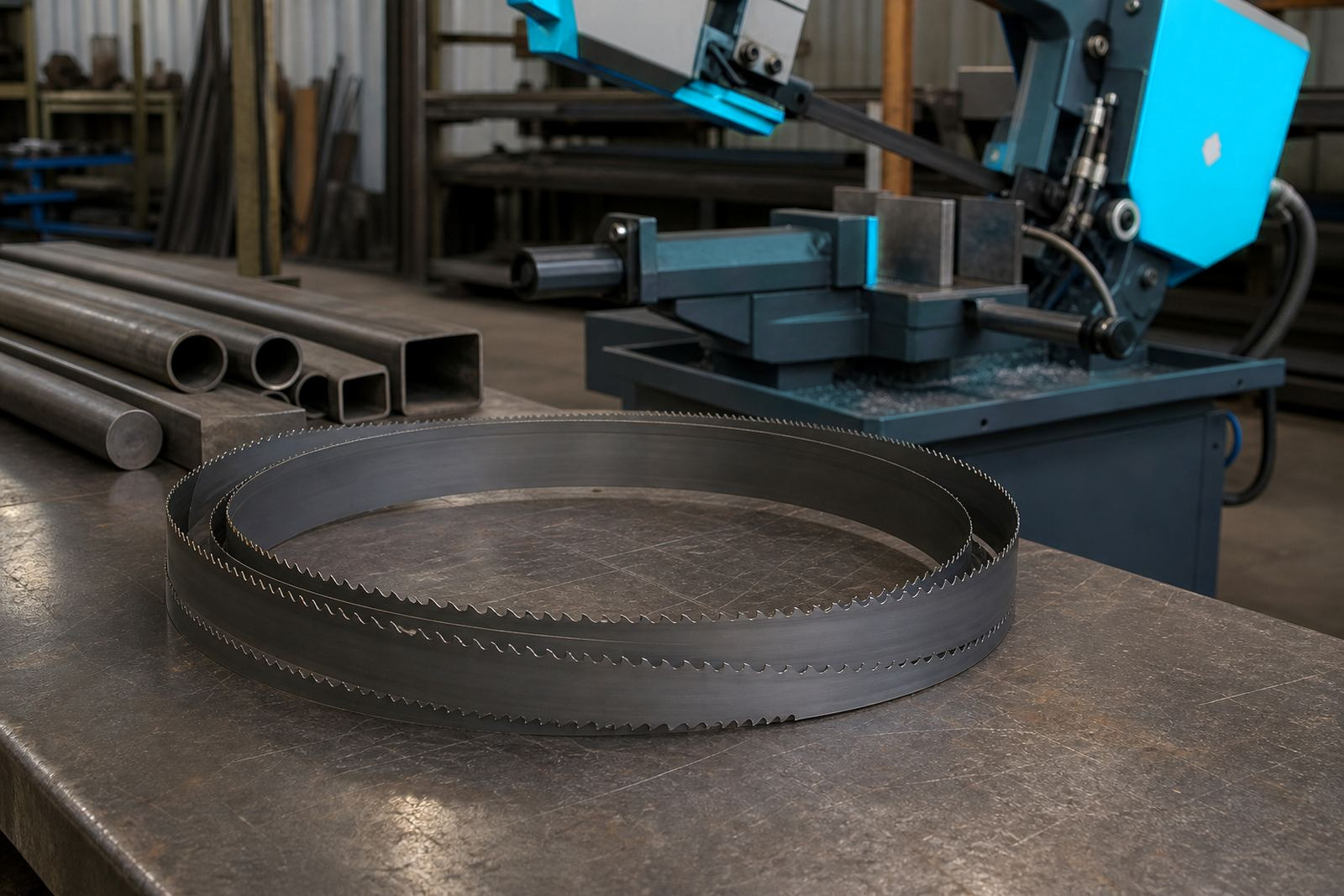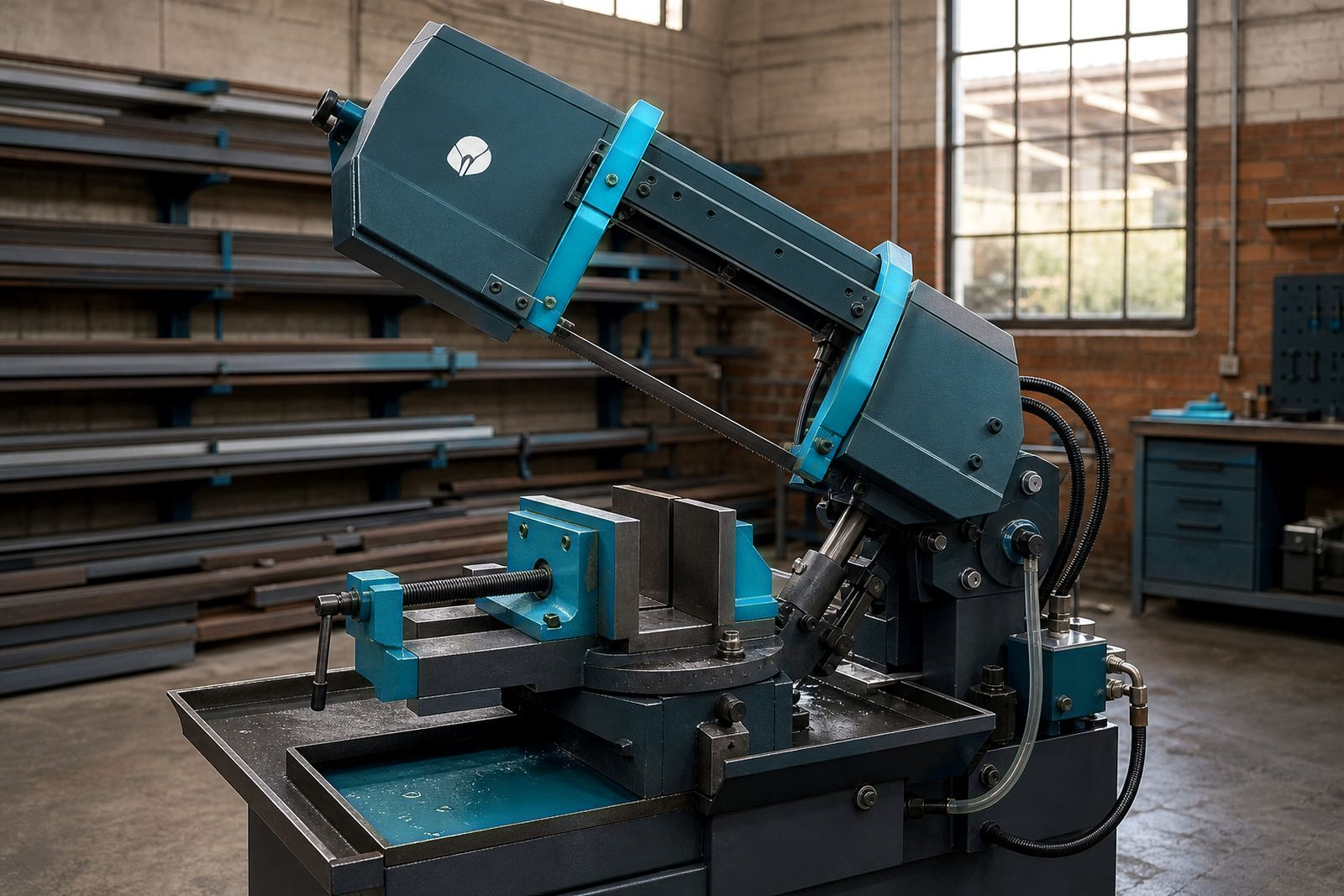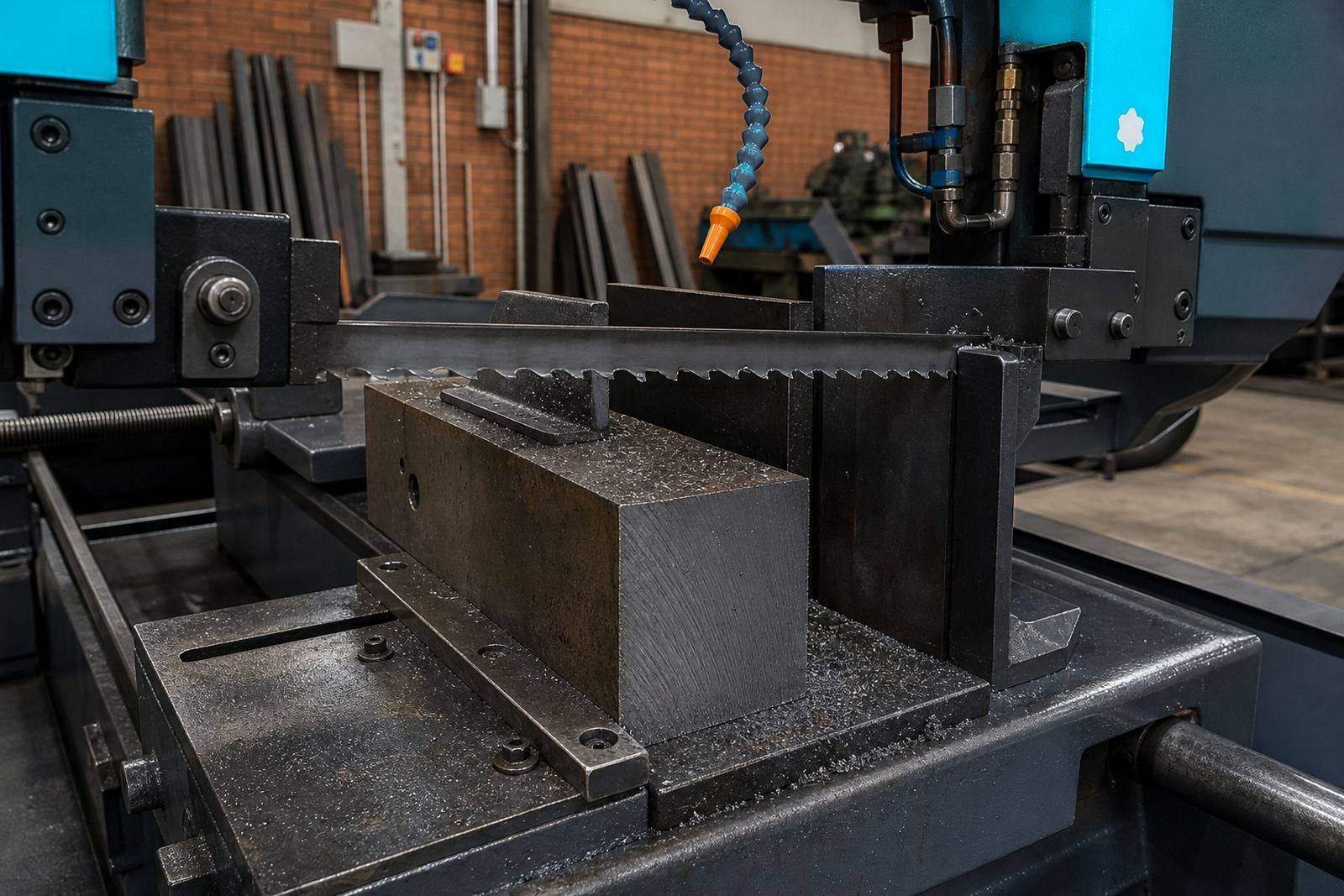
A mixed-job blade pack for repair work
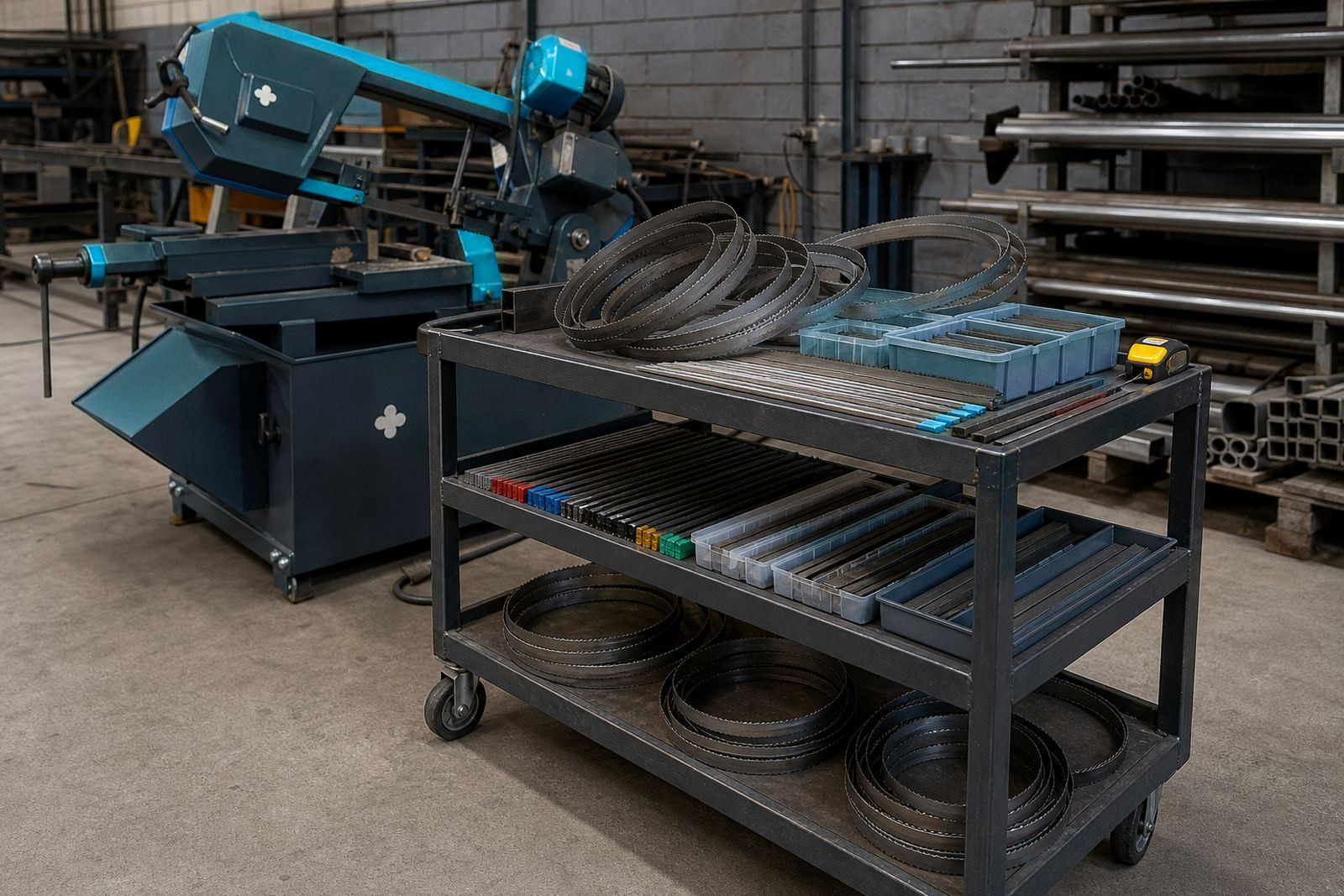
This starter kit is put together for maintenance bays that move between flat bar, angle iron, solid round, thin wall tube and general section cuts. The pack typically combines bi-metal blades for tougher steels with carbon steel blades for lighter duty work, so the crew can keep one job moving without hunting through loose stock.
For workshop use, the kit is aimed at bandsaw and hacksaw cutting tasks where the material mix changes through the week. That often means repair jobs on gates, frames, brackets, shafts, channels and pipe, with a blade choice that fits the thickness and the finish needed after cutting.
Blade builds that suit varied materials
The blades in this range are specified around common metalworking needs rather than one narrow task. Bi-metal blades with M42 edge material suit harder sections and repeated use, while carbon steel blades are still useful for lighter maintenance cutting and general hand saw work.
- Bi-metal construction for longer service in mixed steel work
- M42 tooth edge for tougher ferrous material
- Carbon steel options for lighter, lower-cost cutting tasks
- Variable pitch styles for reduced vibration in uneven sections
- Set and tooth form matched to cut speed and finish
Tooth pitch is chosen with the section in mind. Coarser TPI suits heavier wall and larger solids, while finer pitch gives better control on thinner stock and smaller diameters. The wrong pitch can chatter, glaze the tooth line or leave a rough cut that slows the next step.
Sizes and fitting details in the bay
Maintenance starter kits are usually supplied with a practical spread of blade sizes so the team can cover common machine frames and manual saws. For bandsaws, the important points are blade length, width and thickness, plus the tooth count and whether the blade is straight pitch or variable pitch. Match hacksaw blade length and tooth pitch to the holder and the material you are cutting.
Blade width affects tracking and cut control. Wider blades suit straighter cutting on larger machines, while narrower blades can work better on smaller frames and tighter material changes. A heavier blade can take more load but still needs the right wheel setting and guides to run properly.
- Blade length matched to the machine or hand frame
- Width selected for tracking, curve control and stability
- Thickness matched to wheel size and guide pressure
- TPI chosen for the thickest material in the batch
- Variable pitch useful where material sections change often
Where the kit earns its place
This product suits maintenance teams in factories, workshops, farms, municipal depots and fabrication bays where the cutting list changes daily. One hour may be repair tube and mild steel brackets, the next could be solid bar, pipe sections or small structural work that needs a clean cut before welding.
Stores that want a smaller blade range can still cover common jobs. A maintenance pack helps reduce idle time in the cutting corner, especially where the team needs a sensible blade on hand for mixed repairs and does not run a single dedicated production line.
Fitting, run-in and cutting behaviour
Blades need correct fitting before they can do proper work. On a bandsaw, that means checking wheel alignment, guide position, tension, blade tracking and the fit of the weld if the blade is supplied to length. On a hacksaw, the blade must sit square in the frame with the tooth direction and tension set properly for the cut.
Bi-metal blades need a run-in. A new blade should start with a lighter feed so the tooth tips settle before full work begins. Feed and speed should be matched to the metal, the section size and the machine, with coolant used where the machine setup allows it. Too much feed can strip teeth, while too little can polish the blade and shorten useful life.
- Check blade direction before fitting
- Confirm guide pressure and wheel tracking on bandsaws
- Use controlled feed during the first cuts
- Match speed to the material and tooth pitch
- Keep coolant flow clean where the system uses it
What to confirm when ordering a starter kit
When you place an order, it helps to confirm the saw type, the material mix and the jobs the team cuts most often. Length, width, thickness, tooth pitch and whether the blade needs welding to length all shape the final kit. If the bay uses several saws, each one may need a different blade make-up.
Note whether the main work is thin wall, heavy section, stainless, carbon steel or mixed repair stock. A kit built for one bay in Alrode may not suit a fabrication store in Durban or a maintenance team in Pretoria if the material range is different.
- Machine make-up: bandsaw or hacksaw
- Blade length and saw capacity
- Material types cut most often
- Preferred TPI or cutting finish
- Need for weld-to-length service
Care that keeps the pack useful
Blades last longer when they are stored flat, kept dry and handled without kinks. In humid coastal stores, especially where a pack may sit for a while before use, keeping blades off wet floors and away from open coolant spills helps prevent surface corrosion on carbon steel stock.
During use, the blade should not be forced through hard scale, weld splatter or twisted stock without checking set and alignment first. A blade failure review can often point to feed pressure, tooth pitch, guide wear or a mismatch between width and the saw frame. Good storage, steady run-in and sensible coolant use all help the kit remain dependable for the next repair job.
Key facts
| Product type | Maintenance starter kit for bandsaw and hacksaw cutting |
|---|---|
| Blade materials | Bi-metal M42 and carbon steel |
| Tooth pitch | Mixed TPI options, including coarse and fine pitches |
| Blade style | Straight pitch and variable pitch options |
| Fit options | Weld-to-length service, machine fit check and length verification |
| Common use | Mixed repair work on steel, pipe, bar, section and tube |