Blades matched to the cut and the machine
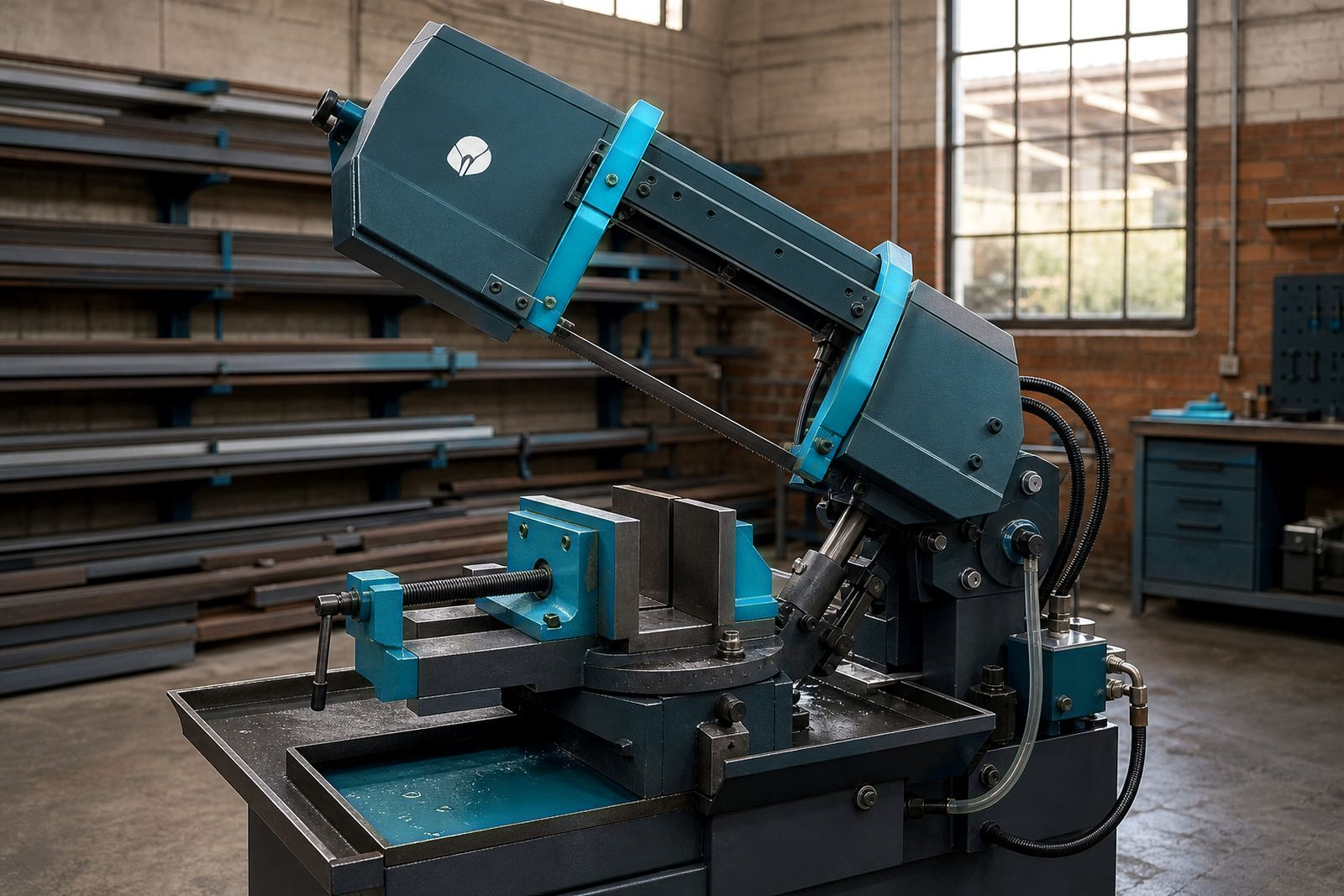
Horizontal saw blades are used on common horizontal bandsaws in fabrication bays, maintenance shops and steel stock rooms. The blade has to suit the material first, then the machine. Mild steel, stainless, tool steel, solid round bar and thin wall tube all place different demands on tooth pitch, blade width, set and cutting pressure.
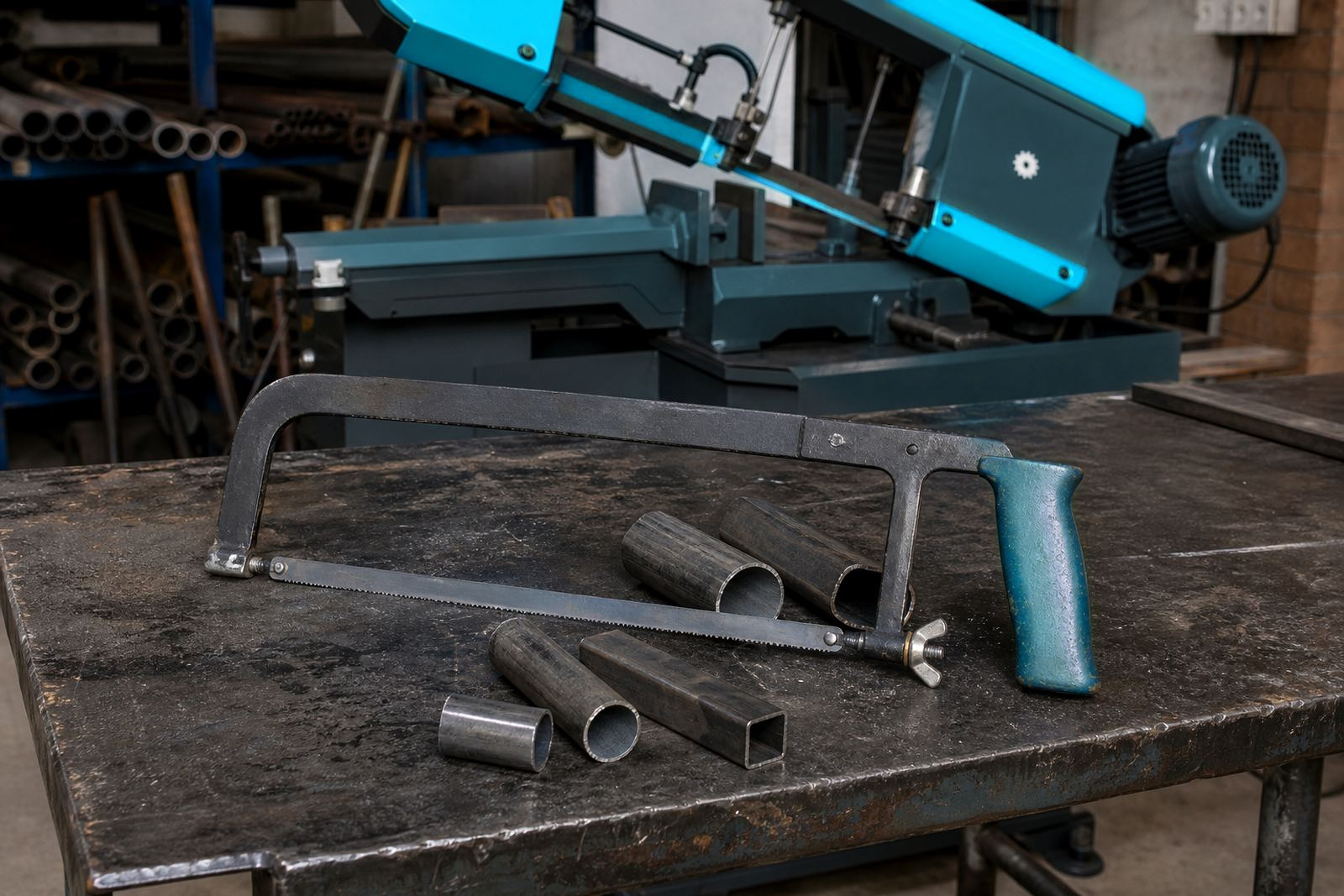
We supply blades for general workshop work and for heavier cuts that need a steady feed more than speed. Bi-metal blades with a hard cutting edge and a flexible back suit mixed work well. Carbon steel blades are still useful on lighter jobs, cleaner stock and manual saw work, where blade cost and cut length count. A horizontal saw blade also needs the right thickness and width for the frame and the wheel size, otherwise the cut wanders or the blade fatigues early.
In practice, the blade choice affects finish, tool life and how much force the operator must use. A well matched blade cuts straighter, loads the machine less and handles start-stop work better on fabrication floors where jobs change through the day.
Common sizes and cutting details
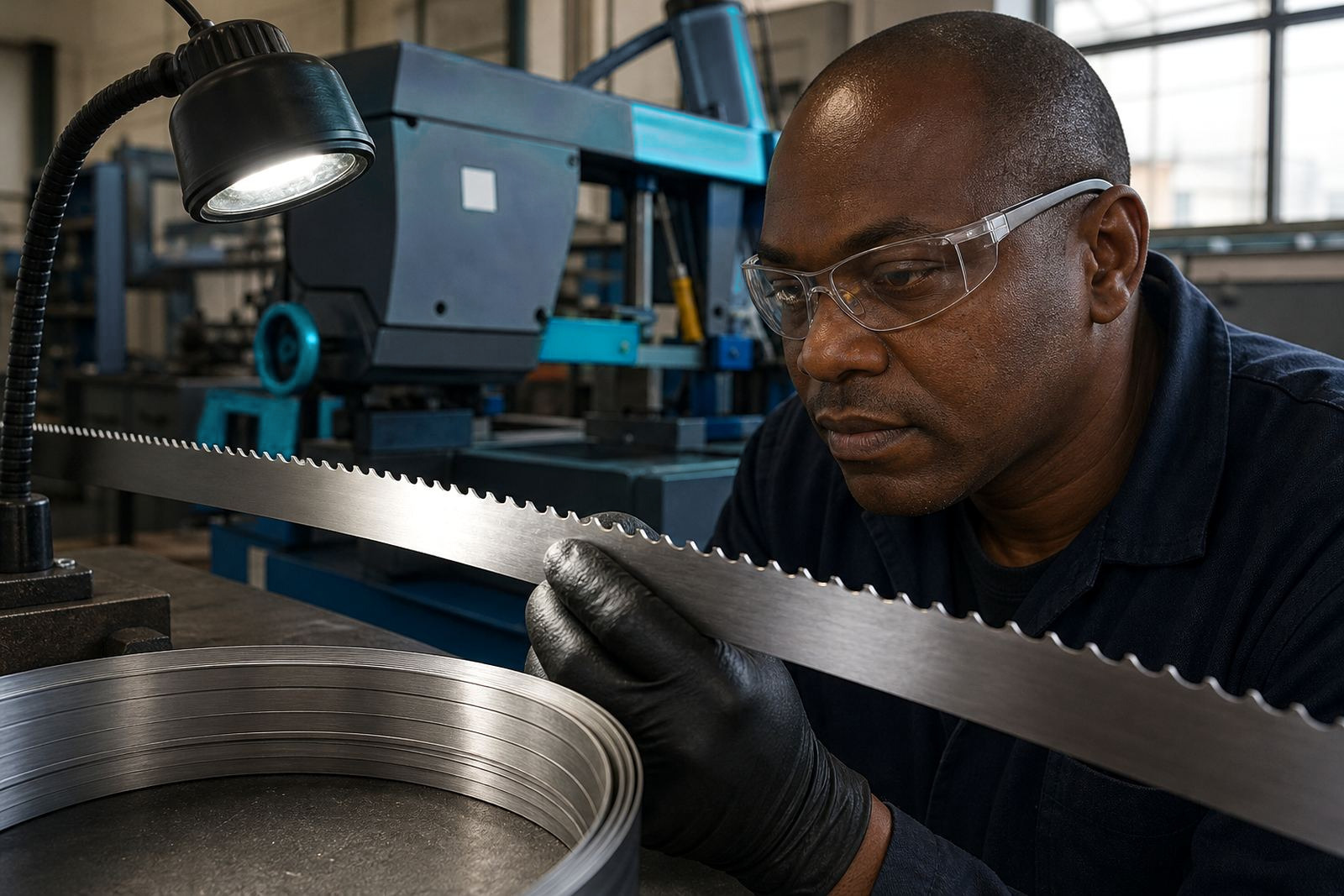
Horizontal saw blades are supplied in many lengths, widths and tooth forms, so the order needs the machine dimensions and the workpiece details. The length must match the saw's wheel centres and the width must suit the guide system. Blade thickness affects tracking and heat, while tooth pitch controls how many teeth are in the cut at once.
For tube and thin wall material, a finer TPI helps keep more teeth engaged and reduces snagging. For solids and heavy section, a coarser pitch clears chips better. Variable pitch blades help reduce chatter on mixed bundles and awkward profiles, especially where the operator is cutting more than one size on the same shift.
- Blade length in millimetres or inches, depending on the saw frame
- Blade width and thickness for the guide and wheel setup
- Tooth pitch, including variable pitch where the job suits it
- Material type, such as mild steel, stainless or mixed scrap
- Cut section size, from thin wall tube to solid bar
- Whether the saw is manual, semi-auto or fully automatic
Where these blades suit real workshop work
Fabrication shops, maintenance teams, steel stock handling and small production runs use these blades when the saw is used daily. In Alrode, Germiston and Boksburg, many cutters work with mixed section sizes in the same week, so a blade that handles both light and heavier stock can save time at the machine. In Johannesburg, Pretoria and Vereeniging, the work often includes structural section, bar and repair pieces that need a blade with good chip clearance and stable tracking.
For Durban and Cape Town, coastal humidity can affect stored stock and blades left in the machine between jobs. Clean, dry storage and light oiling on idle blades helps protect the tooth edge and the back of the blade. When the saw sits in a busy bay with mist coolant or oily air, the blade still needs regular cleaning so chips do not pack into the gullets.
Horizontal saw blades are also a practical fit where the machine is part of a maintenance routine rather than a dedicated production line. The operator may change material types during the day, so the blade has to cope with mild steel brackets, pipe, flat bar and the occasional harder section without constant adjustment.
Fitting, weld-to-length and getting the blade on the saw
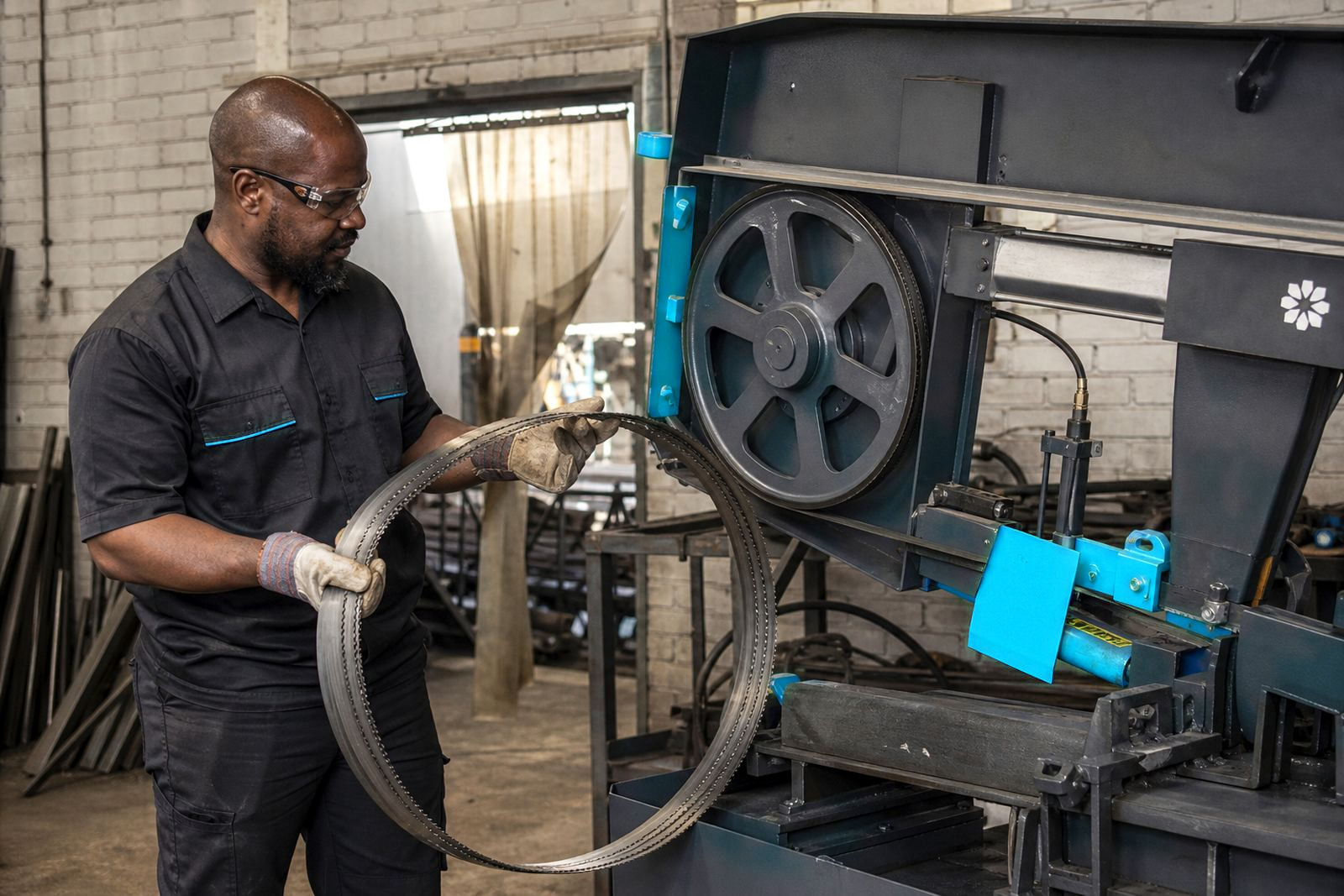
Blade fitting starts with the correct length, the right tooth direction and a clean machine. Our weld-to-length service helps with endless blades for horizontal bandsaws and other workshop saws, so the blade arrives ready for fitting once the machine size is confirmed. The weld has to be sound and dressed properly, because a poor joint can leave a bump that shows up in the cut or pulls on the guides.
Installation also depends on wheel alignment, guide wear and tension. A blade set that is too tight can overheat, while a loose blade will drift and make the cut rough. If the machine has been cutting badly, check the blade, guides, drive wheel, tensioning or coolant flow before the next cut.
- Check blade length against the saw frame before fitting
- Confirm tooth direction for the wheel travel
- Set tension and guide pressure to suit the blade width
- Run a new blade in gently on the first cuts
- Keep the weld area smooth and free from burrs
Run-in, feed speed and coolant on the shop floor
New blades need a careful run-in period so the tooth edges seat properly. Use a lighter feed and a steady speed for the first cuts, especially on hard section or thick wall material. If the operator pushes too hard from the start, the teeth can chip before the blade settles into the cut. A good run-in gives longer life and a cleaner start to the blade's working cycle.
Set feed speed with the pitch. Too fast and the blade heats up and loses bite. Too slow and the teeth rub instead of cutting, which polishes the edge and shortens life. Coolant also makes a real difference on horizontal saws, because it carries heat away, clears fines and helps the blade stay clean in longer cuts. For stainless and harder alloys, the coolant condition should be checked often, as dirty fluid can load the gullets and leave the cut rough.
Where a shop runs mixed material, the best settings usually change with the job. A blade that works well on tube may need a different feed on solid bar. Blade selection and machine setup need to work together. One without the other often leads to wasted teeth and a noisy cut.
What to confirm when placing an order
When ordering horizontal saw blades, the machine details and the cutting job should be given together. The wrong length or tooth pitch can stop a blade from performing as expected, even if the material is common. Our team uses the size, section shape and machine type to narrow the choice and keep the blade suited to the work.
- Machine make and model, or the wheel-centre measurement
- Blade length, width and thickness required
- Material type and whether the job is mixed or single material
- Section sizes being cut, including tube wall thickness
- Preferred tooth pitch, or the pitch range if it is not set
- Need for starter kits, weld-to-length or stock standardisation
Across South Africa, that information helps keep supply consistent across branches and sites for workshops. One blade type can suit several saws, or a standard blade range can suit regular maintenance and fabrication work in a shop. Stock standardisation can reduce confusion at the machine and keep the same cutting behaviour from one shift to the next.
Key facts
| Blade types | Bi-metal M42, carbon steel and starter kit options |
|---|---|
| Tooth pitch | Fine, coarse and variable pitch TPI ranges |
| Blade widths | Sized to suit common horizontal saw guides |
| Blade thickness | Matched to machine wheels and cut stability |
| Service options | Weld-to-length, length verification and machine fit check |
| Support areas | Alrode, Alberton, Johannesburg, Pretoria, Vereeniging, Durban, Cape Town |