Coarse pitch when the cut is heavy and the chip is long
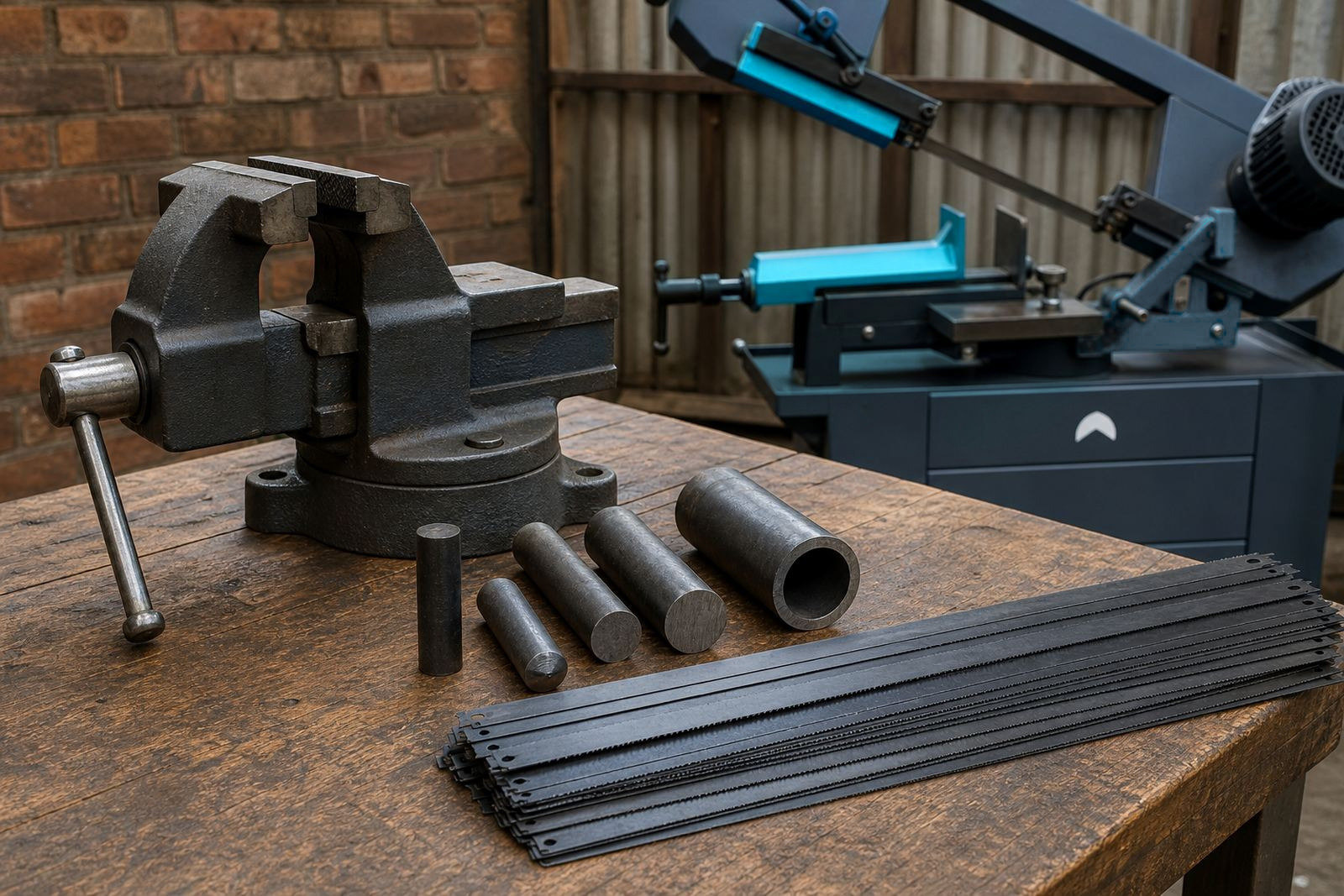
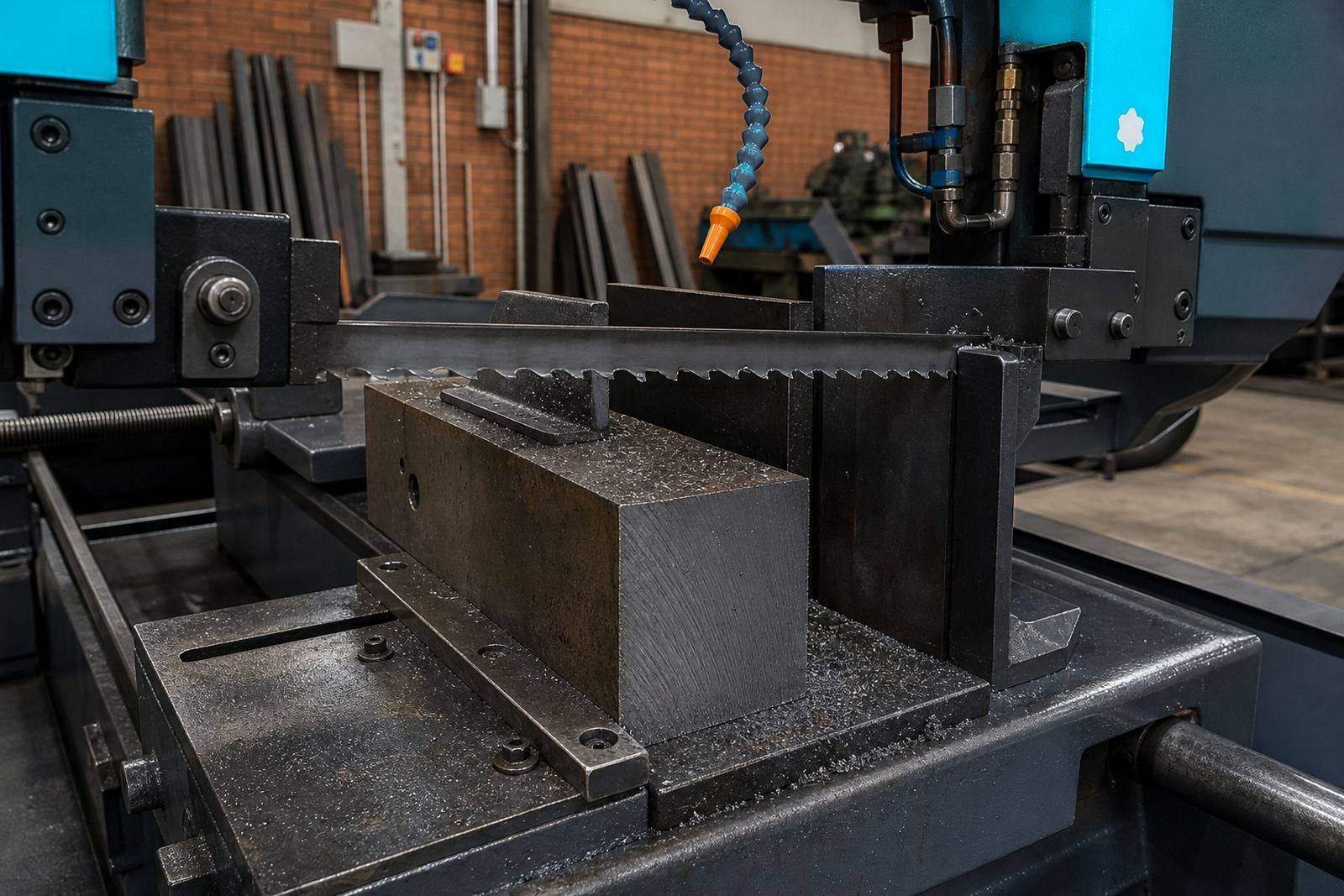
Coarse TPI blades are built for metal that gives the cutter more work to do, not less. A wider tooth spacing leaves room for chips to clear cleanly from the gullets, so the cut stays less clogged on large solids, heavy wall tube and thicker sections. In metalwork, this is useful when the material is solid, the section is deep, or the cross section keeps the blade engaged longer than a light blade likes.
For bandsaws and manual hacksaws, the coarse range usually starts where the tooth count drops lower and the chip load rises. That makes the blade better suited to structural steel, thick round bar, heavy box section and bundled stock with enough wall thickness to support the tooth set. When the blade is matched properly, the cut tracks straighter and the teeth do not rub as hard on the sidewall.
- Best used where chip clearance comes before fine finish.
- Helps on larger solids and thicker section material.
- Works well when the blade has room to form a full chip.
Sizes, tooth forms and the way the blade is built
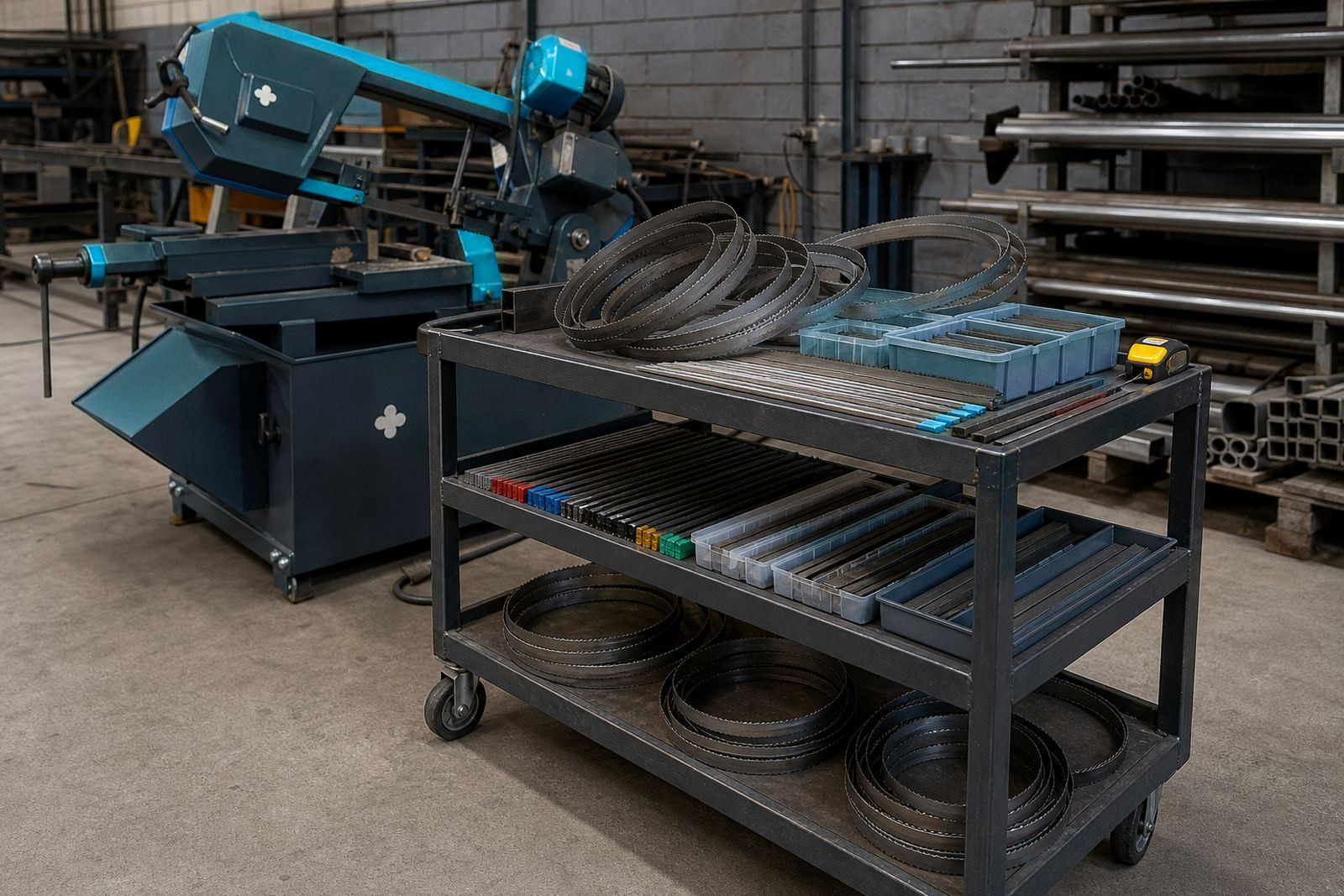
We supply coarse pitch blades in bandsaw and hacksaw formats, with options that suit workshop saws, manual saw frames and machine cutting stations. The blade choice depends on material size, wall thickness and the cut shape, because a coarse tooth pattern that works on a 100 mm solid may be too aggressive on a thin wall section. Width and thickness are important as the blade body needs enough support to stay true through the cut.
Bi-metal blades with a hard edge are common for mixed workshop use, while carbon steel blades still have a place on lighter duty manual work and short runs. Variable pitch designs can reduce chatter on awkward material lengths, and the tooth geometry must suit the job. Proper pitch lets the blade clear the kerf without binding, while leaving enough space for chips and keeping the tooth spacing suitable for the section profile.
- Bi-metal options suit harder and more demanding cutting work.
- Carbon steel suits lighter duty manual work and shorter runs.
- Variable pitch can help where vibration or chatter is a concern.
- Blade width and thickness must match the saw guide and wheel set-up.
Where coarse TPI earns its keep in the workshop
This blade type is often the right call on thick sections where the cut has time to build heat and the teeth need room to do their work. It suits general fabrication, maintenance bays, steel stock processing and machine shops handling larger stock in Johannesburg, Vereeniging, Pretoria, Durban, Cape Town and nearby industrial areas. When the material is hard, large or irregular, coarse pitch helps maintain a steady cut without packing the gullets with chips.
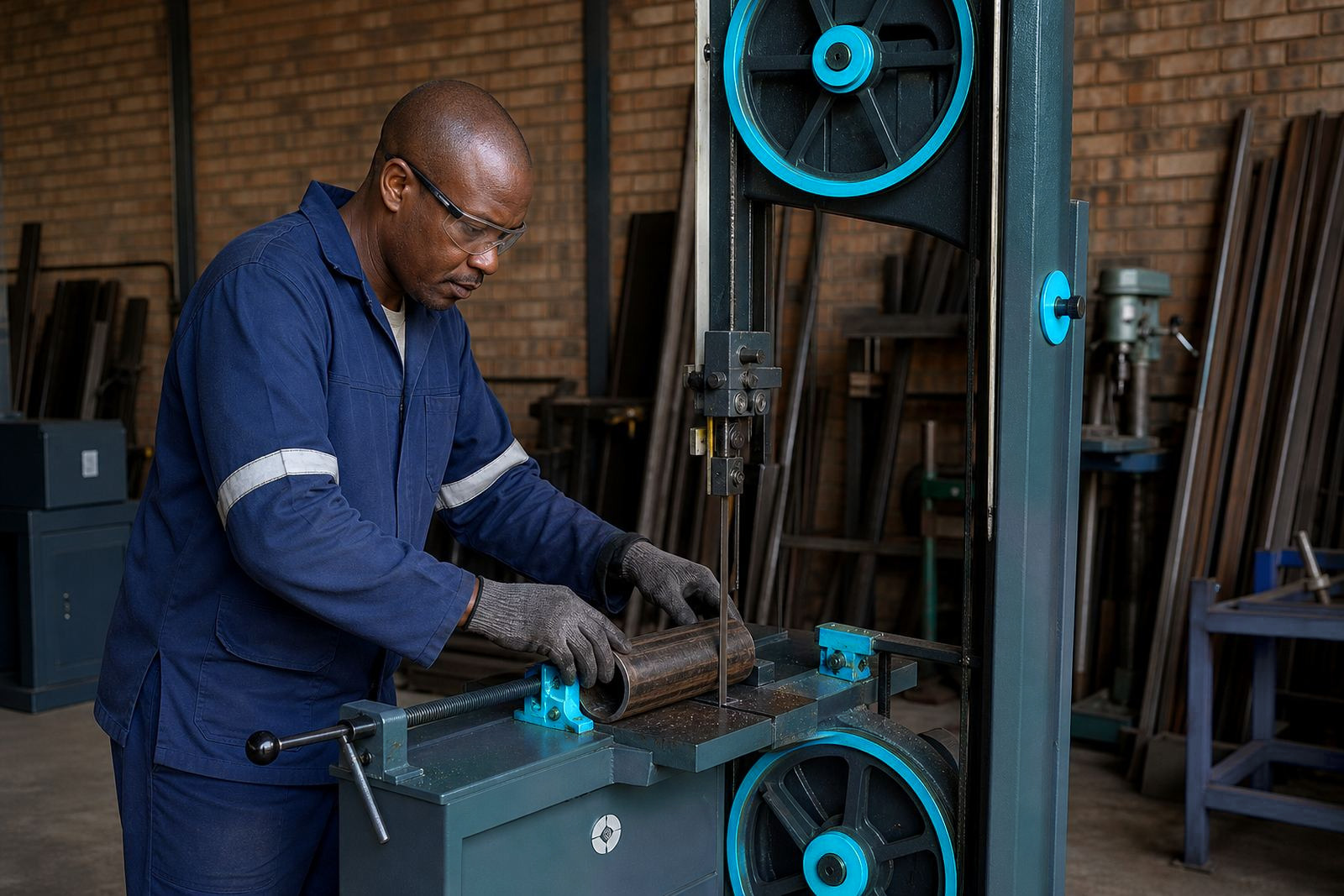
It is also useful on manual saw work where the operator is feeding by hand and needs the teeth to bite without stalling. On production cutting, the right coarse pitch can reduce strain on the machine and give a more dependable cut path, provided feed and speed are not pushed beyond what the blade and material can carry. The job is always a balance between tooth spacing, blade width, section size and the speed of the saw arm or band.
- Solid bars and heavy sections.
- Thicker wall tube and structural shapes.
- Workshop saws cutting mixed steel stock.
- Manual hacksaw work on larger material where the stroke stays steady.
Fitting, run-in and the first cuts on a fresh blade
A coarse blade still needs proper fitting, because a bad install will show up quickly on thick stock. The band must track properly on the wheels, the guides need correct support, and the set must be even so the teeth do not pull the cut off line. For bandsaws, set wheel alignment and blade tension along with pitch, while hacksaw frames need the blade clamped square and firm enough to stay straight under pressure.
The first few cuts should be treated as run-in work. A fresh edge lasts longer if the feed is eased in and the blade is allowed to settle before it sees full production pressure. On machine cutting, speed and feed should suit the steel grade and section size, with coolant used where the saw and material call for it. On manual work, a steady stroke and controlled pressure usually do better than a hard push that loads the teeth too fast.
- Check wheel tracking and guide pressure before full use.
- Run-in should start with lighter feed on the first cuts.
- Coolant helps where heat build-up is part of the job.
- Feed pressure must match the blade width and tooth pattern.
Ordering details before we weld or cut to length
When you order coarse TPI blades, the useful detail is the one that matches the saw in front of you. We need the blade length, width and thickness, the material being cut, the machine model or frame type, and whether the work is bandsaw or manual hacksaw. If you are dealing with mixed stock, send the largest section and the average section too, because the coarse pitch needs to suit the heaviest cut without becoming awkward on the smaller work.
For workshops that want stock standardisation, a starter kit can be planned around the jobs that repeat most often. Failure checks and saw fit assessment help when a band is snapping, wandering or loading unevenly, and we confirm the size where the saw has been altered or the existing band no longer matches the saw. In many cases the right answer is a better balance between width, set, feed pressure and cutting speed.
- Blade length and machine type.
- Material grade and largest section size.
- Desired tooth pitch or the material mix you cut most often.
- Blade width, thickness and whether coolant is used.
Key facts
| Product type | Coarse TPI bandsaw and hacksaw blades for metalwork |
|---|---|
| Tooth patterns | Coarse pitch, variable pitch options |
| Blade materials | Bi-metal M42 type and carbon steel options |
| Common widths | 12.7 mm, 20 mm and 27 mm |
| Common thicknesses | 0.6 mm to 0.9 mm |
| Service options | Weld-to-length, length verification, fit check and starter kit planning |