Balanced tooth pitch for mixed section work
Medium TPI blades sit between coarse stock removal and fine finishing, which makes them useful where the cutting list changes through the day. They handle general-purpose metalwork in mild steel, stainless sections, thin wall tube and heavier profiles when the machine, feed and blade speed are set properly.
On a bandsaw, the tooth count is chosen so at least three teeth stay in the cut on lighter walls while the gullets still clear chips on thicker pieces. That balance cuts vibration and helps the blade track straighter, especially on manual saws where the operator feels every change in the feed.
- Good for mixed bundles and varied section sizes
- Useful where the offcut list changes often
- Common for workshops wanting one blade type for day-to-day cutting
Widths, thicknesses and tooth forms that match the job
Medium pitch is one factor in the choice. Blade width, blade thickness, set and tooth form all affect the cut, the surface finish and how the blade copes with curved paths or straight section work. Straight cuts feel steadier with a wider blade, while smaller machines and tighter guides are easier to handle with a narrower blade.
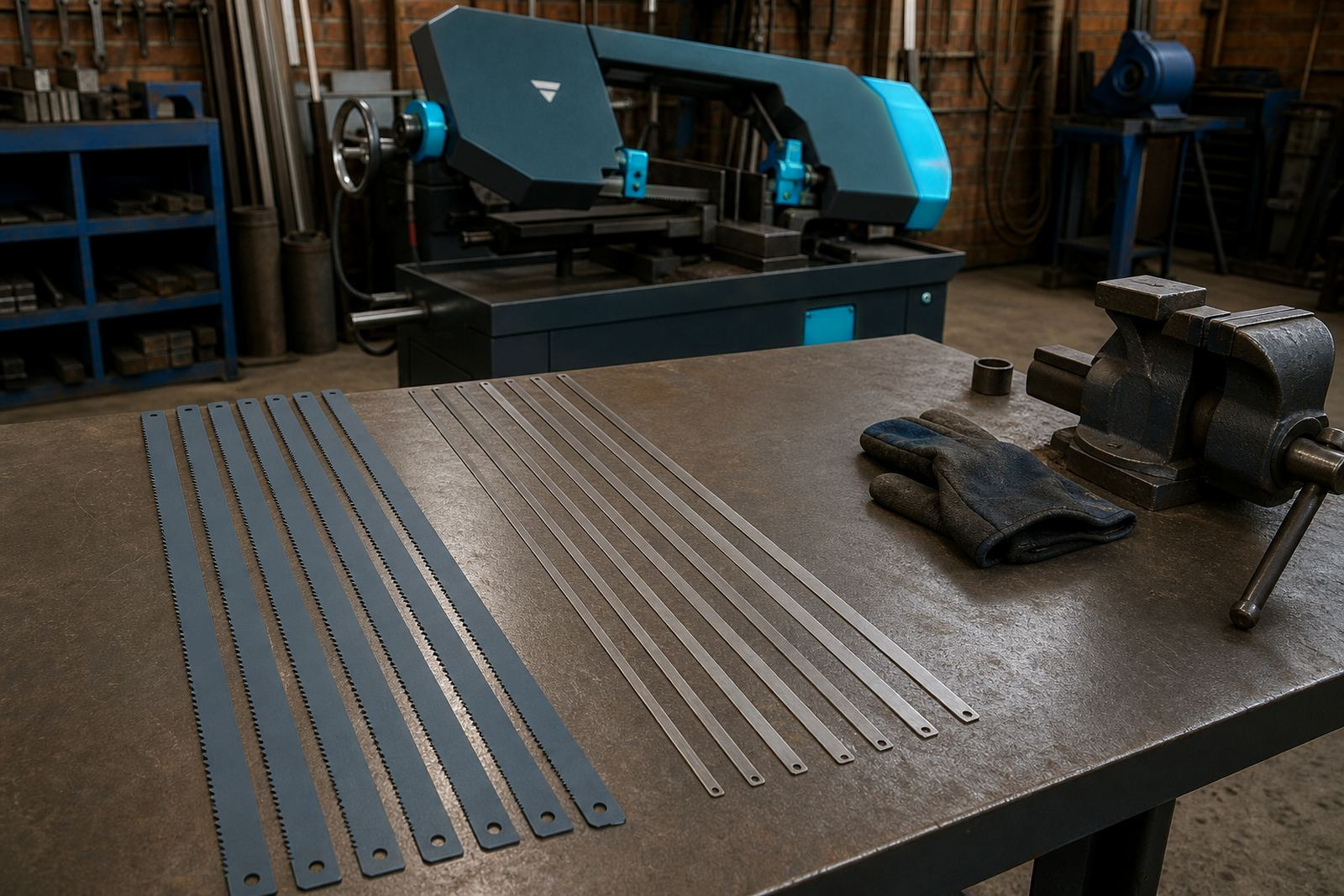
For bandsaws, common workshop choices include widths from about 13 mm to 41 mm, with thickness chosen to suit the wheel size and guide setup. Tooth pitch is often around 4 to 8 TPI for medium work, including variable pitch patterns that reduce chatter on mixed section sizes. Hacksaw blades in this category are usually selected for similar material ranges, with a medium tooth count that keeps the blade engaged without clogging too quickly.
- Bi-metal blades for stronger edge life on general steel work
- Carbon steel blades for lighter duty manual cutting
- Variable pitch options for changing section thickness
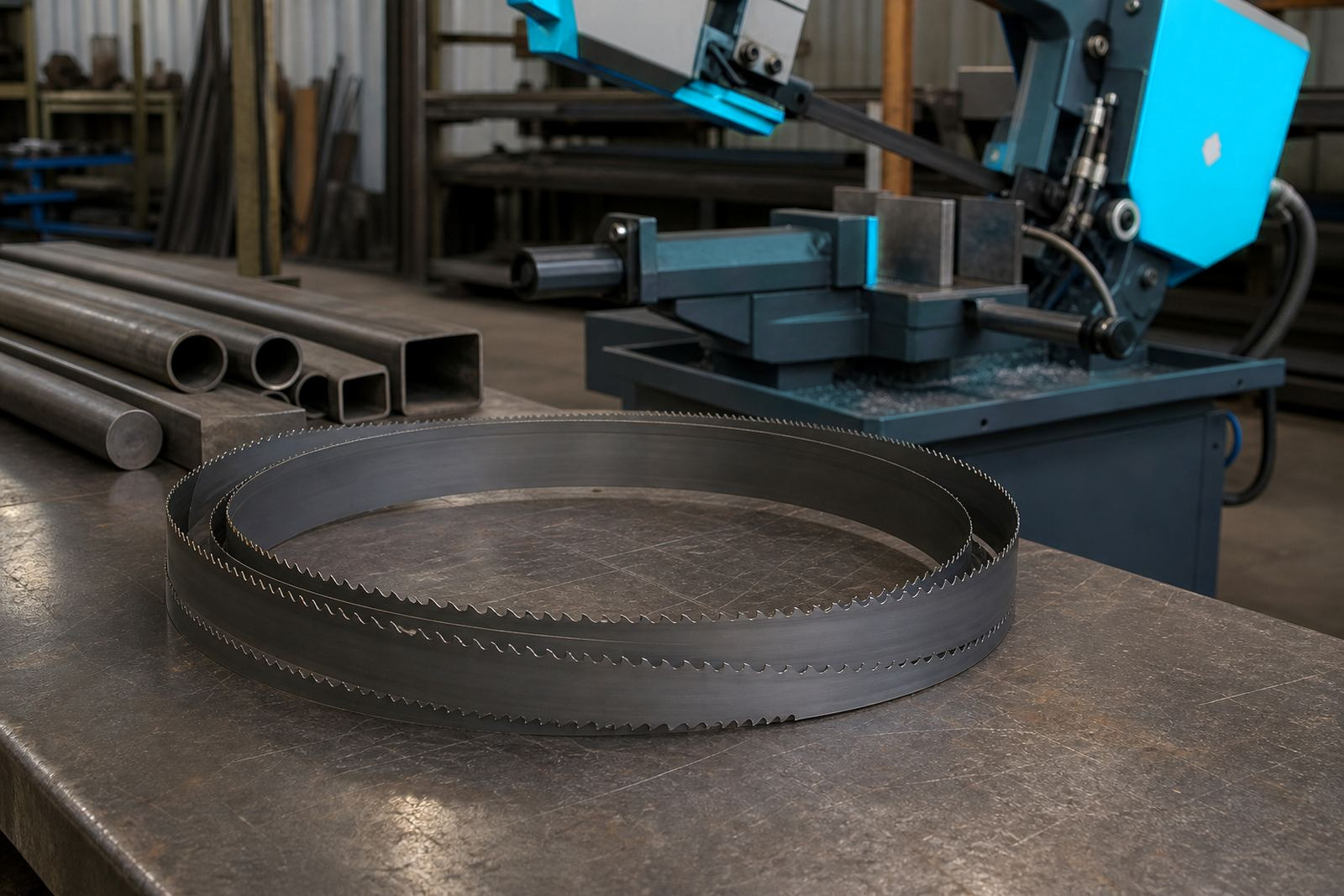
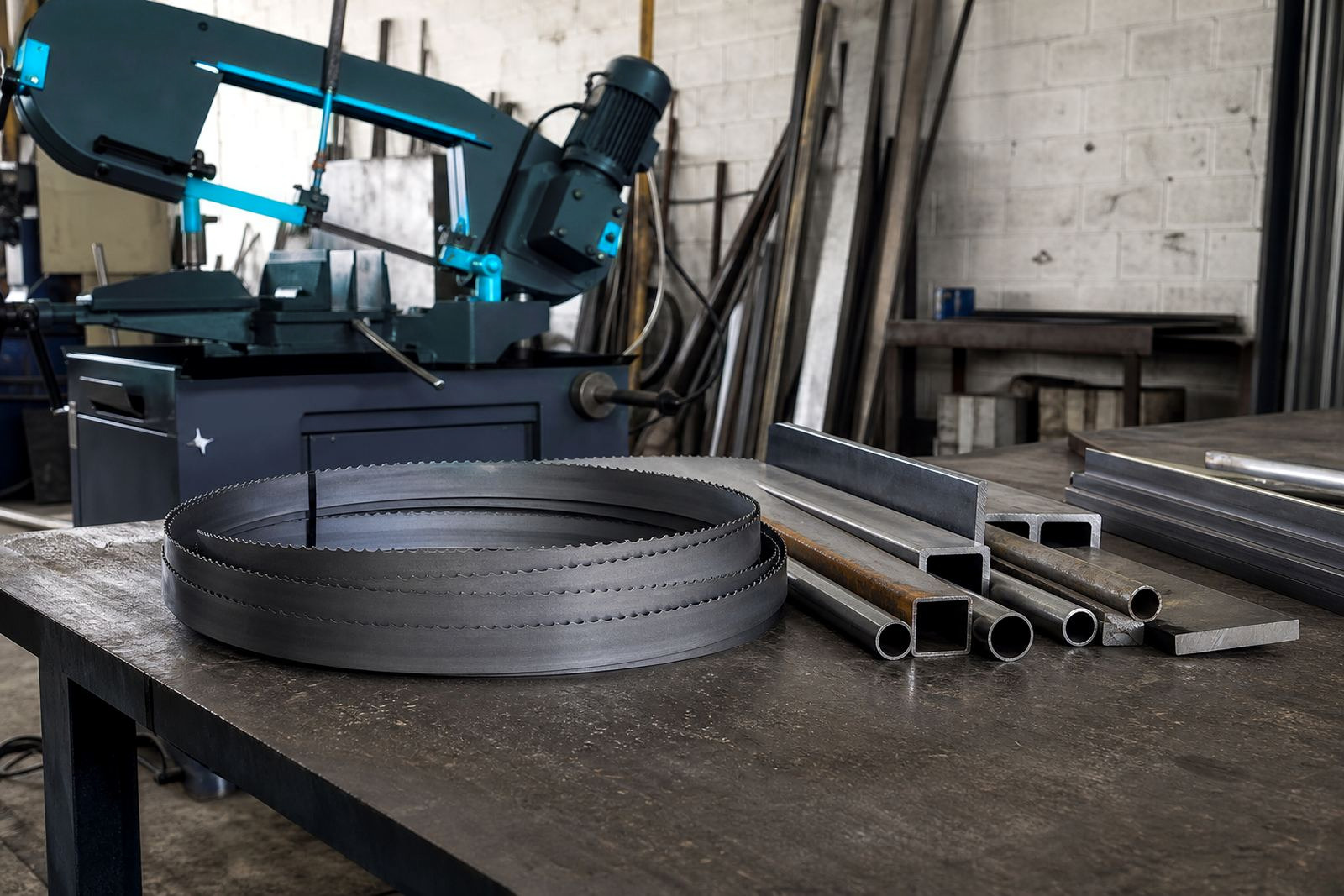
- Weld-to-length supply for endless bandsaw loops
Where medium pitch earns its place in the shop
Medium pitch suits fabrication bays, maintenance teams, steel stock holders and manual saw stations that cut a little of everything. It works well on angles, flat bar, channels, pipe and solid sections where a coarse blade would leave a rougher face and a fine blade would load up too quickly.
In larger workshop runs, the same pitch can be used across repeat jobs when the machine setup is steady and the material mix is known. In smaller shops, it reduces the number of spare blades kept on the shelf, which helps with stock control and daily handling. For branches handling mixed orders in Johannesburg, Pretoria, Durban, Cape Town, Vereeniging and Alberton, that middle ground is often the practical choice.
Medium TPI also helps when the machine sees both short cuts and longer lengths in the same shift. The blade can stay composed on thinner walls and still bite through heavier profiles, provided the feed speed is not forced and the chips have space to clear.
Fitting, run-in and machine setup
A blade can be the correct pitch and still fail early if the fit is off. Tooth direction must match the saw, the weld must run true, and the guides need to support the blade without pinching it. On a bandsaw, set wheel tracking and tension along with the blade choice, because a medium pitch blade will punish sloppy setup with crooked cuts or broken teeth.
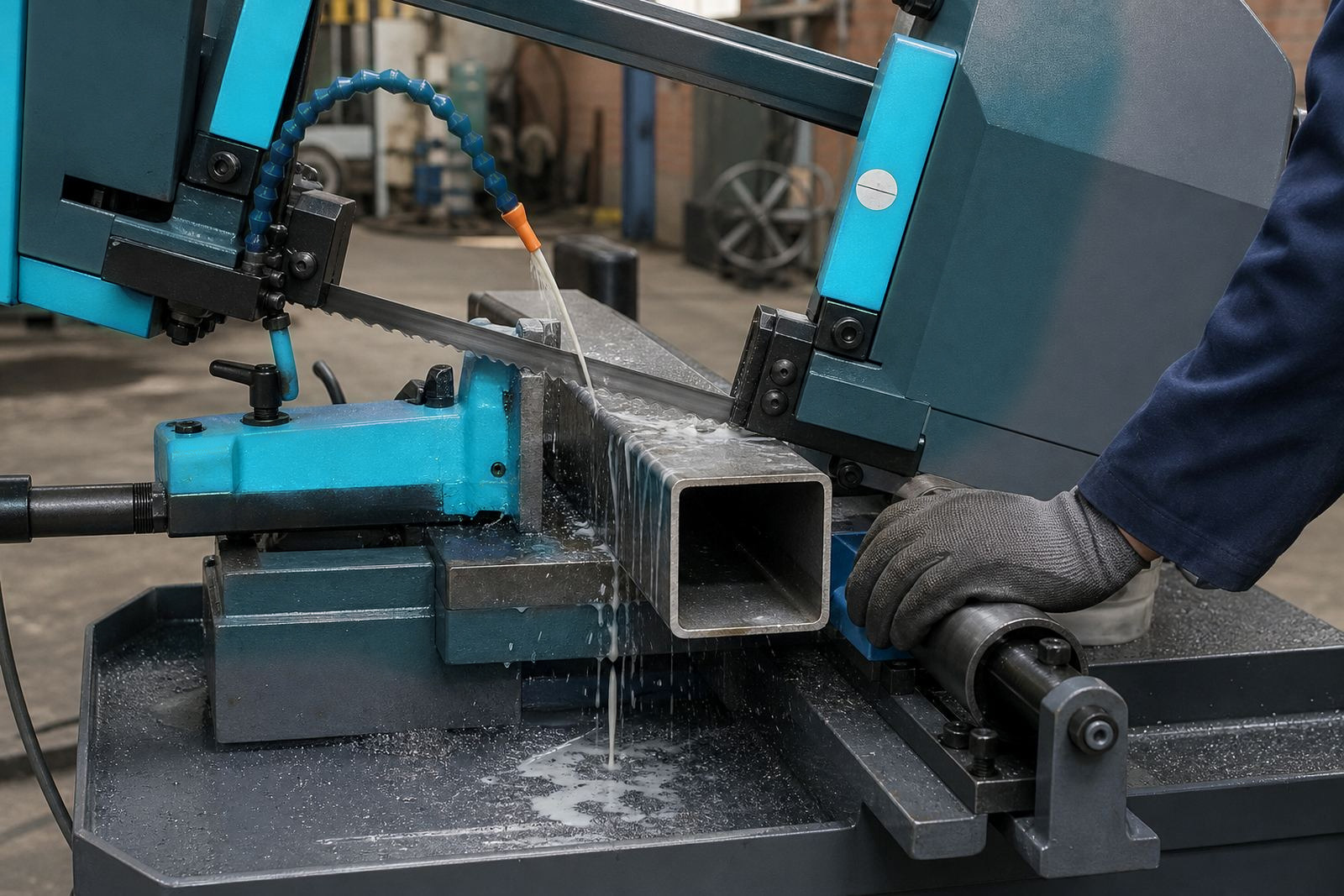
Run in each new blade. The first cuts should be lighter, with a slower feed and a steady blade speed so the tooth edges settle before full production load. Tougher steels and stainless material need coolant, because heat builds at the tooth tips and softens the edge. On manual saws, the same logic applies in a simpler form: let the blade work, do not force the stroke, and keep the cut clean of swarf.
- Check blade width against guide spacing and wheel size
- Match tooth pitch to wall thickness and solid section size
- Set feed speed to avoid tooth stripping and chatter
- Use coolant where the machine and material call for it
How to care for medium pitch blades
Blade life improves when the cut stays straight and the teeth are not overloaded. Keep the machine aligned, clear chips from the cut path, and watch for shiny burn marks that point to too much heat. A medium pitch blade needs enough feed to cut, but not so much that the gullets pack with swarf and the set wears unevenly.
For bandsaw blades, inspect the weld area, tooth form and backing strip after heavy work. For hacksaw blades, check for rounded teeth, chipped tips and a bend that suggests the blade was used at the wrong pressure or speed. Sorting used blades by wear pattern helps identify if the issue was pitch selection, machine setup or coolant flow, and that saves guesswork on the next order.
What to confirm before you order
The right medium TPI blade starts with the saw model and the material mix. A workshop cutting 25 mm square tube all week needs a different tooth pattern from a site cutting solid round bar, even if both call it a medium blade. Length, width, thickness and tooth count all need to line up with the machine and the cut list.
If the job includes stainless, thin wall tube or mixed structural sections, add that detail too so the pitch and set can be matched properly.
- Blade length in millimetres or by machine size
- Material type, section size and wall thickness
- Desired tooth pitch or cutting finish
- Need for weld-to-length, starter kits or stock standardisation
Key facts
| Product type | Medium pitch bandsaw blades and hacksaw blades for metalwork |
|---|---|
| Typical tooth pitch | About 4 to 8 TPI, including variable pitch options |
| Blade widths | Common workshop ranges from 13 mm to 41 mm on bandsaws |
| Blade forms | Bi-metal, carbon steel and weld-to-length loops |
| Cutting use | Mixed section sizes, tube, bar, channel and general fabrication |
| Service support | Length verification, tooth pitch selection, run-in guidance and machine fit check |