When a carbon blade makes sense
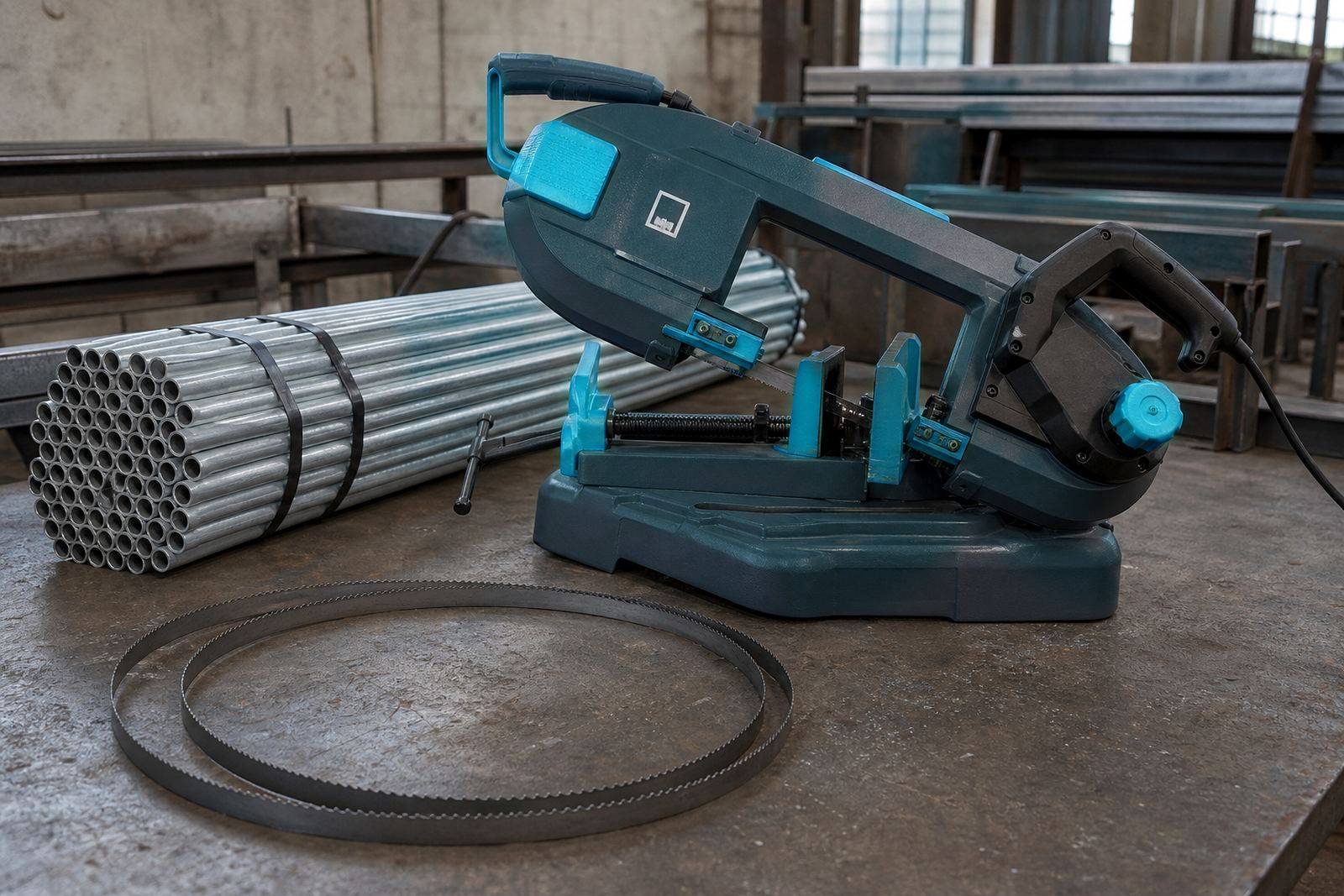
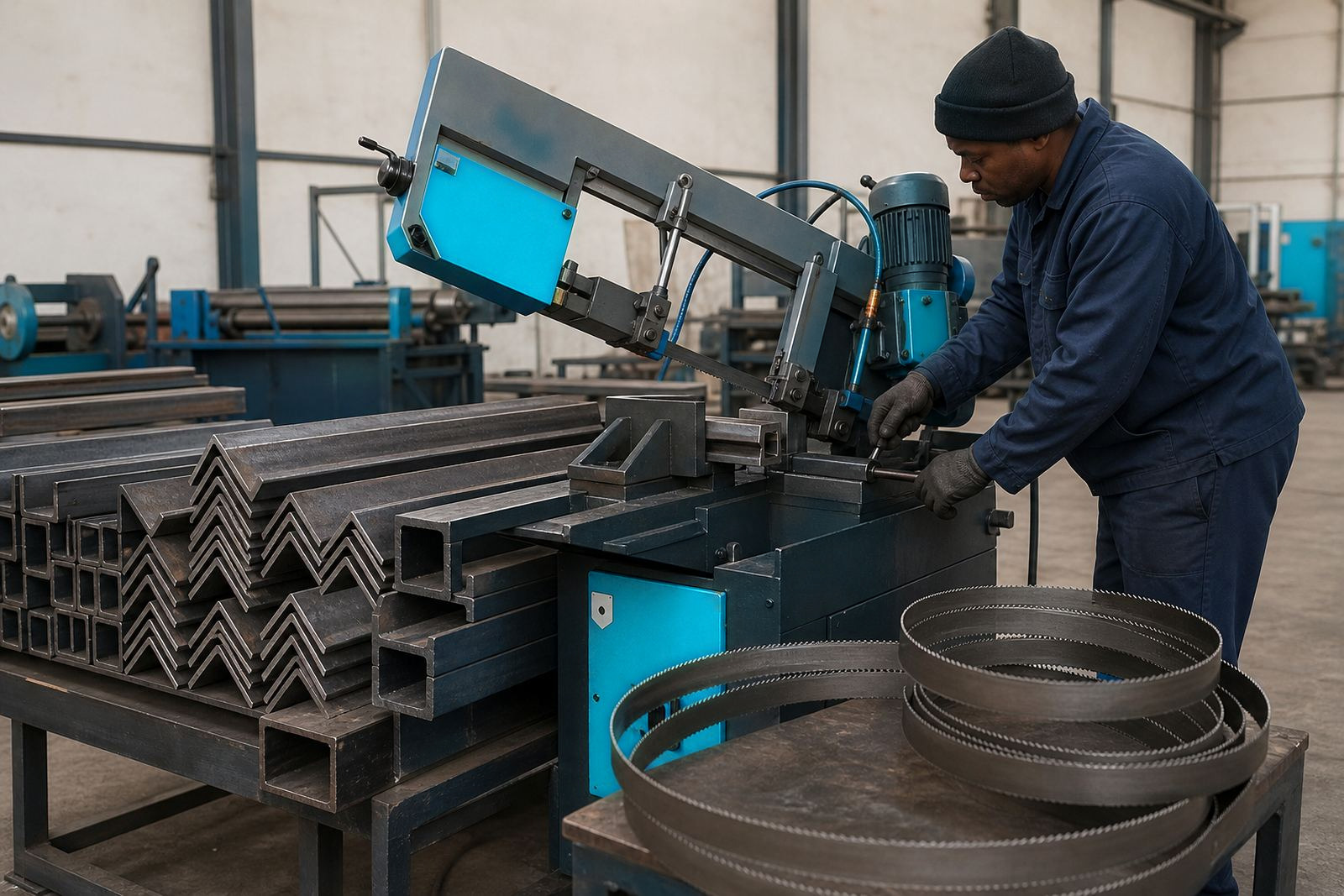
Carbon steel bandsaw blades suit lighter cutting where the stock places less strain on the blade and the cut path follows a curve or tighter profile. They are commonly used on mild steel sections, smaller solid bars, thin wall tube and general workshop material where a more forgiving blade body is useful.
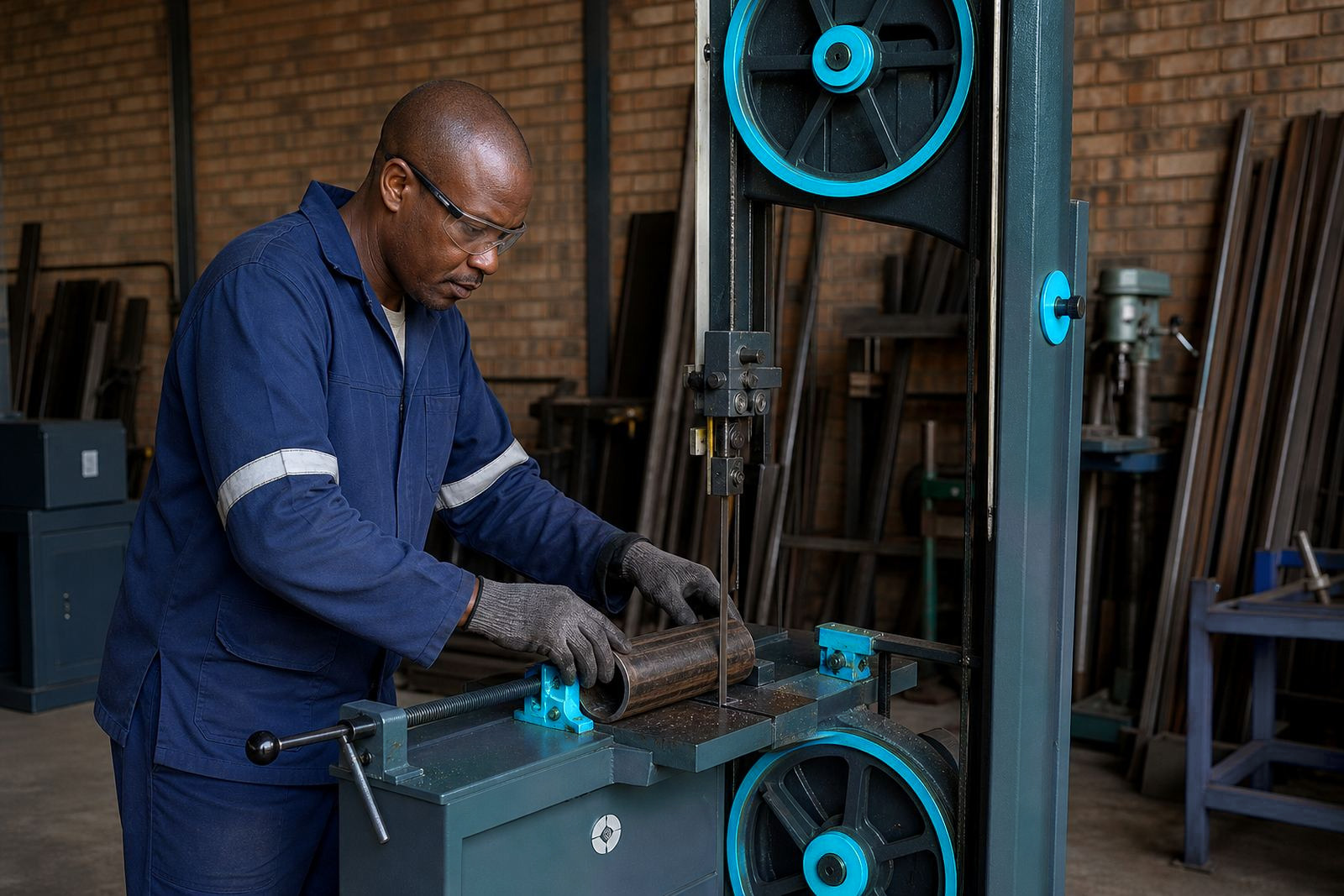
For curved work, the blade needs enough flexibility to track the line without forcing the teeth into the side of the cut. A narrower blade is easier to steer, while a wider blade holds straighter on longer runs. Good balance suits small frames, manual machines and bench saws used for bracket work, repair jobs and shaped parts.
Sizes, tooth forms and blade build
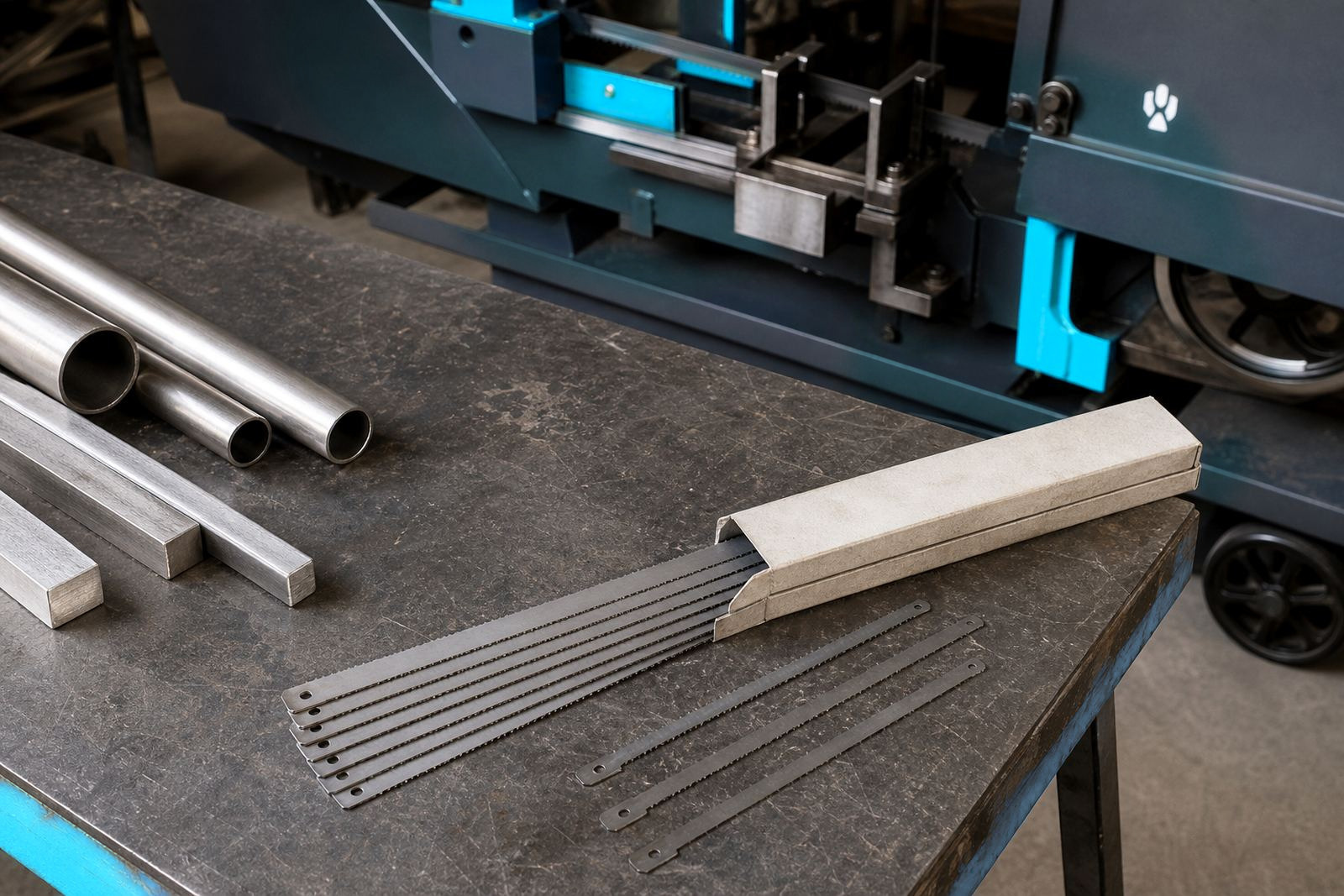
Carbon curved work blades are usually supplied in common continuous lengths, then welded to match the machine. Widths often range from 6 mm through 13 mm for tighter curves, with thicker bodies used where the saw needs more support. Tooth pitch is selected to suit the wall thickness and section size, so the blade keeps a steady bite instead of snagging or loading up.
- Width: narrow blades for tight radius work, wider blades for steadier tracking
- Thickness: chosen to suit wheel size and blade stiffness
- Tooth pitch: finer pitch for thin wall material, coarser pitch for heavier section
- Set: matched to the cut so chip clearance stays even
Where a job shifts between thin and heavier sections, variable pitch can help reduce chatter. For straight pieces that also need a light curve, that option often gives a calmer cut and less tooth loading.
Where this blade earns its place
This blade type is a practical fit for fabrication shops, fitters, maintenance teams and manual saw users cutting parts that need a shaped edge rather than a dead straight line. It is also useful on smaller repair work where the operator wants a blade that tracks cleanly through mild steel without the more aggressive bite of heavier industrial teeth.
In Alrode and nearby industrial areas, the same blade is often used for angle, flat bar, tube, light channel and small plate cuts. For Durban and Cape Town workshops, coastal moisture can affect storage and blade life, so keep blades dry.
- Light contour cutting on mild steel sections
- General workshop use on smaller profiles
- Repair work where material changes from job to job
- Manual and semi-manual saws with modest feed pressure
Fitting, run-in and machine matching
A carbon blade should be fitted with the wheel alignment, tension and guide setting checked before the first cut. If the guides are off or the blade is under tension, the teeth can wander and the curve will lose shape. On curved work, the blade width must match the smallest radius the machine is expected to cut, otherwise the blade will fight the line.
Run in each new blade. Make the first cuts lighter than normal so the tooth tips seat properly and the set settles without early breakage. Feed speed should stay steady, not forced, and the cut should carry enough control to avoid rubbing the side of the blade. Where the machine uses coolant, keep flow aimed at the cut zone so heat and chip build-up stay under control.
Keeping the blade in working condition
Carbon blades do not appreciate rough handling. Store them flat or hung properly, keep them dry and wipe off oil, moisture or grit before fitting. A dirty blade can mark the cut and a damp one can corrode faster, especially in coastal towns or a busy shop where material moves in and out all day.
If the teeth start to round off early, the usual causes are too much feed, poor pitch choice, dry cutting where coolant should be present, or a machine that is not tracking square. Blade failure review helps spot whether the issue sits with the material, the saw setup or the selected blade form.
- Keep blades dry and protected from dust
- Do not force the feed on tight curves
- Check guide condition before fitting a new blade
- Use the right coolant flow where the machine is set up for it
Details to confirm before ordering
For a carbon curved work blade, start the order with machine length, wheel size if known, and the material to be cut. Tooth pitch depends on the thinnest stock on the job, while blade width depends on the tightest curve and the machine’s guide capacity. If the workshop changes between tube, bar and light section, say so early, because that affects both pitch and set.
When workshops in Johannesburg, Pretoria, Vereeniging, Germiston or Boksburg need blades welded to length, length verification keeps the fit clean and avoids needless retrying at the saw. Starter kit planning can also help when a team wants a small working stock with the right mix of lengths and pitches.
- Machine make and blade length
- Material type and wall thickness
- Tightest curve or profile on the job
- Preferred tooth pitch or the range being cut
- Whether coolant is used on the machine
Support from the Alrode blade team
Operating from Alrode, Alberton, MoreCut Saws supports workshops across South Africa with tooth pitch selection, blade width selection, run-in guidance and machine fit checks. For carbon curved work, match the blade to the job before it goes into the saw, then keep the cut stable across the batch.
That service also covers stock standardisation for teams that want fewer blade types on the shelf, plus manual saw support where older machines still do useful work.
Key facts
| Blade type | Carbon steel bandsaw blade for lighter curved and contour cutting |
|---|---|
| Typical widths | 6 mm to 13 mm for tighter radius work, with wider options where the machine allows |
| Tooth pitch | Fine to coarse tooth pitch, selected to suit wall thickness and section size |
| Blade set | Matched set for steady chip clearance and cleaner tracking |
| Use case | Light contour cutting on mild steel, tube, flat bar and general workshop stock |
| Services | Weld-to-length, length verification, run-in guidance, feed speed advice and machine fit check |