Blade stock built for wet cutting on metal saws
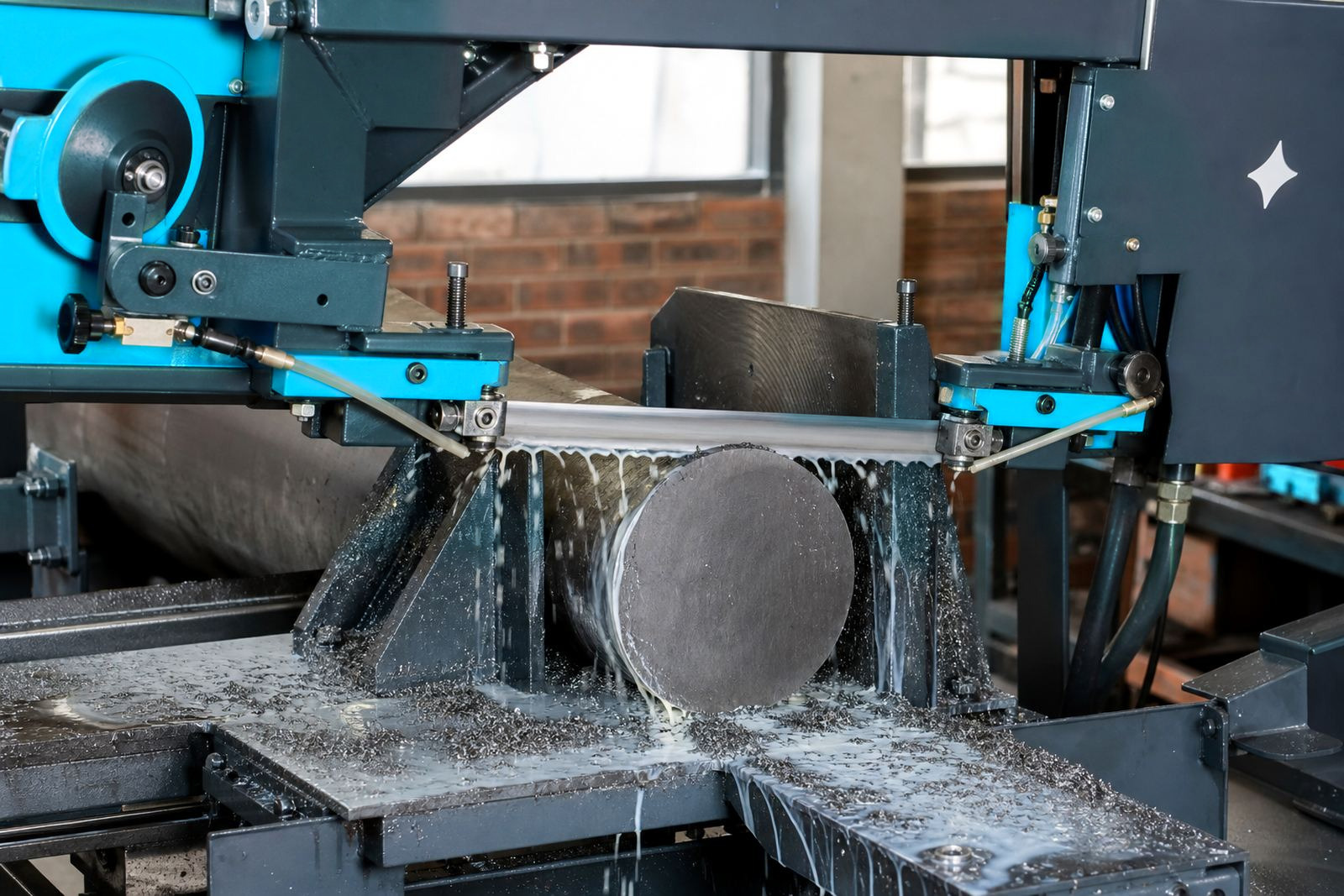
Coolant ready blades are normally selected for machines that keep the tooth line wet and clear the chips as the blade moves through the work. On tube, solid bar, angle, channel and irregular sections, heat builds fast and a dry cut can shorten blade life or leave a rough finish.
On most workshop saws, the right blade is chosen around the material, wall thickness and the cut profile. Bi-metal blades with an M42 tooth edge are common for harder steels and steady production. Carbon steel blades are suited to lighter duty work, softer metals and manual saws where the cutting load stays moderate. The coolant system should keep fluid on the tooth line and wash away swarf while wetting the workpiece.
Sizes and tooth patterns that suit wet cutting
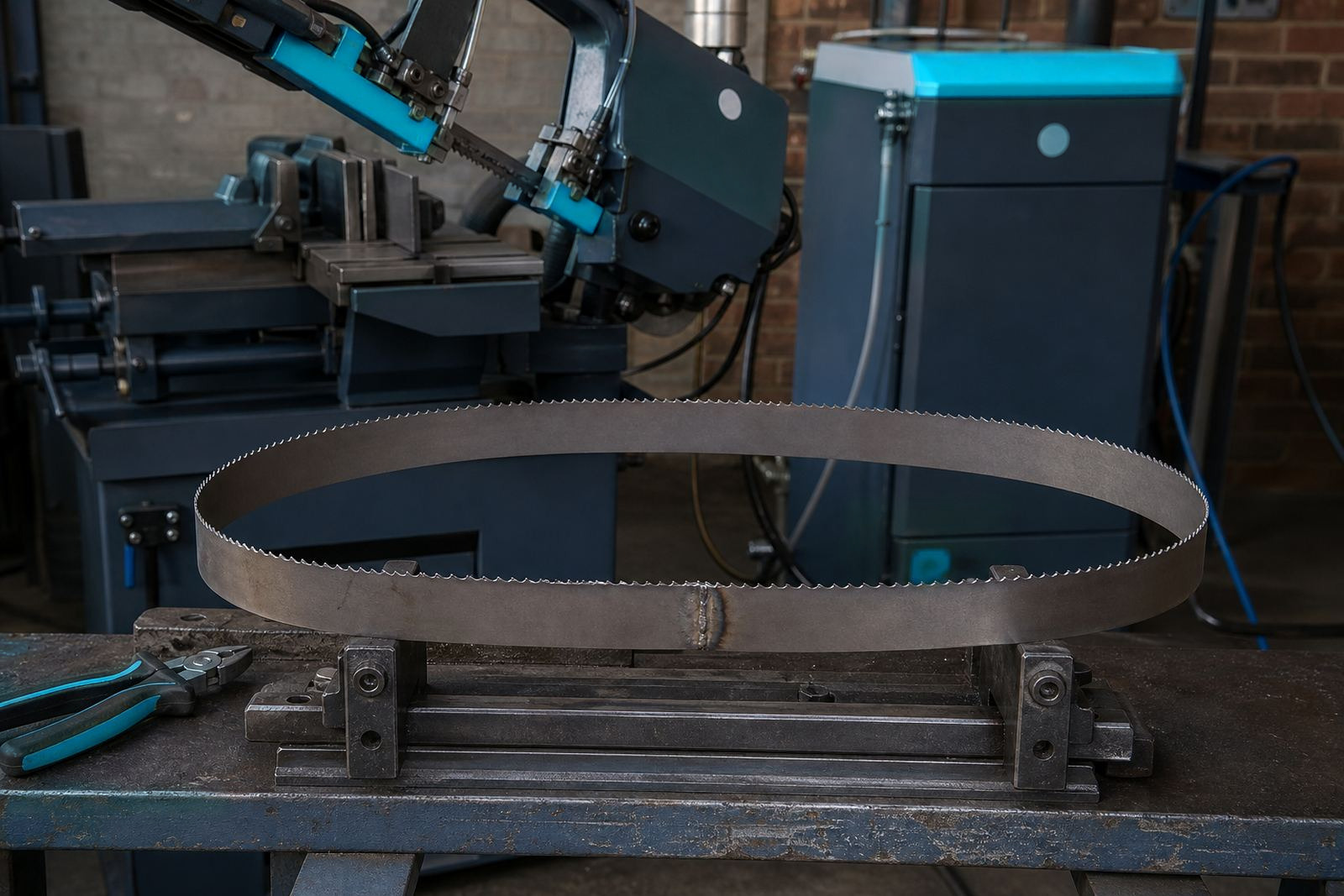
Coolant ready blades are supplied in weld-to-length form or in standard sizes for common horizontal and vertical bandsaw machines. Blade width and thickness need to match the machine guides, wheel set-up and the type of cut. Narrower blades work better on curves and smaller machines, while wider blades hold straighter on larger section work.
- Widths commonly used on workshop saws range from 13 mm to 41 mm
- Thickness choices often sit between 0.6 mm and 1.3 mm
- Tooth pitch may be fixed or variable, depending on section size
- Coarse TPI suits heavier wall stock and larger solids
- Fine TPI suits thin wall tube and smaller sections
A variable pitch blade can reduce chatter on mixed bundles and uneven profiles. A fixed pitch blade is easier to match when the material range stays narrow and the machine is run on repeat work.
Where these blades earn their keep
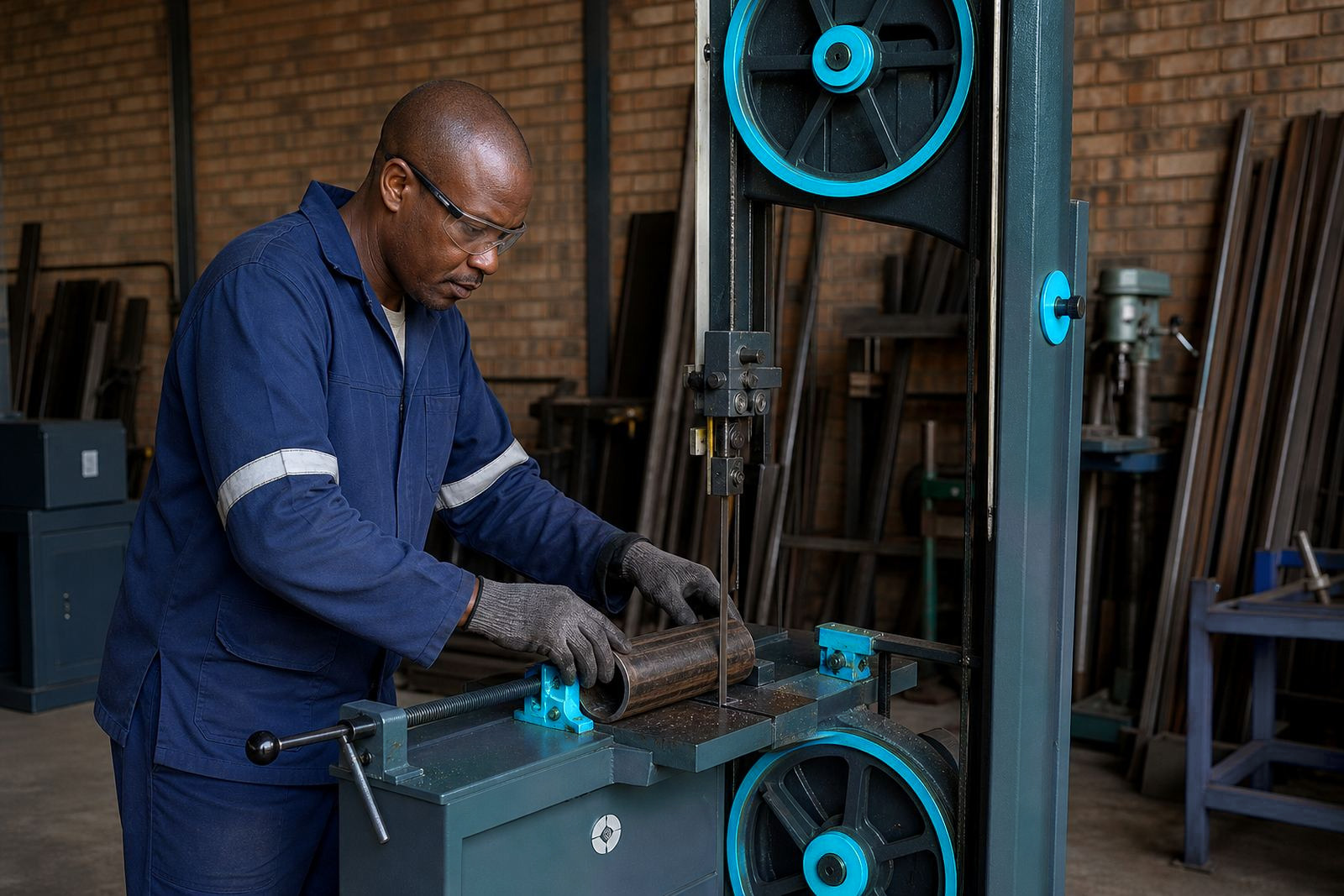
Fabrication shops, maintenance teams, steel stockholders, structural yards and manual sawing benches use these blades where coolant flow is part of the normal cut process. They also suit jobs that need heat control, such as stainless work, enclosed profiles and longer cut cycles through heavy sections.
On larger machines, the operator usually sets feed and speed to suit the section and the blade material. Too much feed can bend the tooth line, while too little feed can make the teeth rub and glaze. Proper coolant flow, correct set on the teeth and a clean blade path all help the cut stay consistent.
- Good for bundle cutting where chip removal is important
- Useful on machines that already have coolant pumps and tanks
- Suitable for workshops cutting mixed sizes through the day
- Works well for heat control and surface finish together
Fitting notes before the first cut
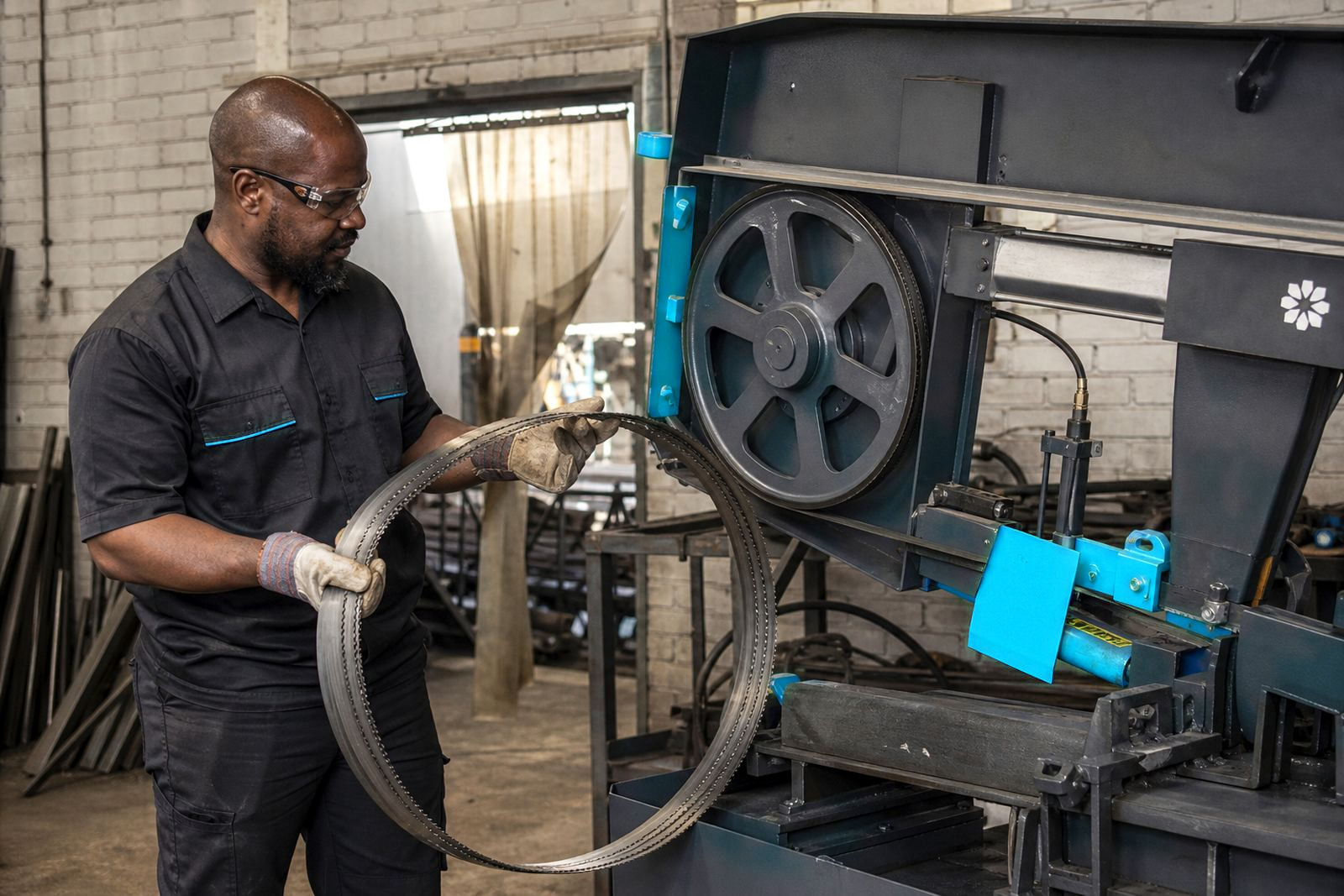
Blade fitting starts with the machine size, wheel diameter and the tension range the saw can carry. The weld joint must be dressed correctly, then the blade needs to track true, with the guides set square and the guides close enough to support the tooth line. A loose blade will wander off line. If the tension is off, the weld can work hard and fail early.
A fresh blade needs a gentle start. Begin with lighter cuts, steady feed and sensible speed, so the tooth edges settle in before full production. Coolant should reach the cut from the start, especially on harder steels and thicker wall material where the chip pack can build fast.
Care that keeps wet-cut blades working properly
A coolant ready blade still needs routine care. Chips left in the gullets can pack tight and force the teeth to rub. Dirty coolant can carry fines back onto the cut line, so tanks, filters and nozzles need attention. If the blade starts to make a long, hot cut or the finish goes rough, it is worth checking the feed, speed, tooth pitch and coolant flow before blaming the blade alone.
- Keep the coolant tank clean and top up the mix as required
- Check that chip flushing reaches the tooth line evenly
- Watch for damaged set or bent teeth after awkward stock
- Keep spare blades in a dry, flat position and protect them from knocks and rust
- Inspect guide blocks and bearings when tracking becomes unstable
Blade failure review is useful when the same fault keeps showing up. The cause can sit in the machine fit, the cut settings, the material mix or the blade itself.
What to confirm when placing an order
For a correct supply, it helps to confirm the machine make-up and the work the blade must handle. MoreCut Saws can help with choosing the right tooth pitch, checking blade length and supplying blades welded to length for new or changing workshops.
- Blade length in millimetres or the machine model and wheel size
- Blade width and thickness required by the saw guides
- Material type, section size and wall thickness
- Preferred tooth pitch, fixed or variable
- Whether the cut will use coolant and chip flushing
- Any manual saw support needs or standard stock lengths
We also supply branches and supply points listed for Alberton, Germiston and Boksburg work, with local support from Alrode, Alberton base.
Key facts
| Product type | Coolant ready bandsaw blades for metal cutting |
|---|---|
| Blade materials | Bi-metal M42 tooth edge, carbon steel |
| Tooth patterns | Fixed pitch and variable pitch |
| Width range | 13 mm to 41 mm |
| Thickness range | 0.6 mm to 1.3 mm |
| Service options | Weld-to-length, length verification, starter kit planning |