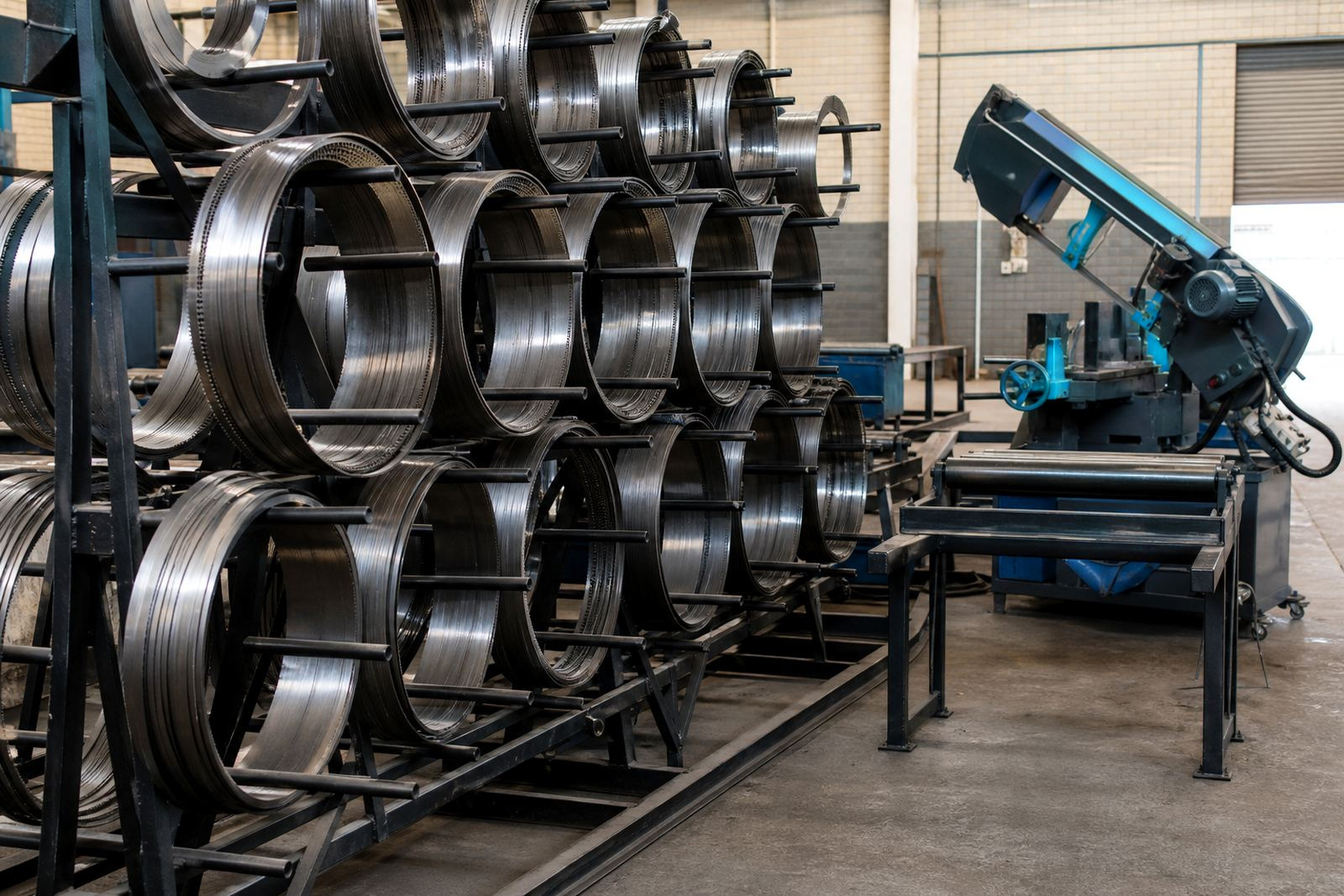
Coil stock cut for the length your machine wants
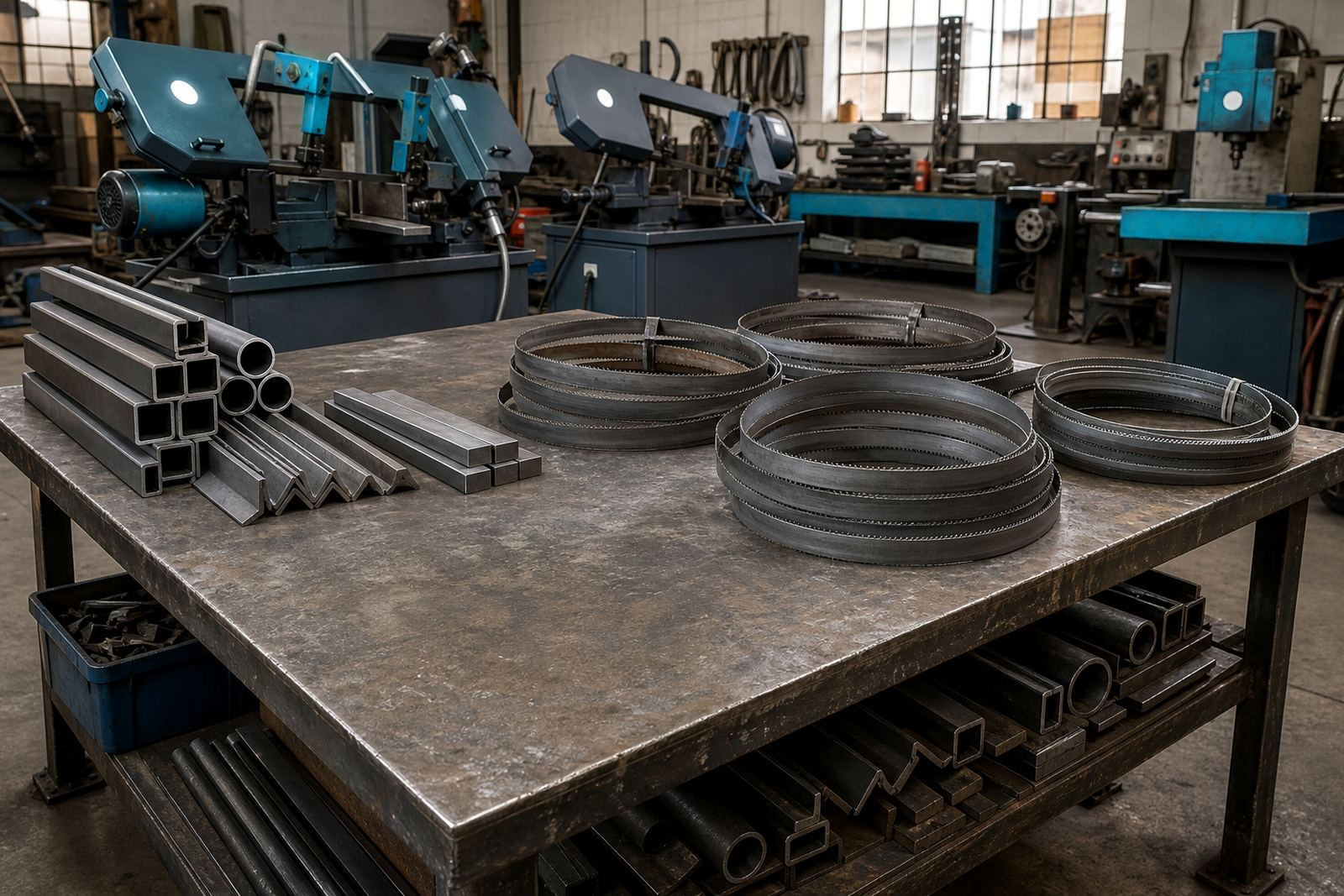
Coil blade stock is supplied in continuous lengths, then cut and welded to the exact size needed for a bandsaw or manual hacksaw frame. Machine runs that take an odd blade length, or workshops with several saws in use, need one stock line that can be turned into different lengths as jobs change.
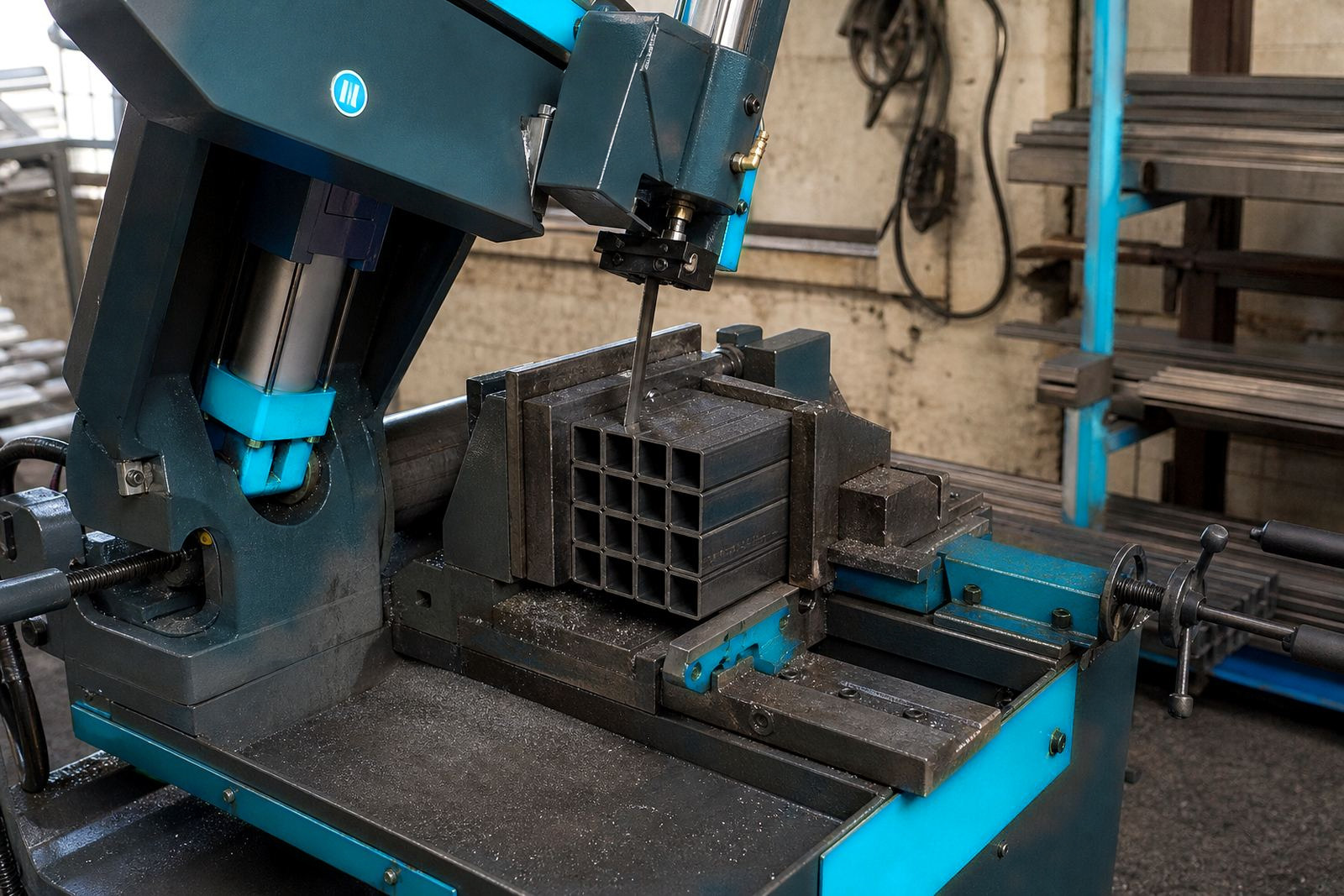
The stock is used for metal cutting work where the blade has to match the wheel diameter, frame reach, tension range and guide set-up. On site, the useful question is how long the blade must be, and whether the machine wants bi-metal stock for mixed material, carbon steel for lighter duty cutting, or a blade body that can take the tooth form the job calls for.
- Supplied in coil form for weld-to-length work
- Suitable for bandsaw and hacksaw blade lengths
- Used for carbon steel and bi-metal blade bodies
- Handy for workshops with changing cut lists
Widths, thicknesses and tooth forms that match the cut
Coil stock is selected with the blade width, thickness and tooth pattern in mind. Wider blades give more stability on straight sections and heavier stock, while narrower blades turn more easily on smaller machines and tighter profiles. Thickness affects stiffness and fatigue life, so it has to suit both the saw and the metal being cut.
Tooth pitch is part of the same choice. Fine pitch works well for thin wall tube, small solids and close-grained sections. Coarser pitch works better on heavier bar and plate. Variable pitch is often useful on mixed bundles or awkward sections because it helps reduce chatter and gives a steadier cut through changing cross sections.
- Common widths include 6 mm, 10 mm, 13 mm, 20 mm and 27 mm
- Thickness is matched to saw tension and guide capacity
- Tooth pitch is chosen in TPI for the material thickness
- Variable pitch helps on mixed or interrupted cuts
Where coil blade stock earns its keep in the workshop
This stock suits fabrication shops, maintenance teams, steel merchants with cut-to-size work, and machine rooms handling regular jobs. It is useful where the same saw cuts solid bar in the morning, tubing later on, and a different section again after lunch. Instead of carrying only fixed finished blades, the team can keep stock on hand and make the required length when the job lands.
A workshop running more than one saw type benefits from coil blade stock. A manual saw may need a shorter blade with a different tooth pitch from a powered bandsaw, and the right coil stock lets those lengths be made from the same supply line. For branches in Johannesburg, Pretoria, Durban, Cape Town, Vereeniging and across Gauteng, that flexibility helps keep the cutting side organised, not crowded with odd leftovers.
- Useful for repeat metal cutting jobs
- Handy for mixed machine fleets
- Supports both workshop and field maintenance use
- Reduces the clutter of mismatched spare lengths
Welding and fitting details that stop a bad blade from wasting time
Coil stock only becomes a proper working blade once it is welded, dressed and fitted correctly. The weld has to be square, neat and strong enough for the tension in use. If the blade is too long or too short, the saw will not track as it should, and guide wear can show up quickly. We check length, blade width, tooth direction and the fit into the machine before the blade leaves for use.
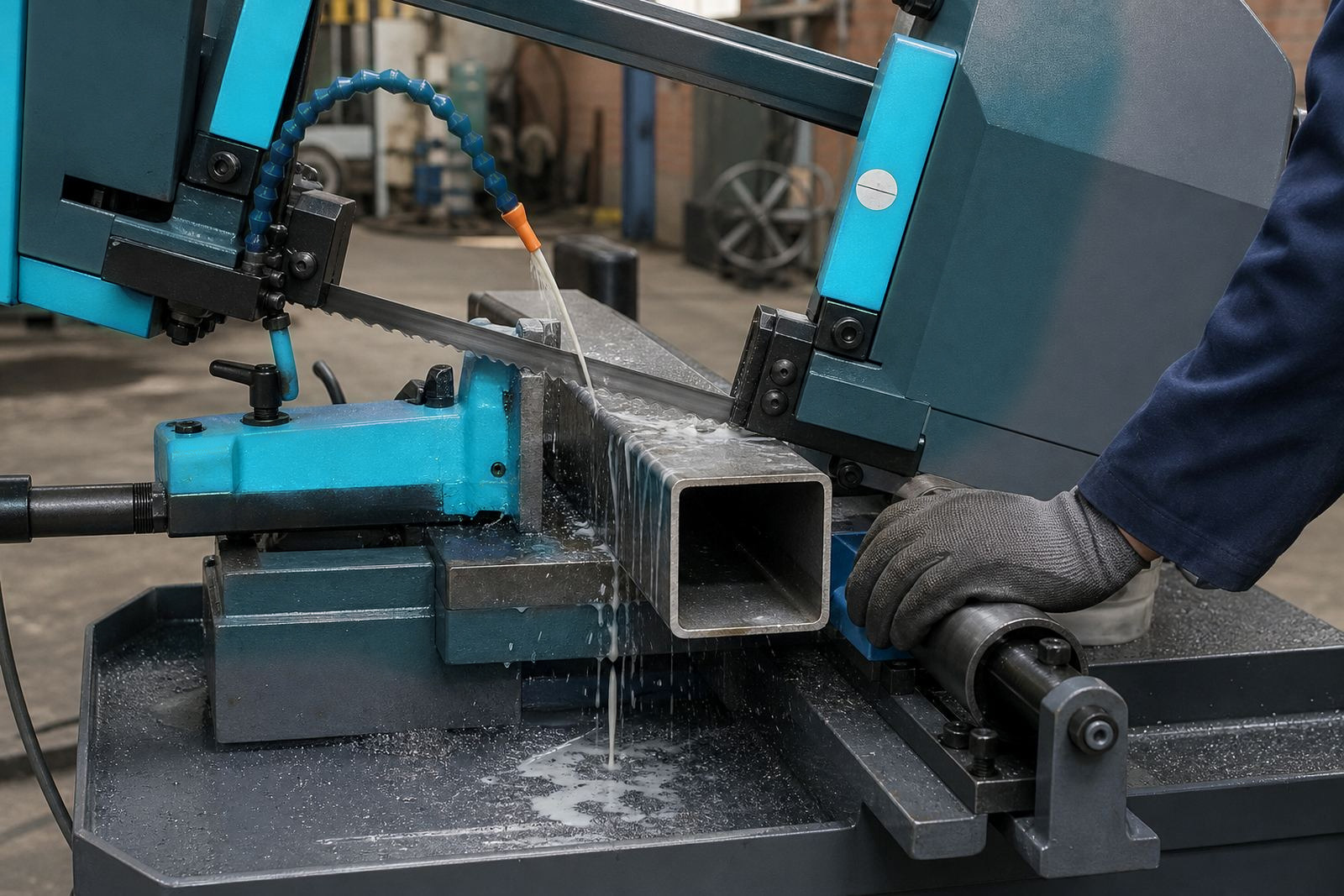
Plan a run-in as well. A new blade needs a lighter feed at first, steady speed, and a proper entry into the material so the tooth tips settle before harder work begins. Coolant should suit the cut and the stock being sawn, especially on heavier sections and stainless or harder mild steel mixes where heat builds fast. A rushed start can shorten the life of even a well-made blade.
- Welded square and dressed before fitting
- Length verified for the machine in use
- Feed and speed set for the material cut
- Coolant checked for heavier or hotter cuts
Details we need before cutting and welding your blade
When ordering coil blade stock or a welded blade from coil, a few details keep the result on track. Start with the machine type, then the exact blade length, the width the guides can carry, and the pitch needed for the main material. If the saw cuts more than one section type, say so, because that changes the tooth choice and may point to a variable pitch instead of a fixed one.
Confirm whether the blade is for a bandsaw or a hacksaw frame, whether the job is general fabrication or heavier section work, and whether the machine already has a usual feed and speed setting that works well.
- Please send the make and model of the machine, or a clear photo of its plate
- Exact blade length needed
- Blade width and preferred tooth pitch
- Material type, section size and cut style
Storage and care for coil stock and finished blades
Coil stock should be kept dry, clean and free from kinks. In humid coastal air, especially around Durban, exposed steel can pick up surface rust if it is left open on a damp floor or near wash-down areas. Finished blades should be stored in a way that protects the teeth and keeps the coil shape true, because a bent or crushed section can make welding and fitting harder later.
Once a blade is in service, regular checks on tooth wear, cracking near the weld and guide marks are worth doing. If a blade starts to wander, rub or chatter, the issue may sit with feed pressure, speed, tooth pitch or a machine fit problem rather than the stock itself. Blade failure review and machine fit check support can save a lot of wasted material, with the right blade for the job and your machine.
- Store dry and away from floor moisture
- Avoid sharp bends, crush points and loose coil handling
- Check welds, teeth and tracking before heavy use
- Review feed, speed and coolant when wear appears early
Key facts
| Product type | Coil blade stock for welded bandsaw and hacksaw blade lengths |
|---|---|
| Blade materials | Bi-metal and carbon steel blade stock |
| Width range | Common workshop sizes from 6 mm to 27 mm |
| Thickness range | Matched to machine tension and guide capacity |
| Tooth options | Fixed pitch and variable pitch, selected in TPI |
| Service options | Weld-to-length, length verification, fit check and starter kit planning |