What a bi-metal hacksaw blade is built to do
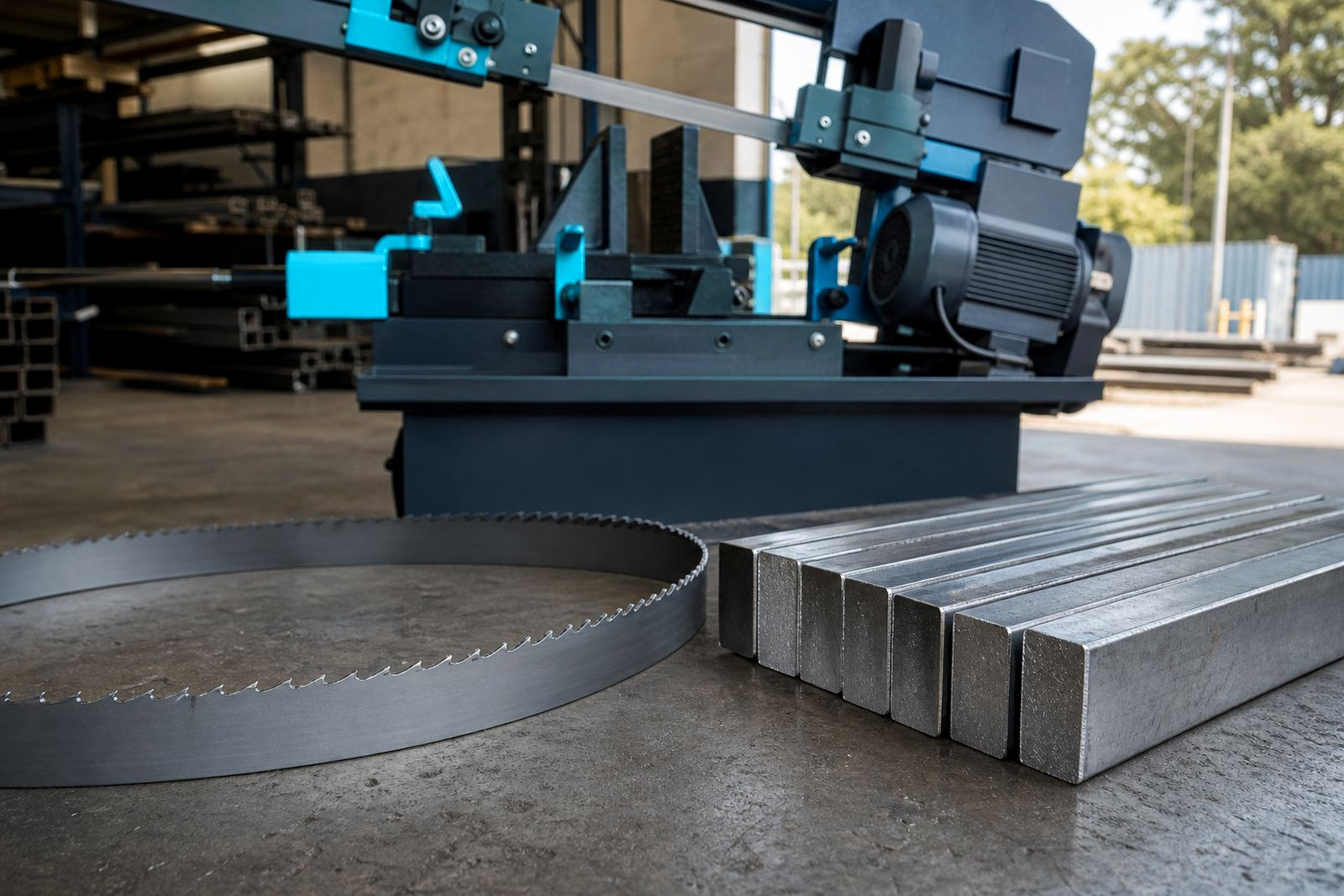
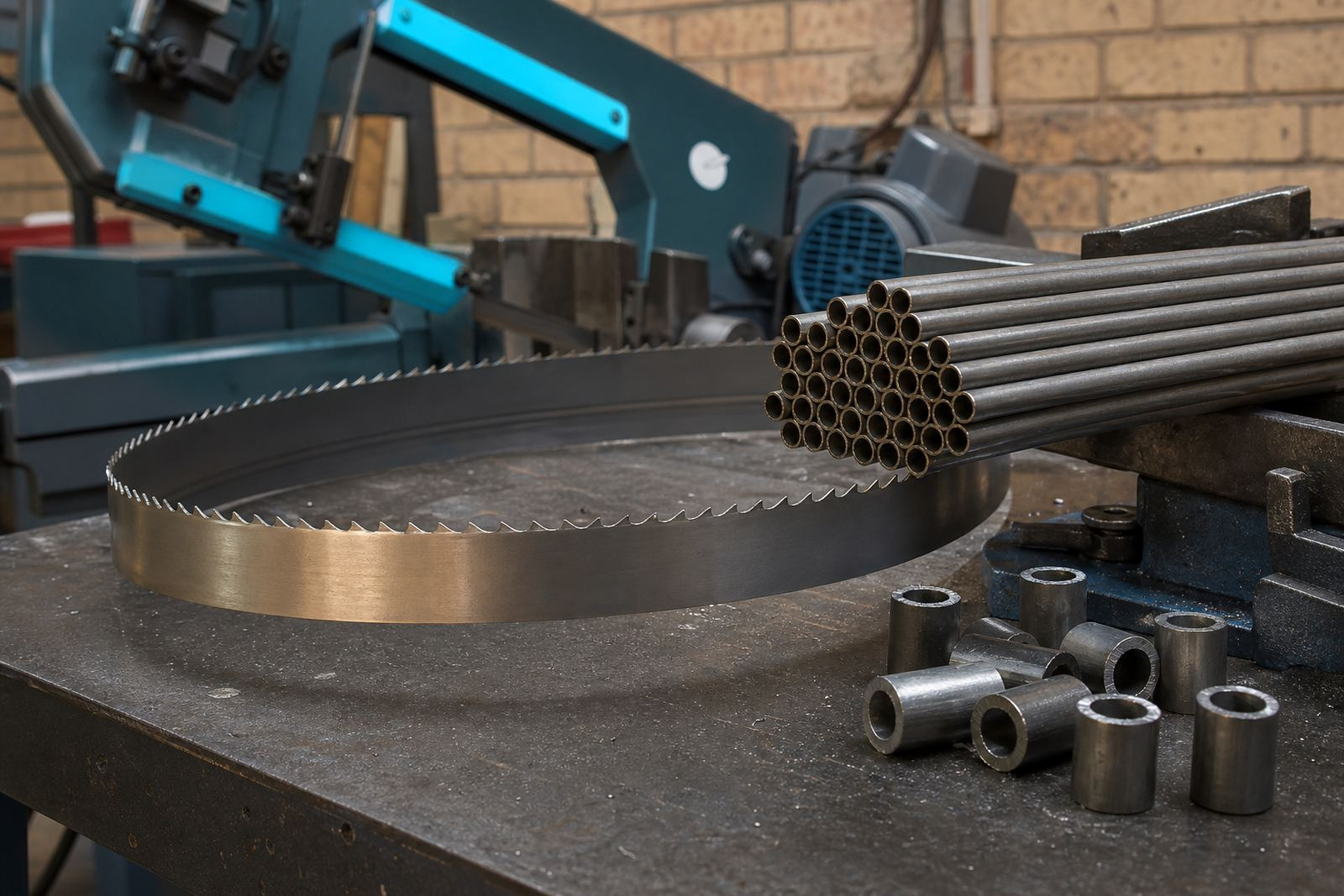
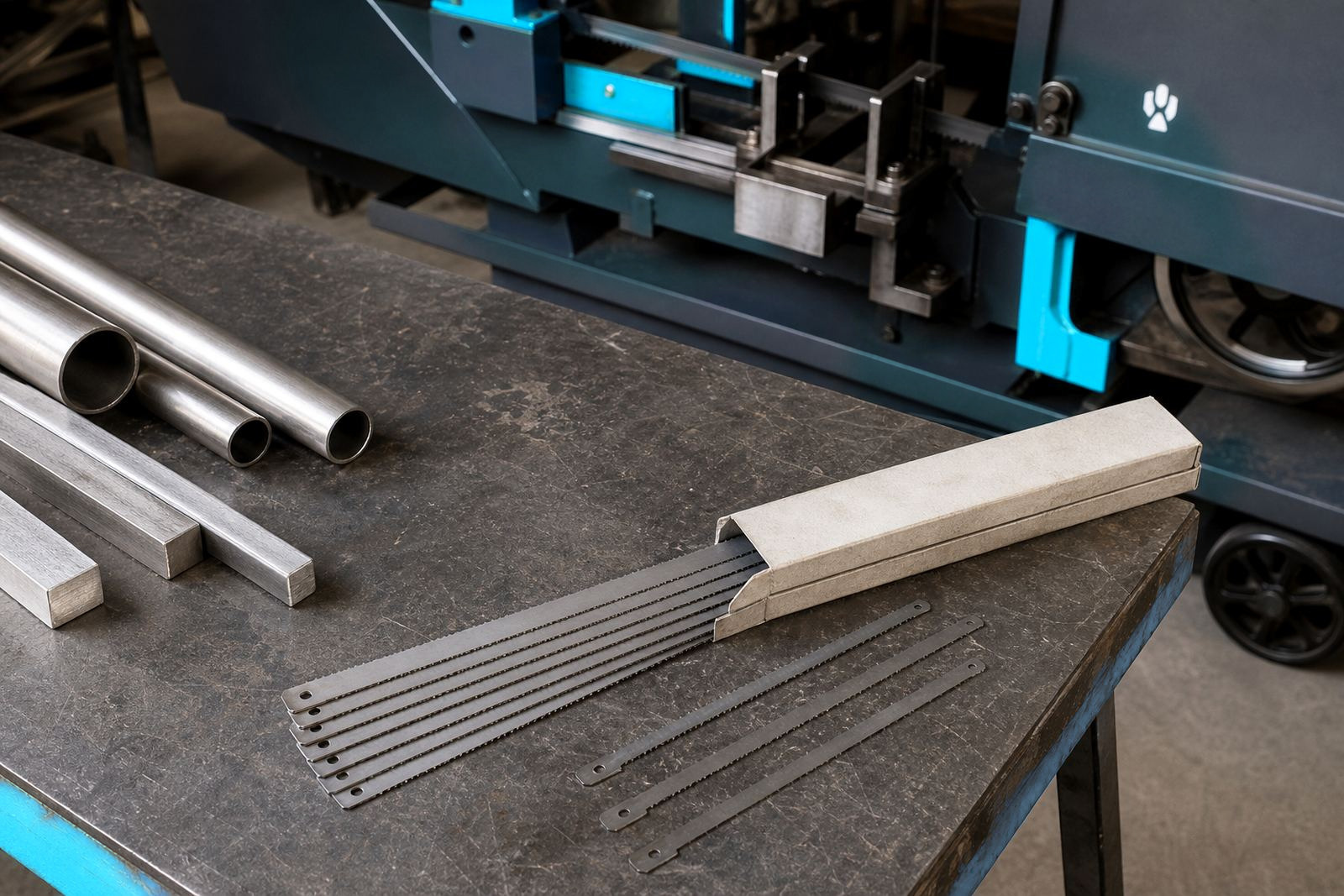
A bi-metal hacksaw blade combines a flexible back with hard wearing teeth, so it holds up better when operators cut daily through mild steel, conduit, tube, angle iron and mixed offcuts. The body flexes without snapping so easily, while the tooth edge stays sharper for longer under normal workshop use.
These blades are commonly specified for manual hacksaws in maintenance bays, fabrication shops, plant rooms and general repair work. They suit cut lines that need control and a cleaner finish than a blunt, overheated blade can give. The cut stays steadier when the tooth count matches the wall thickness and the operator keeps feed pressure even.
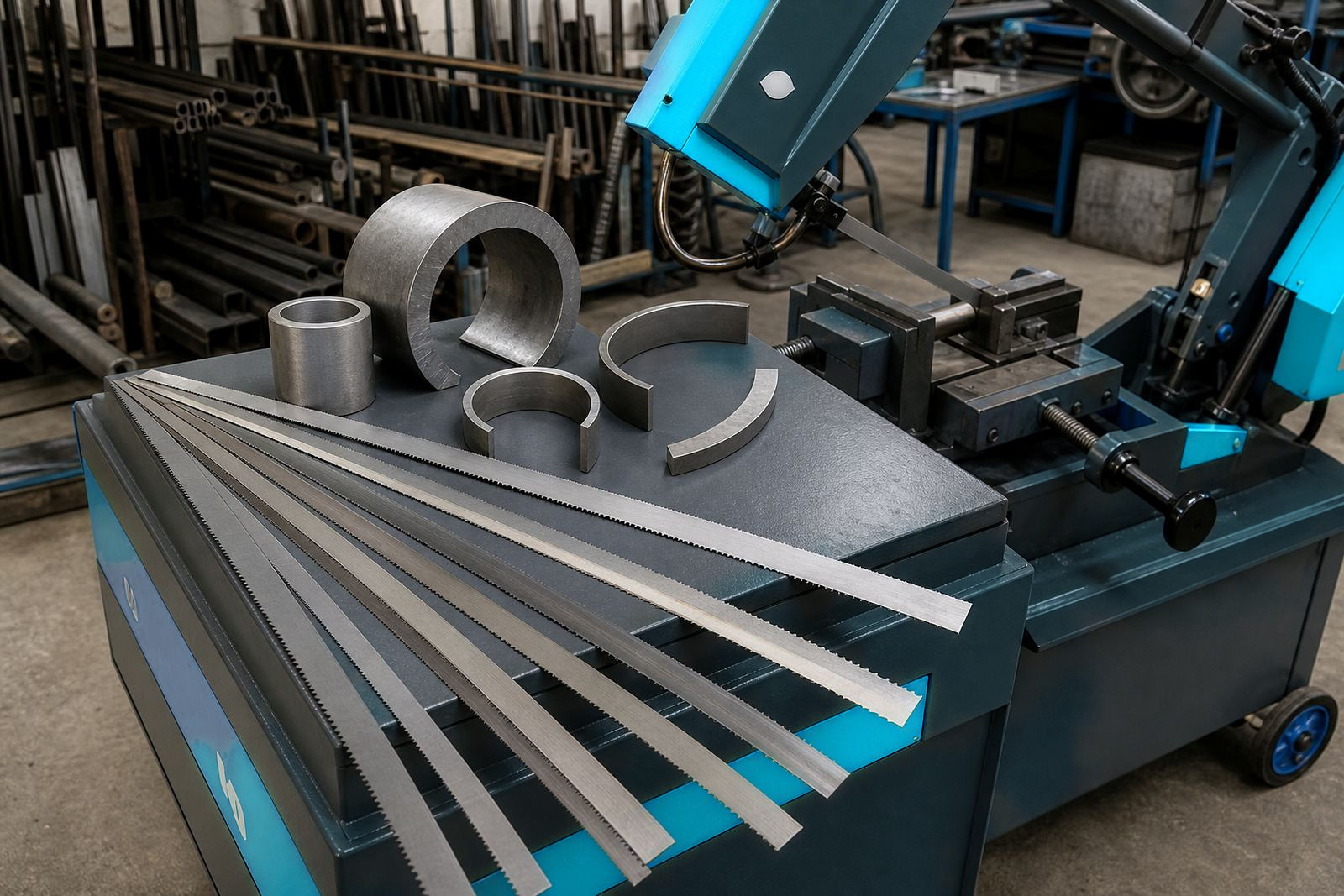
Sizes, tooth counts and blade choices
Bi-metal hacksaw blades are usually selected by length, height and tooth pitch. Common lengths for hand hacksaws are 300 mm and 12 inch frames, with other frame sizes used in some workshops. Tooth counts are often sold in 14, 18, 24 and 32 TPI, and the right choice depends on section size and how hard the material is to cut.
- 14 TPI for thicker wall sections and heavier general steel work
- 18 TPI for mixed workshop cutting on medium sections
- 24 TPI for thinner tube, strip and lighter wall material
- 32 TPI for fine cuts on thin sheet or small diameter stock
- Variable pitch blades to reduce chatter on uneven or changing section sizes
We also check blade thickness and set. A coarser tooth with too much set can wander on thin material, while a fine tooth can clog if the pitch is too close for the job. Matching the blade to the wall thickness keeps the cut more controlled and helps the teeth last longer.
Where these blades earn their keep
These blades suit fabrication counters, maintenance teams, fitters, plumbing workshops and machine shops that still do a fair amount of manual cutting. They work well on steel tube, solid bar, threaded offcuts, brackets and repair pieces where a saw is not the answer for every cut.
In busy South African workshops, the same blade often sees different jobs in one shift. A bi-metal option tolerates a wider range of materials and gives better life than a standard carbon steel blade in daily use. Coastal humidity in Durban can also push tools to corrode faster, so store them clean after use.
- Mild steel tube and flat bar
- Stainless offcuts where the feed stays light and controlled
- Small diameter solid stock
- General repair work and maintenance cutting
- Workshop starter kits for mixed hand saw tasks
Fitting the blade and getting the first cut right
A hacksaw blade needs the teeth facing the right direction and the frame tension set firmly enough to stop flex during the cut. If the blade sits loose, it will twist, chatter and wear unevenly. If the tension is too heavy, a thin blade can fracture at the mounting points or along the spine.
Set the blade so the tooth points lead into the cut stroke, then check that the work is clamped or held steady before starting. Use a light run-in on the first few cuts, especially on a fresh blade, so the teeth bed in without a hard bite. That small habit often gives better blade life and a cleaner kerf.
- Confirm the frame length and blade hole spacing before ordering
- Check whether the frame takes standard or junior blade lengths
- Ask for tooth pitch matched to the thickest material you cut most often
- Keep the blade straight in the frame to avoid side loading
Care, storage and wear signs to watch
After cutting, clear swarf from the teeth and wipe the blade down if it has picked up oil or moisture. Store blades flat or in their sleeves, away from damp corners and loose grinder dust. A blade that sits in a wet toolbox in Alberton or a humid store room near the coast will lose edge life faster than one kept dry.
Watch for rounded teeth, bright polished tooth tips, wandering cuts and a need for extra pressure. Those signs usually mean the blade is blunt or the pitch is wrong for the stock. On heavier work, cutting fluid on some tough sections can help reduce heat and ease the stroke if the job and material call for it.
What to check before placing the order
We use the details you send to match the blade properly to the frame and the metal you cut most often. The more exact the information, the less guesswork sits between a stock blade and a useful one. In workshops across Johannesburg, Pretoria, Vereeniging, Durban and Cape Town, confirm the frame type and the material list first.
- Blade length in millimetres or inches
- Frame type and clamp style
- Typical material, wall thickness and section size
- Preferred TPI or the cut finish you want
- Whether you need standard packs or starter kit planning
- Any need for weld-to-length blade service on related saw work
MoreCut Saws also supports blade selection for wider workshop needs, including tooth pitch selection, stock standardisation and manual saw support.
Key facts
| Blade type | Bi-metal hacksaw blade for manual metal cutting |
|---|---|
| Common lengths | 300 mm, 12 inch and other frame-matched sizes |
| Tooth counts | 14 TPI, 18 TPI, 24 TPI, 32 TPI and variable pitch options |
| Material suit | Mild steel, tube, angle, bar and mixed workshop offcuts |
| Fitment | Frame tension, tooth direction and blade length must match the hacksaw frame |
| Service support | Starter kits, blade selection help and weld-to-length blade service |