A plain carbon blade for mixed workshop work
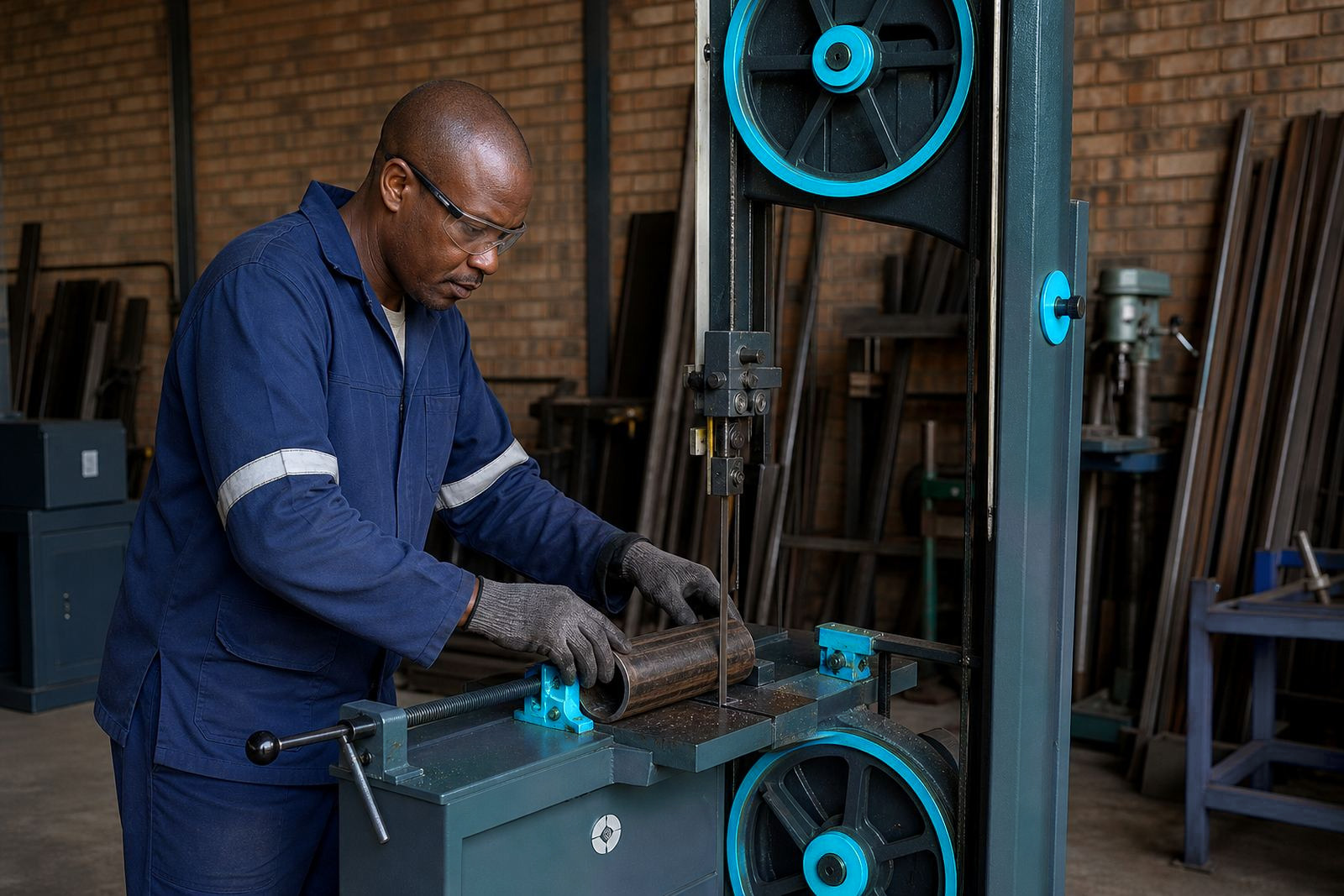
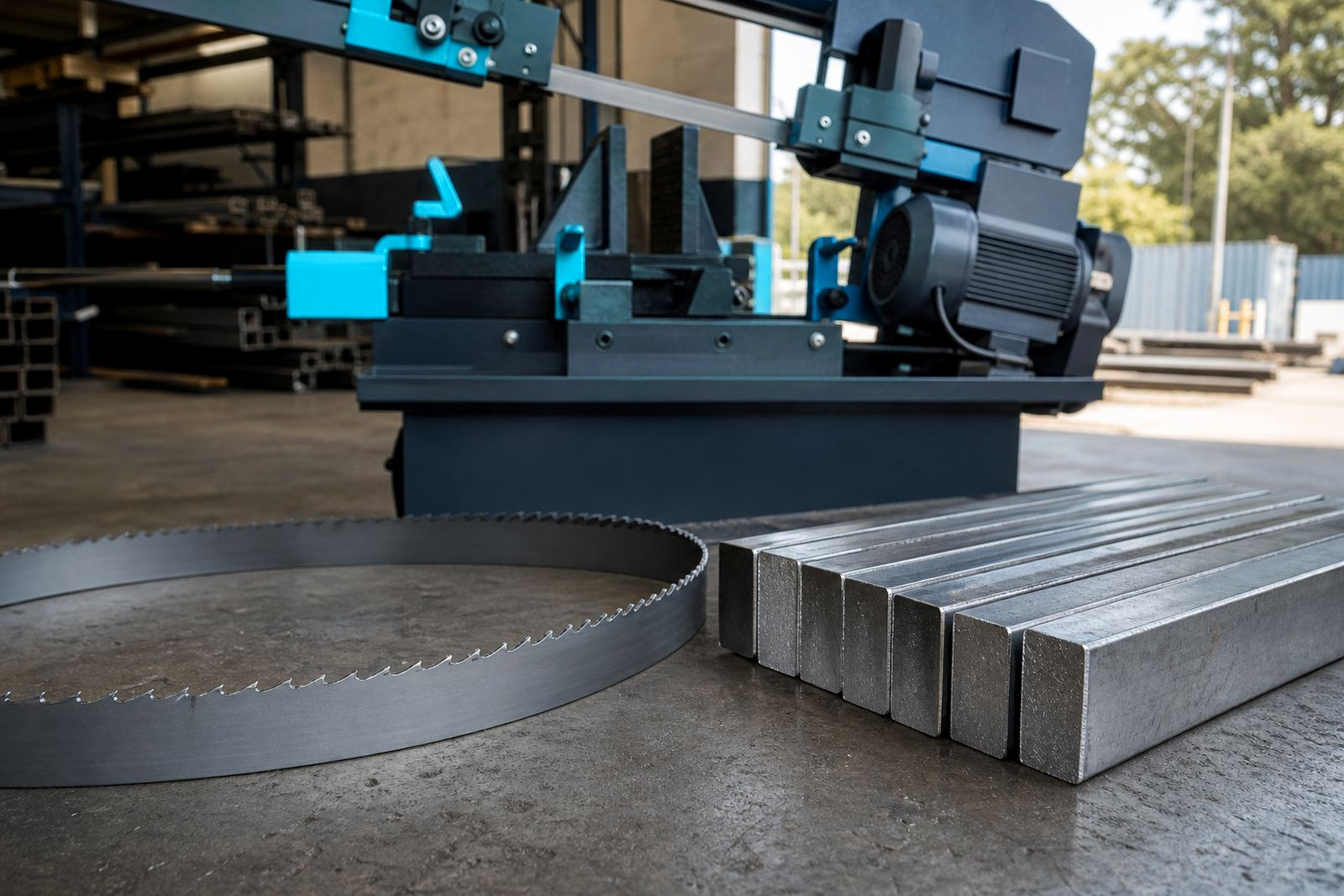
Carbon Utility Cuts are carbon steel blades used for occasional cutting of mild steel, light section, tube and general workshop stock. They suit hand-fed work, smaller saws and short runs where a workshop needs a dependable blade without moving into a bi-metal specification. The edge form, tooth set and tooth pitch are matched to the material and the saw type, because a blade that suits thick wall tube will not behave the same on solid bar.
These blades are used where the cut list changes through the week, and the sawyer needs something practical for repair work, maintenance benches and non-production jobs. For a clean result, the feed, blade speed and cut pressure still need setting, even on a basic carbon blade. A blade that is too fine can clog, while one that is too coarse can leave a rough face or chatter on thin sections.
- Carbon steel construction for general workshop cutting
- Useful for mild steel, light sections and tube
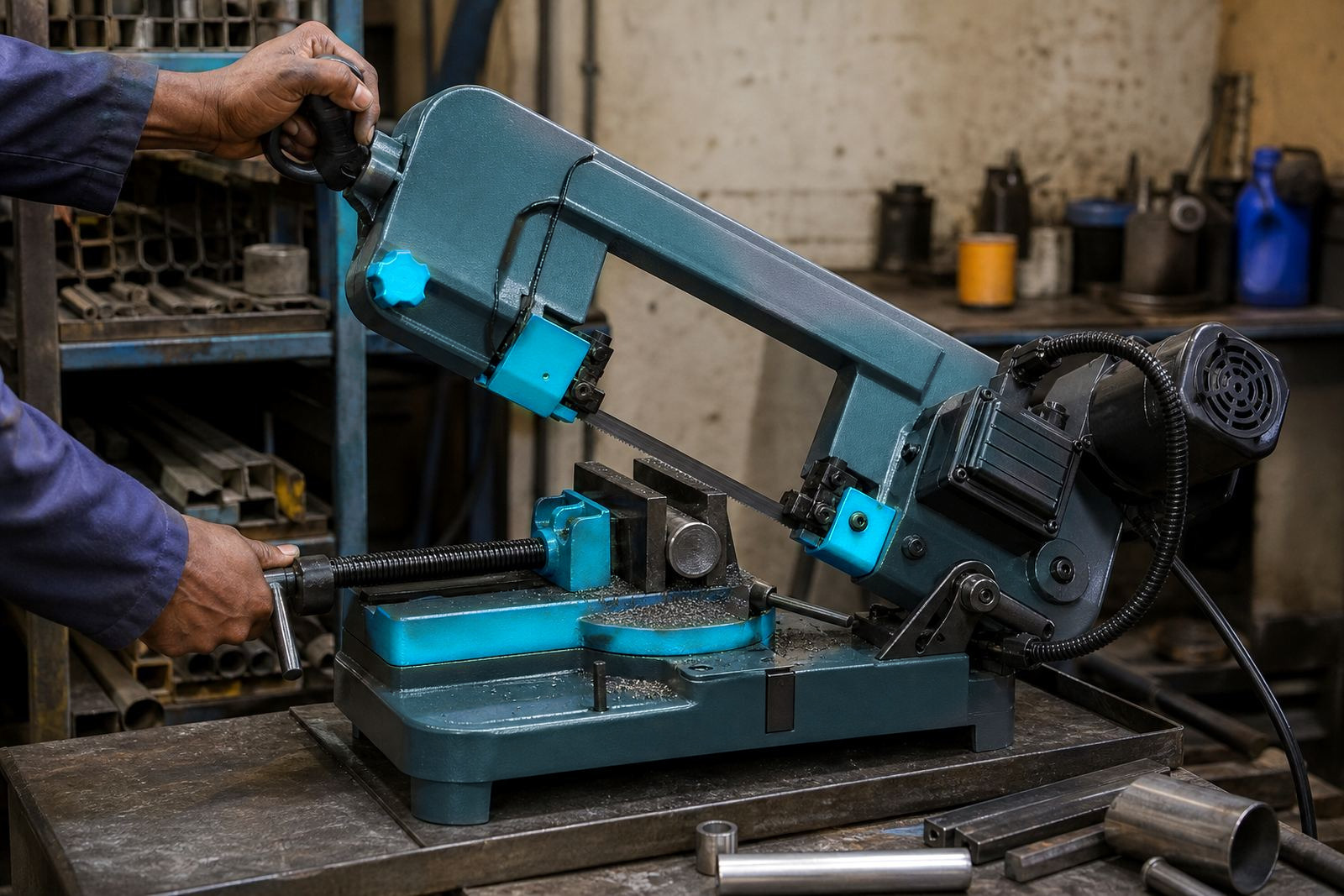
- Suitable for bandsaws and manual hacksaws, depending on the machine
- Works well for occasional use and short cutting runs
Sizes, widths and tooth pitch choices
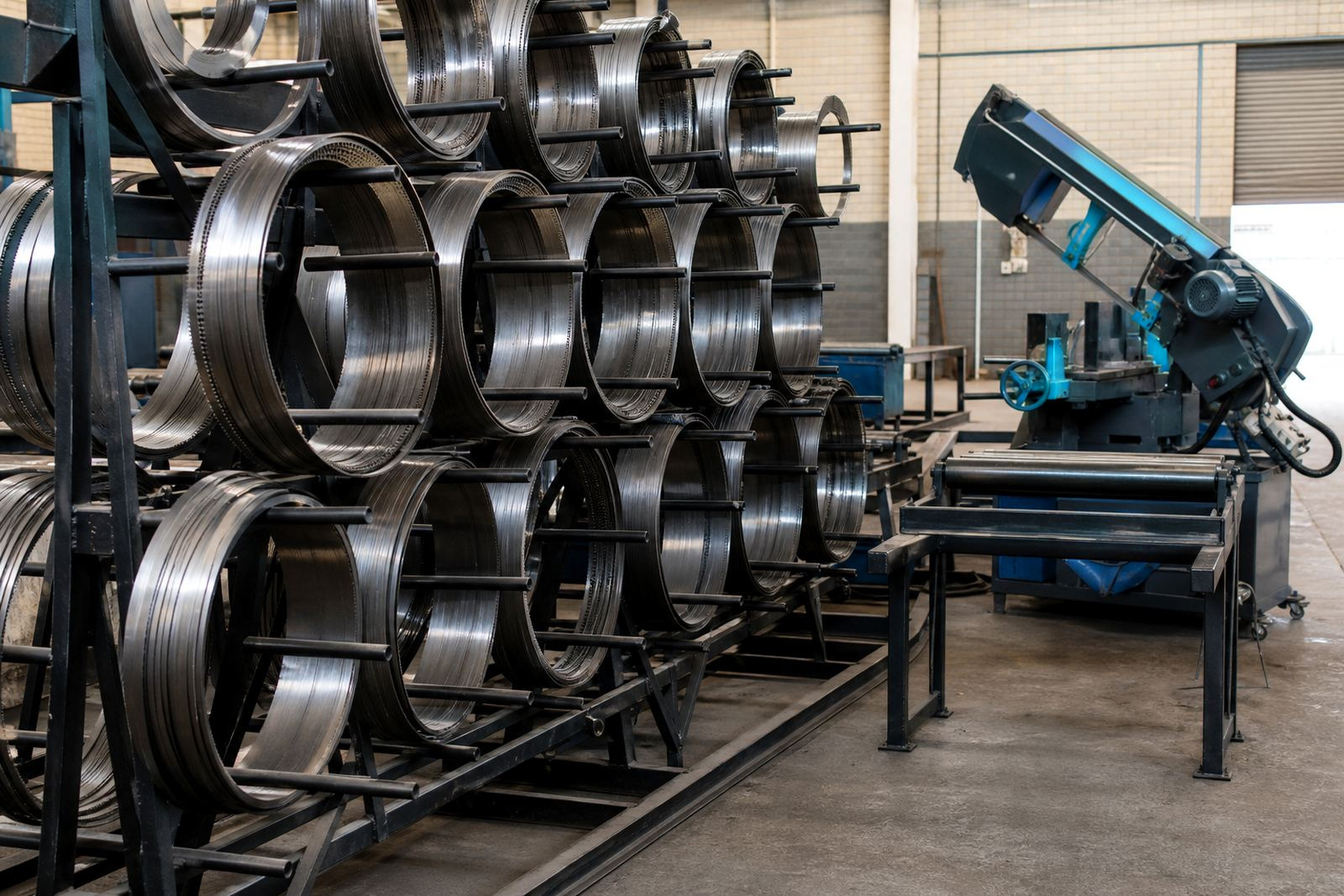
Carbon Utility Cuts are supplied in common bandsaw and hacksaw blade sizes, with the exact length set by the machine frame or the hand saw holder. Bandsaw blades are usually specified by length, width and thickness, while hacksaw blades are generally chosen by length and tooth pitch. Width affects tracking and straightness, while thickness influences stiffness and how the blade follows the guides.
Tooth pitch is selected in TPI, and the best choice depends on section size, wall thickness and whether the cut is solid or hollow. Coarser pitches clear swarf better on thicker stock, while finer pitches give more teeth in the cut on thin wall material. Variable pitch can help reduce vibration on mixed profiles, especially where the cut includes flats, angle or irregular offcuts.
- Bandsaw lengths matched to the machine wheel size
- Common width choices for lighter and medium duty use
- Thickness selected for the saw, guides and tracking
- TPI selected for the wall thickness and section size
- Variable pitch available where the cut mix changes often
Where carbon blades fit best in the shop
Carbon blades suit workshops that cut intermittently and do not need a premium blade for long continuous shifts. Fabrication bays, maintenance stores, small engineering rooms and general repair shops often use them when the material changes from day to day. On mild steel, thin bar and light section, a carbon blade can give a sensible balance between cost and cut quality when the machine is set correctly.
For harder or more demanding stock, blade choice changes. A carbon blade can still be used for everyday maintenance work, but feed pressure, blade speed and coolant need to be watched closely. On dry cutting, the blade should not be forced through the work. On machines fitted for wet cutting, light coolant flow helps control heat and helps the teeth keep their shape for longer.
- General maintenance and repair work
- Small fabrication and metal stores
- Light section, tube and mild steel stock
- Manual saw support where the operator needs a simple blade choice
Fitting, run-in and machine checks
Before fitting a carbon blade, the machine needs the right length, guide setting and tracking position. The blade must sit square in the guides, and the tooth direction must match the cut path. On bandsaws, a poor guide setting can twist the blade at the weld area or leave it wandering through the cut. On hacksaws, the holder must take the blade width and hole spacing without forcing it into position.
Even a straightforward carbon blade needs a run-in. A fresh blade should start with lighter feed and a sensible cutting speed so the tooth edges can settle in before full load is applied. That step helps reduce early chipping. Where the saw runs coolant, check that the flow reaches the tooth line and does not pool away from the cut. If the blade is too aggressive for the stock, the first sign is often a rough finish or a noisy cut rather than a clean slice.
- Confirm blade length and machine fit before fitting
- Check guide position and tracking on the bandsaw
- Use a gentle run-in on a new blade
- Match feed and speed to the material thickness
- Check coolant coverage when the saw is wet-cutting
Blade care between jobs and during storage
Carbon Utility Cuts last better when the blade is kept clean, dry and correctly tensioned. Swarf left in the gullets can pack between the teeth and affect the next cut. On workshops close to the coast, humidity can mark the blade surface, so storage should be off the floor and away from damp walls. A light coat of protection on stored blades helps keep surface rust down.
When a blade starts cutting hard, drifting, or heating the work too much, it may need a check rather than a simple reset. Tooth damage can follow from bad feed, a bent workpiece or a machine that is not aligned. We also look at blade failure patterns, because a break near the weld area, or a chipped tooth line can point to a feed issue or a guide problem rather than a blade problem alone.
- Remove swarf after cutting sessions
- Store blades flat or hung cleanly, away from moisture
- Use light protection where rust is a risk
- Watch for drift, chatter and uneven tooth wear
What to confirm when placing an order
When ordering Carbon Utility Cuts, the main details are the saw type, blade length, stock material and the size of the job. For a bandsaw, the length, width and thickness need to match the machine. For a hacksaw, the length and TPI are usually the key points. If the job includes mixed sections, variable pitch can be worth considering, especially where the cut list alternates between tube, flat bar and small solid sections.
Our team can help with tooth pitch and blade width selection, plus feed speed advice. Weld-to-length service is available for workshops that need a specific bandsaw loop measured and joined for the machine in use. If a site wants to reduce the number of blade types on the shelf, stock standardisation can also be set up around the usual saws and materials.
- Machine make and blade length required
- Stock type, wall thickness and usual section sizes
- Preferred pitch if the workshop already has one in use
- Whether the saw runs dry or with coolant
- Any clearance limits at the guides or blade arm
Key facts
| Blade type | Carbon steel bandsaw and hacksaw blades |
|---|---|
| Typical use | Occasional workshop cutting and non-production jobs |
| Tooth options | Fixed pitch and variable pitch |
| Pitch range | Selected in TPI to suit section size and wall thickness |
| Bandsaw sizing | Length, width and thickness matched to the machine |
| Service support | Weld-to-length, length verification and fit checks |