
Carbon steel blades for lighter shop cutting
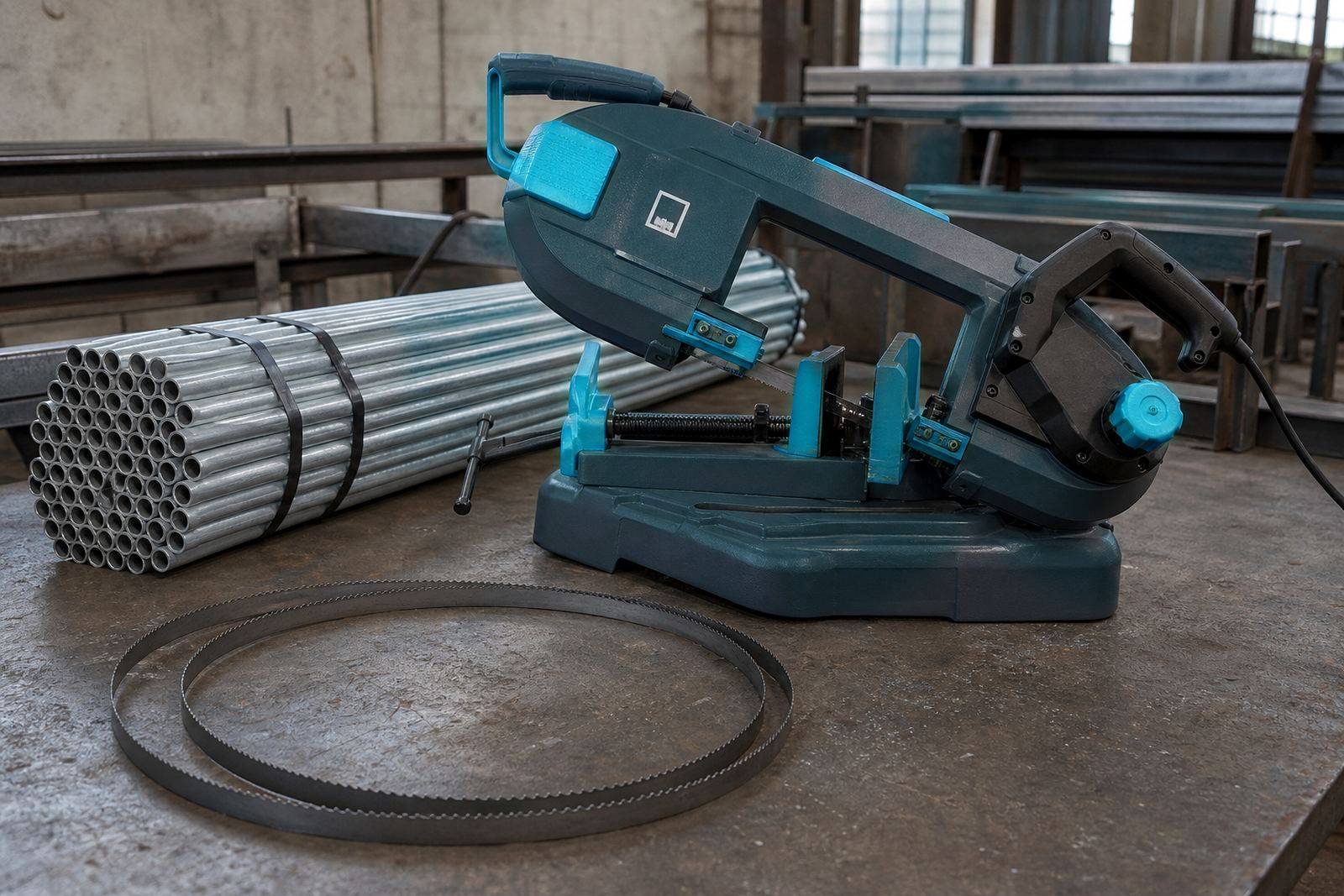
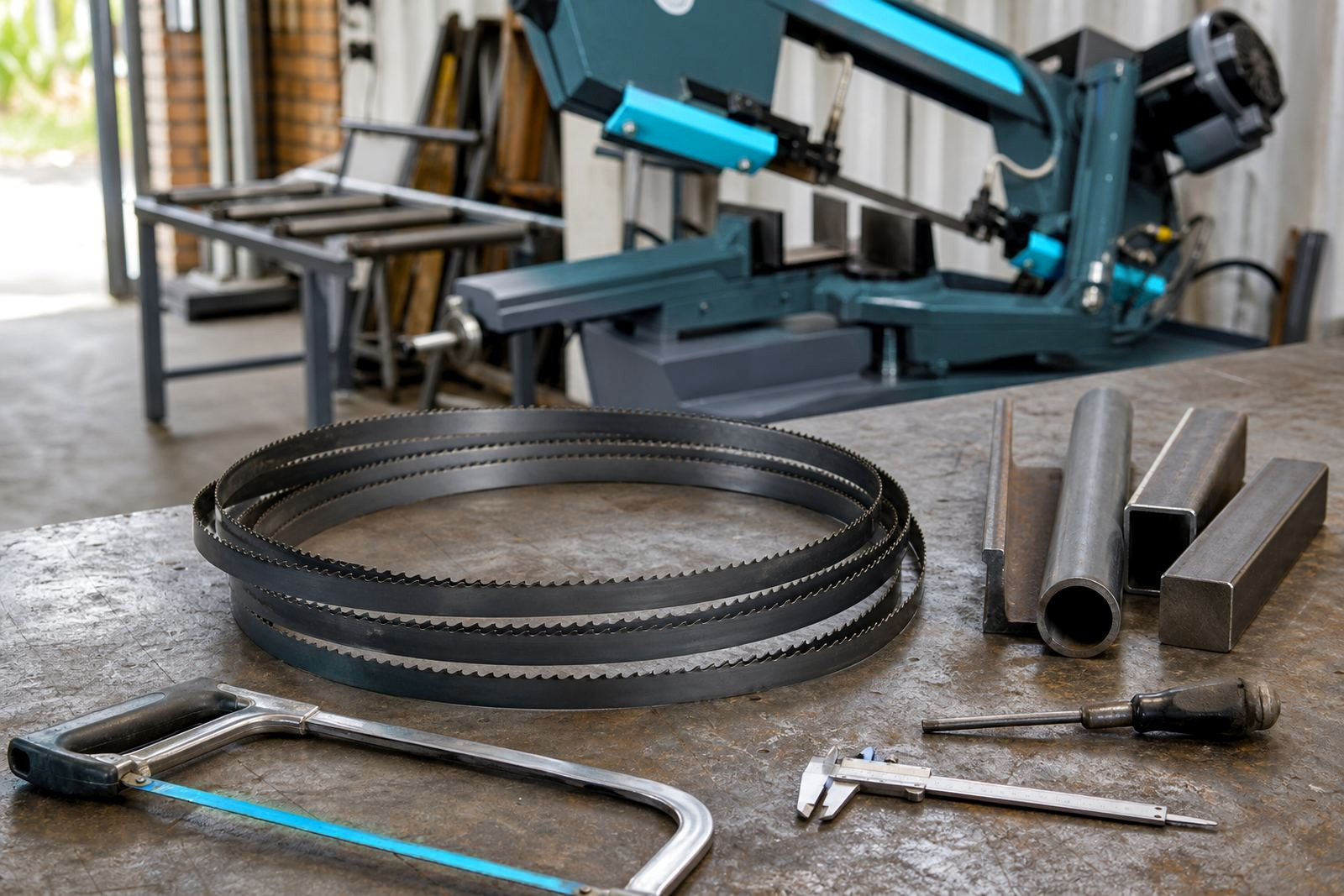
Carbon General Purpose is the carbon steel blade range for lighter workshop work where the cut list is steady, the material is less abrasive, and the saw needs a practical blade that can be changed without fuss. These blades suit utility cutting, small fabrications, maintenance work and general metal stock trimming, especially where the operator wants a predictable cut and a clean enough finish for the next step.
Carbon steel blades are different from bi-metal blades in how they handle wear. They are best used on softer or thinner sections, and on jobs where the blade is not being driven hard into heavy wall material all day. In the right setting, they give a tidy cut and keep the budget sensible for workshops that do mixed, lighter-duty work.
- Suitable for small section steel, light bar and general utility cutting
- Common in manual saws and lighter horizontal bandsaws
- Works well for workshops that change blade types for different jobs
- Available in lengths to suit welded loops and standard saw frames
Sizes, tooth pitches and blade builds
The right carbon blade depends on the saw frame, the material thickness and the way the cut will run. Blade width controls tracking and cut control, while thickness affects stiffness and how the blade carries load through the cut. Tooth pitch must match the section being cut, because the wrong TPI can clog, chatter or leave the teeth working too hard.
For lighter work, common choices include narrower blades for smaller machines and finer tooth pitches for thin wall material, tube and light solid sections. Coarser pitches suit larger cross sections where the gullets need room to clear swarf. Variable pitch options can reduce chatter on mixed profiles and help the blade settle into the cut more evenly.
- Blade widths commonly selected for light manual and horizontal saw work
- Thickness chosen to suit machine guides and wheel tracking
- Tooth pitch matched to material section and wall thickness
- Variable pitch useful where shapes and sizes change through the week
Where this blade suits the workbench and the floor
Carbon General Purpose suits maintenance rooms, small steel stock handling, repair shops and light fabrication benches where cutting is regular but not severe. Aluminium work suits this blade when the saw setup and tooth pitch match the material, with the main use in mild steel and similar lighter duty work. On manual saws, the operator can keep a steady feed and use the blade across shorter runs without pushing it into heavy production habits.
Where a shop is cutting assorted offcuts, utility tubing or smaller structural pieces, carbon steel can be the sensible day-to-day blade. Starter packs for teams that need a dependable first blade before they move into more specialised options suit this well. On coastal work, store and handle blades carefully, because humidity can mark the tooth line and spoil the edge if blades are left open to damp air.
- Light fabrication and maintenance benches
- General utility cutting and small stock preparation
- Manual saw support and starter kit planning
- Workshops that need a clean, basic blade for routine jobs
Setting the saw up before the first cut
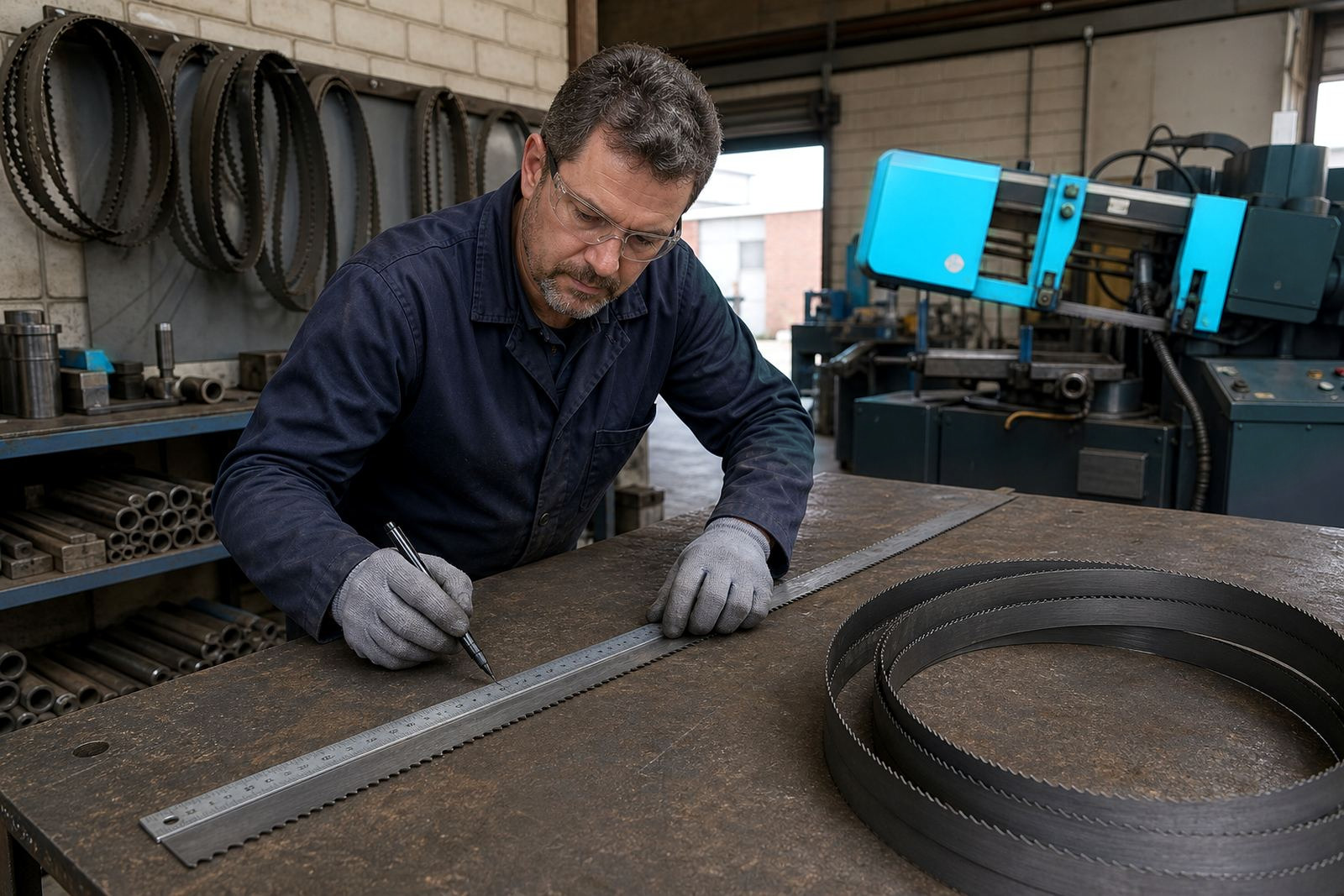
A carbon blade needs the frame, guides and cut settings checked before it goes into service. Fit comes first, because a blade that is slightly off in length, set or guide position will wander or run hot. MoreCut Saws handles weld-to-length blade service, length verification and machine fit checks so the blade matches the saw and the job.
New teeth work best after a run-in. A light first run helps the edge settle before full feed is applied. Feed speed must stay steady, and the cut should not be forced. Coolant or cutting fluid, where the machine uses it, helps carry heat away and clears swarf from the tooth line. If the feed is too hard, the teeth can chip; if it is too slow, the blade can rub and lose life for no gain.
- Check blade length, wheel diameter and guide alignment
- Set tooth pitch to suit the thickest material in the job mix
- Use a gentle run-in on a new blade
- Match feed and speed to the machine and section size
Care between jobs and signs the blade needs attention
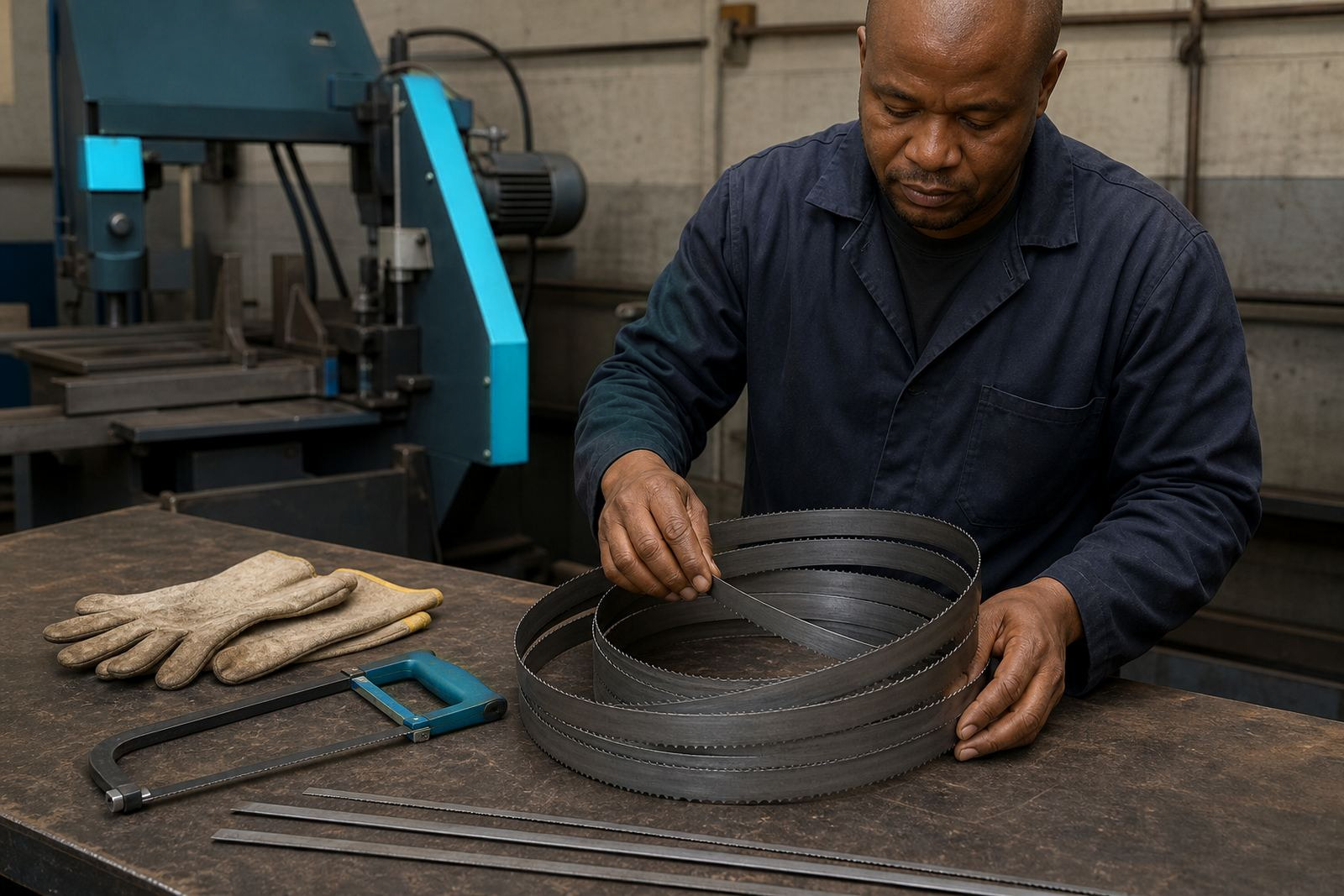
Carbon blades last better when they are cleaned, dried and stored flat or hung correctly, not tossed into a damp corner. Swarf left on the blade can hold moisture and mark the teeth. If the workshop runs near the coast or in a humid area, simple storage habits make a real difference. A light oil wipe on stored blades can help where rust marks are a problem, provided the machine and cutting process allow it.
Keep an eye on the cut and the clock. If the saw starts to squeal, leaves a rougher finish, pulls to one side or needs more pressure to keep moving, the teeth may be dull or the set may be uneven. A blade failure review can help identify whether the issue came from pitch choice, feed pressure, coolant use or machine alignment. That saves repeat damage to the next blade.
- Keep blades dry and away from loose grinding dust
- Store loops where the teeth are not bent or kinked
- Look for uneven wear, crooked cuts and heat marks
- Review machine setup if blades fail in the same way
What to confirm when placing the order
When you share fuller details, we can match the blade more accurately to your saw and the job. We look at the material type, the thickest section, the saw make-up, the blade length and whether the job is mostly straight cutting or mixed profiles. For carbon general purpose, that information shapes the tooth pitch, blade width and thickness we suggest.
For workshops in Alberton, Johannesburg, Pretoria, Vereeniging, Durban and Cape Town, the order often comes down to a few practical details. A small change in width or TPI can affect tracking, finish and blade life. If the saw is used for manual work, say so. If you want starter kit planning or stock standardisation across more than one machine, that helps too.
- Material type and wall thickness
- Saw model or frame size and required blade length
- Blade width, thickness and tooth pitch preference if known
- Whether the cut is manual, mixed duty or steady routine work
Key facts
| Product | Carbon General Purpose carbon steel bandsaw blade |
|---|---|
| Blade material | Carbon steel |
| Typical use | Lighter-duty metal cutting and utility work |
| Tooth form | Standard and variable pitch options |
| Selection factors | Blade width, thickness, TPI, run-in and feed speed |
| Service support | Weld-to-length, length verification, machine fit check, coolant and failure review |