First Cuts Need a Softer Start
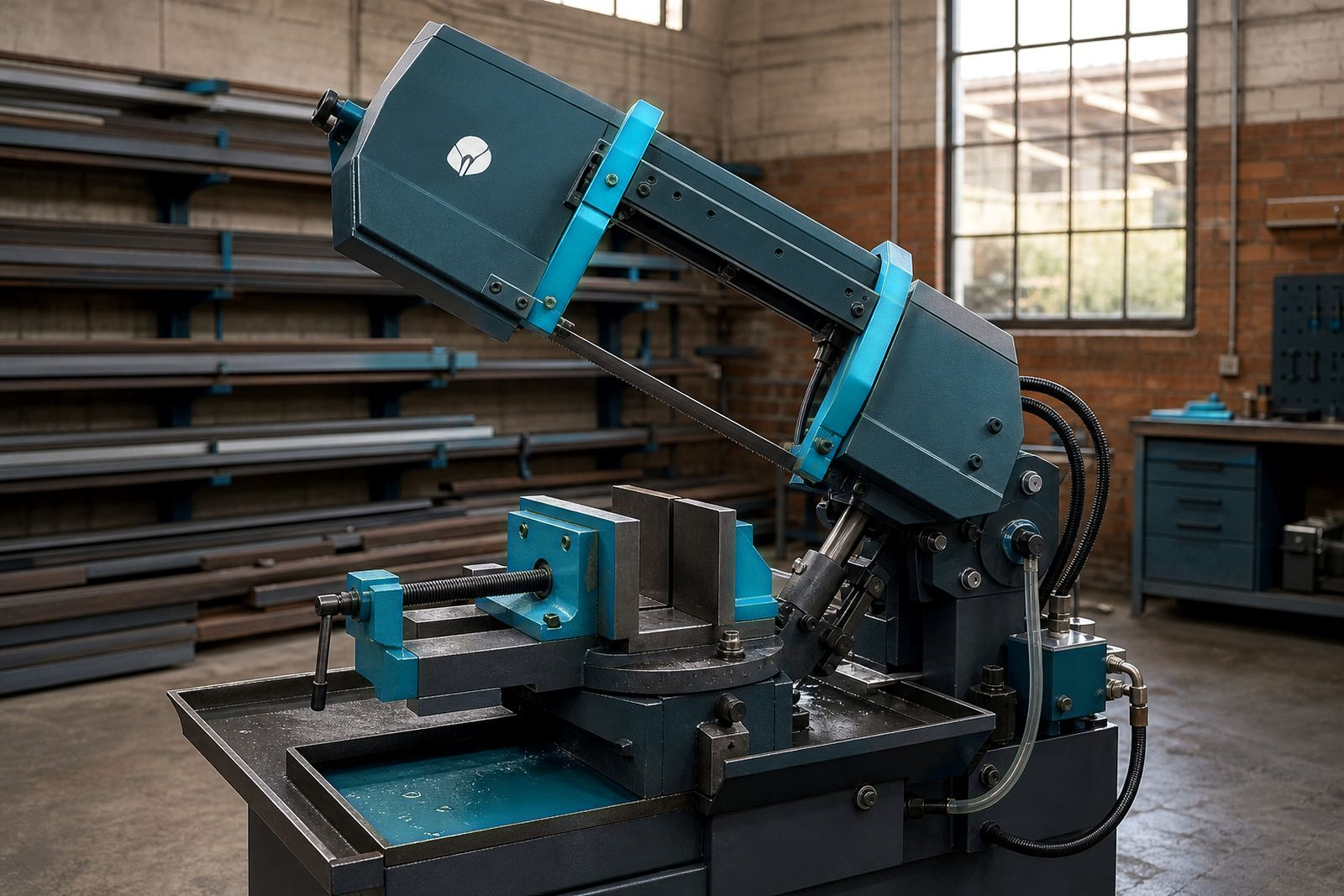
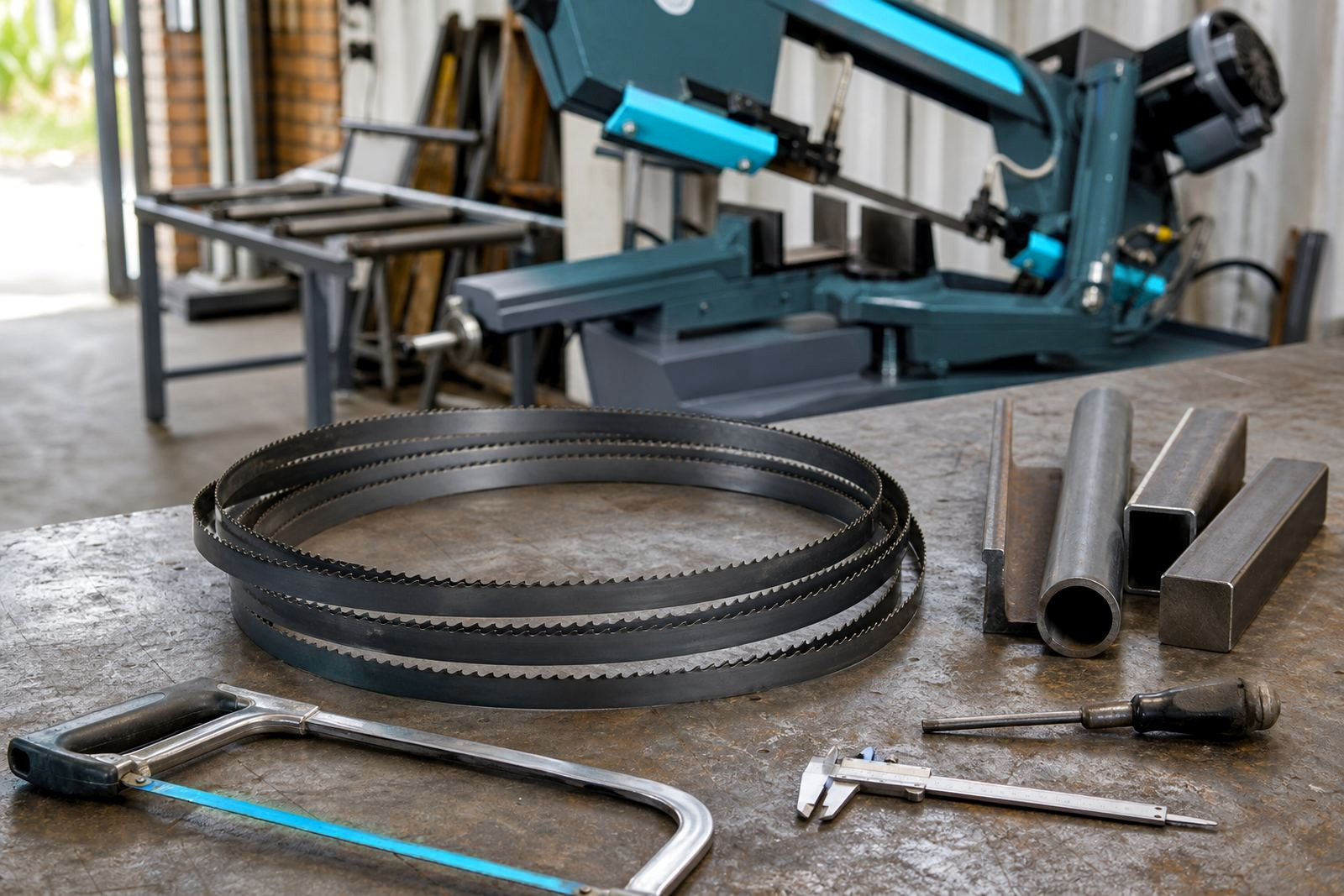
A run-in blade pack gives a workshop a safer start when fitting a new bandsaw or hacksaw blade. The idea is plain enough: the teeth are dressed into service with a lighter feed and steadier cutting pace so the edge settles before full production work begins.
On tube, solid bar, mild steel, stainless and mixed offcuts, an aggressive first cut can chip the teeth or leave a rough set. A proper run-in also helps the blade track better through the kerf, which is useful on manual saws and machine saws that see plenty of daily use.
- Bi-metal blades for general metal cutting and mixed profiles
- Carbon steel blades for lighter duty manual cutting
- Run-in guidance matched to tooth pitch, width and thickness
- Welded-to-length supply for workshop fitment
Sizes That Suit the Job
Blade packs are supplied around the job in hand, not a one-size pattern. Tooth pitch, blade width and blade thickness all affect how the blade bites, clears swarf and stays on line through the cut.
Coarser TPI works better on thicker sections, while finer pitch handles thinner wall material with less grabbing. Variable pitch can calm vibration on irregular bundles or stock with changing wall thickness, and it is often a good fit where the same saw handles more than one material size.
- Common choices include bi-metal M42 and carbon steel blades
- Blade width is matched to the saw and the cut style
- Thickness is selected for stiffness and blade life
- Variable pitch helps on mixed-size cutting and vibration control
Where the Pack Earns Its Keep
Run-in packs suit fabrication shops, steel merchants with cutting bays, maintenance teams, and workshop floors that cut bars, sections and pipe through the week. They are also useful where operators share one saw and the blade has to cope with different materials without being abused on the first pull.
They fit both production and manual sawing work. For hand-fed hacksaws and smaller machine saws, the run-in stage is especially useful because feed pressure varies more from one operator to the next. A measured first cut can prevent early tooth loss and leave a cleaner start to the blade's working life.
- General fabrication and repair work
- Batch cutting of mild steel, stainless and alloy sections
- Site workshops with mixed operator experience
- Manual saw support for smaller cutting tasks
Fitting Notes Before the Saw Starts
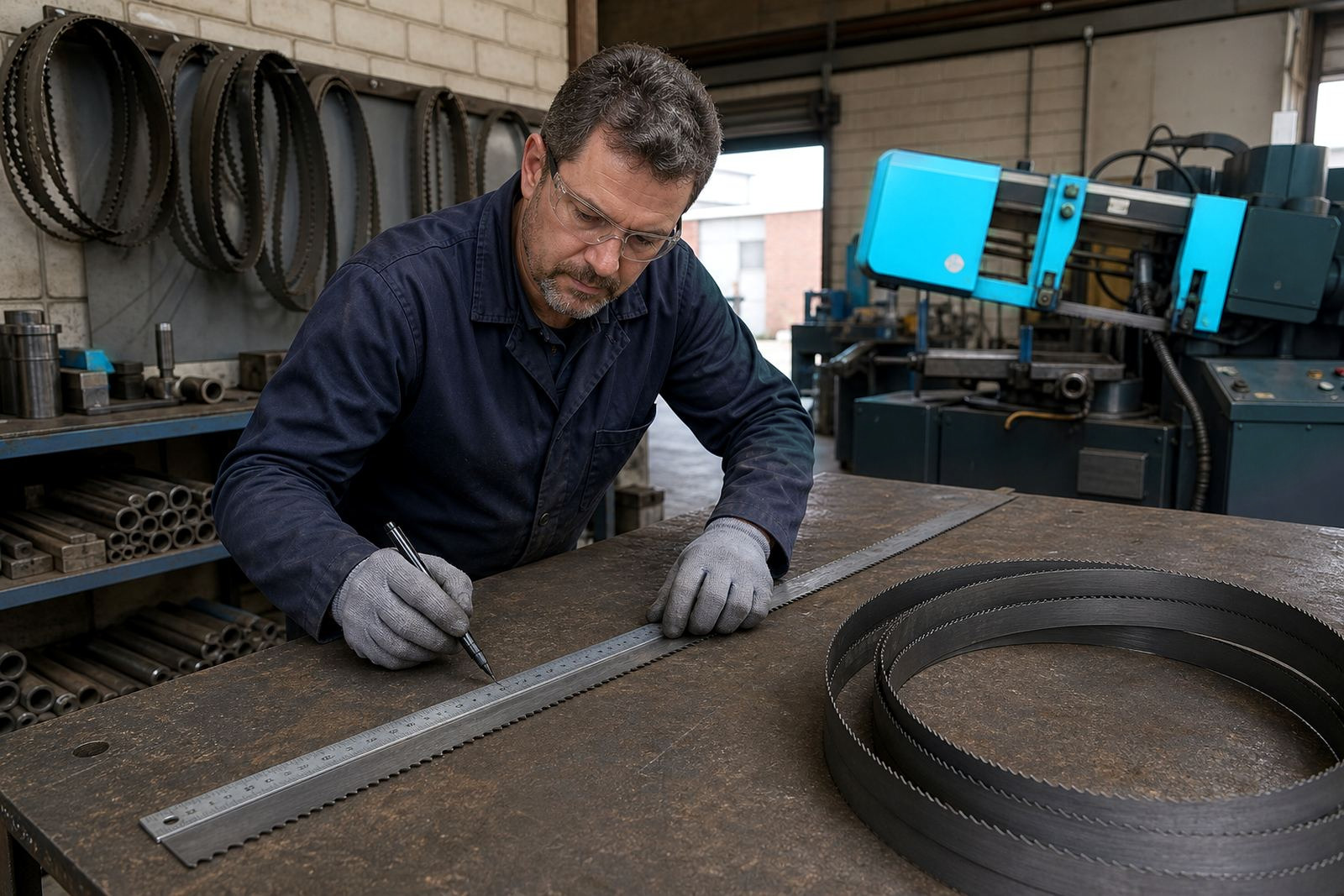
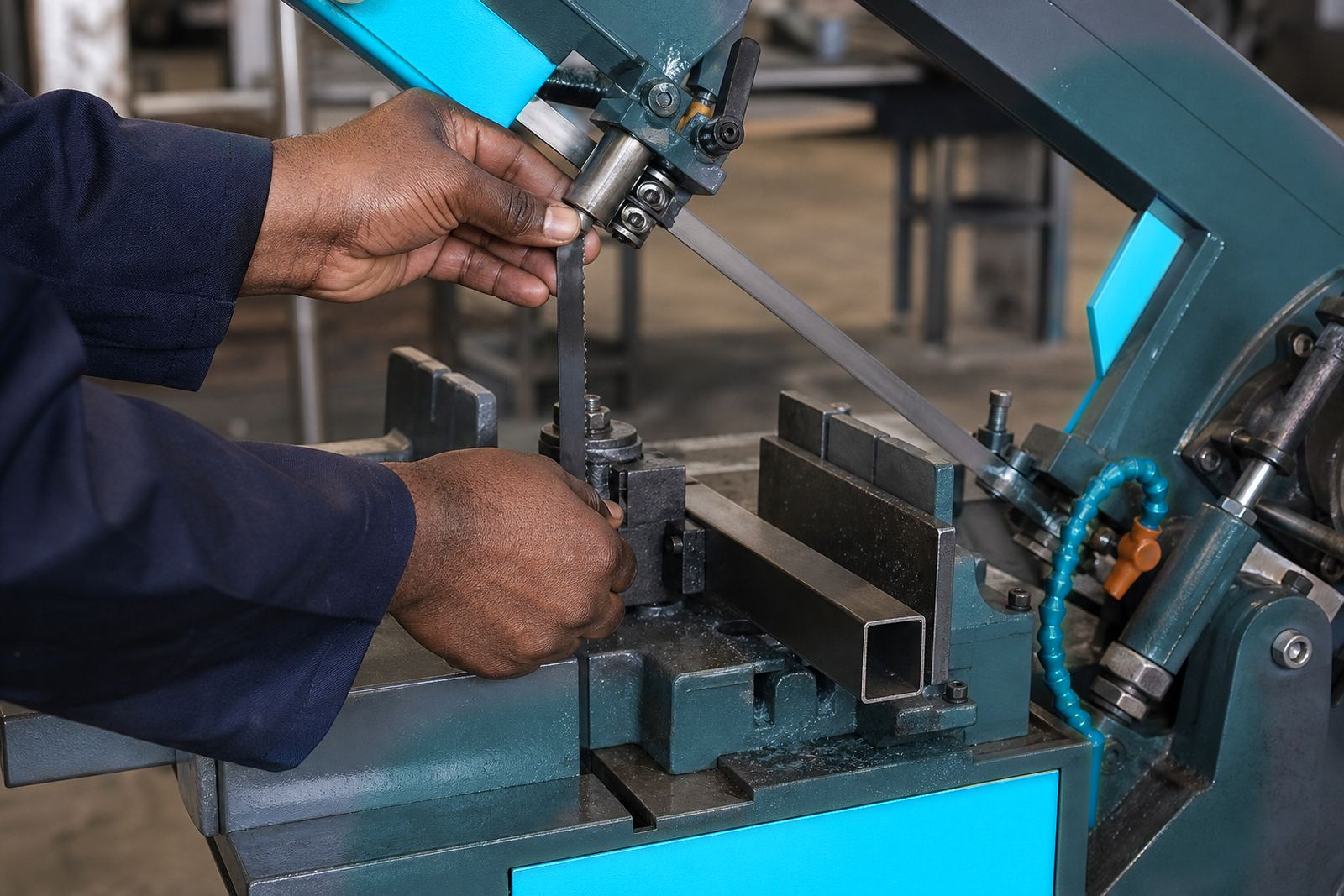
A run-in pack still needs the right fit on the machine. Blade length must match the saw's wheel path or hacksaw frame length, and the weld should run smooth through the guides without a hard spot or twist. If the blade is too tight or too loose, the first cut can tell on the teeth fast.
Set the feed low for the opening cuts, then work up once the blade has settled. Speed needs to suit the material and the blade type, and coolant helps where the cut is hot, sticky or long. On stainless and heavier sections, poor coolant control can leave the teeth running too hot and shortens useful blade life.
- Check blade length, width and thickness against the saw
- Confirm guide setting and wheel tracking before cutting
- Use lower feed on the first few cuts
- Match coolant checks to the material and cutting pace
Care Between the Pack and the Next Job
Good care starts after the first run-in cuts, not when the blade is already tired. Keep swarf clear, clean the guides and watch for signs of tooth wear, chipped set or heat tint along the back of the blade. If the blade begins to pull off line, the feed, pitch or wheel alignment may need another look.
On workshops that cut across different jobs, stock standardisation helps too. A clear blade list by size and TPI makes it easier to keep the right pack on hand, instead of stretching one blade across work it was never meant for. That saves time and avoids needless blade swaps.
- Brush off swarf before storage or refit
- Store blades flat or hung in a way that avoids kinks
- Mark the material range for each blade pack
- Review blade failure patterns where teeth chip early
Details to Confirm When Ordering
For a run-in blade pack, the main details are practical: saw type, blade length, blade width, thickness, tooth pitch, material being cut and whether the work is production, manual or mixed. If the blade needs to be welded to length, that detail should be clear from the start so the pack suits the machine properly.
Note whether the saw handles small sections in the morning and heavy bar later on. That affects the tooth choice and whether a variable pitch blade is the better fit.
- Saw type and blade length requirement
- Material type and wall thickness or section size
- Preferred TPI or the size range being cut
- Need for weld-to-length, starter kit planning or machine fit check
Key facts
| Blade types | Bi-metal M42 and carbon steel |
|---|---|
| Tooth pitch | Common TPI options with variable pitch where suitable |
| Blade width | Matched to saw frame, guides and cut profile |
| Blade thickness | Selected for stiffness, tracking and job mix |
| Fitment options | Standard lengths or weld-to-length service |
| Support included | Run-in guidance, feed speed advice and coolant checks |