
When one cut line meets more than one thickness
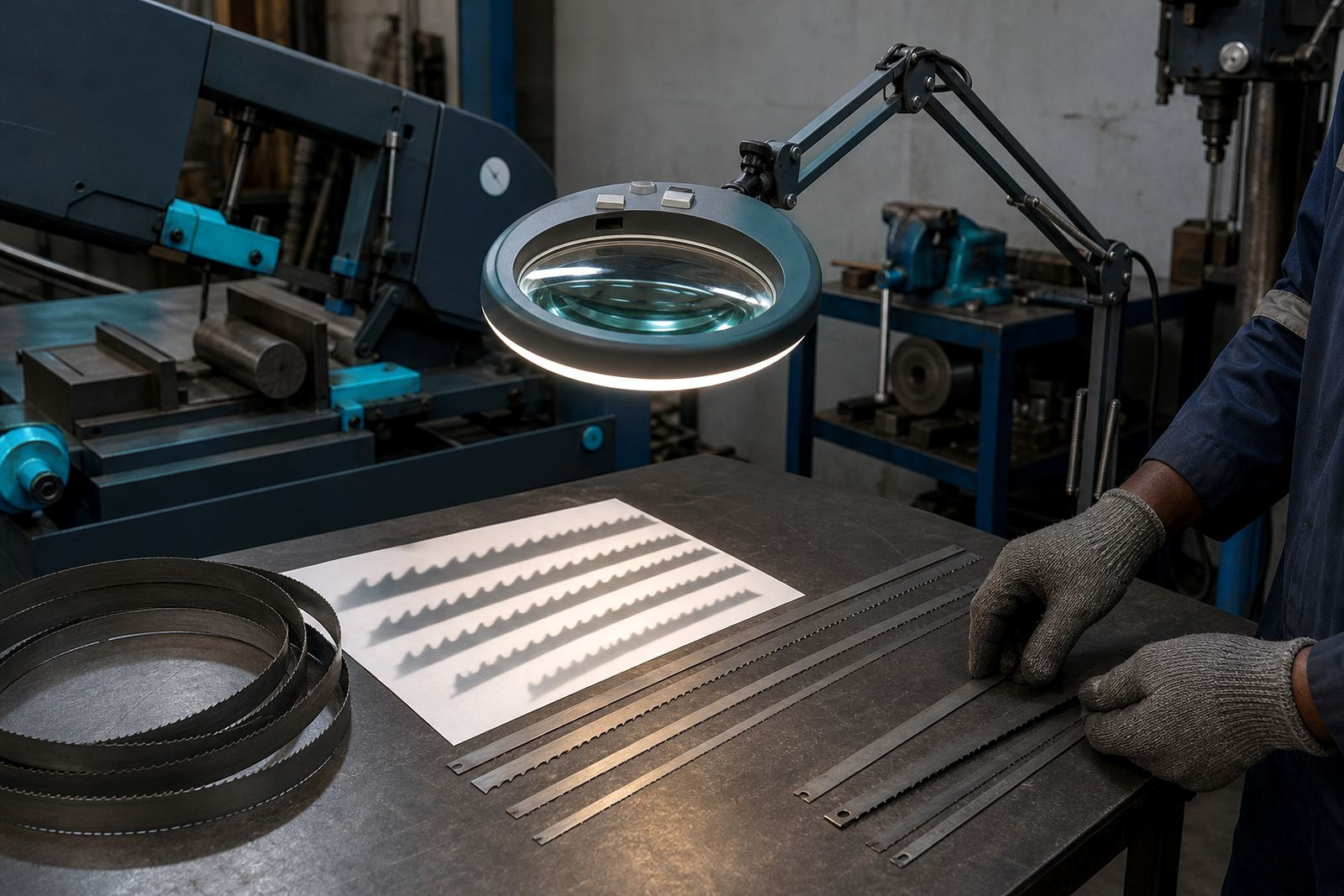
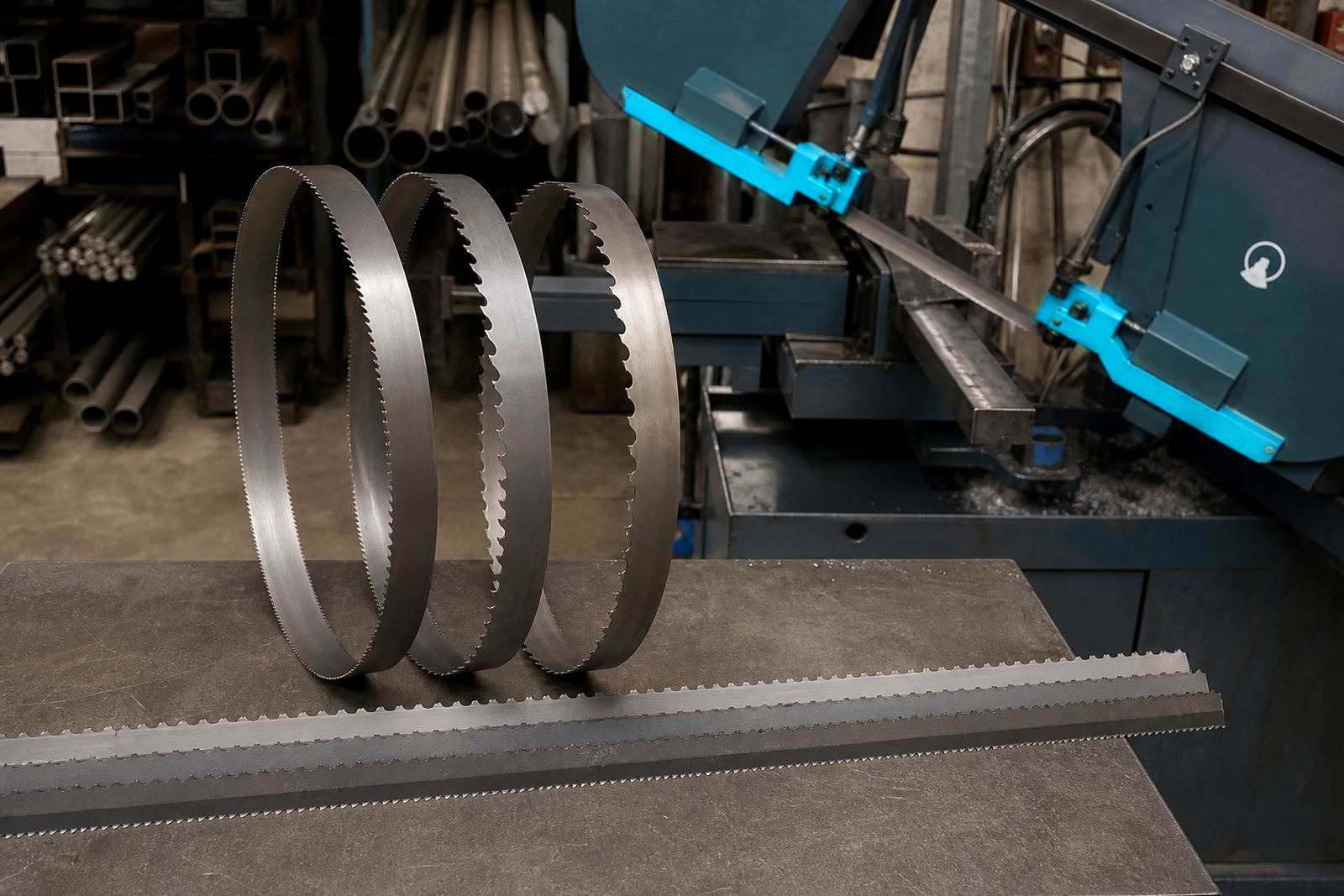
Variable pitch blades are made for work where the section changes, the wall thickness shifts, or the bundle is uneven. Instead of a steady tooth pattern, the spacing between teeth changes along the blade, which helps break up the rhythm that can set up chatter.
Hollow sections, mixed offcuts and bar that moves from light to heavy contact in the same stroke all need the same setting. A fixed pitch blade can still do the job, but the blade may sing or vibrate when the tooth rhythm matches the machine and the material in an unhelpful way.
- Useful on mixed section sizes
- Helps on vibration-prone jobs
- Can reduce chatter on long cuts
- Often suits general workshop work
How the pitch change affects the cut
On a variable pitch blade, the changing tooth spacing interrupts harmonic vibration. That can improve cut stability, especially when the machine frame, vice setup or workpiece length gives the cut a chance to shake. The effect is practical, not magical, and it still depends on correct feed and speed.
Tooth pitch still has to match the material thickness. Too coarse and fewer teeth are carrying the load, which can leave a rough face or tooth damage. Too fine and the gullets pack up, which heats the blade and slows the cut.
- Choose pitch for the lightest section in the bundle
- Keep enough teeth engaged at once
- Watch chip shape and colour
- Back off feed if the blade starts to labour
Where variable pitch earns its keep in Alberton
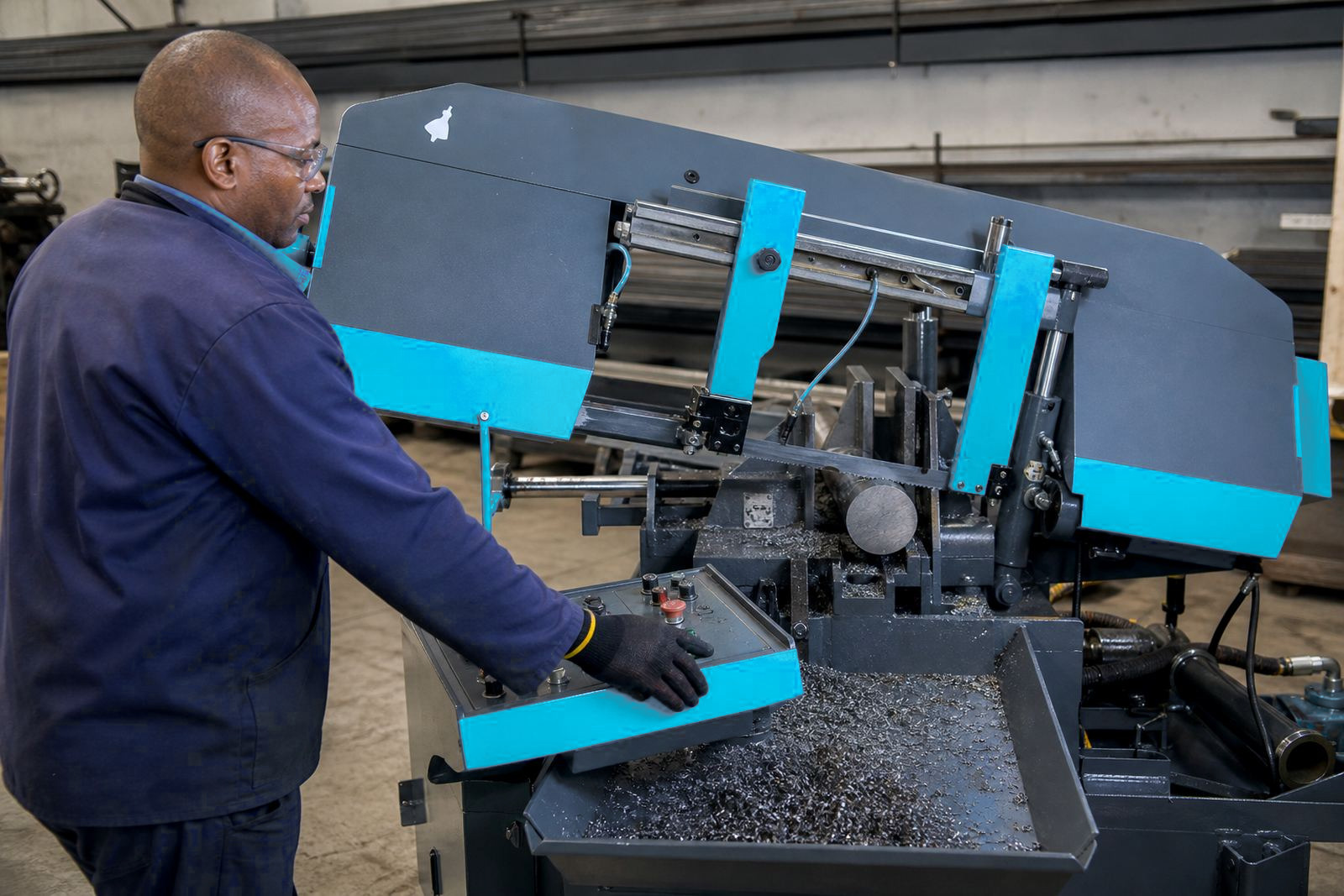
In Alrode, a fabricator may cut square tube in the morning, then solid bar and angle iron before lunch. That mix is exactly where variable pitch blades often make sense. The same blade can handle a wider spread of section sizes without feeling as nervous as a single fixed pitch choice on a bad day.
For a workshop sending material to Johannesburg, Pretoria, Durban or Cape Town, the value is consistency. If the jobs vary and the saw operator changes through the week, a variable pitch blade can be a practical middle ground, though it still needs the correct width, thickness and set for the machine.
Our team at MoreCut Saws often looks at the machine type, clamping, blade length and the material mix before recommending the pitch pattern. Sibusiso Dawood, Anika Nortje and Pieter Moonsamy deal with these questions every day in the blade room and workshop, because the wrong tooth pattern shows up fast in the cut.
The other settings that have to line up
Pitch is one element of the blade setup. Blade width and thickness affect tracking and rigidity, while the set affects how much clearance the blade has in the cut. Run in a fresh blade with a lighter start, because the tooth edge should settle before full feed is used.
Coolant also has a role, especially on tougher steels and longer cuts. Proper flow carries heat away, clears swarf and can extend tooth life when the machine and operator keep it right. Feed and speed still need to match the material and the job.
- Choose the blade width to suit the machine and job
- Check set and kerf clearance
- Start with a sensible run-in
- Keep coolant flow even on longer cuts
A local example from mixed stock in a fabrication bay
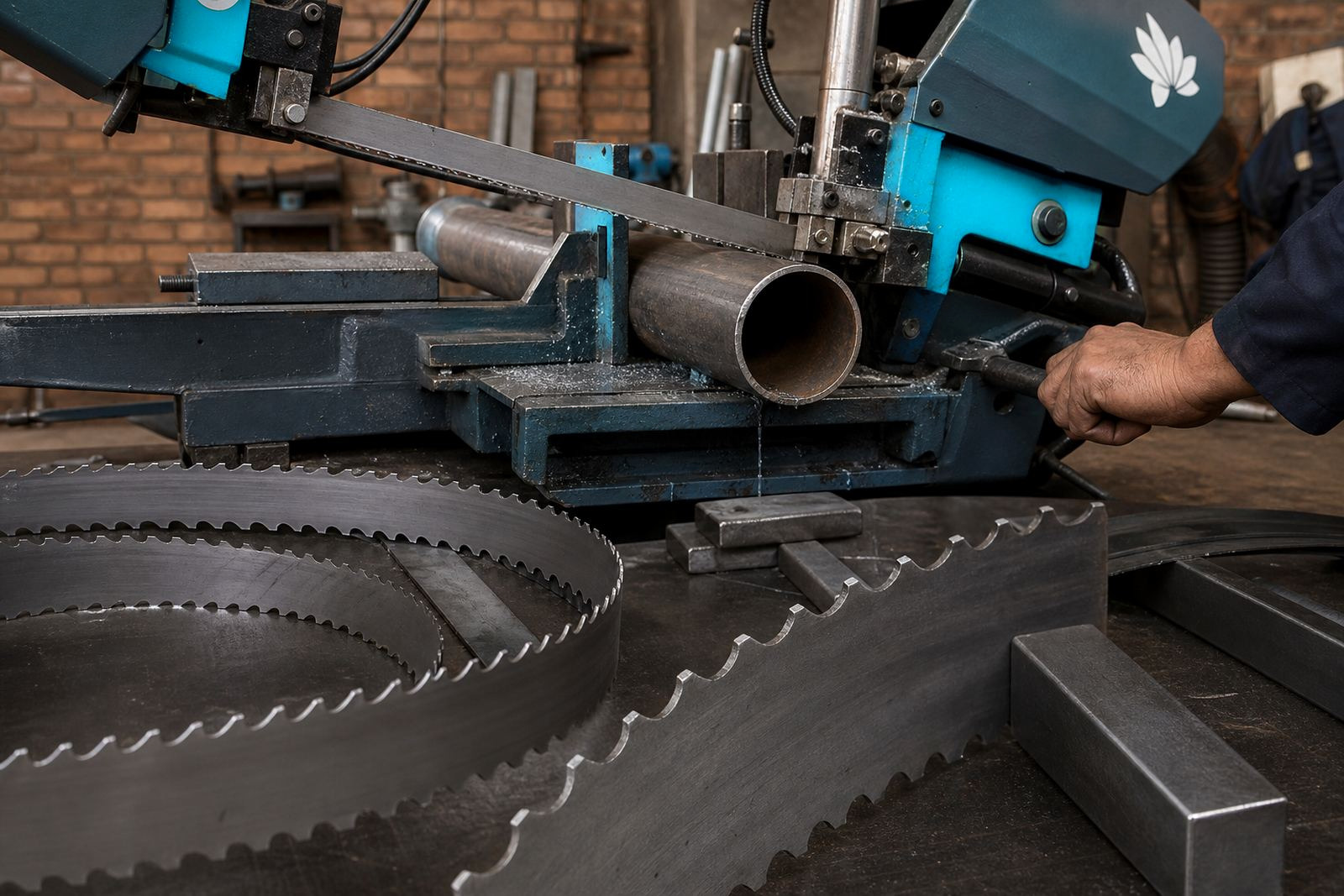
Picture a fabrication bay in Germiston cutting 40 mm solid round, then 80 x 40 RHS, then a stack of smaller offcuts for assembly. A constant pitch blade may cut the round cleanly but complain on the thin wall, or do the opposite. A variable pitch blade can keep the machine calmer across that spread of work.
If the operator notices squeal, wandering or a shiny rubbed strip on the teeth, the answer is often a pitch rethink, a check on vice clamping, or a small change in speed. Blade failure review can show whether the issue sits with tooth spacing, feed pressure or machine fit.
When a starter kit makes sense
Starter kits suit a workshop moving from one-off buying to a repeatable blade plan. For smaller teams, a kit can pair a variable pitch option with a more specific blade for heavier section work, so the saw operator is not forced to use one blade for everything.
MoreCut Saws also supports weld-to-length service, length verification and machine fit check work for workshops that need blades made to suit the saw in front of them. For users in Cape Town, Vereeniging, Pretoria or Durban, that can simplify stock keeping and reduce the chance of the wrong length sitting on the shelf.
- Choose the blade set for the machines being used
- Keep spare blades for common sections
- Standardise where the work pattern allows it
- Keep manual saw support in mind for odd jobs
The short version for busy workshops
Variable pitch is worth considering when your cuts vary in size, the machine has a habit of chattering, or the job mix changes through the week. It can take the edge off vibration and make the saw behave in a steadier way.
If the material, pitch, width and speed all line up, the blade usually feels less fussy and the cut face needs less cleaning up. A steadier job from first tooth to last.