What happens in the first few millimetres
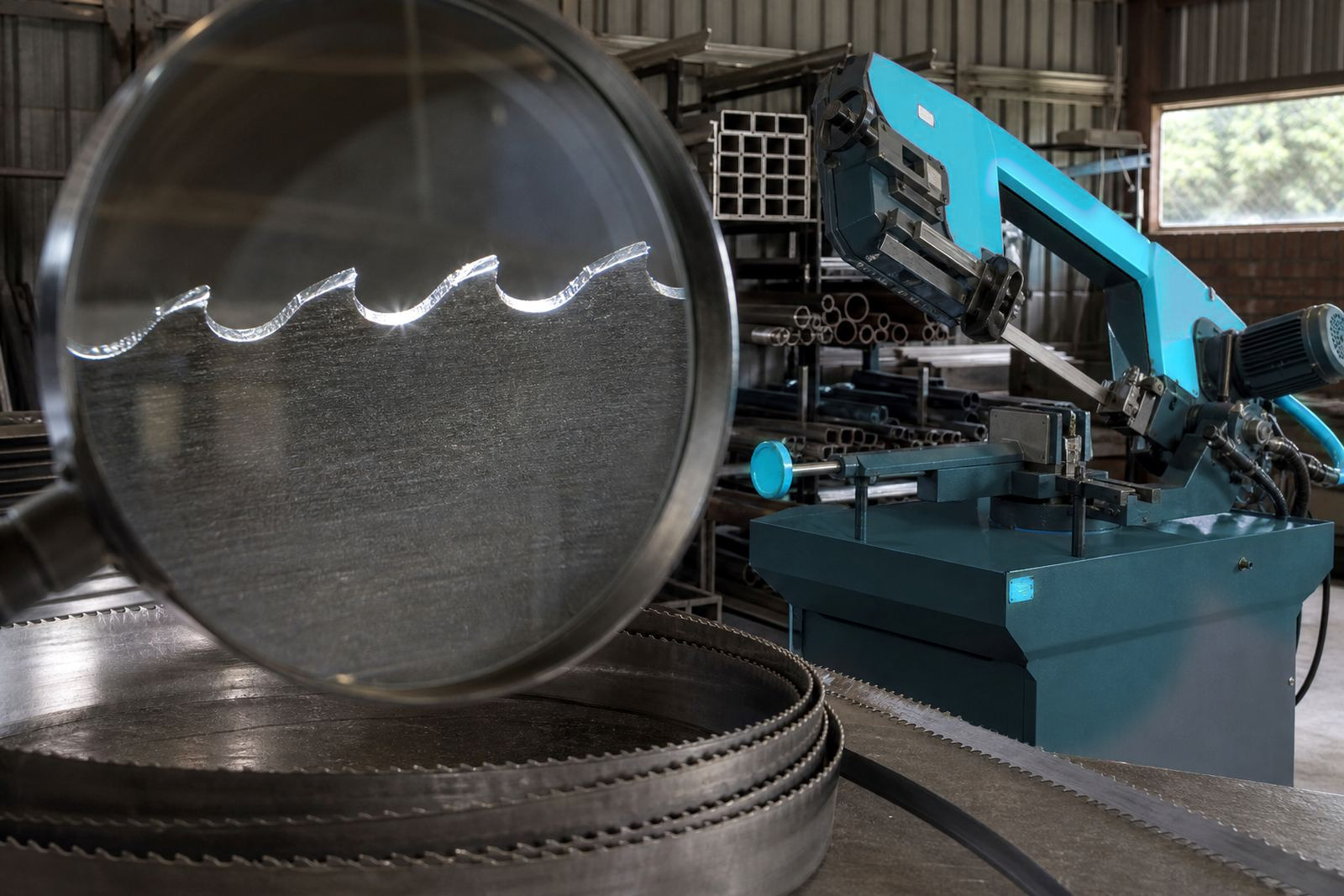
When a bandsaw blade or hacksaw blade meets the workpiece, the first teeth to touch carry most of the stress. If the entry is too aggressive, those teeth bite before the kerf is fully formed and the blade starts to chatter. That sound is usually the workshop warning sign, and it is worth listening to.
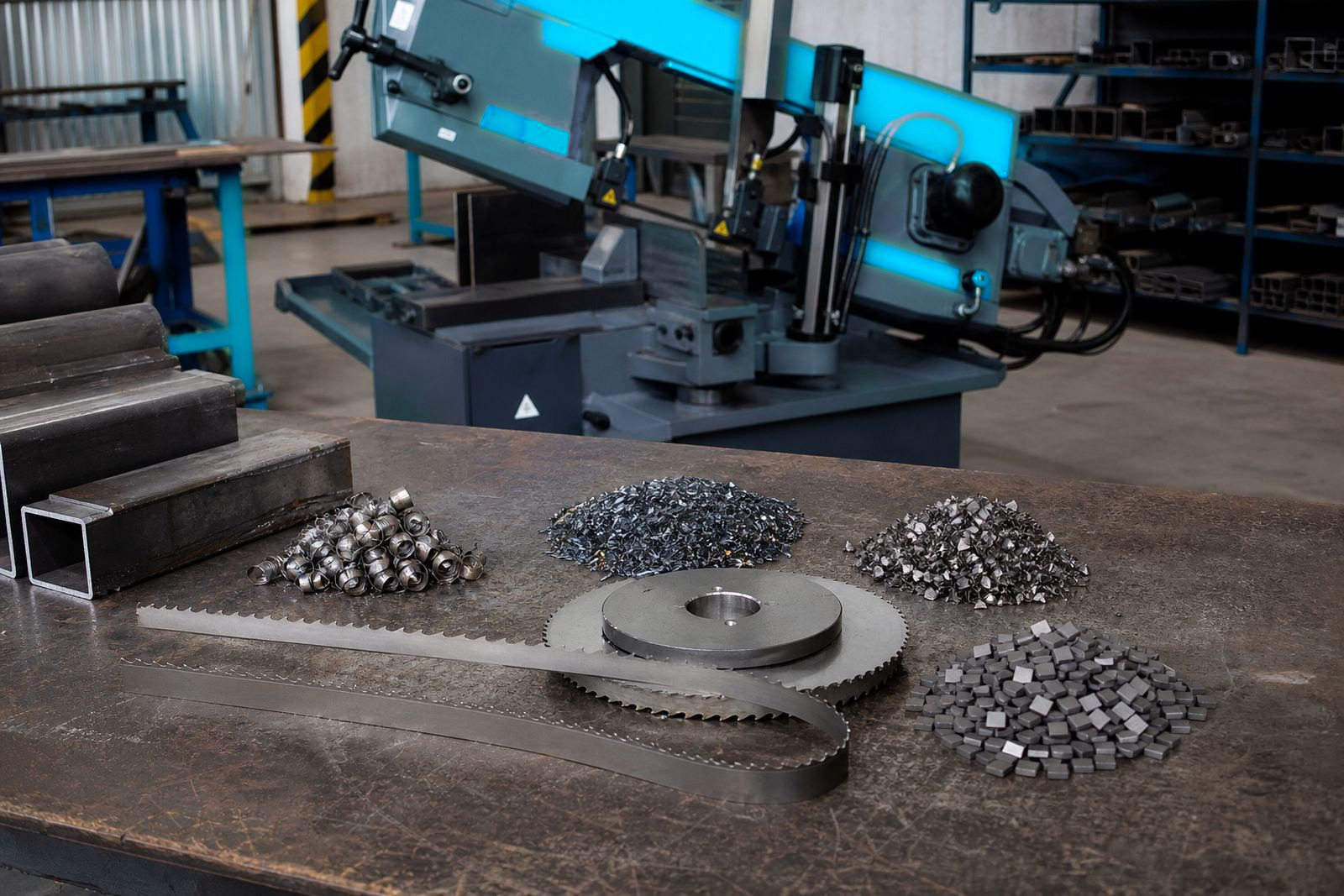
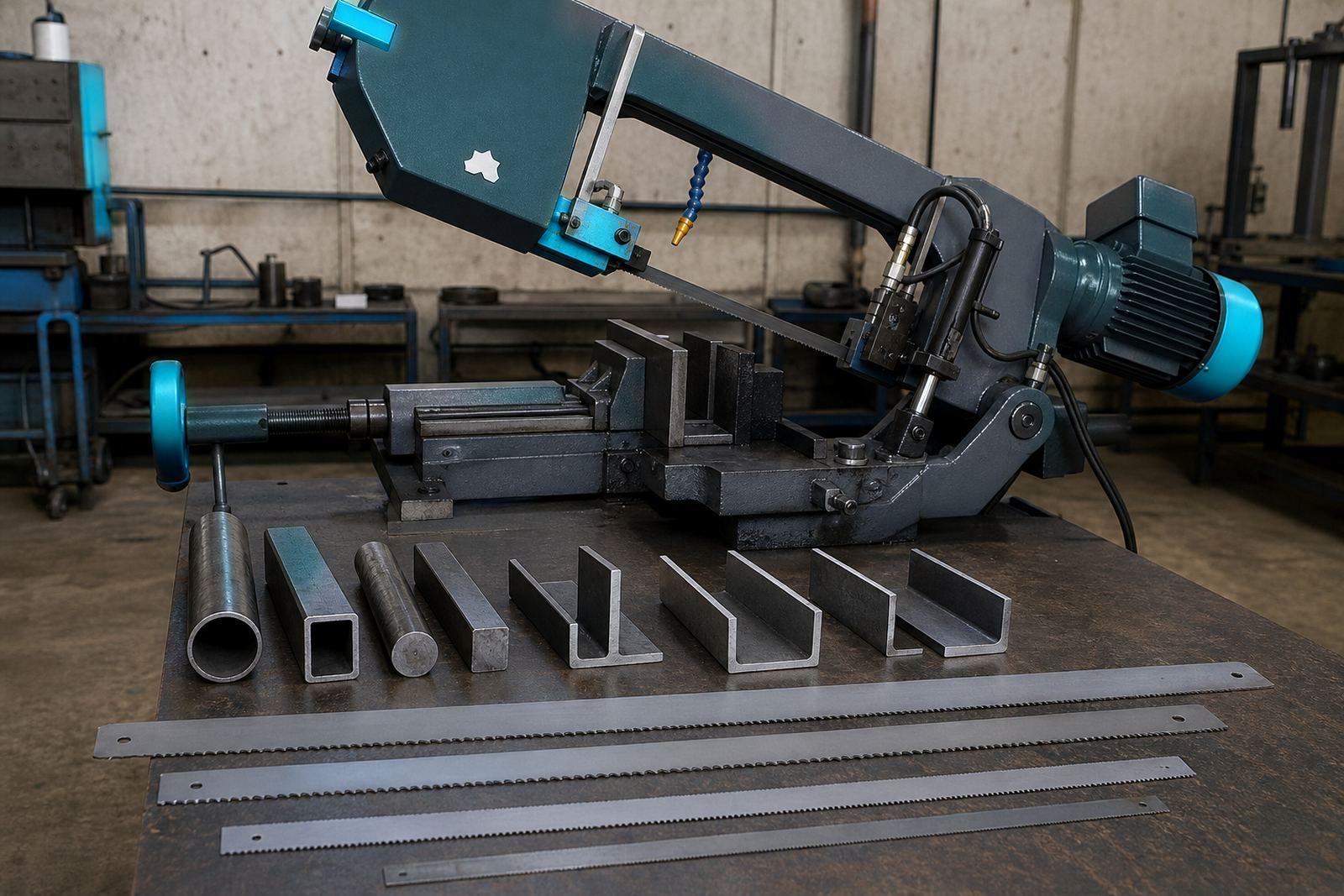
On structural steel, solid bar, tube, and mixed offcuts, the entry angle can change how quickly the tooth gullets fill. A clean start gives the chip a place to go. A poor start pushes the tooth into rubbing, which builds heat and shortens blade life faster than many shops expect.
Angle, tooth pitch and blade width work together
Entry angle works with tooth pitch, blade width, blade thickness, and tooth set to shape what happens at the start of the cut. A fine pitch blade on light section may enter smoothly, but the same blade on heavy wall material can pack chips and complain early. Variable pitch blades help in mixed section work because the teeth do not all arrive at the same rhythm.
- Fine tooth pitch suits thinner material and smaller cross sections.
- Coarser pitch clears chips better on heavier sections.
- Wider blades track better on larger saws and straighter cuts.
- Narrower blades suit tighter curves and lighter manual saw work.
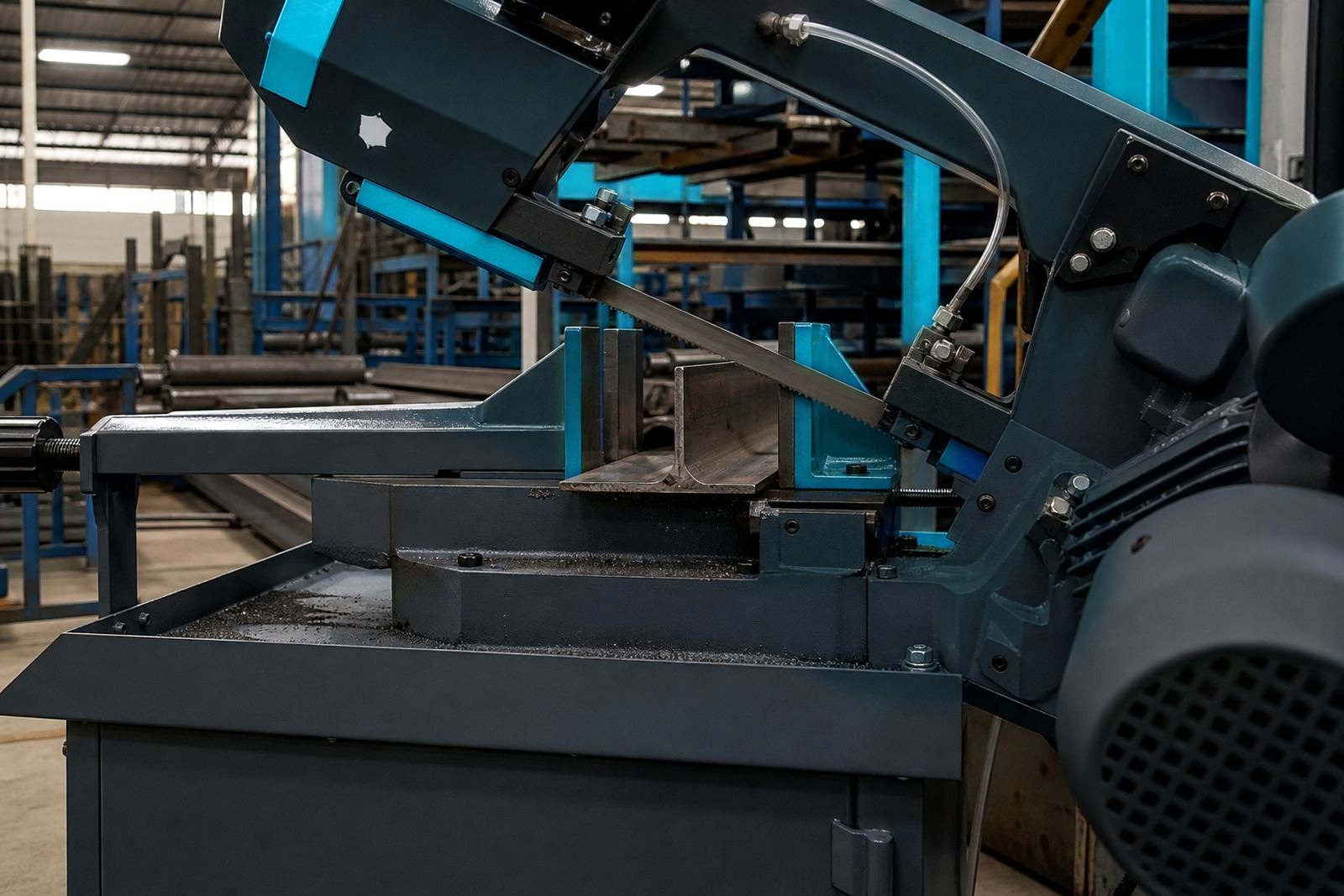
In practice, the first tooth should make a clean cut. If the angle of entry forces the blade to skim before it digs in, the gullet fills unevenly and the cut starts to wander.
Why vibration shows up so early
Vibration usually begins at the entry point before it can be seen along the full blade length. A tooth that strikes hard against the workface can bounce instead of slicing. That bounce sends a small shock through the band, and the next teeth copy the same movement. Rougher finishes, extra noise, and a blade that feels tired too soon can follow.
Workholding comes in here. If the bundle or section is not secure, the entry tooth meets movement as well as metal. Even a small twist in a clamped tube can alter the angle enough to upset the cut. On manual saws, steady feed helps, but the operator still needs to let the blade enter without forcing it.
Run-in is a necessary step
Proper run-in lets new blades settle at the tooth tips before full production load. That is especially true on bi-metal M42 blades, where the teeth are designed for hard wear but still need a sensible start. A gentle feed at the beginning helps the edge form evenly and keeps the first contact from taking the full punishment.
Run-in is also useful after blade welding, because the weld area can react differently to tension and heat than the rest of the blade. A careful start gives the joint and the tooth line time to stabilise. Skip that stage and the first cut may be doing too much work for the blade to survive comfortably.
Feed, speed and coolant at the point of contact
Feed and speed need to suit the material, but the entry angle changes how those settings behave. If the blade enters at the wrong angle, an otherwise fair feed rate can still overload the leading teeth. Too much speed on the start of the cut makes the heat rise before the chips are moving properly. That is when blueing, tooth wear, and rough chip flow begin to show.
Coolant helps more than many shops admit. It carries heat away from the teeth and reduces friction at the start of the cut. A steady coolant check is useful on production saws and on manual saw support work too, especially where long runs of mild steel, tool steel, or solid sections are common.
- Reduce feed at first contact, then build steadily.
- Keep speed matched to the material and pitch.
- Check coolant flow when the cut starts to sing.
- Watch chip shape, because it shows the tooth is working.
A Alberton job that showed the difference
At our Alrode, Alberton base, a workshop cutting mixed mild steel sections saw repeated tooth breakage near the start of the cut. The blade was causing trouble too. The work was clamped well enough, but the entry angle was steep and the first teeth were striking hard before the kerf could open.
After a machine fit check, tooth pitch selection, and a blade width review, the setup moved to a blade with a better match for the section size. The team also adjusted the feed and checked the run-in routine. The next cuts entered more cleanly, with less chatter and a better chip shape. In a busy shop, that change saves time, especially where blades are used on repeated batches of stock.
What to look at before the next cut
If entry angle keeps causing trouble, it helps to look at the whole cutting setup instead of blaming the blade alone. A small correction at the start can protect the rest of the cut and reduce waste. MoreCut Saws supports workshops with blade failure review, blade selection help, and weld-to-length service for bandsaw blades and hacksaw blades across Johannesburg, Vereeniging, Pretoria, Durban, Cape Town, Germiston, and Boksburg.
- Check whether the blade is entering square to the workface.
- Match pitch to section size and material type.
- Confirm blade width and thickness suit the machine.
- Use the first cut to read vibration, heat, and chip flow.
When the leading tip enters cleanly, the whole saw runs under less strain. That is usually where longer blade life begins.