When a bundle behaves like separate cuts
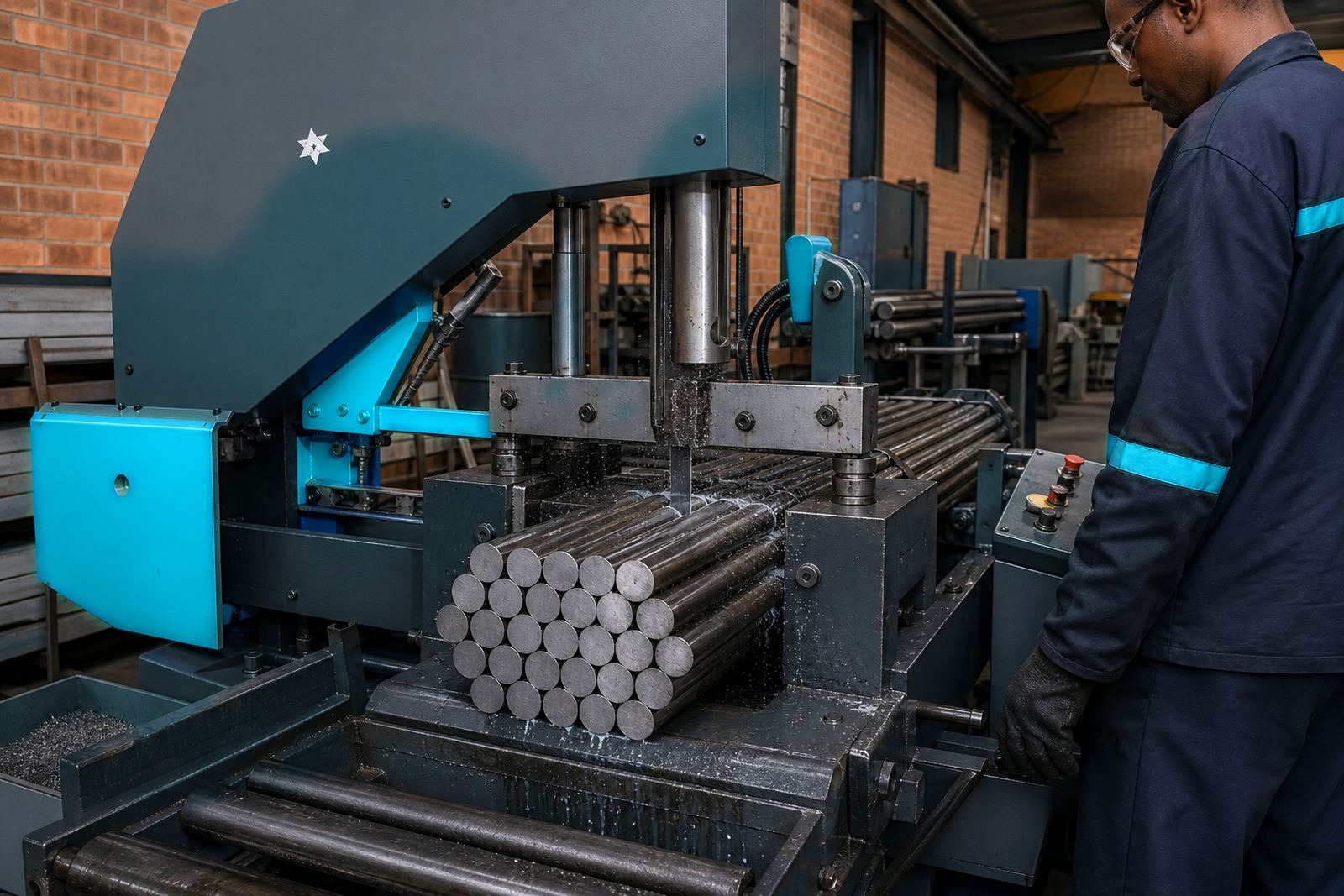
A tight bundle can still move one piece at a time under the teeth, so the blade sees gaps, vibration and sudden load changes. That is where tooth pitch and the way the bundle is strapped or clamped start to change the result. For smaller sections, a variable pitch blade often helps reduce chatter, while a more open pitch can clear chips better on thicker packs.
In Alrode and the wider Gauteng area, bundle cutting is often used for repeat parts, small brackets and short stock lengths. Each cut has to get through the pack and leave the face square enough for the next operation. A blade that is too fine can pack with chips and rub, while one that is too coarse may hook into thin wall material and leave ragged edges.
- Use a pitch that keeps at least 3 teeth in the cut on thin sections.
- Keep the bundle ends flush where possible, so one section does not strike early.
- Check that the machine guides are set correctly before starting the pack.
Blade choices for mixed small sections
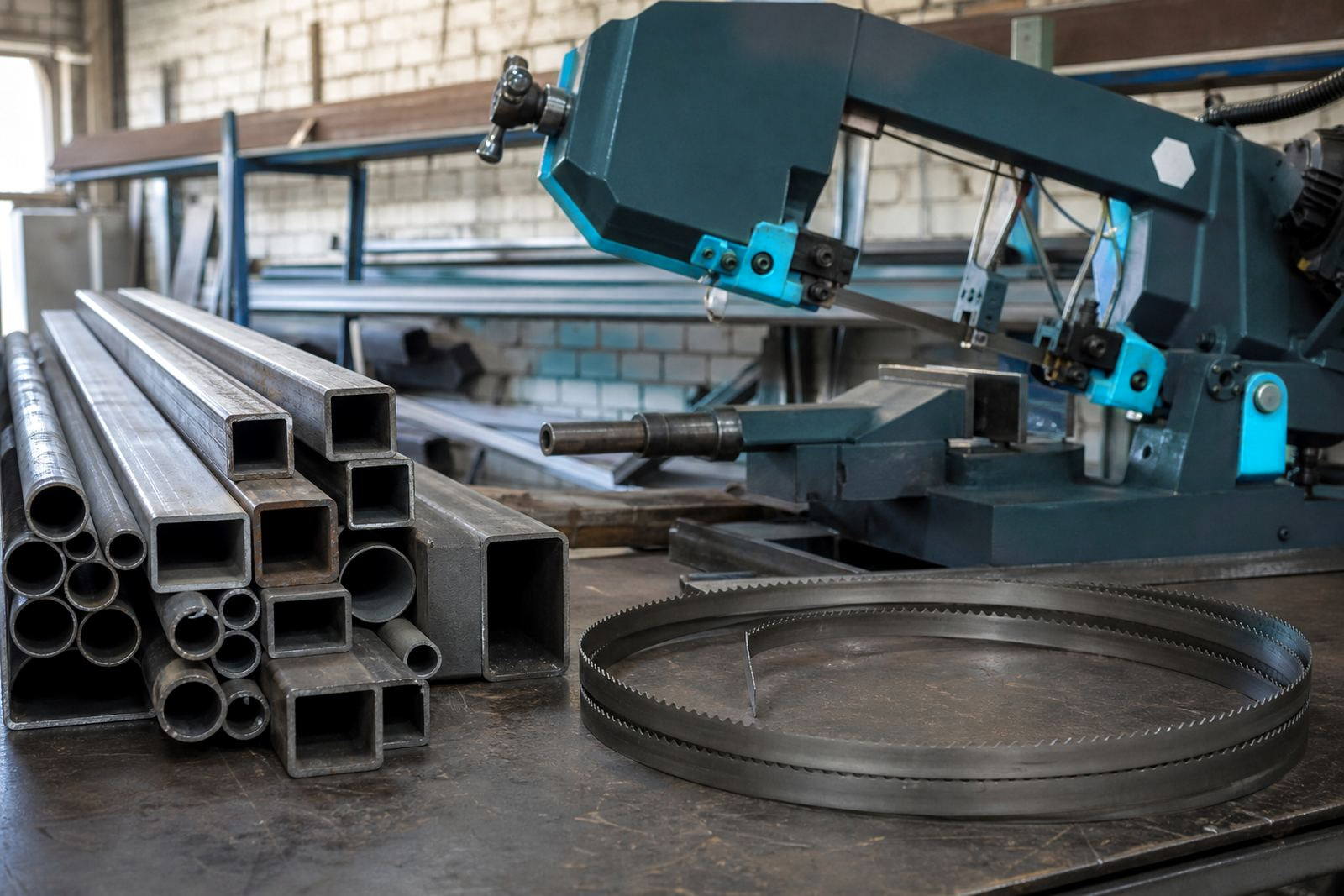
For bundle work, bi-metal M42 blades are common because they hold an edge well on steel packs that include hard spots, scale or mild surface rust. Carbon steel blades still have their place on lighter manual saw work and softer material, especially where the bundle is not large and the operator wants a lower entry cost. Blade thickness and width both affect how steady the cut stays. A wider blade usually tracks better on heavier machines, while a narrower blade can suit smaller manual saws with tighter wheels.
Tooth pitch is one part of the picture. Set, tooth form and the run-in on a fresh blade all influence how long the teeth stay useful. If the saw runs too fast or the feed is too heavy, the set wears unevenly and the blade starts to wander. Bundle cutting also needs coolant, because chips can pack between the teeth and the bundle can heat up quicker than a single section.
- Bi-metal blades suit repeated bundle work where the stock changes during the week.
- Carbon steel suits lighter duty saws and shorter runs on softer sections.
- Variable pitch can reduce vibration on mixed profile bundles.
- Coolant helps clear chips and keeps the bundle cut more even.
Clamping, packing and bundle layout
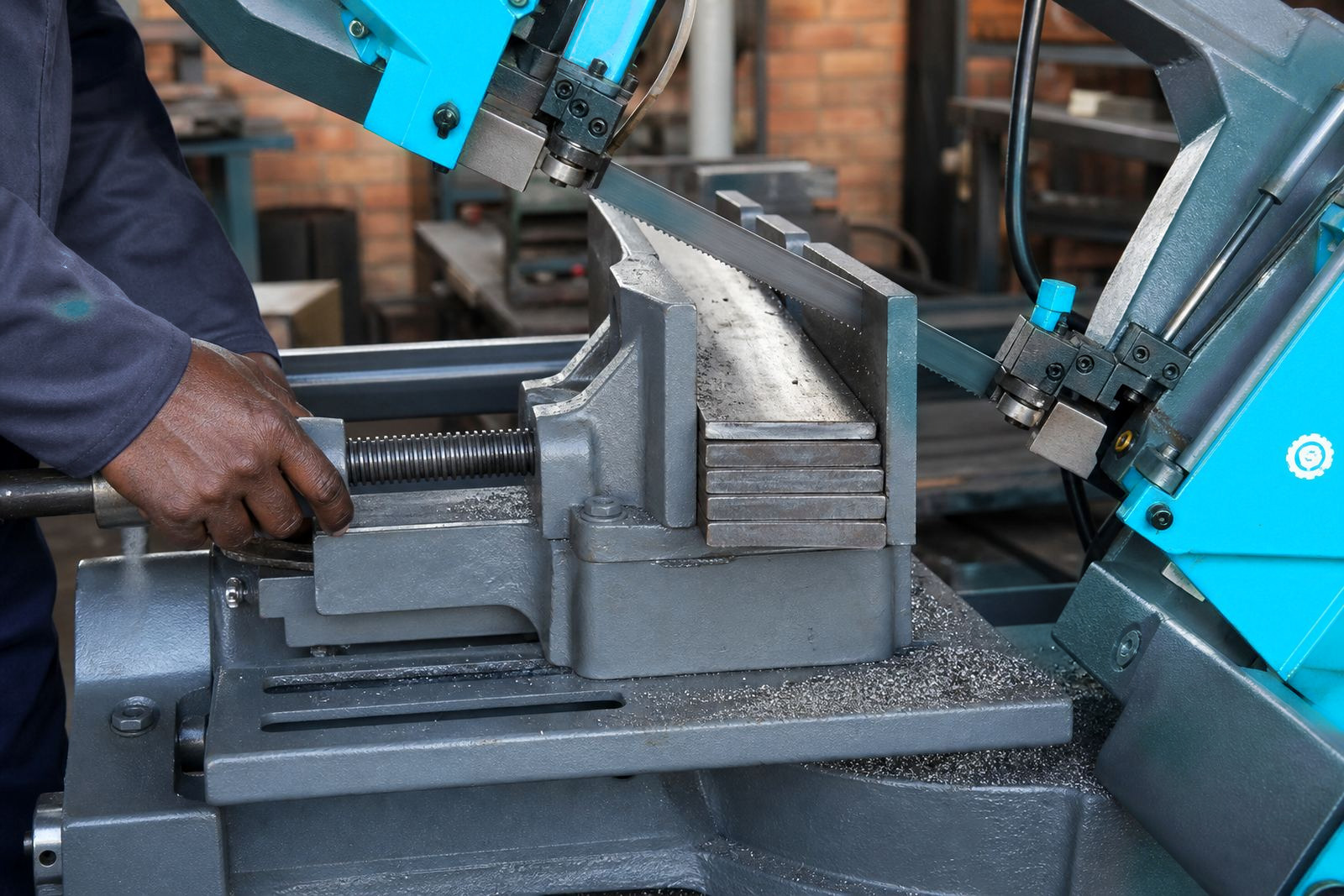
The bundle should sit flat on the machine bed, with the clamp close enough to stop lift but not so tight that thin wall sections distort. For square tube, angle iron and flat bar together, the easiest layout is the one that keeps the most stable faces against the fence and clamp shoe. If the pack is loose, the blade starts to lift material instead of cutting it. That creates a rough cut and can bend the top pieces out of line.
Bundled stock should be aligned so the blade does not enter a hollow section first unless that is unavoidable. A hollow section can catch the tooth tips and change the cut load in a few seconds. When the pack is tall, support the free end properly so the bundle does not dip as the cut opens. Small mistakes in layout become bigger once the saw reaches mid-cut and the load shifts.
- Keep the bundle square and strapped tightly before loading it.
- Use supports at both ends for longer packs.
- Place mixed profiles so the cut starts on the most stable face.
Feed pressure, speed and the first cuts on a new blade
Bundle cutting is often won or lost in the first few cuts. A new blade needs a proper run-in so the teeth edge wears in evenly instead of chipping early. Feed should start lighter than the final working setting, then increase once the blade is tracking cleanly. On thin sections, too much feed forces the teeth to bite and snatch, while on heavier bundles the opposite problem shows up as polishing and heat.
Speed and feed should match the material in the bundle, as well as the biggest piece in it. A pack of small angle iron may need a calmer setting than a single solid bar of the same width. If the machine is labouring, the blade may be wrong for the tooth pitch or the section count. If the chips come off very fine and hot, the feed is usually too light or the speed too high.
- Start the run-in gently on a new bi-metal blade.
- Reduce speed if the teeth are glowing or the cut drifts.
- Increase feed only after the blade has settled into the cut.
Common bundle-cut faults that waste blades
Most bad bundle cuts come from the same few errors. The bundle may not be clamped evenly, the pitch may be too fine for the section size, or the operator may push feed when the blade needs steadier pressure. Another common issue is letting one thin piece move inside the pack. That can leave a hooked tooth pattern on one side and a crushed edge on the other.
Coolant checks are worth doing before a long batch, especially on tighter pitches where chip packing is more likely. If coolant is weak or poorly aimed, the gullets fill and the blade runs hot. Check length as well when the same bundle is being cut into repeated pieces. Once the first stop setting is off, the rest of the batch carries that error.
- Watch for tooth stripping at the start of the cut.
- Look for discoloured chips, which point to heat and friction.
- Check bundle movement if one side of the cut is rougher than the other.
Planning a repeat bundle job without guesswork
For workshops cutting bundles every week, the useful plan is to standardise blade width, thickness and pitch by material family. You can keep stock under better control and do fewer trial cuts. Starter kit planning can help a smaller shop get the basics right for manual saw support and light machine work, while a more active fabrication floor may need welded-to-length blades matched to different saw frames. Length verification and machine fit check are part of that setup, because a blade that is slightly off length or poorly tensioned will not cut a bundle evenly.
In practical Rand terms, a small manual-saw bundle kit can start in the low hundreds for basic carbon blades and climb from there as blade length, tooth profile and volume increase. Bi-metal bundle sets, welded-to-length blades and better control on feed and coolant push the spend into the higher hundreds or low thousands per blade, depending on size and duty. Workshops that cut many short sections usually find it better to buy for the material mix they actually run, and keep a fixed blade spec for each common section size.
- Keep a fixed blade spec for each common section size.
- Match the pitch to the smallest wall thickness in the bundle.
- Plan stock so repeat cuts do not rely on one general-purpose blade.