A starter mix built around your daily cuts
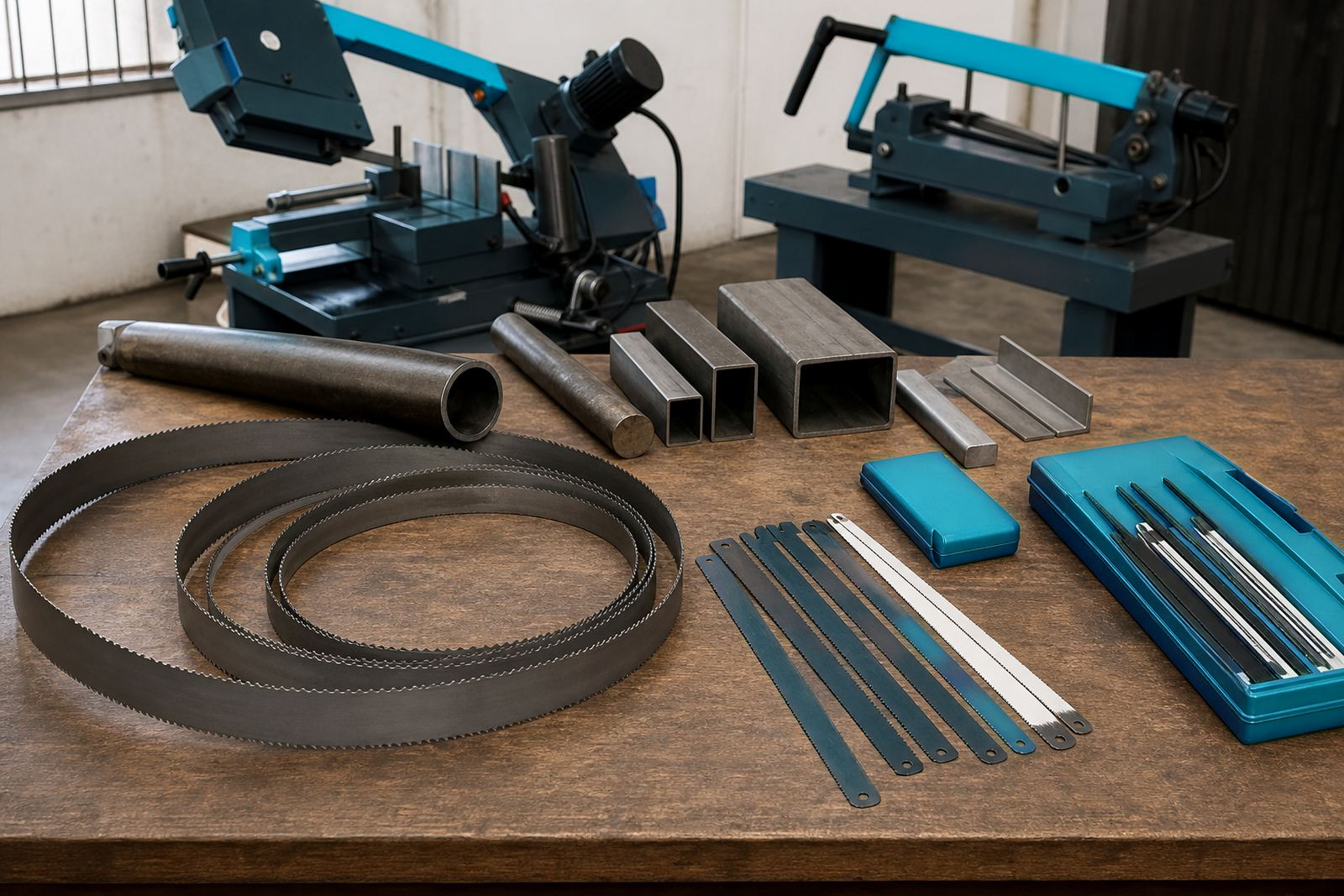
A starter kit includes more than blades. It is a small working set chosen for the metals, section sizes and machines that show up in your shop week after week. We look at mild steel, structural sections, tool room offcuts, stainless or harder material where that is part of the job, then build the mix around those needs.
For bandsaws, that may include bi-metal blades with M42 teeth for general metal cutting, plus carbon steel blades for lighter duty manual work. For hacksaws, the kit often leans toward carbon steel blades in the right tooth pitch for the hand frame or machine. Pitch has to suit the stock, because a blade that is too coarse on thin wall material will snag and chatter, while a very fine pitch on heavy section can pack the gullets and slow the cut.
- Bi-metal blades for mixed workshop use
- Carbon steel blades for lighter duty and manual sawing
- Tooth pitch matched to wall thickness and section size
- Blade width chosen for curve control and straight cutting
What goes into the blade list
We work through the usual cut list and map each job to a blade style. A starter kit can include variable pitch bandsaw blades for materials that vary in cross section, a steadier pitch for repeated cuts, and a narrower blade where tighter radius work or older saws need it. Blade thickness is checked against the machine guides and wheel condition, because an over-heavy blade can track poorly while a very light one may wander under feed.
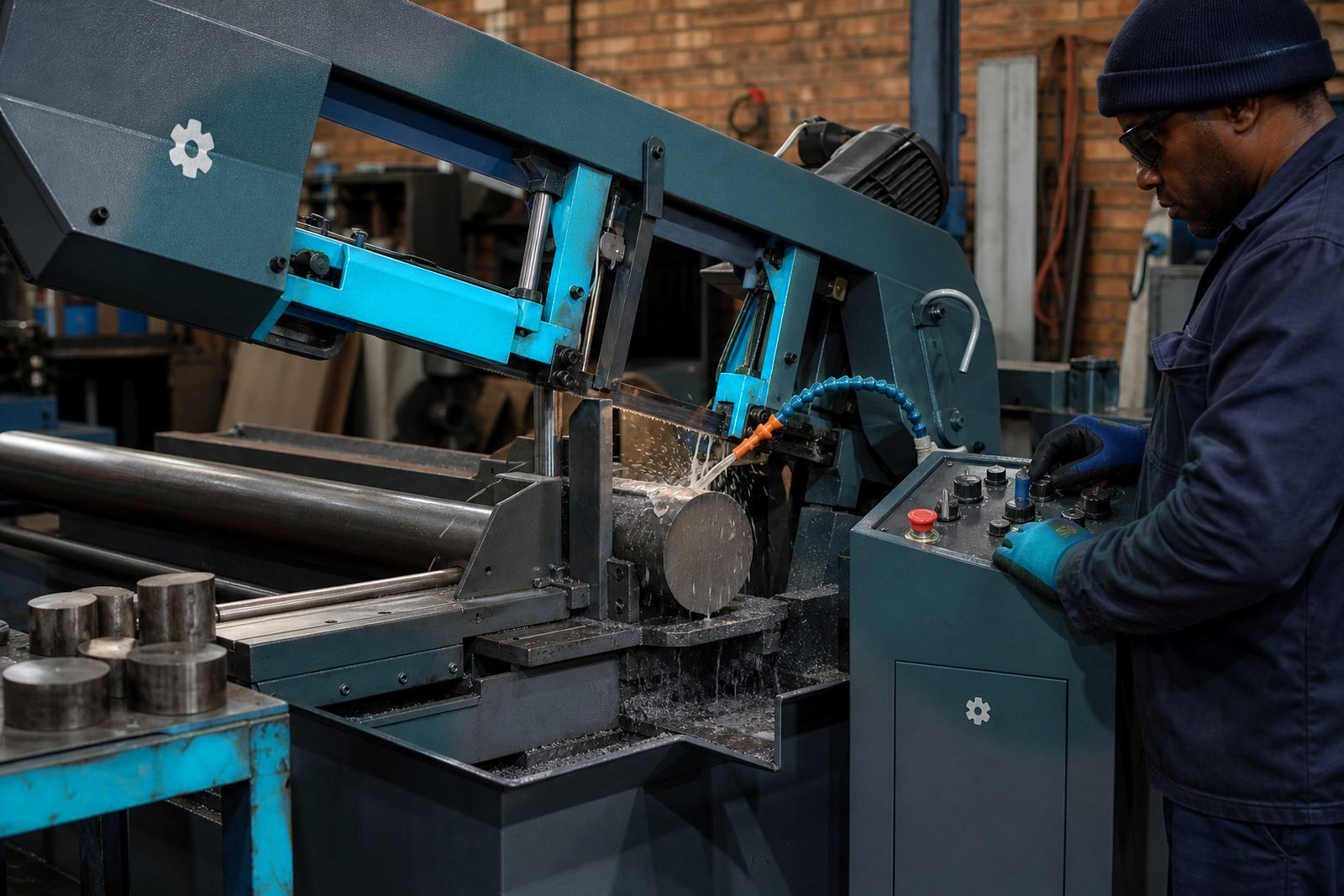
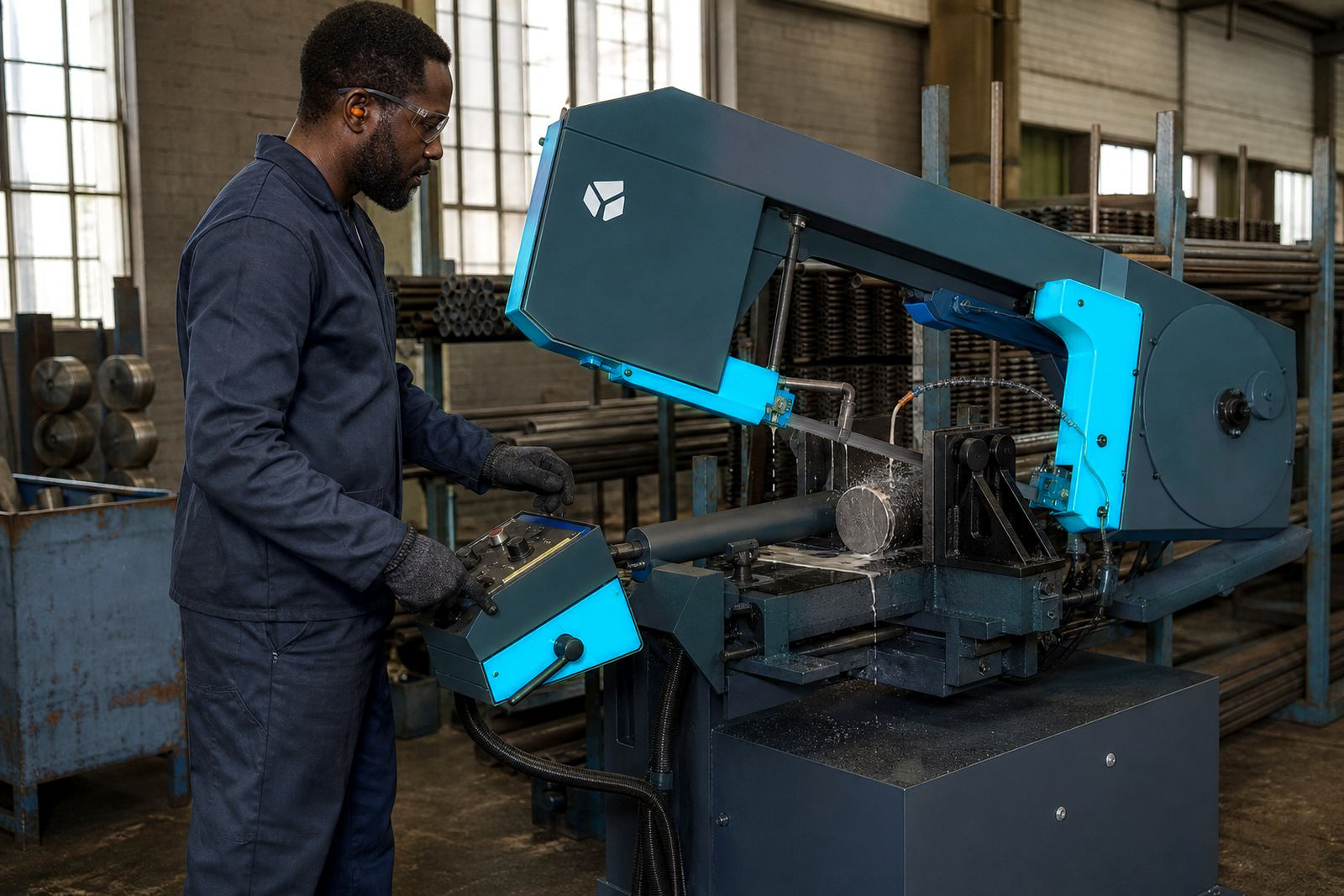
Setup also has its practical side. New bi-metal blades need a run-in, especially on full-depth cuts in harder steels. Feed rate and blade speed have to suit the material, and coolant needs to keep the teeth clean and cool on longer runs. If the workshop is dry cutting by habit, we point out where coolant will improve finish and blade life, and where a lighter feed is safer on older machines.
- Variable pitch for mixed section sizes
- Set and tooth form checked for cut stability
- Blade thickness matched to the machine
- Feed speed and blade speed kept in step with material
The planning steps we follow
The process starts with your normal stock list and the machines in use. We ask what gets cut most, what lengths are common, and whether the saw is a bandsaw, hacksaw, or both. Then we check the material mix, the largest section size, the smallest tube or flat bar, and whether the workshop needs blades for straight production cuts or occasional odd jobs.
From there, blade options are narrowed by tooth pitch, width and thickness. We also look at the machine fit, because a blade that is correct on paper still needs the right length and wheel compatibility. If you are standardising stock across more than one branch or workshop, we can keep the mix tight so the team is not storing too many blade types for the same job family.
- Review the material mix and section sizes
- Match blades to each saw and wheel set
- Choose a core stock range for repeat jobs
- Keep spare blades practical, not overcomplicated
Welded lengths and fit checks
When a blade needs to be made to length, our weld-to-length service keeps the planning tied to the actual machine. The welded joint is checked for finish and alignment, and we confirm the overall length before dispatch. Older machines can be affected by a few millimetres in tracking or tensioning.
Length verification is part of the same conversation. A blade that is the wrong size may run poorly or fail early, especially if the guides are worn or the saw has seen hard use. We check that the blade width suits the frame and cut style and that the teeth clear the guides.
- Weld-to-length for bandsaw blades
- Length verification against the machine requirement
- Machine fit check for guides, wheels and tension
- Blade width checked for straightness and clearance
Pricing that follows the actual mix
Starter kit pricing depends on the blade types, lengths and quantities in the set. A kit with one general purpose bi-metal bandsaw blade, a few spare widths, and a basic hacksaw line will differ from a mixed workshop kit that includes variable pitch, narrower blades and welded lengths for several machines. We price to the actual specification rather than pushing a one-size set.
That approach keeps the budget tied to use. If the shop only needs a few core blade sizes for daily work, there is no reason to load the kit with extra variants. If the work is split between mild steel, stainless and heavier section, the mix needs more than one tooth pitch and may need different blade widths. The quote follows that list, and the numbers make sense once the machines and materials are on paper.
- Pricing follows blade type, length and quantity
- Core kits keep spend focused on useful stock
- Mixed-material work may need more than one pitch
- Special lengths are counted separately where needed
Aftercare once the blades are on site
After the kit lands in the workshop, we stay on the practical side of use. If a blade is chattering, wandering or glazing the cut, we look at feed, speed, coolant and the tooth pitch already chosen. A blade that is right for heavy bar may be wrong for thin tube, and that shows up quickly in the finish and the sound of the cut.
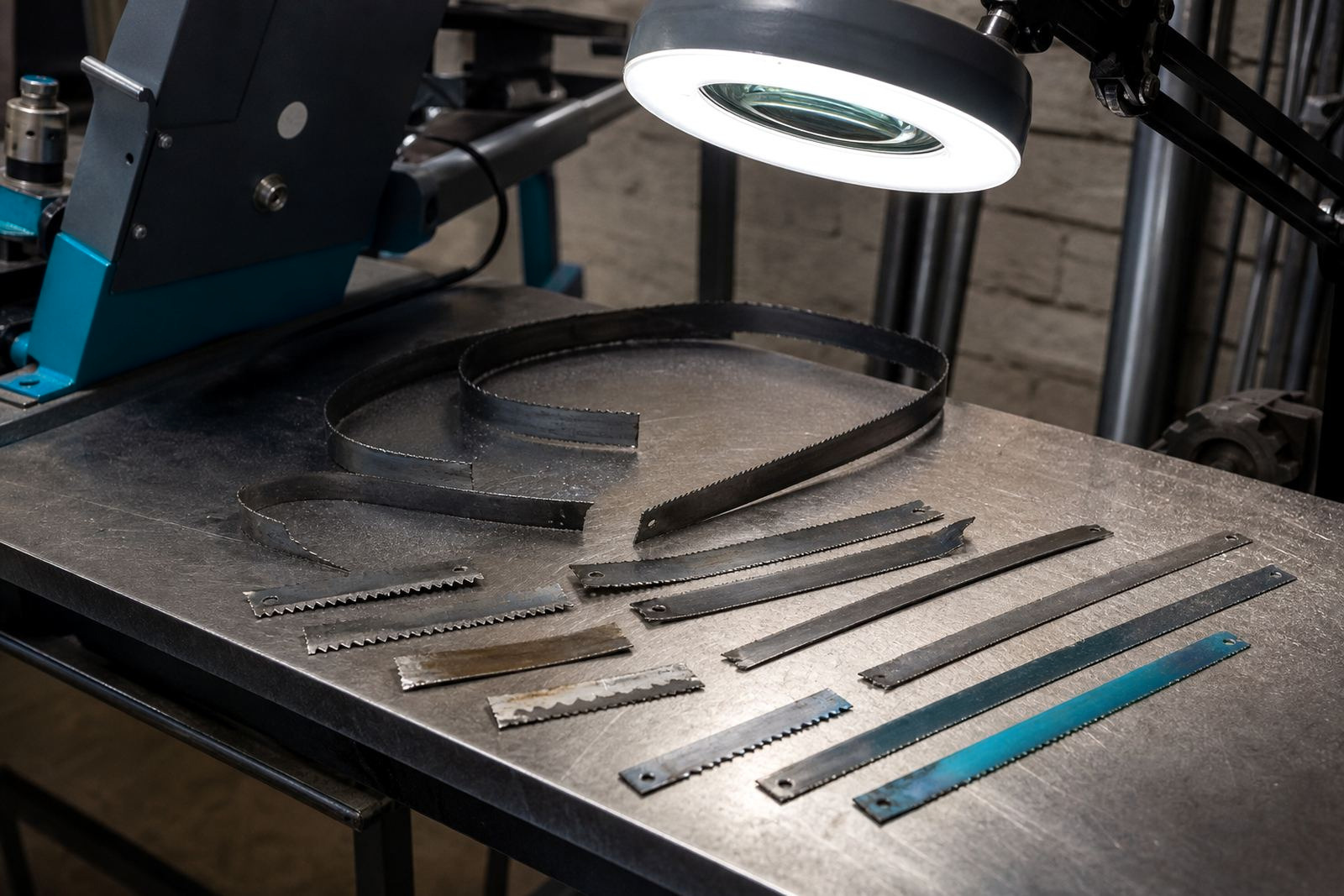
We also help with blade failure review when the pattern needs explaining. Broken teeth, cracked backs, torn set or early wear usually point back to feed pressure, run-in, poor coolant delivery or a blade that is too coarse for the section size. For workshops that want less confusion in stores, we can also help standardise the blade list so the team keeps the right spares on hand and avoids random buying.
- Check cut behaviour after the kit is in use
- Review failures against feed, speed and coolant
- Cut the blade list down to sensible stock lines
- Keep spares aligned with the jobs on site
Key facts
| Service | Starter Kit Planning |
|---|---|
| Main blade types | Bi-metal M42 bandsaw blades, carbon steel bandsaw blades, carbon hacksaw blades |
| Selection factors | Material, section size, tooth pitch, blade width, blade thickness, set, run-in, feed and speed, coolant |
| Support included | Length verification, weld-to-length, machine fit check, blade failure review |
| Work areas | Alrode, Alberton, Johannesburg, Pretoria, Vereeniging, Durban, Cape Town, Germiston, Boksburg |