
What we inspect on a failed blade
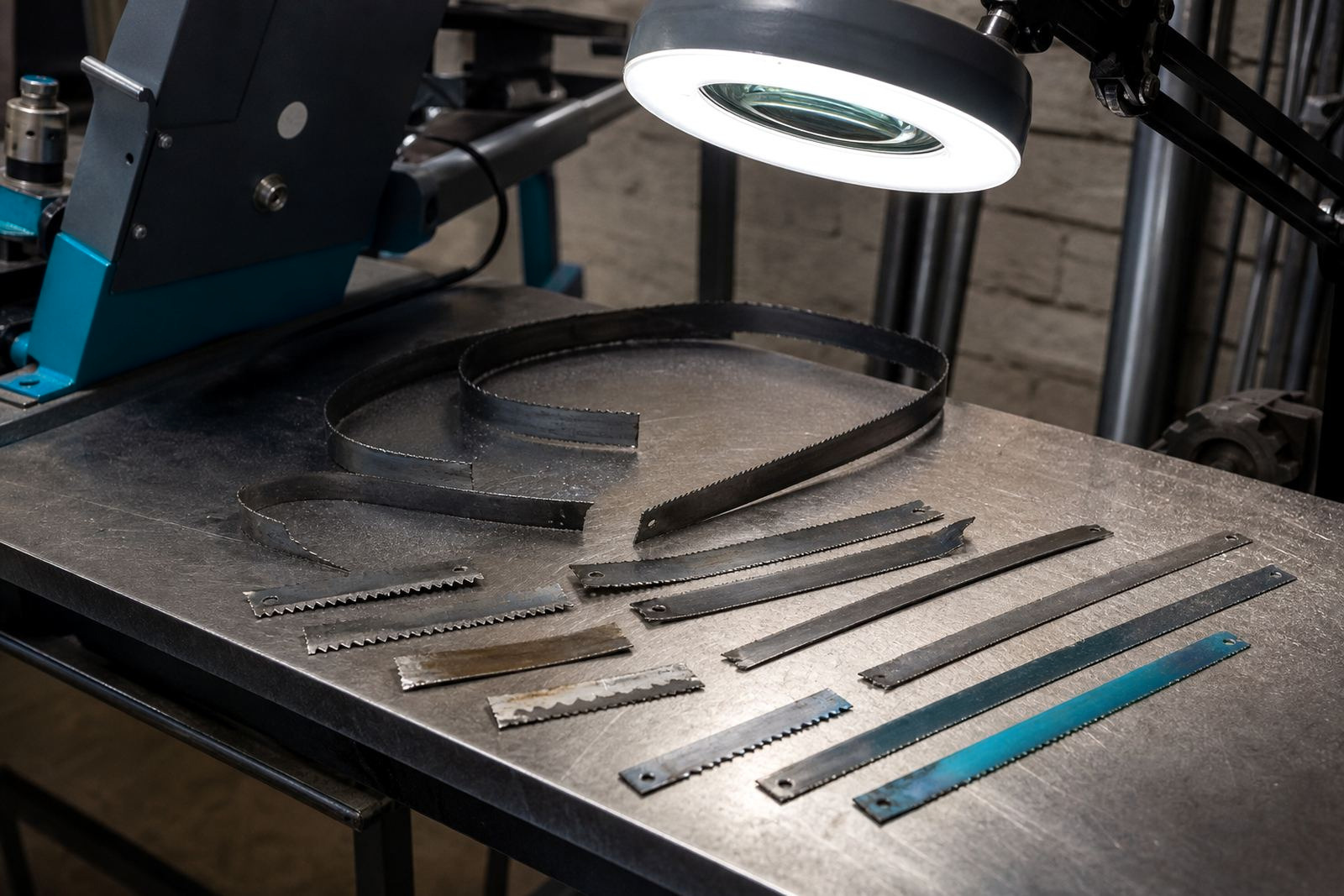
We start with the blade as it comes off the machine, whether it is a bandsaw blade or a hacksaw blade used for metalwork. The review looks at tooth damage, cracking at the weld, hook damage, missing set, heat tint, tooth strip-out and wear patterns along the full length. A blade that has failed early often tells a clear story if you read the tooth pitch, width, thickness and set against the material being cut.
We also look at the cut face, the kerf finish and any marks left by chatter or wandering. A clean review covers what broke, feed pressure, blade speed, coolant use and whether the machine held the blade straight enough for the job.
- Tooth wear pattern and break point
- Weld condition and blade tension marks
- Blade width, thickness and set for the machine
- Material type, section size and cutting method
The workshop causes that show up most often
Many blade failures come from a mismatch between tooth pitch and the workpiece. A coarse blade may grab on thin wall material, while a fine pitch blade can clog on heavier sections and overheat. Variable pitch blades can help reduce vibration on mixed section work, but they still need the right feed and speed for the metal in front of them.
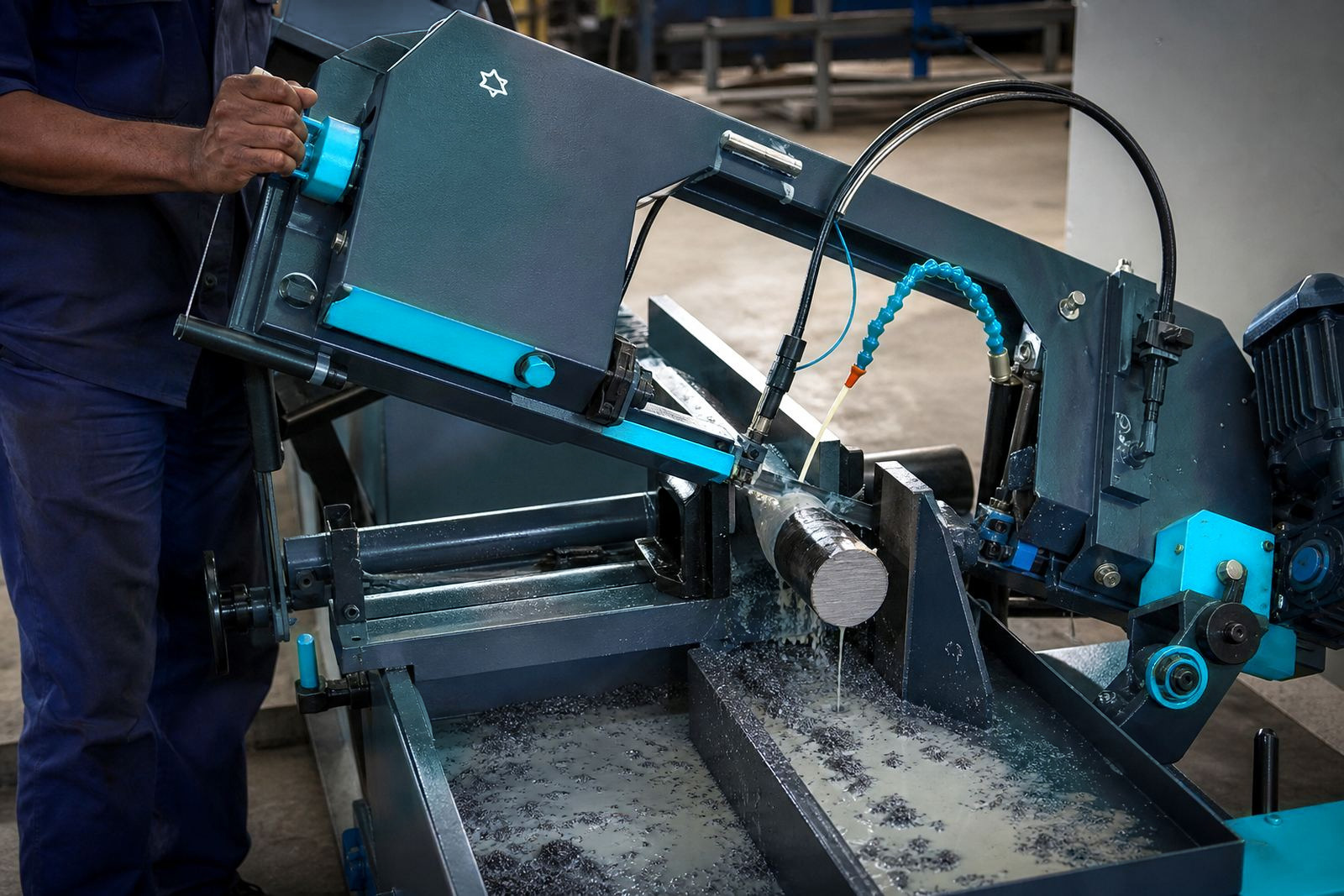
Feed that is too heavy will flatten teeth or twist the blade line. Feed that is too light can make the blade rub, which builds heat and shortens life. We check coolant too, because poor flow or dirty coolant leaves the cut hot and sticky, especially on stainless, tool steel and long production runs.
How the review is carried out
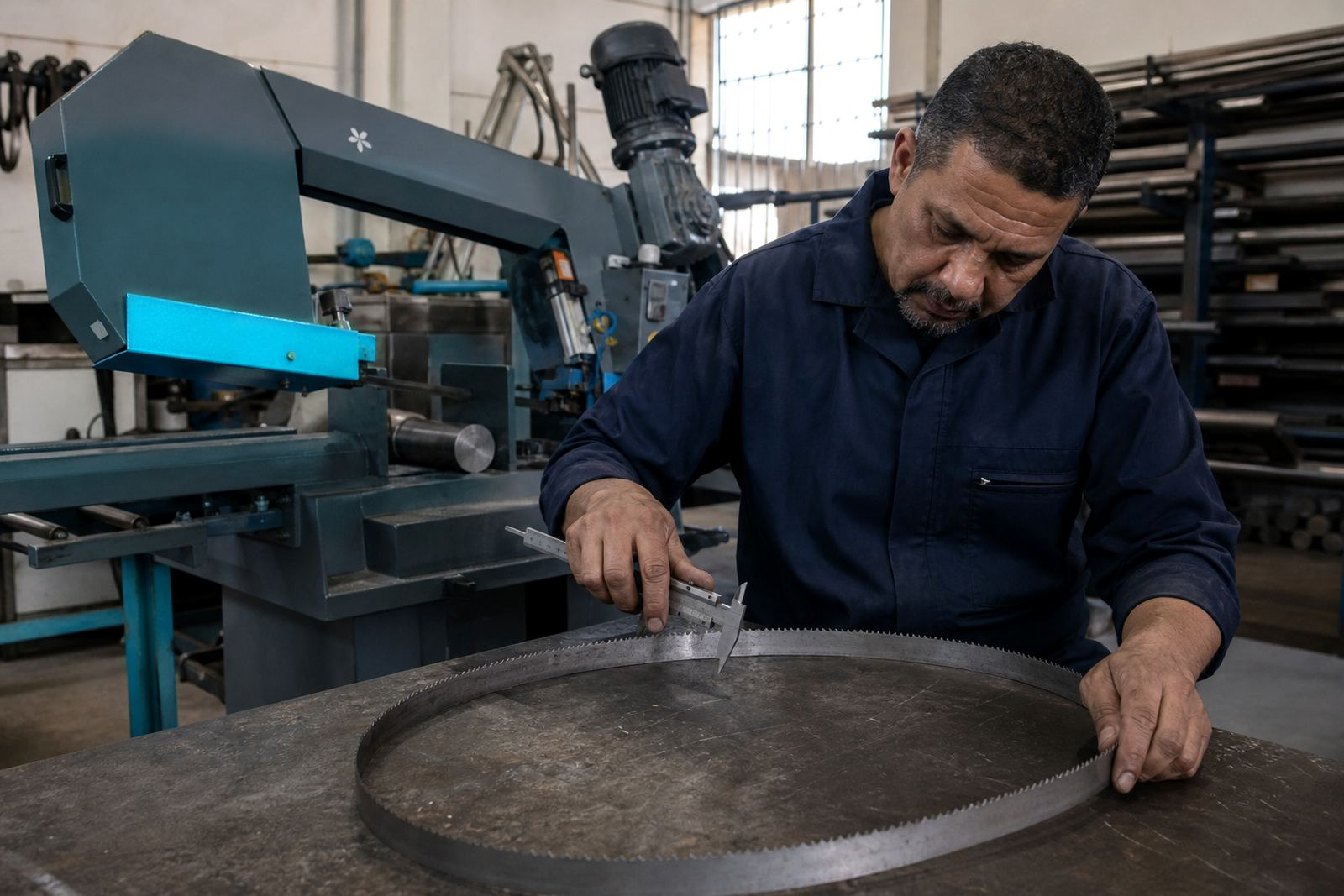
First we note the machine type, material, blade spec and the kind of failure seen on site or in the shop. Then we compare the blade against the cut it was asked to do, including tooth pitch in TPI, blade width, thickness and tooth form. If the blade was welded to length, we check the weld area for alignment, finish and strength.
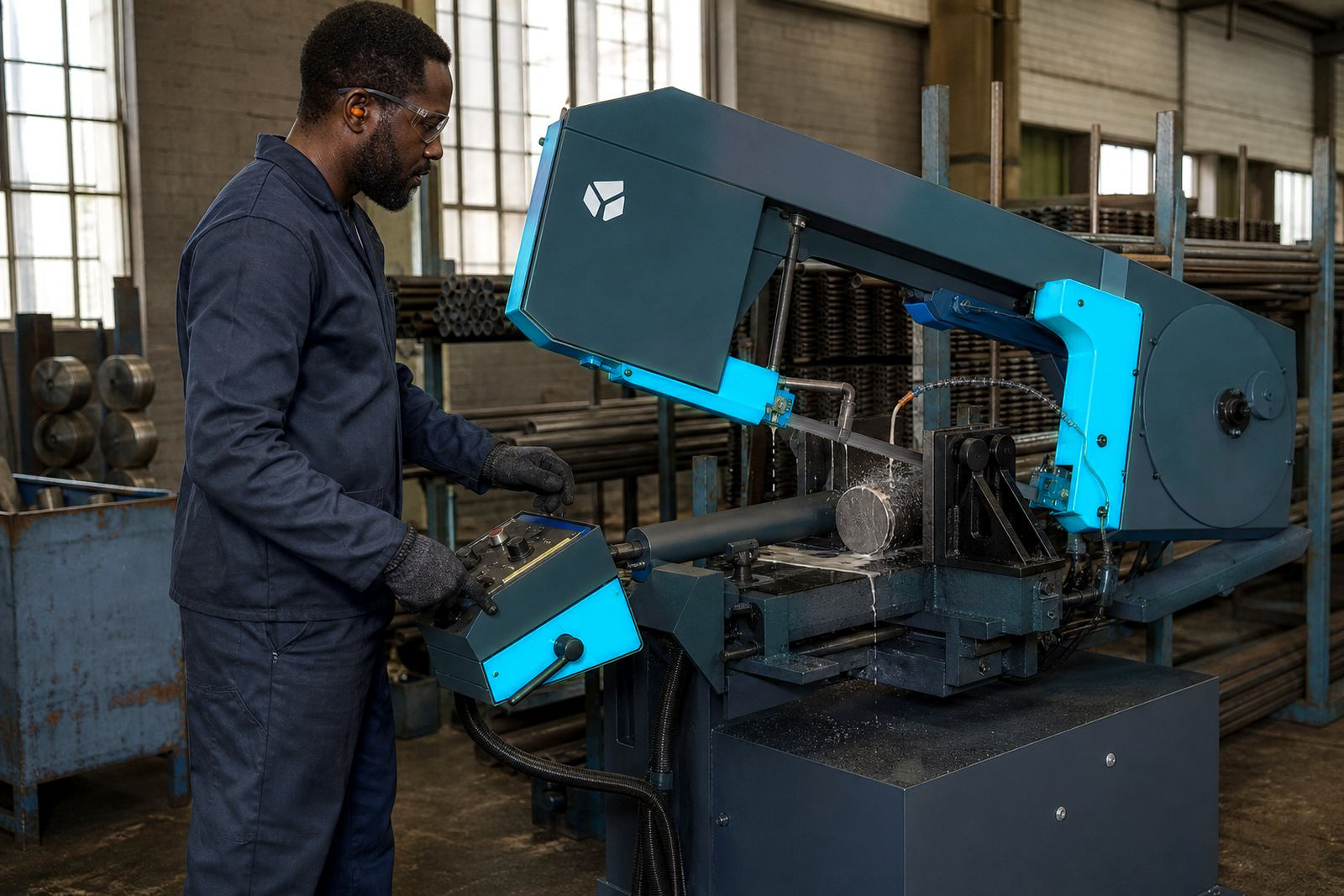
The review can also include a machine fit check, because guide wear, pulley condition and tracking issues can make a good blade fail early. When the job calls for it, we talk through run-in guidance, coolant checks and the cutting approach so the next blade is not treated like the last one.
- Failed blade inspection and cause notes
- Match of pitch, width and thickness to the job
- Weld and fit checks where a welded blade was used
- Machine condition notes tied to blade life
Blades, specs and the cut they suit
Bi-metal M42 blades suit many metalwork jobs where a harder tooth edge is needed for steady cutting. Carbon steel blades still have a place on lighter manual saw work and simpler materials when the cut is short and controlled. The right choice depends on the stock size, the shape of the section and whether the machine runs a bandsaw or a hacksaw setup.
Blade width affects tracking and cutting radius, while blade thickness influences stability and how the blade carries load. Tooth pitch must fit the material thickness, with finer pitches for small sections and coarser pitches for heavier solids. A correct set helps the teeth clear the cut, especially when the operator is running multiple lengths or dealing with mixed steel offcuts.
- Bi-metal M42 for tougher, longer running metal cuts
- Carbon steel for lighter manual cutting tasks
- Variable pitch for reducing chatter on mixed sections
- Correct tooth set for cleaner chip clearance
Pricing and how we quote
The review process is priced around the blade type, the fault pattern and whether the blade needs weld repair, length verification or replacement advice. A simple dulling issue does not need the same work as a cracked weld, a repeated tooth strip or a machine fit problem. If several blades are involved, we can look at standardising the stock so the workshop is not juggling too many sizes.
Pricing is usually based on the work required rather than a flat claim about every blade. Starter kits, blade width selection and tooth pitch selection can be included where the review shows a clear pattern across the workshop. The buying side can line up the next order with the actual cutting load and the old spec on a faded label.
Aftercare once the cause is known
After the review, we can help with a better blade match, run-in guidance and feed speed advice for the next fit. If coolant use is part of the problem, we talk through flow, concentration and cleanliness in practical terms. For workshops with repeat jobs, manual saw support and stock standardisation can reduce mixed blade use and cut down on avoidable failures.
Clients across Alrode, Alberton and the wider Gauteng, KwaZulu-Natal and Cape Town routes use the review when blades keep failing for no obvious reason. We narrow the cause to the blade, the machine or the way the cut is being made, then set the next blade up with better numbers and cleaner handling.
- Run-in guidance for fresh blades
- Feed speed advice matched to material
- Coolant checks for heat control
- Starter kit planning for mixed workshop use
Key facts
| Service | Blade Failure Review |
|---|---|
| Blade types | Bandsaw blades and hacksaw blades |
| Common specs checked | TPI, blade width, thickness, set, weld |
| Blade materials | Bi-metal M42 and carbon steel |
| Support areas | Alrode, Alberton, Johannesburg, Pretoria, Vereeniging, Durban, Cape Town |
| Related support | Weld-To-Length, Length Verification, Tooth Pitch Selection, Machine Fit Check |