Cutting load matched to the material
Feed speed advice starts with the material in front of the saw. Mild steel, thin wall tube, solid bar, stainless, tool steel and non-ferrous material do not cut the same way, and a blade that feels comfortable on one job can chatter or glaze on another. We look at section size, wall thickness, bundle cutting, and whether the work is straight, notched or badly scaled.
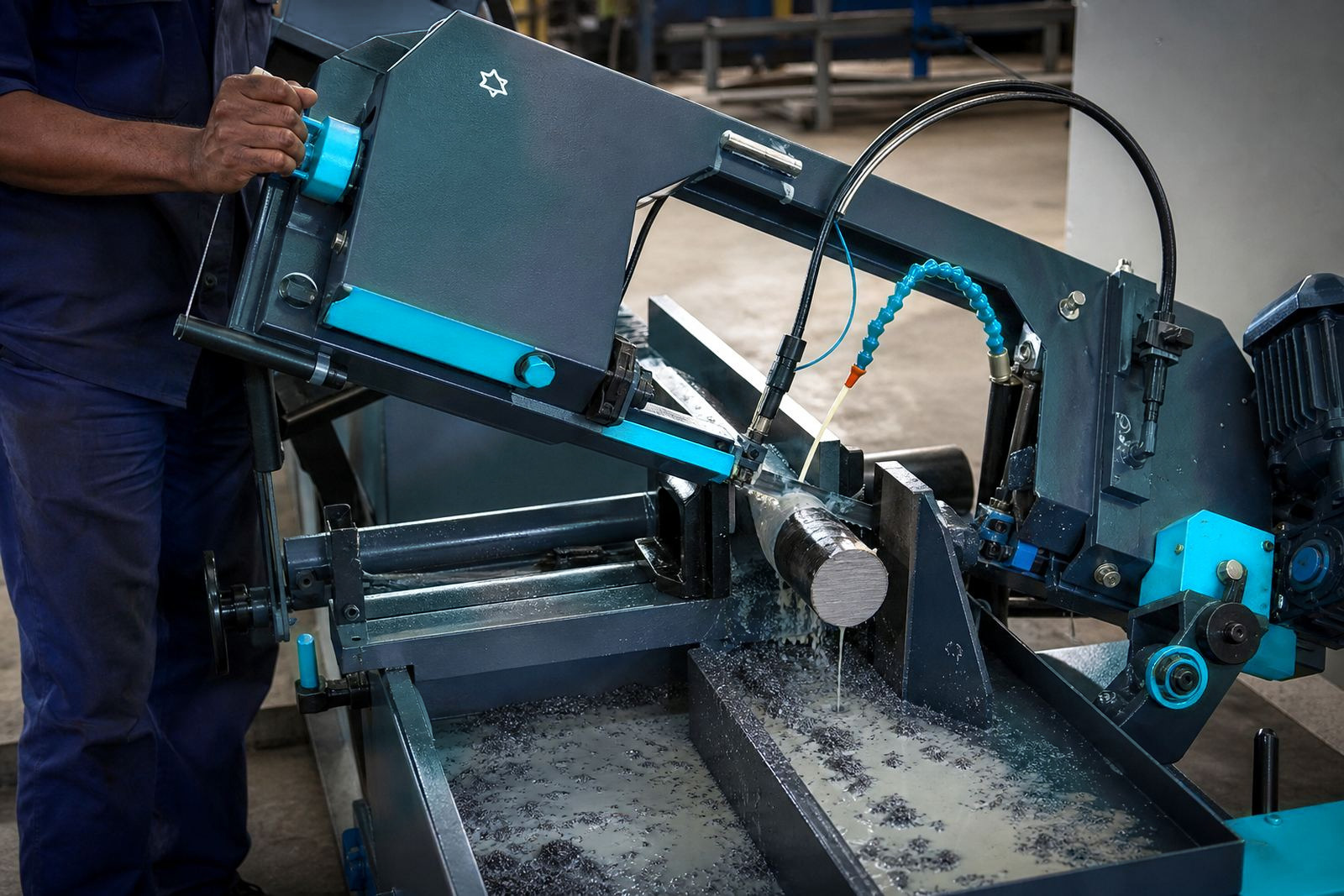
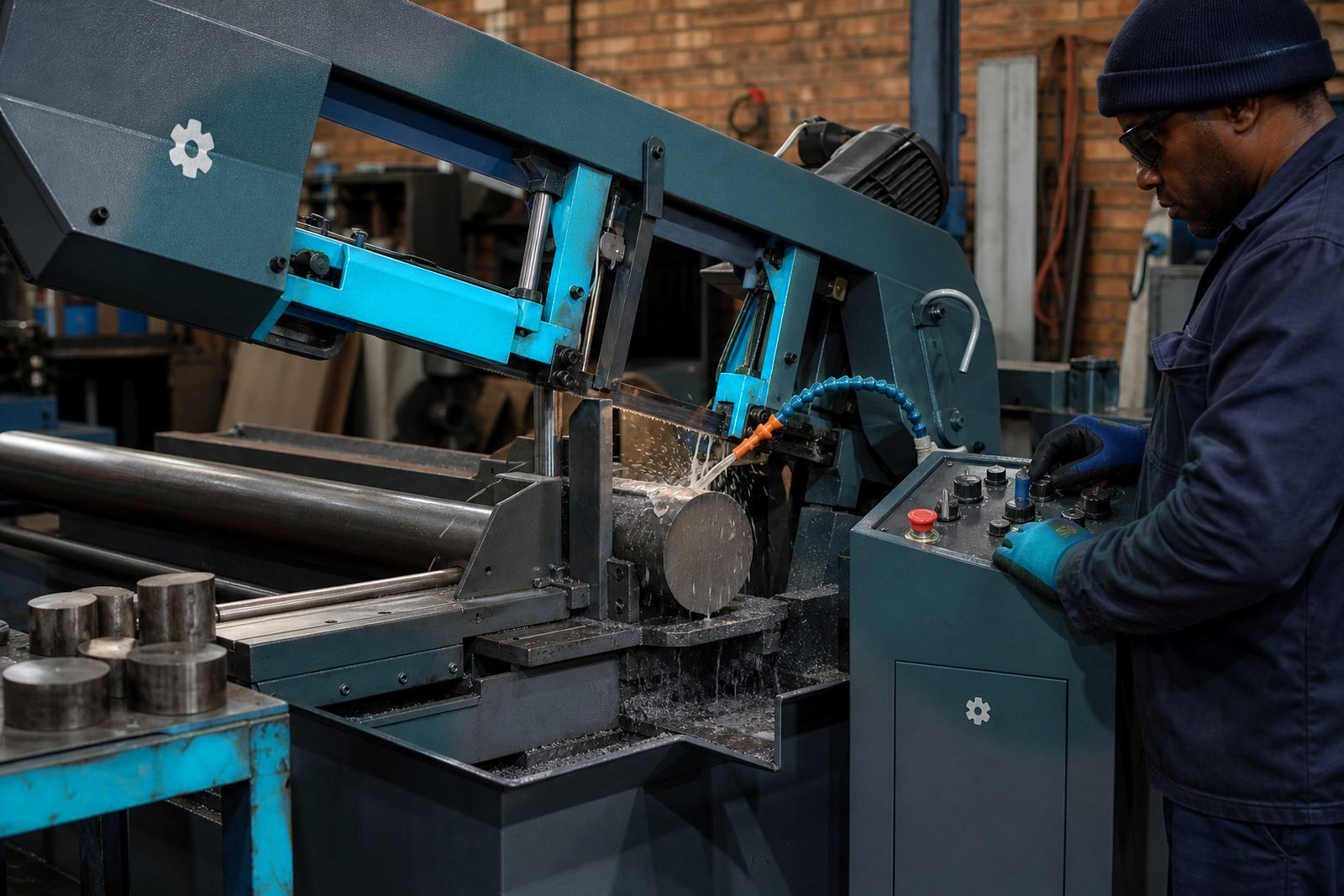
For bandsaw blades and hacksaw blades, the aim is steady chip formation. Too much feed can strip teeth, bend the set or leave a rough surface. Too little feed can rub the tooth tips, generate heat and shorten blade life. The right setting keeps the cut clean and the motor in its proper range.
What we assess before setting the feed
The advice we give is practical and tied to the blade that will do the work. We look at the blade type, the tooth pitch and the machine condition before giving a setting range. Where a workshop runs mixed material, we help separate the light work from the heavier stock so one setting does not get forced across every job.
- Bi-metal M42 blades for general metal cutting, especially mixed sections and harder materials
- Carbon steel blades for lighter duty work and manual sawing on softer stock
- Variable pitch blades for vibration control on uneven or noisy cuts
- Tooth pitch choices from finer TPI for thin wall material to coarser TPI for solid sections
- Blade width and thickness that suit the machine guides and the cut radius
Plan a run-in as well. A fresh blade needs a lighter start so the tooth edges settle evenly before full production load is applied.
How our workshop and on site team use the advice
We work from the job and use general rules where they apply. A small solid bar, a bundle of tube and a stainless section call for different feed and blade speed settings. We also check whether the cut is wet or dry, whether coolant is reaching the blade, and whether the machine is forcing the blade through the cut instead of letting it work.
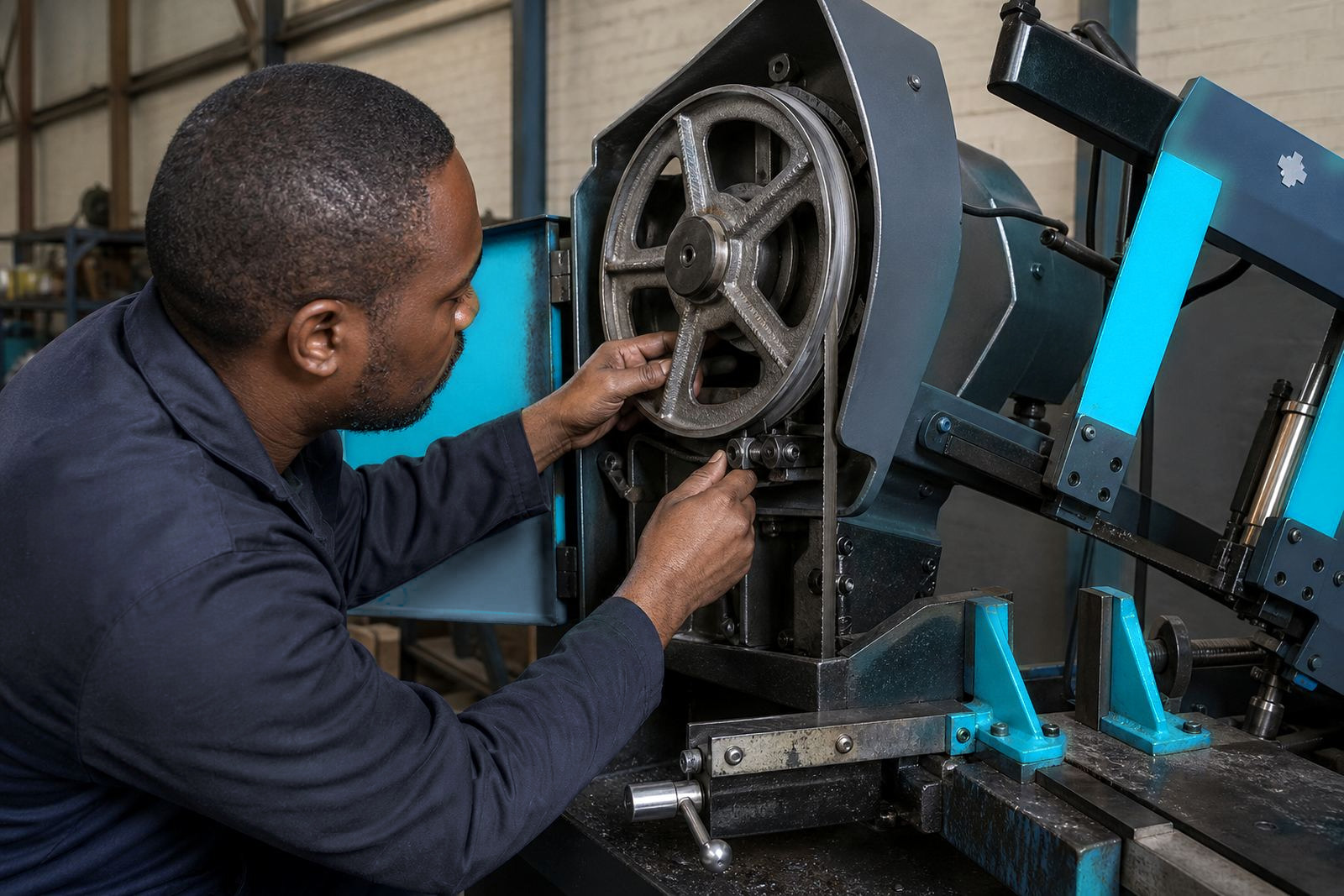
Where a saw is leaving long curled chips, the feed may be too low for the tooth pitch. Where teeth are chipping or the cut starts to wander, the blade speed, feed pressure or guide alignment may need attention. On manual saws, operator pressure is part of the equation as well, so the advice has to suit the people using the machine too.
What the service includes
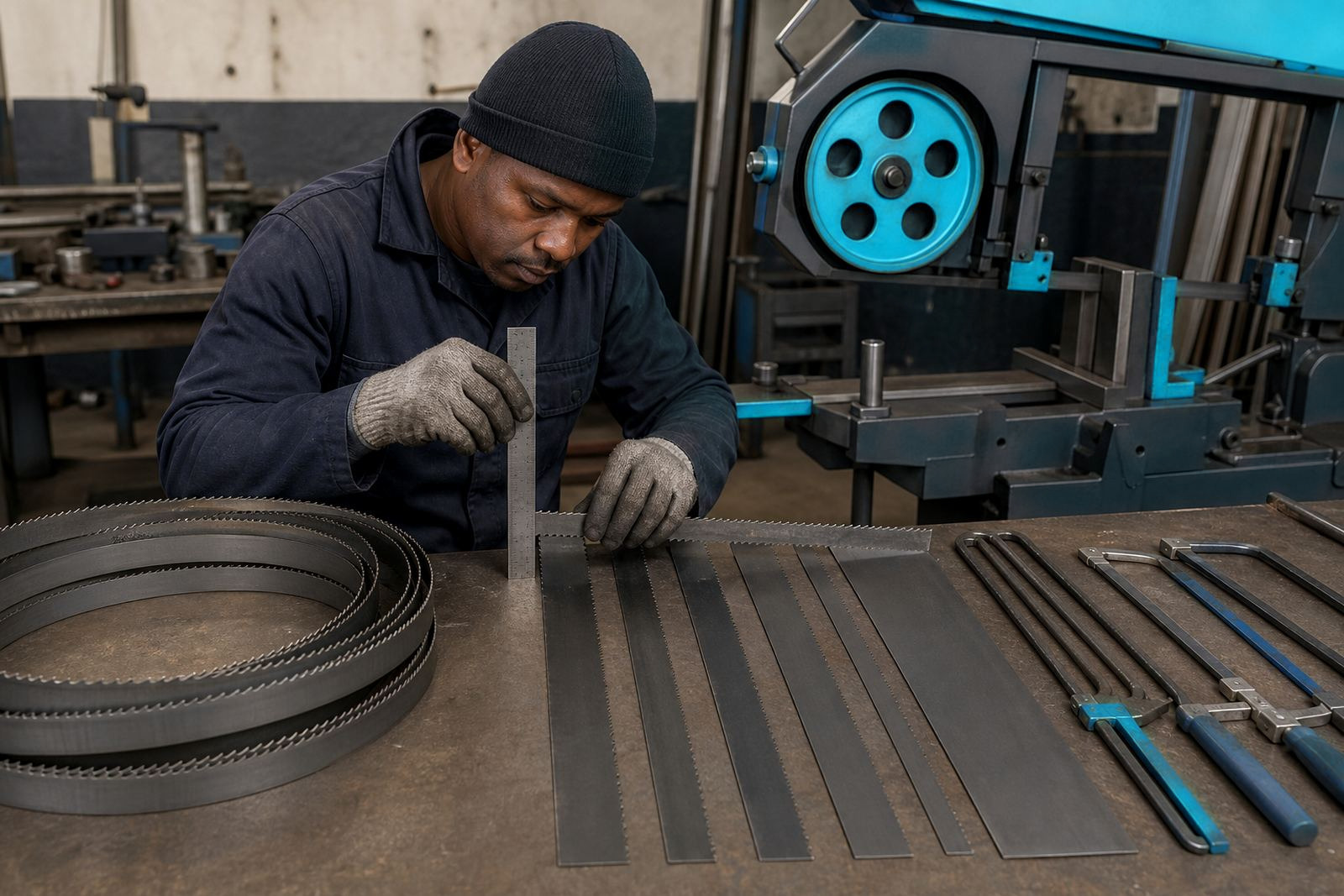
Feed speed advice is often combined with other blade checks so the result is useful on the floor, not just on paper. That includes a look at the existing blade condition, the job mix and the machine fit. If the saw needs a different blade format, we can pair the advice with weld-to-length service and starter kit planning.
- Material based feed guidance for common workshop metals
- Blade speed direction for bandsaws and manual hacksaws
- Tooth pitch and variable pitch selection for the job mix
- Blade width and thickness guidance for straight cuts and tighter radii
- Coolant checks where wet cutting is in use
- Blade failure review when teeth break, strip or drift
Length verification is part of the conversation when a welded blade is being used, because a blade that is even a few millimetres off can affect tracking and cut quality.
Pricing and job planning
Pricing is usually handled around the work involved, not a fixed one size line. A simple advisory check, a repeat workshop pattern, a blade failure review or a mixed machine brief will not carry the same level of time or detail. If a blade must be welded to length, verified and fitted for a specific saw, that is handled separately from general advice.
For workshops that standardise blades across several machines, we can plan the pitch, width and thickness range first so stock is easier to manage. That helps reduce the number of odd blades sitting on the shelf and keeps the cutting settings more consistent across the team.
Aftercare once the setting is in use
Aftercare looks after the cut once the blade goes into service. If the teeth show uneven wear, if the cut begins to drift, or if the motor sounds strained under load, the setting may need to be adjusted. The same goes for changes in stock profile, coolant quality or guide condition.
We stay available for follow up checks on blade behaviour, run-in progress and coolant condition. In busy shops across Johannesburg, Pretoria, Vereeniging, Durban, Cape Town and nearby industrial areas, the material often changes before the blade plan does, so a quick review can save wasted blades and rough stock ends.
Alrode support for workshops across South Africa
From Alrode in Alberton, MoreCut Saws supports metalworking shops with practical blade guidance and clear feed speed advice. The team includes Sibusiso Dawood, Anika Nortje, Pieter Moonsamy, Lerato Zungu, Themba Chetty and Chanel Jacobs, with the workshop side and customer side kept close enough to solve the job properly.
MoreCut Saws can cover feed rate guidance, starter kit planning, weld-to-length work, machine fit checks and stock standardisation for bandsaw blades and hacksaw blades used in everyday metal cutting.
Key facts
| Service | Feed Speed Advice |
|---|---|
| Blade types | Bi-metal M42, carbon steel, variable pitch |
| Material scope | Mild steel, stainless, solid bar, tube, section and mixed stock |
| Key settings | Feed pressure, blade speed, coolant, run-in and tooth pitch |
| Workshop support | Bandsaw blades, hacksaw blades, machine fit and failure review |
| Coverage | Alrode, Alberton and workshops across South Africa |