Getting a new blade into service without rough treatment
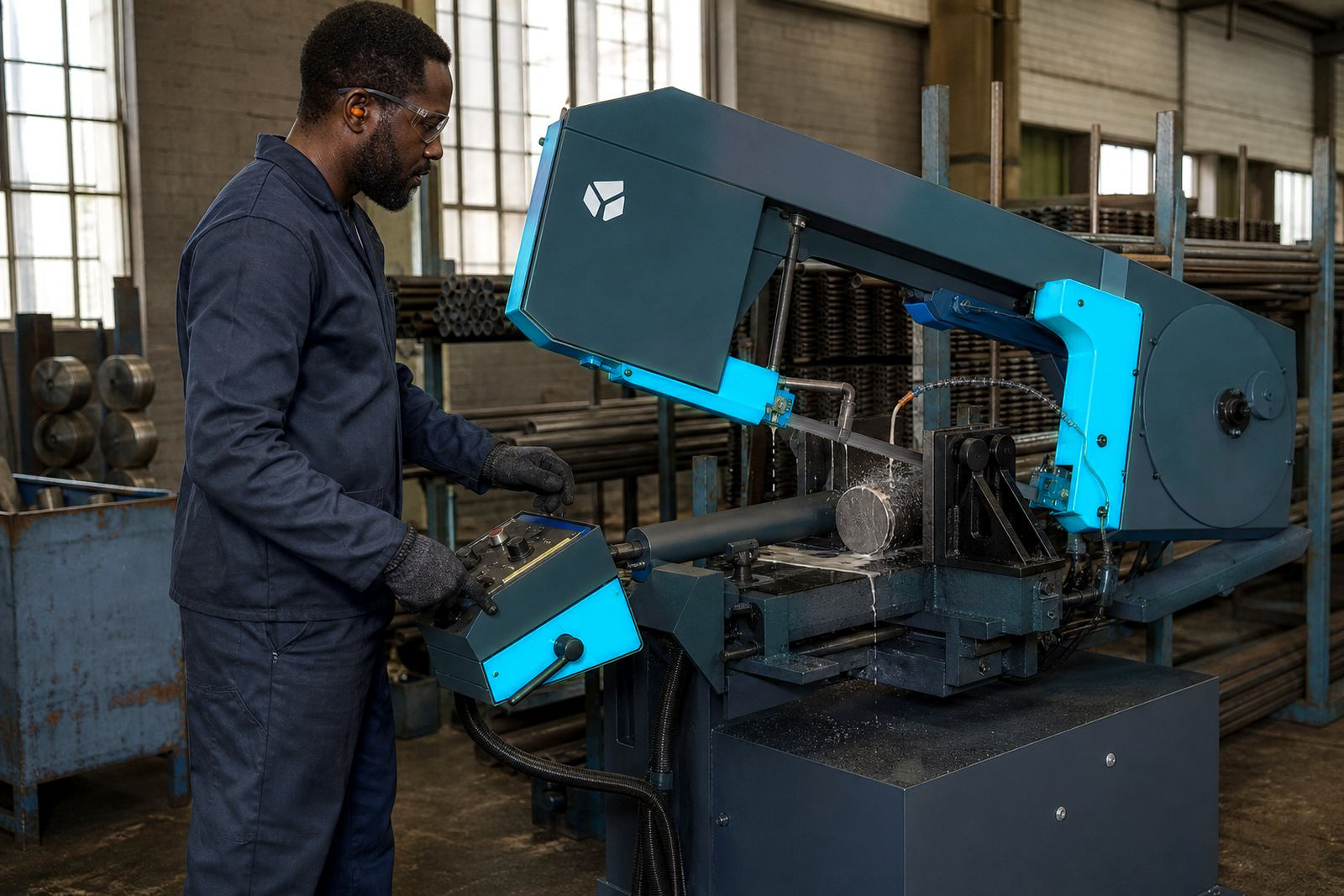
Run-in is the short opening phase that protects fresh teeth and helps the blade seat into the cut. On bi-metal M42 bandsaw blades and carbon steel hacksaw blades, the first cuts should use a lighter feed, steady coolant where fitted, and a calmer pace than normal production work. That early discipline reduces tooth chipping, side wear and the jagged start that can show up on the first few jobs.
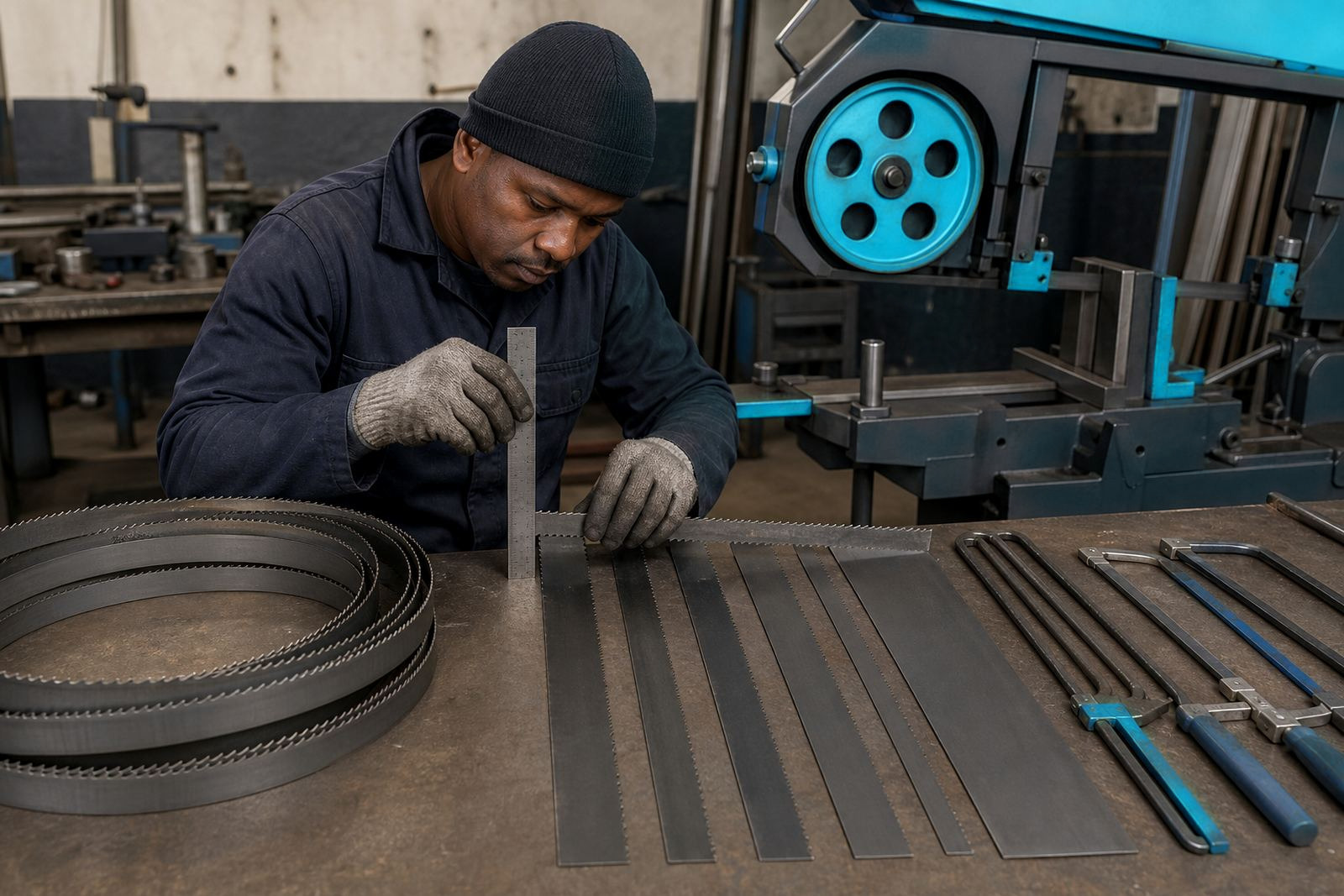
We look at the material being cut, the section size, the blade width and thickness, and the machine set-up. A 20 mm wide bandsaw blade for general steel sections does not behave the same as a narrow blade for tight radius work. Tooth pitch, including variable pitch TPI, also changes how the blade enters the work and how quickly it clears chips.
What our run-in guidance covers on the shop floor
The guidance is practical and specific to the machine in front of you. We help set the first cut so the blade does not bite too hard, wander, or burnish the tooth line. Solid bar, heavy wall tube, angle iron and bundle cutting call for steady first passes, since they can decide how long the blade stays sharp.
- Feed and speed guidance for the first cuts
- Tooth pitch checks against section size and material
- Blade width and thickness checks for the saw type
- Coolant checks for wet cutting setups
- Support for manual saws and starter kits
Where the machine runs dry, we focus more closely on feed control, chip colour and sound. On wet machines, coolant coverage and concentration are important because a dry tooth line can go hard too quickly, especially on stainless or thicker solids.
Run-in steps we usually work through
We start with the blade specification and the job list. A coarse pitch may suit larger sections, while a finer pitch is better on thin wall material. Variable pitch helps reduce vibration on mixed profiles, but it still needs a careful start if the teeth are new. The first cuts are kept light enough for the teeth to seat, then the load is increased in stages once the cut face shows even wear.
- Check blade width, thickness and tooth set
- Match TPI to the smallest section in the bundle
- Confirm the machine can hold tracking and tension properly
- Set a lighter feed for the first cuts
- Review the cut face after the first pieces
We also look for signs of trouble early, such as chatter marks, tooth strippage, blue tips or chips packed in the gullets. Those signs usually point to feed that is too heavy, speed that is too high, or a tooth pitch that is not suited to the work.
Blade types and specs that affect the start-up phase
Bi-metal M42 blades carry a hard tooth edge for general workshop steel, while the backing strip stays flexible enough for the saw wheels. Carbon steel blades suit lighter duty and manual work, though they need more careful handling and a gentler start. Tooth set, pitch pattern and blade width all shape how quickly the edge settles in.
Hacksaw blades still need a run-in, especially where the job is repetitive or the stock is abrasive. A blade with the wrong pitch may skate on the surface or jam chips in the cut, and that shortens the useful life. A narrow blade on a manual saw needs different handling from a wider bandsaw blade on a powered machine, and that is where practical guidance saves material and time.
How the service is arranged from our Alrode base
Clients send the blade size, machine type, material mix and a brief note on the cut. From there we look at the job, then suggest the run-in approach that suits the blade and the saw. Where a starter kit is being planned, we can include the blade format, the tooth pitch range and the first-use notes together.
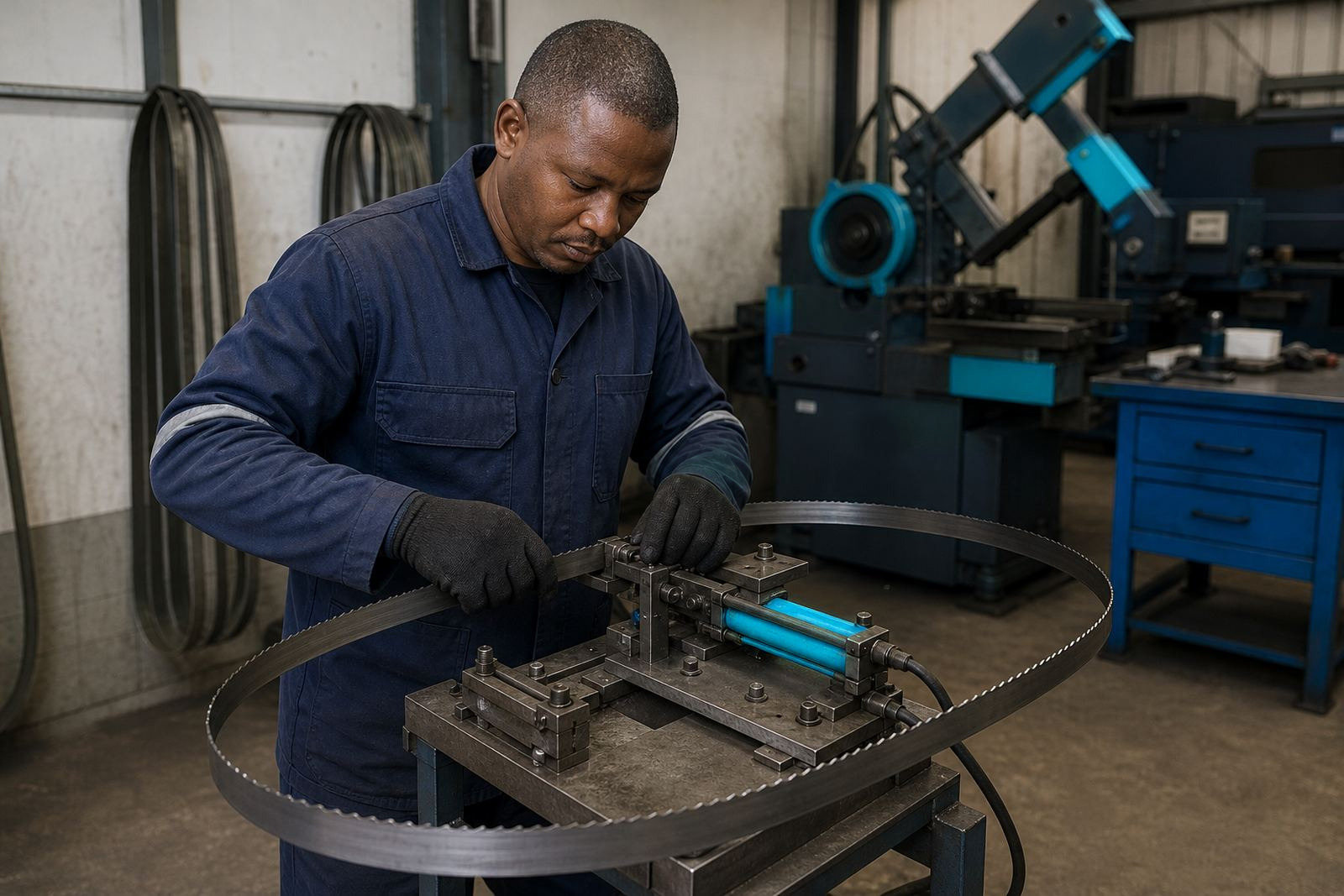
Our blade welding technician handles weld-to-length work for workshops that need bandsaw blades supplied ready for fitment. Length verification is used where the machine needs a precise loop size, and machine fit checks help avoid a blade that is too tight, too loose, or wrong for the guides. That process is useful for teams working across Johannesburg, Pretoria, Vereeniging, Durban and Cape Town, where job types can change from week to week.
Pricing approach and what aftercare looks like
Pricing is built around the blade type, length, tooth pitch, welding work if needed, and the level of technical input required. A standard blade gets a short run-in note; a mixed-material starter kit gets a plan per blade. We keep the pricing approach tied to the actual job, not a fixed package that ignores the saw or the stock on the floor.
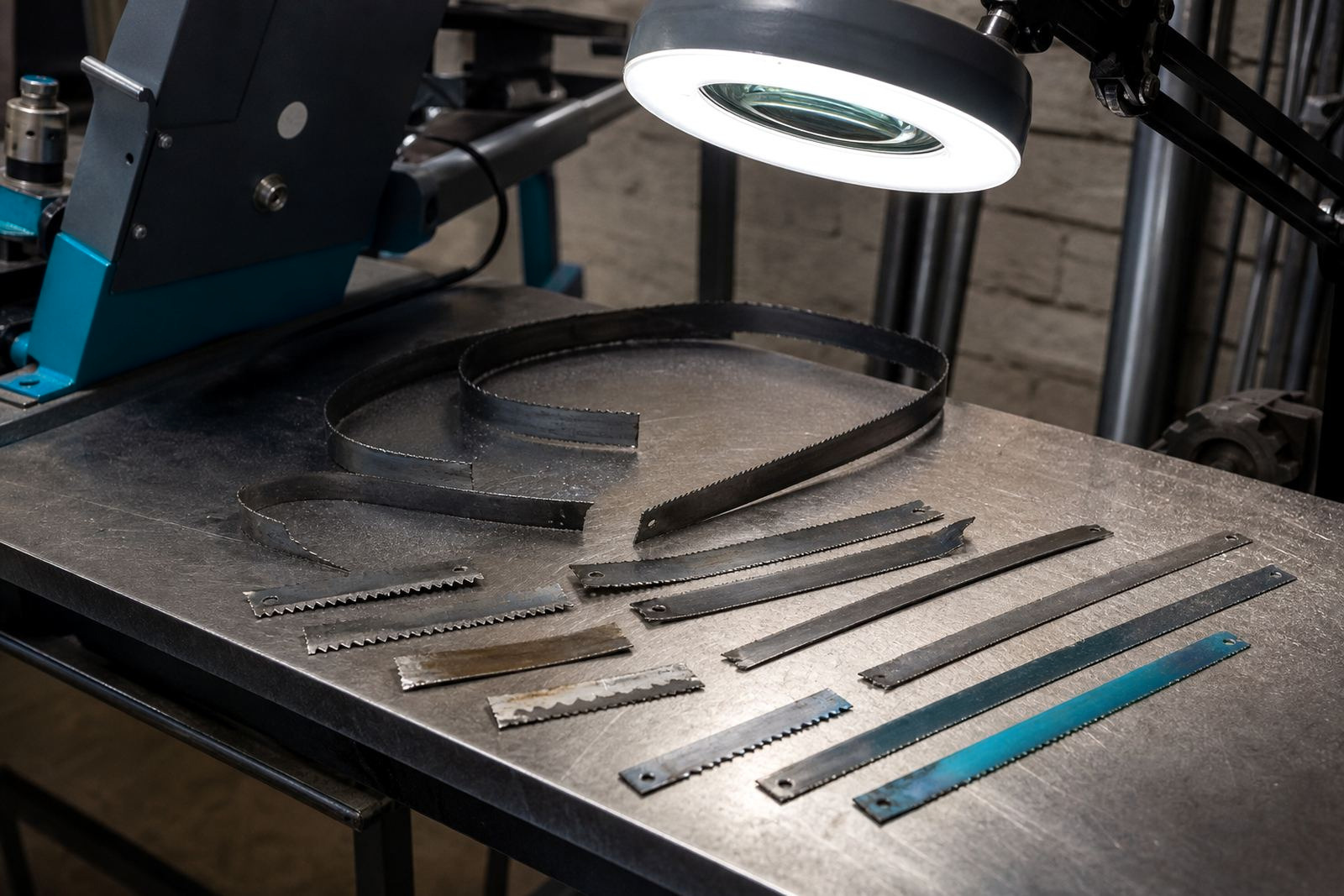
Aftercare means checking how the blade behaved in the first cuts, then adjusting feed, speed or coolant use if the tooth line shows early wear. If a blade fails too soon, the failure review looks at tooth pitch, blade width, tracking, tension, chip clearing and the condition of the material. That gives the workshop a better starting point for the next blade, especially on jobs with hard scale, weld seams or awkward section mix.
- Notes for the first cutting shift
- Support for standardisation across multiple saws
- Review of failed or badly worn blades
- Advice for manual saw support and bundle cutting
Key facts
| Service area | Alrode, Alberton with supply across South Africa |
|---|---|
| Blade types | Bi-metal M42 and carbon steel bandsaw and hacksaw blades |
| Key checks | Tooth pitch, blade width, thickness, set and tracking |
| Run-in factors | Feed, speed, coolant use and first-cut load |
| Related services | Weld-to-length, length verification and machine fit check |
| Typical users | Workshops cutting mild steel, stainless, tube, bar and mixed sections |