Blade choice for the machine and the cut
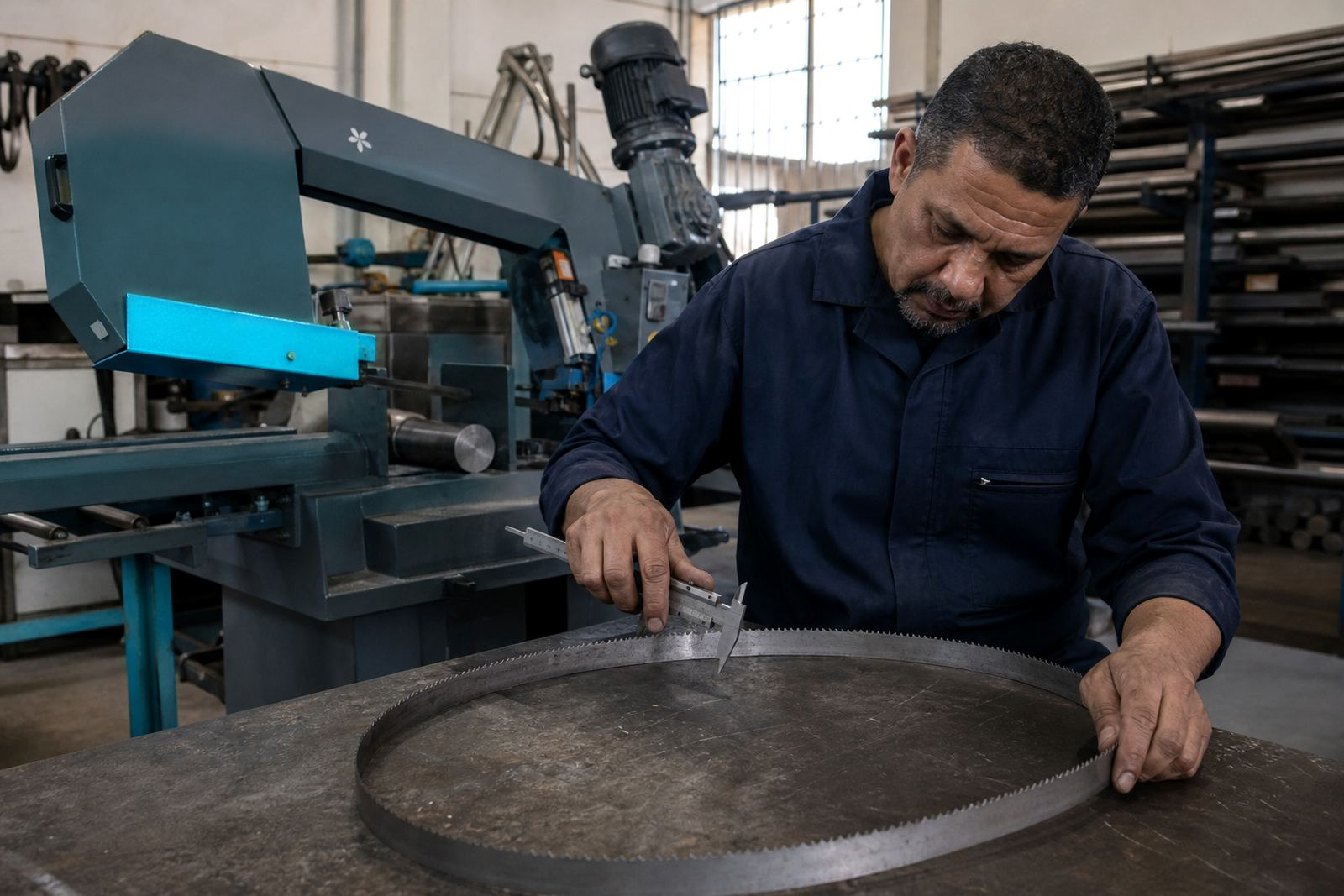
Blade width is a set choice. On a bandsaw or hacksaw setup, the width needs to suit the wheel size, guide spacing, blade tension and the way the material is fed. A narrow blade can turn more easily for tighter radii, while a wider blade stays steadier on straighter cuts and heavier sections. Thickness affects blade stiffness, resistance to twist and the load on the teeth.
We look at the saw frame, the clamping arrangement and the cut profile before suggesting a blade. For workshop cutting, that usually means checking whether the job is mostly solid bar, structural section, tube or mixed offcuts. The wrong width can wander in the cut, produce a rough edge or fatigue early, especially when the feed is too heavy or the blade pitch is too coarse for the section size.
For metalwork in Alrode and farther afield, use a blade that tracks cleanly and lasts through the material you cut most often. That balance changes between a manual saw and a production machine, and it changes again when you move from mild steel to tougher grades or thin wall tube.
What our blade width selection service covers
Blade width selection is part matching, part problem solving. We work through the saw details, the cut type and the finish you need, then narrow the choice down to a blade that fits the machine and the job. If a workshop is starting up or reorganising stock, we can also help plan starter kits so the common widths and pitches are on hand.
- Blade width and thickness matched to the saw frame and guides
- Tooth pitch checked against material thickness and section size
- Variable pitch options for mixed or vibration-prone cuts
- Run-in guidance for new bi-metal and carbon blades
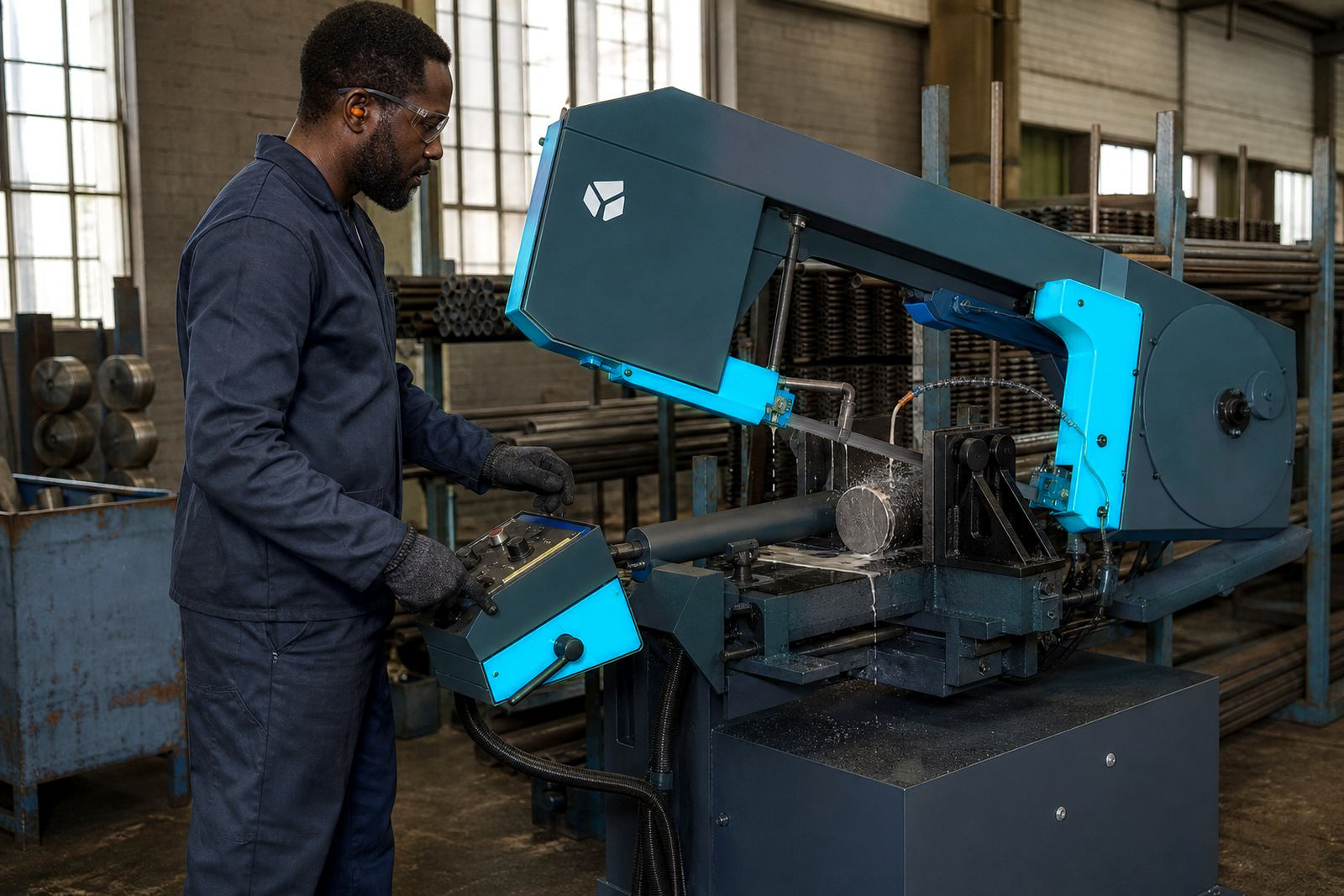
- Feed speed advice and coolant checks where the cut benefits from them
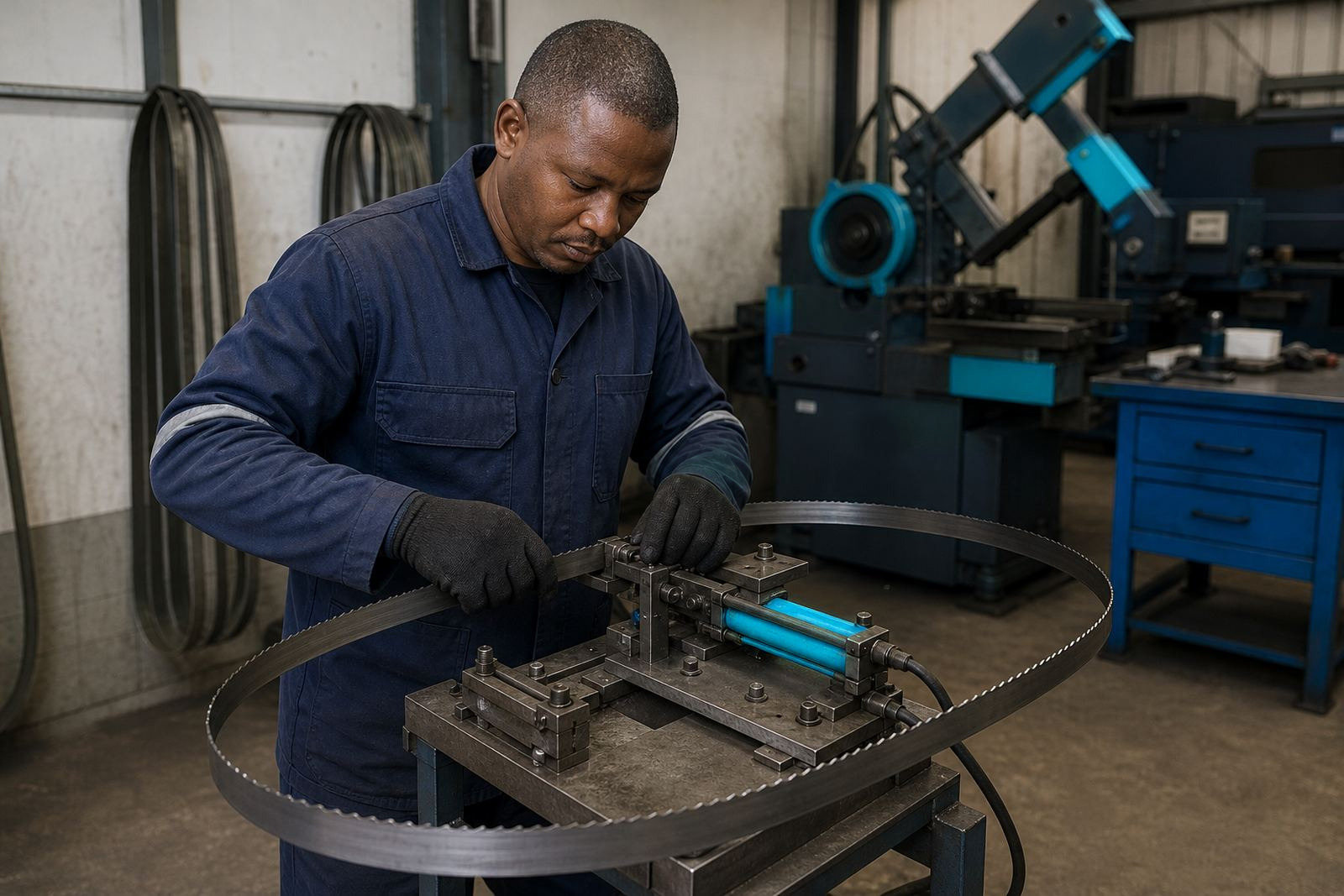
- Machine fit check before a weld-to-length order is made
We also help when a blade keeps breaking at the weld or when the cut line drifts before the teeth have worn out. That often points to width, set, tension or feed rather than blade quality alone. A narrow blade on a heavy cut or an oversize pitch on thin material can waste time and material very quickly.
Thickness, set and tooth pitch in the same conversation
Blade thickness is easy to overlook, yet it changes how the blade behaves under load. Thicker blades can hold line better on straighter work, while thinner blades may suit smaller saws or lighter-duty machines that need flexibility. Tooth set clears the cut and reduces binding. If the set is too aggressive for the machine or material, the saw can chatter and leave a poor finish.
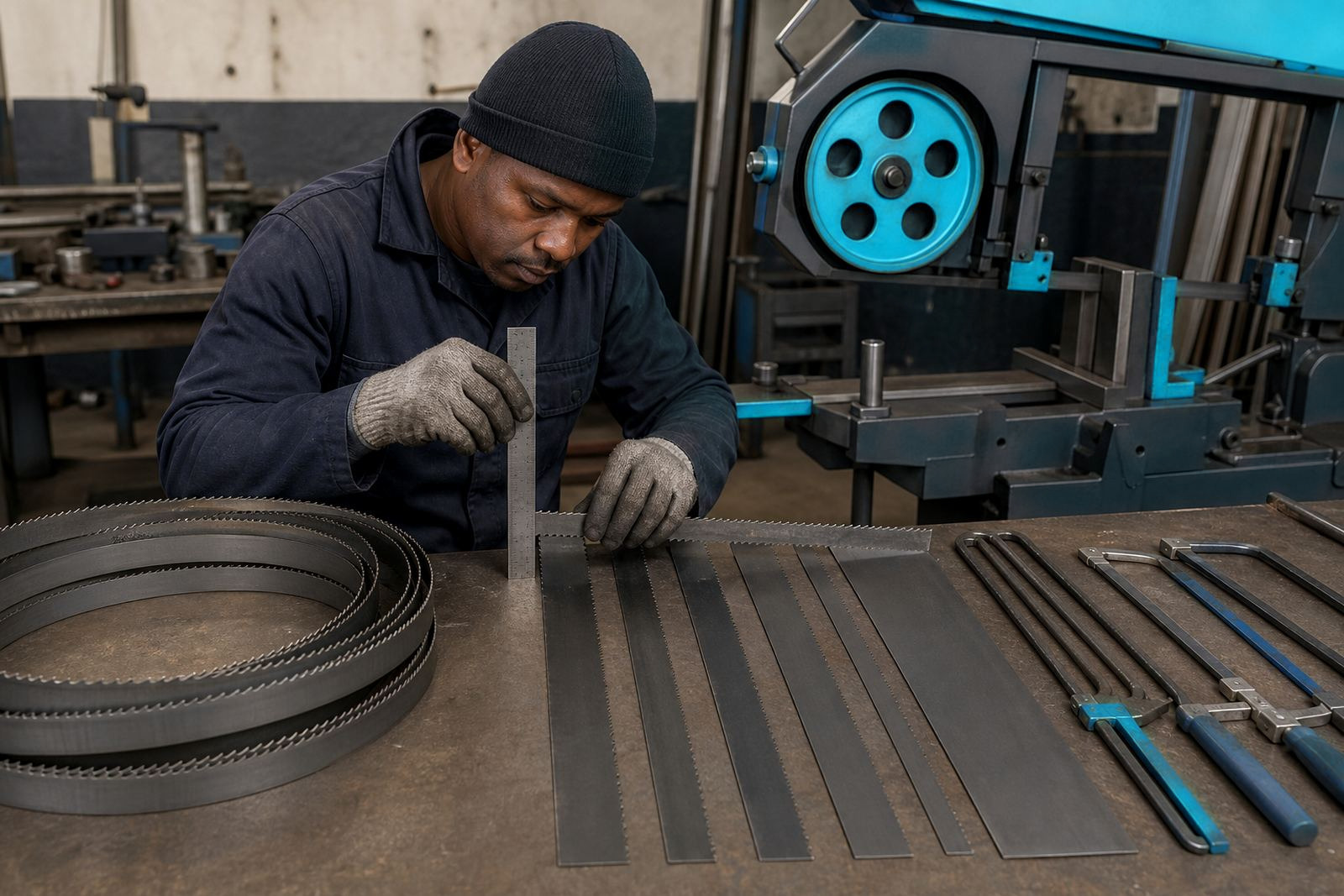
Tooth pitch is tied directly to the material section being cut. Fine TPI suits thinner wall tube and smaller sections, while coarser pitch works better on solid bar and heavier stock. Variable pitch blades help reduce vibration on mixed sections or where the cut face changes from one job to the next. For bi-metal M42 blades, that combination can give a useful balance of wear resistance and cutting speed. Carbon steel blades still have their place on lighter or manual work, especially where the cut duty is modest and the budget is tighter.
When we set up a blade, we look at the practical cutting conditions and the drawing. Feed rate, blade speed and coolant all affect how the teeth wear. A good width choice can still fail if the feed is too aggressive or the blade runs dry on material that should be cooled.
Starter kits and workshop stock planning
Some shops need one size for a regular job, others need a small working range that covers several machines. Starter kit planning keeps that stock sensible, so the workshop is not left with widths and pitches that sit unused on the shelf. We help set up a practical mix for bandsaw and hacksaw work, with common blade widths, thicknesses and pitches grouped by task.
- Common widths for light, medium and heavier cutting
- Pitch ranges suited to tube, section and solid bar
- Bi-metal and carbon options for different duty levels
- Weld-to-length supply where a finished loop is needed
- Labelling support for workshops that standardise blade stock
This is useful for firms with more than one branch or more than one saw model. A blade that works well on one machine may not suit another if the wheel diameter, guide block setup or clamping style is different. Keeping the stock clean and properly marked saves a lot of confusion at the bench.
How the selection process runs in practice
We start with the machine details and the materials being cut most often. Include saw type, wheel size where relevant, blade length if it is already known, and the cut shapes needed in the workshop. From there we check whether the job calls for a wider blade, a different thickness, or a tooth pitch change rather than a full change of blade type.
After the first fit is agreed, we can supply the blade welded to length for the machine. Where a workshop has had blade failure, we also review the break pattern and the cut marks. A fracture near the weld, for example, can point to tension or guide alignment, while tooth stripping may point to feed pressure or pitch mismatch.
For branches in Johannesburg, Pretoria, Vereeniging, Durban and Cape Town, the same method applies. The job notes stay local to the machine and the material, because the right width on a small manual saw is not the same as the right width on a production bandsaw in a busy bay.
Pricing approach, handover and aftercare
Pricing follows the blade type, the width and thickness required, the length needed and whether welding is part of the order. We keep the structure clear so the workshop can see what is tied to the blade itself and what is tied to the finishing work. Starter kit planning and fit checking are handled as part of the service discussion, because those details affect the final order.
Aftercare is practical and hands-on. We look at how the blade behaved after fitment, whether the run-in was followed, and whether the feed and speed were calm enough for the cut. If coolant is used on the machine, we also check whether it reached the teeth properly and whether the swarf was clearing as it should. That makes the next blade choice easier and reduces repeat mistakes.
Send the saw details, the material list and the cut size. From there, the team can work through the width, thickness and pitch that suit the job, without pushing a one-size answer onto every machine.
Key facts
| Service | Blade Width Selection |
|---|---|
| Blade types | Bi-metal M42, carbon steel |
| Key factors | Width, thickness, TPI, set, feed, speed, coolant |
| Common jobs | Bandsaw and hacksaw metal cutting |
| Supply format | Weld-to-length and starter kit planning |
| Base and reach | Alrode, Alberton for workshops across South Africa |