What gets looked at in a coolant check
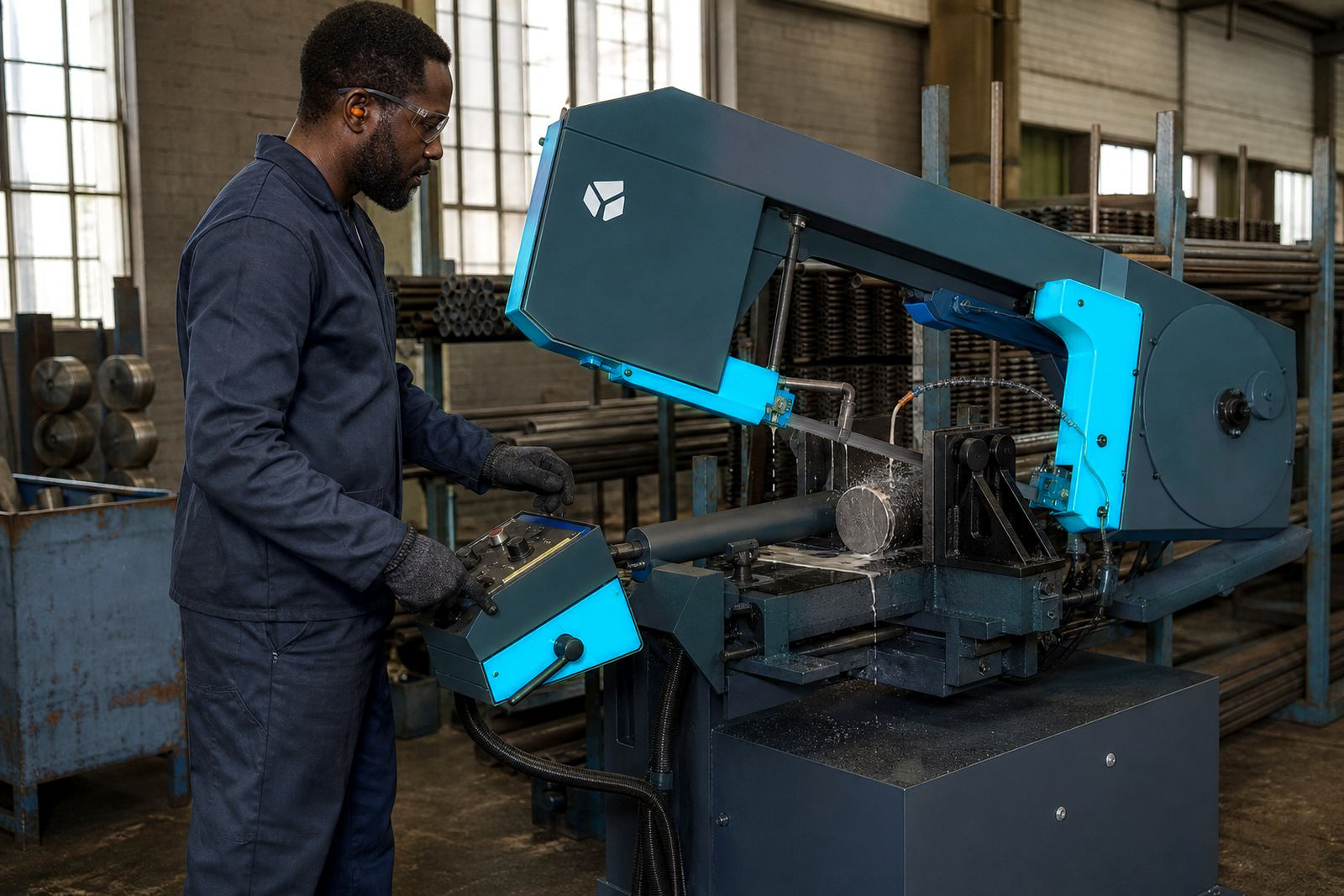
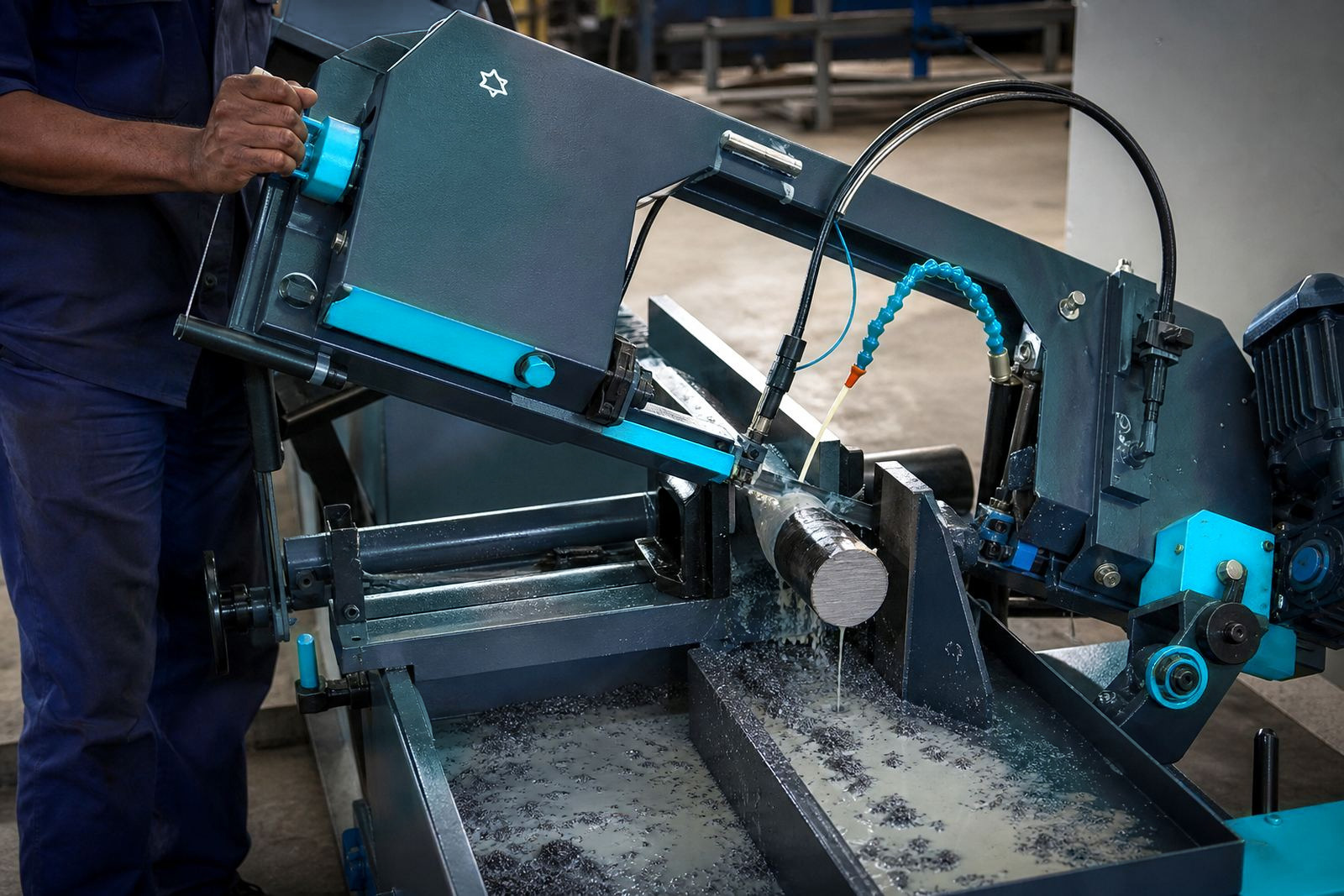
We look at the parts of the system that affect the cut itself as well as the fluid in the tank. That includes flow to the blade, spray or flood coverage at the tooth line, chip carry-off, visible contamination and whether the mix still behaves properly on the material being cut.
For bandsaw blades, the wrong feed and speed can leave chips welded into the gullets, especially on tighter TPI patterns and thinner blades. On hacksaw blades, poor flushing can make the stroke feel heavy and shorten blade life fast. A clean supply helps the blade clear the kerf, keeps heat down and makes the cut face more even.
- Flow at the cut zone and return path
- Chip flushing from the gullets and kerf
- Signs of dilution drift, dirt or tramp oil
- Basic condition of hoses, nozzles and delivery points
The checks we do before we point to the fix
We start with the cut complaint and the material in hand. Mild steel, stainless, bundle cutting and section work all place different demands on the coolant stream. A bi-metal M42 blade running a finer pitch does not want the same delivery as a wider carbon blade on slower work.
Blade width, thickness and tooth set are all important. A narrow blade with an open set can tolerate one style of coolant delivery, while a wider blade with a tighter pitch range needs steadier coverage to avoid heat build-up. If the problem sits with the machine feed, the blade speed or the coolant mix, we separate those points so the workshop is not chasing the wrong cause.
- Material type and section size
- Blade width, thickness and tooth pitch
- Run-in condition and recent failure signs
- Feed pressure, blade speed and chip shape
How the service is carried out
The service is practical and hands-on. We inspect the coolant at the machine, note the cut pattern and look for signs that chips are recutting instead of clearing cleanly. If needed, we compare the current setup with a better match for the blade being used, especially where variable pitch blades or starter kits are in play.
Our team can also flag whether the present coolant arrangement suits a weld-to-length blade service job, or whether a cleaner delivery pattern would help reduce breakages and tooth damage. Get the fluid where it must be and off the places where it should not sit without overcomplicating the system.
- Visual check of the coolant path and cut zone
- Assessment of chip evacuation and residue build-up
- Review of blade choice against speed and feed
- Practical notes for the workshop team
What we cover in a workshop visit or blade review
Coolant checks are often done alongside blade failure review or machine fit check work. If a blade is breaking early, burning the cut face or leaving heavy burrs, the fluid delivery and condition may be part of the picture. We also look at whether the machine is asking too much of the blade for the coolant pattern it has available.
That is useful on manual saws too, where the operator is carrying more of the control. A steady feed, the right tooth pitch and coolant that actually reaches the teeth can make a clear difference. We work with workshops across Johannesburg, Pretoria, Vereeniging, Durban and Cape Town, plus Alberton, Germiston and Boksburg jobs that need blade guidance and stock planning.
- Manual saw support for hand-fed work
- Blade failure review when cuts go off track
- Machine fit checks for the blade and frame
- Starter kit planning where blades are being standardised
Turnaround on checks and the way pricing is handled
Pricing depends on the job size, the amount of checking needed and whether the visit is linked to a blade supply order or a stand-alone review. A single coolant inspection is different from a full workshop fault review, and the cost reflects the work involved.
For customers in Alrode, Alberton and surrounding industrial areas, we can often fold the check into a broader blade discussion. For out-of-area work, the scope is set first so the visit, the test points and the expected follow-through are clear. No two cutting lines wear the same way, so the pricing approach stays tied to the actual setup.
- Stand-alone coolant inspection
- Combined blade and machine review
- Workshop setup for repeat cutting lines
- Blade supply linked to the check
Aftercare after the check is done
After the check, we leave practical notes on what to watch at the machine, how to keep chips moving and where the next cut issue is likely to show up if the setup drifts. That can include coolant mix condition, nozzle position, blade run-in habits and whether the current tooth pitch still suits the work.
If the workshop wants a tighter plan, we can line the coolant work up with tooth pitch selection, blade width selection and length verification. That helps when the same machine is cutting mixed sections through the week and the team wants fewer surprises at the kerf. Keep the fluid where the cut needs it, and keep the chips out of the teeth.
- Notes for coolant handling and top-up control
- Guidance on nozzle position and chip flushing
- Blade choice notes for the next order
Key facts
| Service | Coolant Checks |
|---|---|
| Blade types covered | Bandsaw blades and hacksaw blades |
| Material focus | Mild steel, stainless steel and general metalwork |
| Blade specs reviewed | Tooth pitch, variable pitch, blade width, thickness and set |
| Technical points | Feed, speed, run-in and coolant delivery |
| Coverage | Alrode, Alberton and workshops across South Africa |