When the cutting pattern does not change
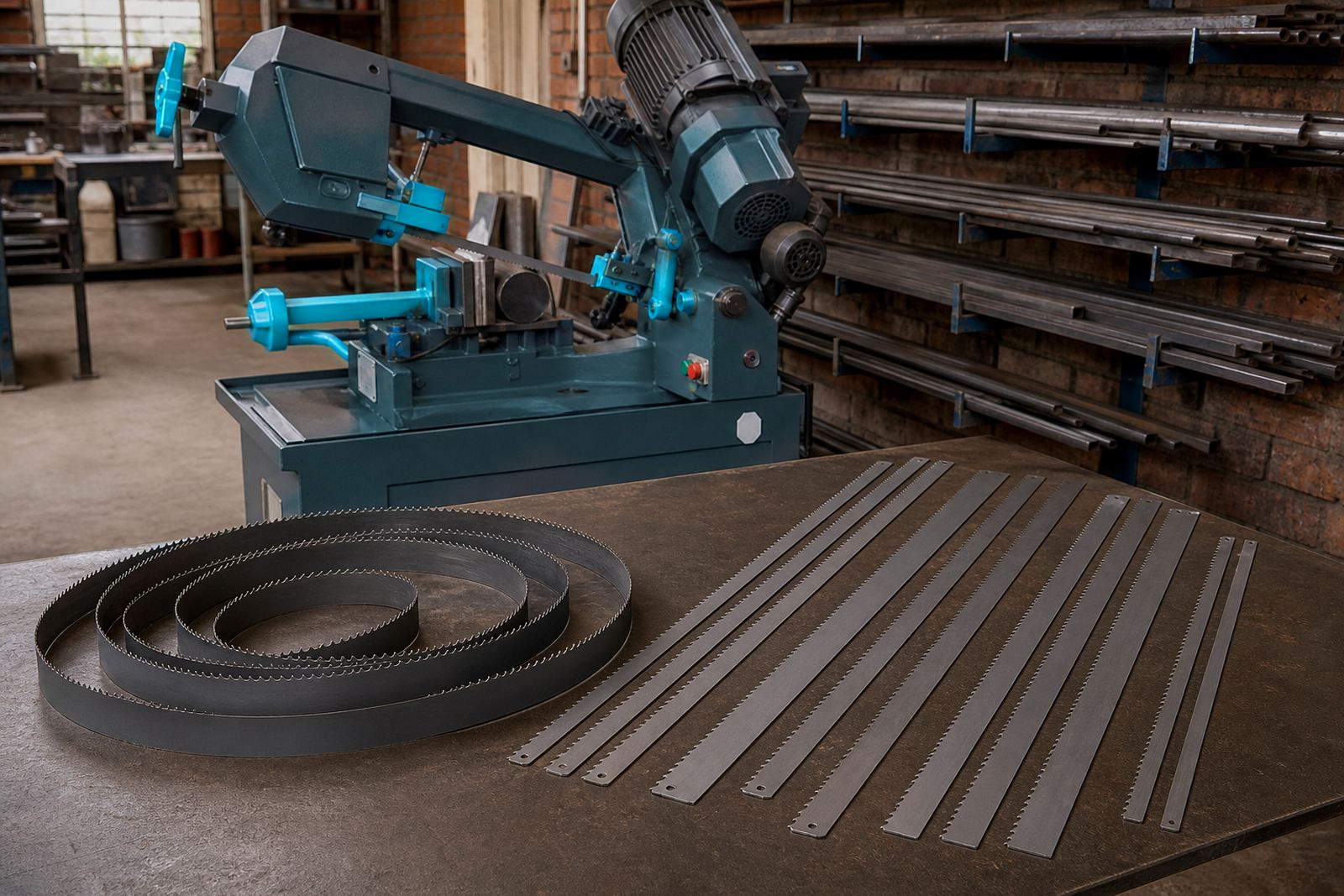
Constant pitch blades suit repeat work where the same profile moves through the machine all day. A round bar bundle, flat bar lengths, angle iron, or a stack of similar tube sections can all run well when the tooth pitch is chosen for one material range and kept there. Control comes first. The operator sets the saw for a known job and leaves the tooth pattern unchanged between cuts.
Steady pattern suits workshops cutting the same stock for fabrication, repairs or small production runs. If the material thickness stays within a narrow band, a constant pitch tooth count can give a cleaner rhythm through the cut and less hesitation at the entry point. A simple stock line on the shelf suits the team, with less need to carry many unusual blade types for routine work.
Picking pitch from the section, not from habit
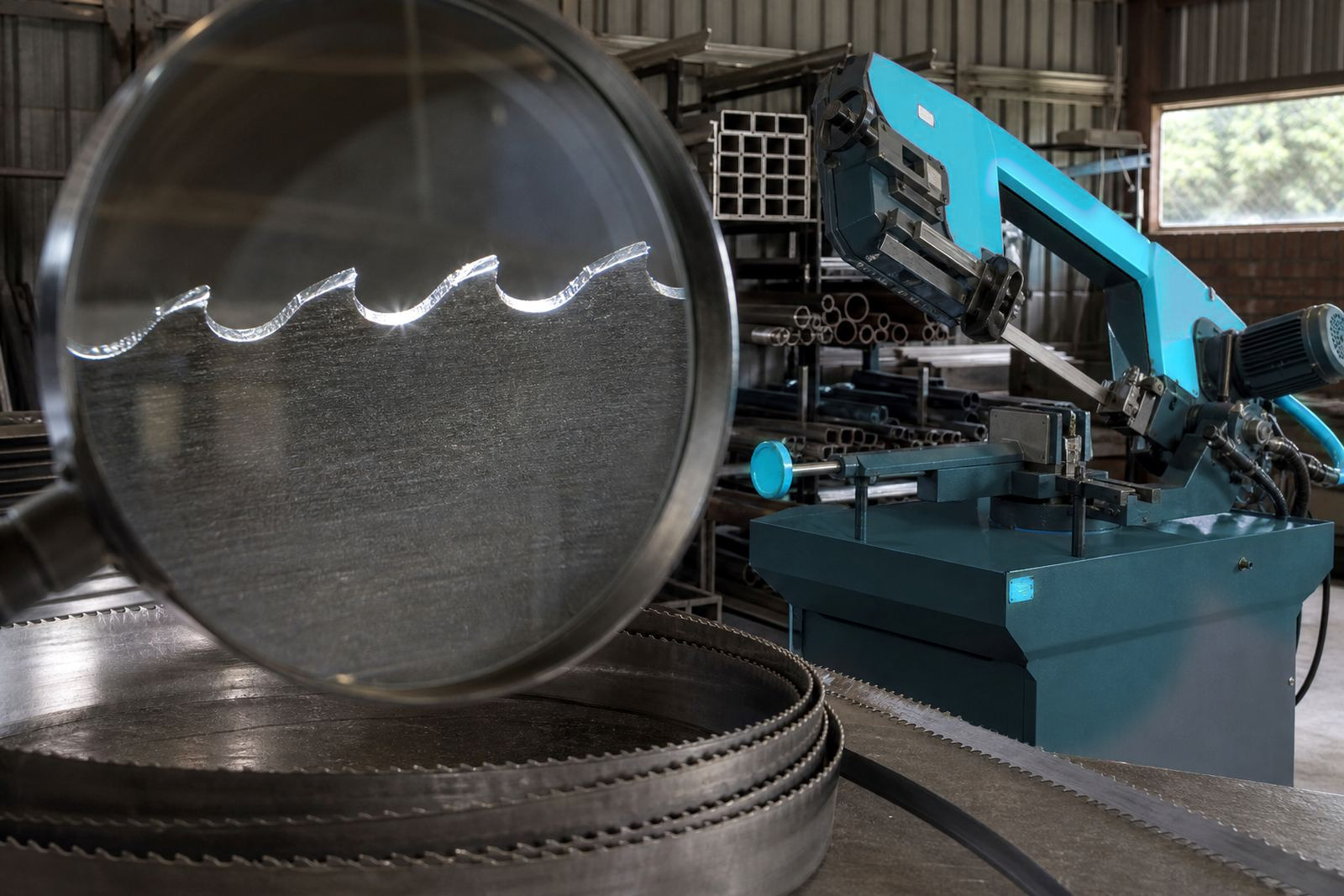
Tooth pitch is usually described in TPI, or teeth per inch. Lower TPI suits heavier sections and wider gullets, while higher TPI suits thinner wall material and lighter sections. A constant pitch blade works when that match stays consistent across the job list. If the saw keeps meeting the same diameter, same wall thickness and same alloy family, the pitch choice becomes more stable and the cut quality stays easier to manage.
- Low TPI for heavy solid bar and thick sections
- Mid TPI for general fabrication steel and mixed profile work
- Higher TPI for thin wall tube, light sections and cleaner finish requirements
- Constant pitch when the same stock is cut repeatedly
In practice, speed is only one factor in the choice. A blade that is too coarse can snag thin material, while one that is too fine can pack the gullets and overwork the set. When the pitch sits in the right range, the teeth clear chips properly and the saw keeps a steadier feed.
What blade width and thickness do on a steady job
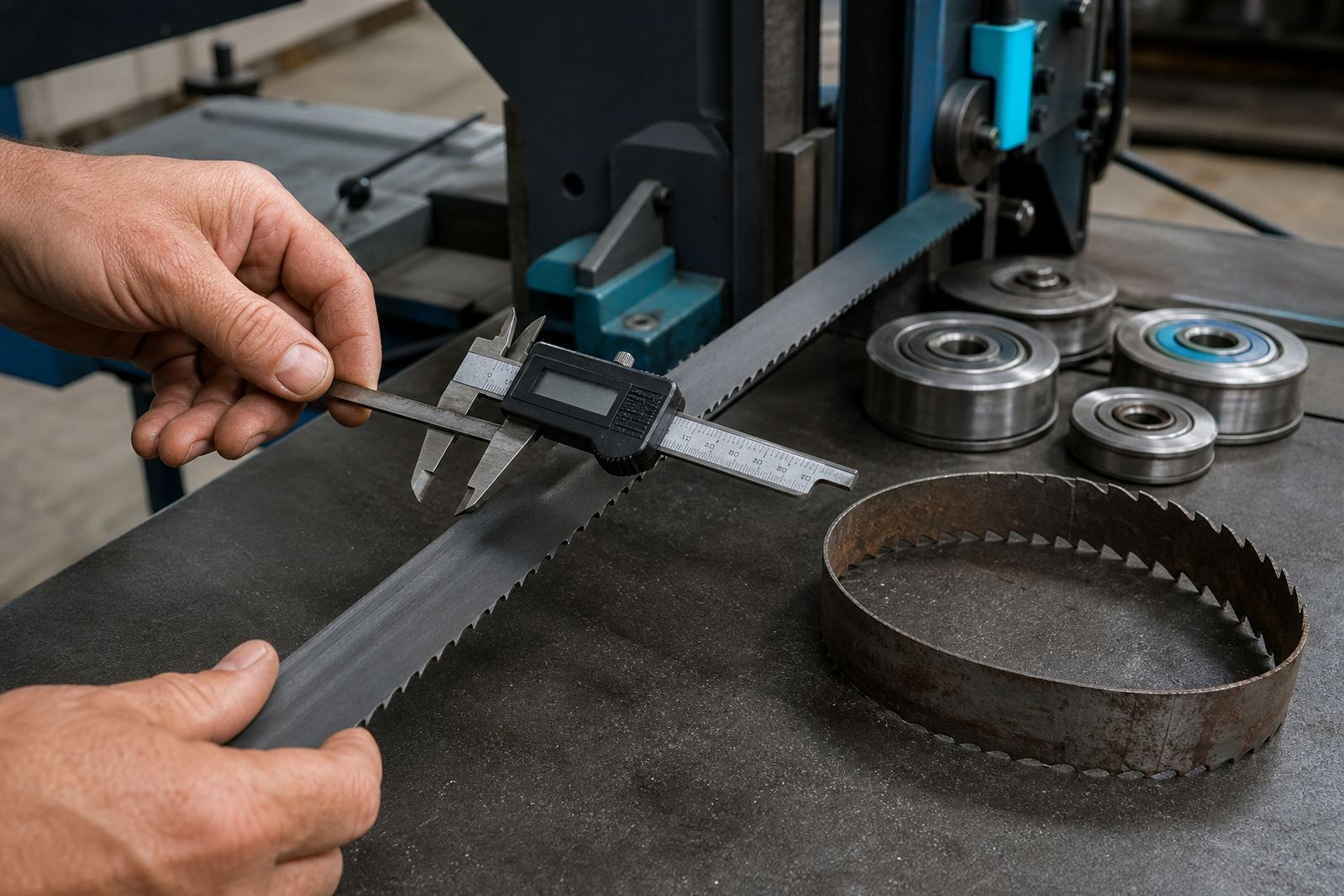
Blade width and thickness affect how straight the cut tracks and how the blade behaves in the guides. A wider blade resists twist better on larger section work, while a narrower blade is often easier to run on smaller machines and tighter radii. For constant pitch jobs, width and thickness should suit the actual machine and the material name on the job card.
On a workshop floor in Alrode or in a fabrication bay in Vereeniging, the same machine may see long runs of one size bar one week and tube the next. For those steady runs, a practical blade match often comes down to three points: the throat of the saw, the guide condition and the section size. If those line up, the blade holds its path better and the cut face needs less follow-up work.
- Wider blades help on straighter, heavier section work
- Narrower blades suit smaller machines and lighter stock
- Thickness should suit guide capacity and tension range
- Constant pitch works best when the section size stays regular
Bi-metal and carbon choices in a repeat-cut workshop
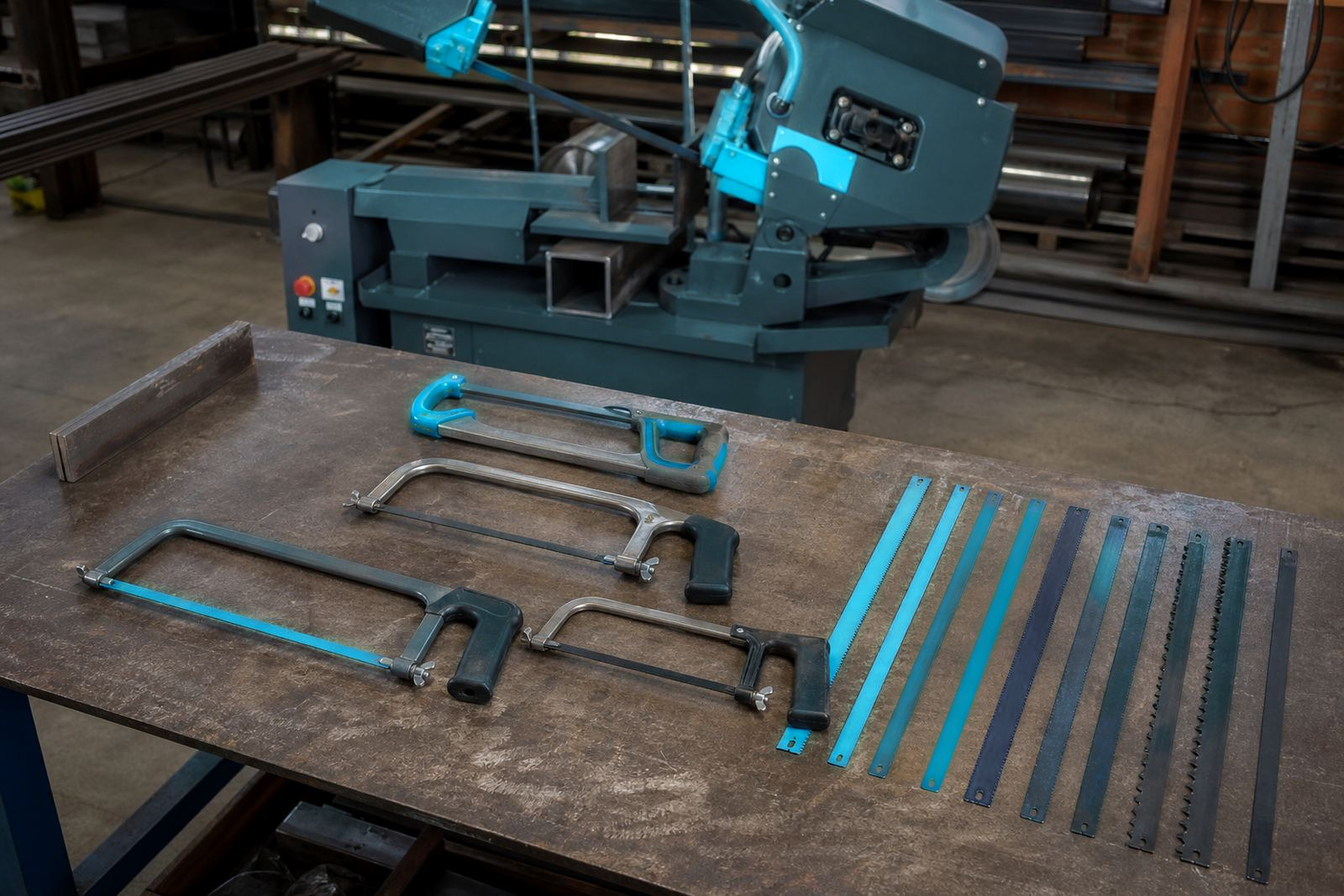
Bi-metal blades, including M42 tooth material in general trade use, are often chosen where repeat cuts meet harder steels, mixed profiles or a higher daily load. The teeth hold up well when the operator keeps the feed steady and the saw is set correctly. Carbon steel blades still have a place too, especially on lighter duty work, manual saws and cleaner softer materials where the job is simpler and the stock is more forgiving.
A constant pitch bi-metal blade can be a practical fit for repetitive metalwork because it gives a predictable cutting feel. Carbon steel can work just as well on the right hand saw or lighter machine, but it needs more care on feed and speed. In both cases, the cut lasts longer when the blade is run in properly, the guides are set true and the coolant flow stays clean enough for the job.
Run-in, feed and speed are part of the blade choice
Even a good pitch choice can fail if the first runs are too aggressive. New blades need a short run-in period so the teeth can settle. That means lighter feed at first, especially on harder material or on long repetitive shifts. Once the edge has settled, feed and speed can be brought up to the working range the saw and stock can carry.
Use coolant on longer cuts, stainless work and jobs where chip evacuation is poor. A dry cut on the wrong material can overheat the set and shorten blade life fast. On a constant pitch setup, the operator usually wants a repeatable routine: same material, same feed pressure, same speed band and the same coolant check before the shift starts.
- Start with a proper run-in on new blades
- Keep the feed steady and let the blade do the work
- Match speed to the material and section size
- Check coolant flow and chip clearing often
A Johannesburg line that keeps the same stock moving
A Gauteng workshop cutting mild steel flat bar for repeat assembly work may find constant pitch the cleanest way to keep the saw line simple. If the job stays on the same profile and the same section thickness, the blade can be selected once and kept on that task instead of changing pitch every time the order sheet shifts. That suits shops in Johannesburg, Germiston and Boksburg where the same stock can move through several jobs in one shift.
Blade support is important there too. A team may need weld-to-length service for a specific machine loop, length verification before fitting, or a starter kit that gives the shop a few practical sizes instead of a random shelf mix. At our Alrode, Alberton base, the focus is on matching the blade to the work, whether the job needs help with tooth pitch selection, run-in guidance or a fit check for a manual saw or powered bandsaw.
Cases where a constant pitch blade does not suit the job
Constant pitch suits some cutting lists better than others. If the workshop moves between thick solid bar, thin tube and mixed scrap profiles in the same day, a variable pitch blade often handles the changing tooth load better. The same applies when the machine is old, the guides are tired or the stock comes in with poor consistency. When those cases come up, the blade is one issue and the whole setup needs a closer look.
A blade failure review can show whether the problem came from feed pressure, misalignment, wrong pitch, poor coolant or a fit issue at the machine. That is often the difference between guessing and sorting the job properly. For repeat work though, constant pitch still has a clear place. It keeps the blade choice straightforward, the stock line easier to manage and the cutting routine easier to repeat across branches and workshops from Pretoria to Cape Town.